

UK Moves to Ban Social Media for Under-16s as Starmer Pushes for a Safer Childhood

UK Moves to Ban Social Media for Under-16s as Starmer Pushes for a Safer Childhood
In one of the most ambitious digital policy shifts in recent years, the United Kingdom has announced plans to ban children under the age of 16 from accessing major social media platforms.
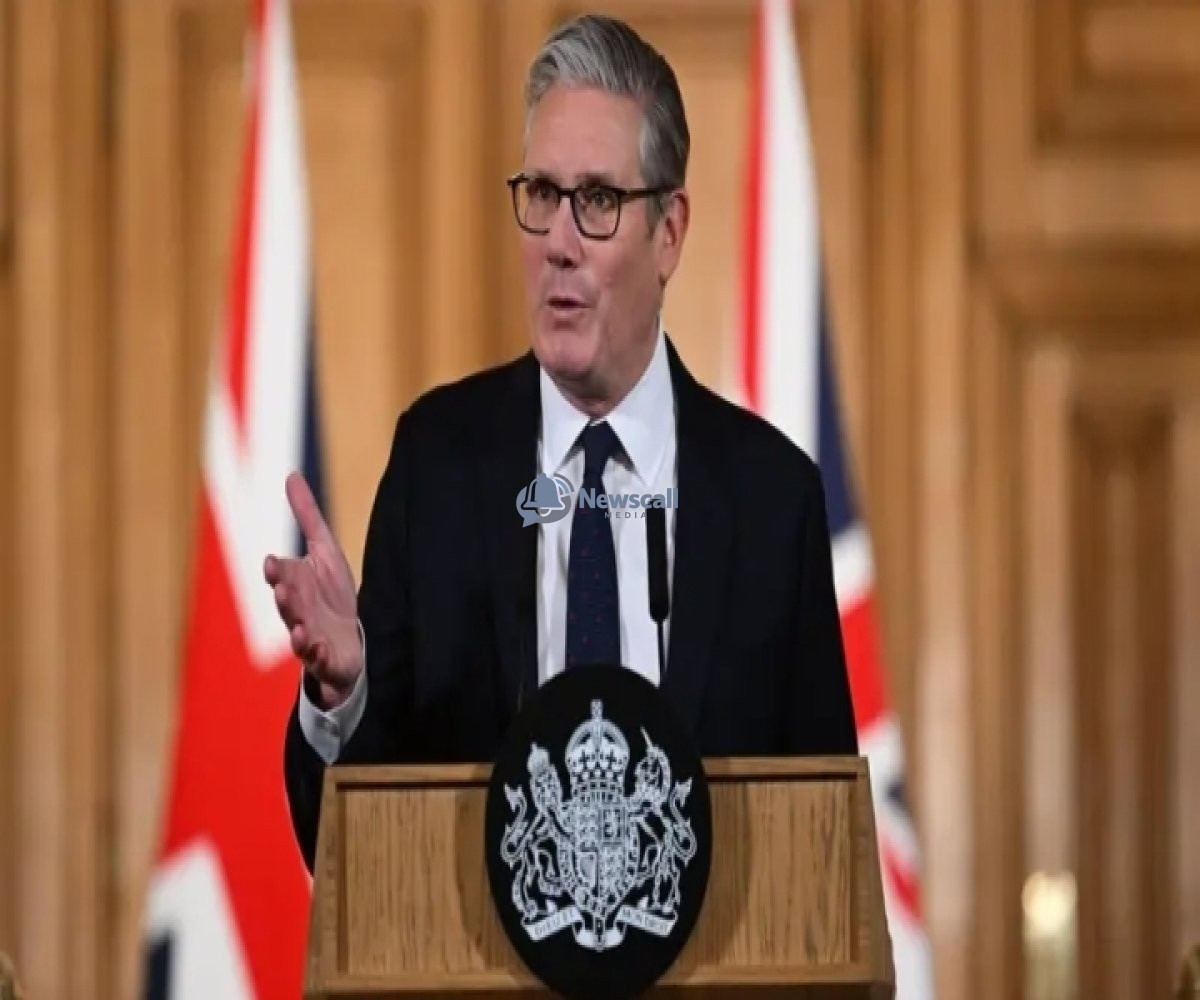
Prime Minister Keir Starmer unveiled the proposal during a televised address, describing the move as a necessary response to growing concerns over children’s safety, mental wellbeing and exposure to harmful online experiences.
If approved by Parliament before the end of the year, the restrictions are expected to take effect by spring 2027.
But beyond regulation and politics, the announcement has opened a larger conversation: what does childhood look like in an age where screens increasingly shape growing minds?
Under the proposed framework, children under 16 would no longer be permitted to access platforms designed around public interaction and algorithm-driven engagement.
Services expected to fall under the restrictions include Snapchat, TikTok, YouTube, Instagram, Facebook and X.
Messaging applications such as WhatsApp and Signal are not currently expected to be included.
Starmer defended the decision as one rooted not in opposition to technology, but in protection.
According to the Prime Minister, social media has increasingly become a space where addictive design, cyberbullying and harmful content affect young people at critical stages of development.
He argued that protecting children should not require sacrificing innovation.
“We are not prepared to compromise on the safety and happiness of our children,” he said.
Alongside the proposed ban, the government announced plans to introduce additional protections including restrictions on livestreaming, limits on stranger communication with minors and further reviews into overnight access and endless scrolling features.
Officials say these measures are intended to reduce digital pressure while encouraging healthier habits among young users.
The announcement did not emerge in isolation.
For years, campaigners and grieving families across the UK have called for stronger action after linking online experiences to cases involving cyberbullying, harmful challenges, exploitation and emotional distress among children.
Some parents who lost children under tragic circumstances described the announcement as emotional and long overdue.
For them, the moment represented more than policy—it represented recognition.
Many argued that children deserve the same protection online that society already expects in physical spaces.
Supporters believe the move could redefine childhood by creating more room for face-to-face friendships, creativity, outdoor activities and healthier emotional development.
Others, however, warn that bans alone may not solve the problem.
Critics question how enforcement will work and whether restrictions could drive teenagers toward less regulated digital spaces.
Technology companies have also argued that supervised and age-tailored platforms may offer safer experiences than complete exclusion.
Yet supporters insist the conversation itself marks progress.
Australia became the first country to adopt a similar approach, and several nations across Europe and beyond are now considering comparable policies.
The debate over children and social media is no longer simply about screen time—it is becoming a question about what kind of future societies want to build.
For one side, this is regulation.
For another, it is an attempt to return something many believe has quietly disappeared: protected childhood.
Whether the policy succeeds or evolves over time, one message sits at the centre of the decision—technology should grow with children, not grow ahead of them.
And perhaps the bigger challenge for governments, parents and communities is not only deciding what children should be protected from, but also creating spaces that inspire what they can grow into.

Nwekwe Esther Amarachukwu
Public speaker,Research-driven writer covering politics and public affairs, committed to accuracy, and meaningful public discourse.