

UK Voters Head to Polls in England, Scotland and Wales
UK Voters Head to Polls in England, Scotland and Wales
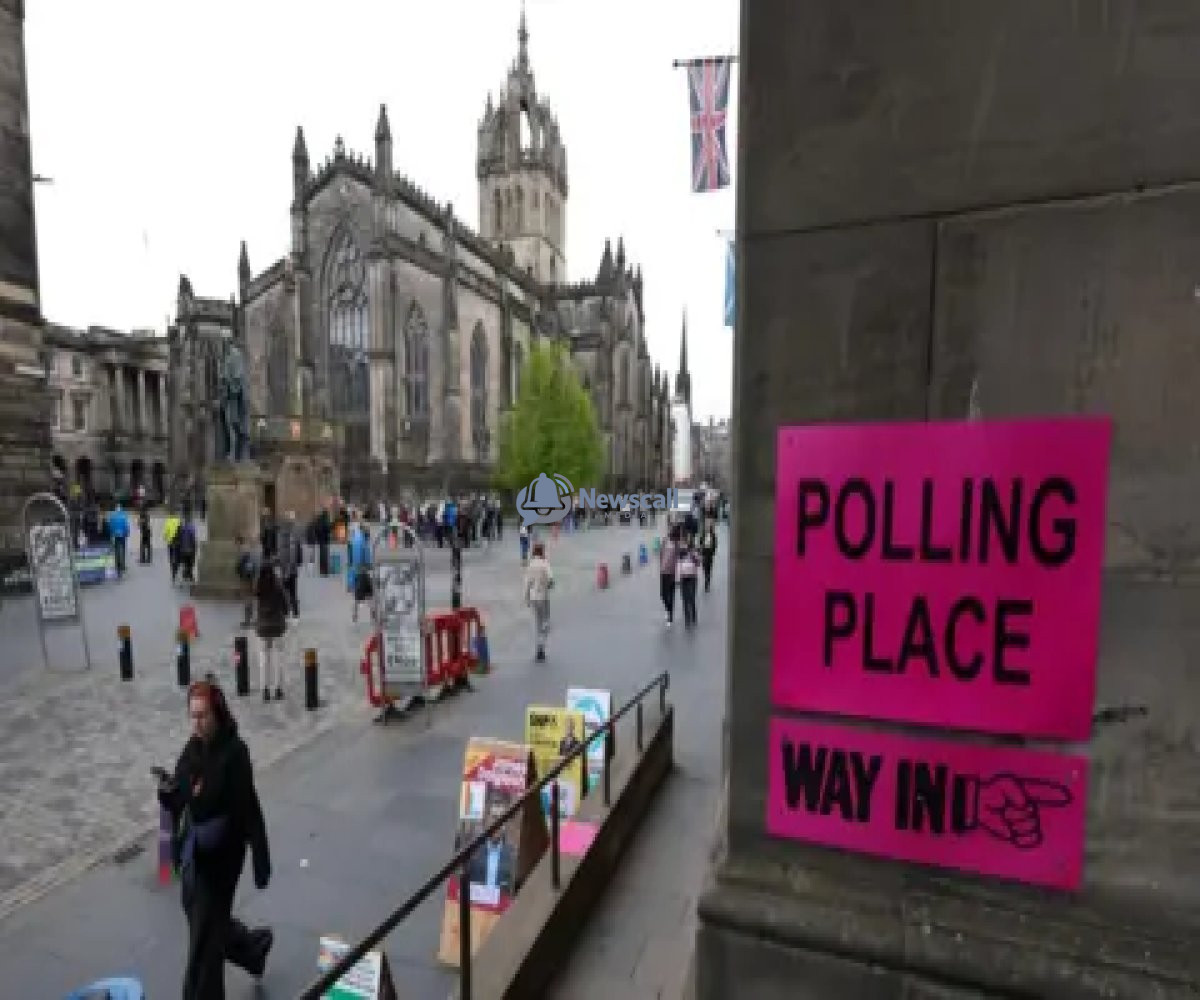
Millions of voters across the United Kingdom headed to polling stations on Thursday as major elections took place in England, Scotland, and Wales.
The elections will determine local leadership positions in England as well as the composition of the Scottish Parliament and the Welsh Parliament, known as the Senedd. Polling stations opened early in the day and are scheduled to close at 10:00 p.m. BST.
In Scotland and Wales, all seats in their devolved national parliaments are being contested.
Voters in Scotland are electing members of the Scottish Parliament, which is responsible for laws covering areas such as education, healthcare, transport, and aspects of taxation.
Meanwhile, voters in Wales are choosing representatives for the Senedd, which also oversees devolved matters including health, education, transport, and environmental policies.
The Welsh election marks the first under the Senedd’s expanded structure, increasing representation from 60 to 96 members under a new proportional voting system.
In England, around 5,000 seats across approximately 136 local councils are being contested alongside six mayoral elections. Councillors elected during the polls will oversee local governance, community services, housing, planning, transport, and public welfare issues within their jurisdictions.
Several major political figures were seen casting their votes during the day, including Prime Minister Keir Starmer, Reform UK leader Nigel Farage, Conservative leader Kemi Badenoch, Liberal Democrat leader Ed Davey, and Scottish First Minister John Swinney.
Election officials reminded voters in England that photo identification is mandatory for in-person voting, while voters in Scotland and Wales are not required to present ID for parliamentary elections.
Authorities also confirmed that vote counting in several areas would not begin immediately after polls close, with many results expected to emerge the following day.
The elections are being closely watched as an indicator of public sentiment toward the major political parties ahead of the next UK general election.
Local elections in England often serve as a measure of support for the governing party, while the Scottish and Welsh parliamentary elections are expected to influence debates around devolution, governance, and regional political autonomy.
Issues such as the economy, healthcare, cost of living pressures, immigration, and public services have dominated political discussions in recent months.
The elections are also significant because they could reshape political influence across the UK, particularly in Scotland and Wales where nationalist and regional parties continue to challenge traditional Westminster-based parties.
As voting continues across England, Scotland, and Wales, political parties are awaiting results that could redefine regional leadership and influence national political strategies ahead of future elections.
The outcome of the elections is expected to provide a clearer picture of voter priorities and the evolving political landscape across the United Kingdom.

Nwekwe Esther Amarachukwu
Public speaker,Research-driven writer covering politics and public affairs, committed to accuracy, and meaningful public discourse.