

Umeh, Abaribe, Hanga Defect as Party Crisis Triggers Realignments in Senate
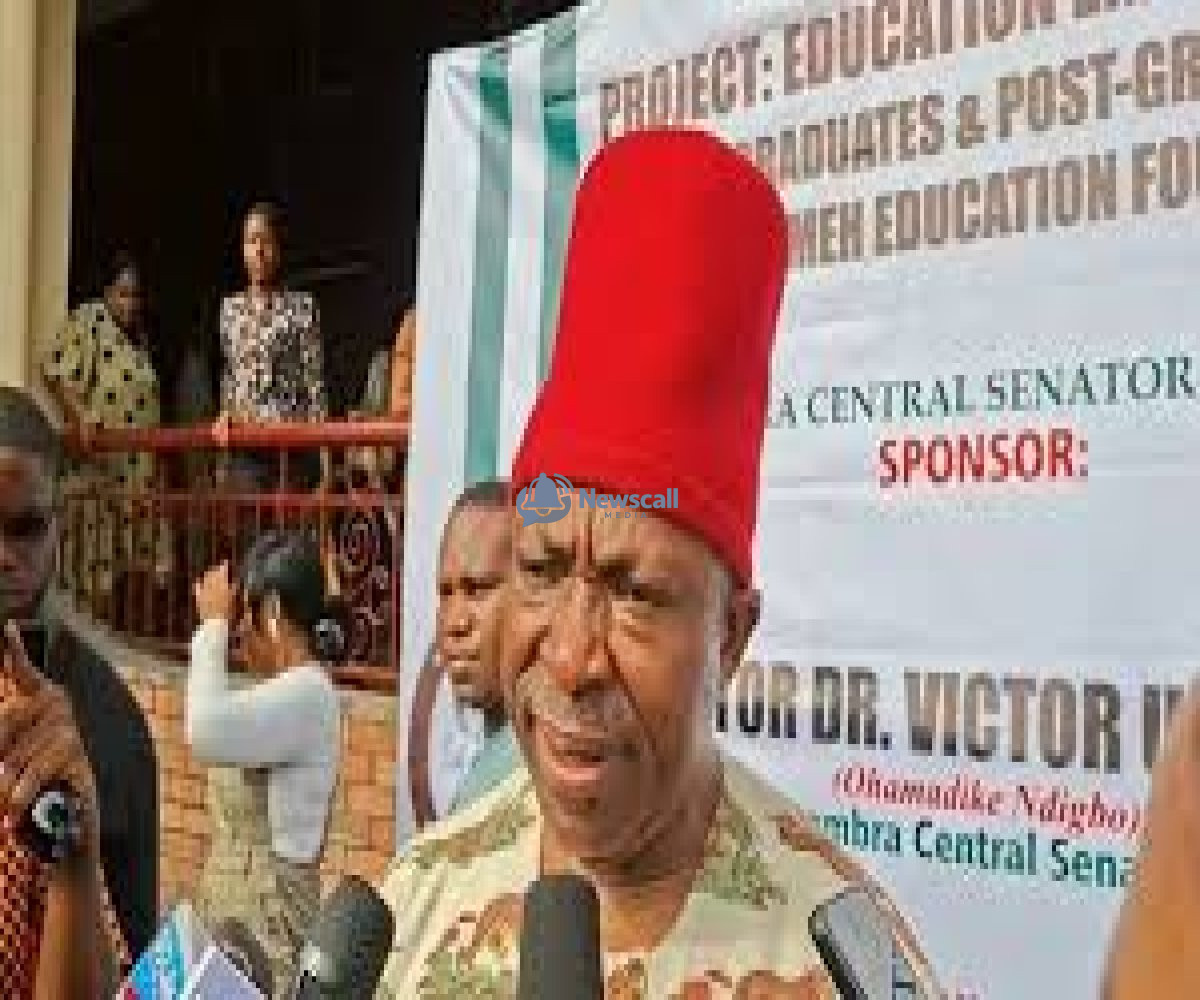
Umeh, Abaribe, Hanga Defect as Party Crisis Triggers Realignments in Senate
Three Nigerian senators—Victor Umeh, Enyinnaya Abaribe, and Rufai Hanga—have formally defected from their respective political parties, citing persistent internal crises and leadership disputes. The defections were announced during a Senate plenary session, reflecting a broader wave of political realignments ahead of future elections.
Senator Victor Umeh, representing Anambra Central, resigned from the African Democratic Congress (ADC) and joined the Nigeria Democratic Congress (NDC). In his defection letter addressed to Senate President Godswill Akpabio, Umeh explained that his decision followed extensive consultations with stakeholders, including his constituents and political associates. He attributed his exit to unresolved leadership divisions and ongoing legal disputes within the ADC.
“I have taken this decision after wide consultations with my family, my constituents, and supporters, in view of the lingering divisions in the leadership and unending litigations in the African Democratic Congress,” Umeh stated. He reaffirmed his commitment to national development under his new political platform.
Similarly, Senator Enyinnaya Abaribe of Abia South also exited the ADC, but joined the Labour Party (LP). Abaribe described his resignation as immediate, pointing to what he called a “well-known leadership crisis” in the ADC, worsened by multiple legal challenges affecting the party’s cohesion and direction.
In a related move, Senator Rufai Hanga, representing Kano Central, defected from the New Nigeria Peoples Party (NNPP) to the NDC. His switch further strengthens the NDC’s presence in the Senate amid shifting political alliances.
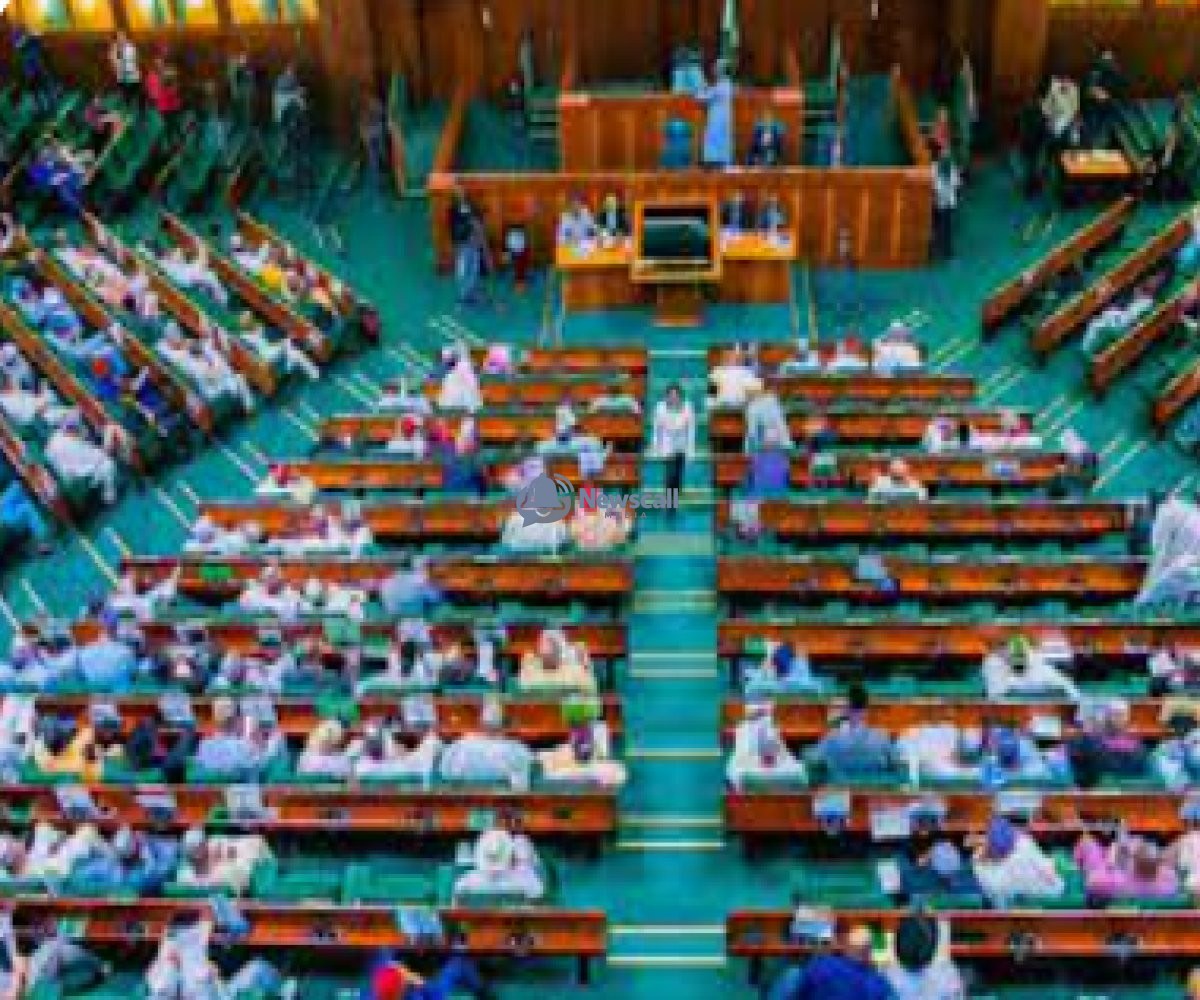
The Senate formally acknowledged the defections as Senate President Godswill Akpabio read the letters during plenary. Reacting to the trend, Akpabio made a lighthearted remark about the frequency of party switches, joking that repeated defections might no longer be formally announced if they continue at the current pace. His comment drew laughter from lawmakers.
The defections highlight ongoing instability within several political parties in Nigeria, particularly the ADC and NNPP, both of which have faced internal conflicts and legal battles in recent months. Such instability often prompts politicians to seek more stable platforms, especially as political positioning intensifies ahead of future electoral cycles.
The movement of lawmakers between parties can significantly alter the balance of power within the National Assembly, influence legislative priorities, and reshape alliances. The NDC, in particular, appears to be gaining traction, with multiple defections bolstering its ranks. Reports also indicate that the party is making strategic moves, including zoning its presidential ticket to the southern region, signaling early preparations for upcoming national elections.
The defections of Umeh, Abaribe, and Hanga underscore a period of fluid political alignment within Nigeria’s Senate. As internal party crises persist, more lawmakers may reconsider their affiliations, potentially leading to further shifts in the country’s political landscape. The evolving dynamics will likely play a critical role in shaping legislative agendas and electoral strategies in the months ahead.

Nwekwe Esther Amarachukwu
Public speaker,Research-driven writer covering politics and public affairs, committed to accuracy, and meaningful public discourse.