

‘We’ve Got Their Back’: U.S.-Nigeria Military Partnership Deals Heavy Blow to Boko Haram, ISWAP – DHQ.
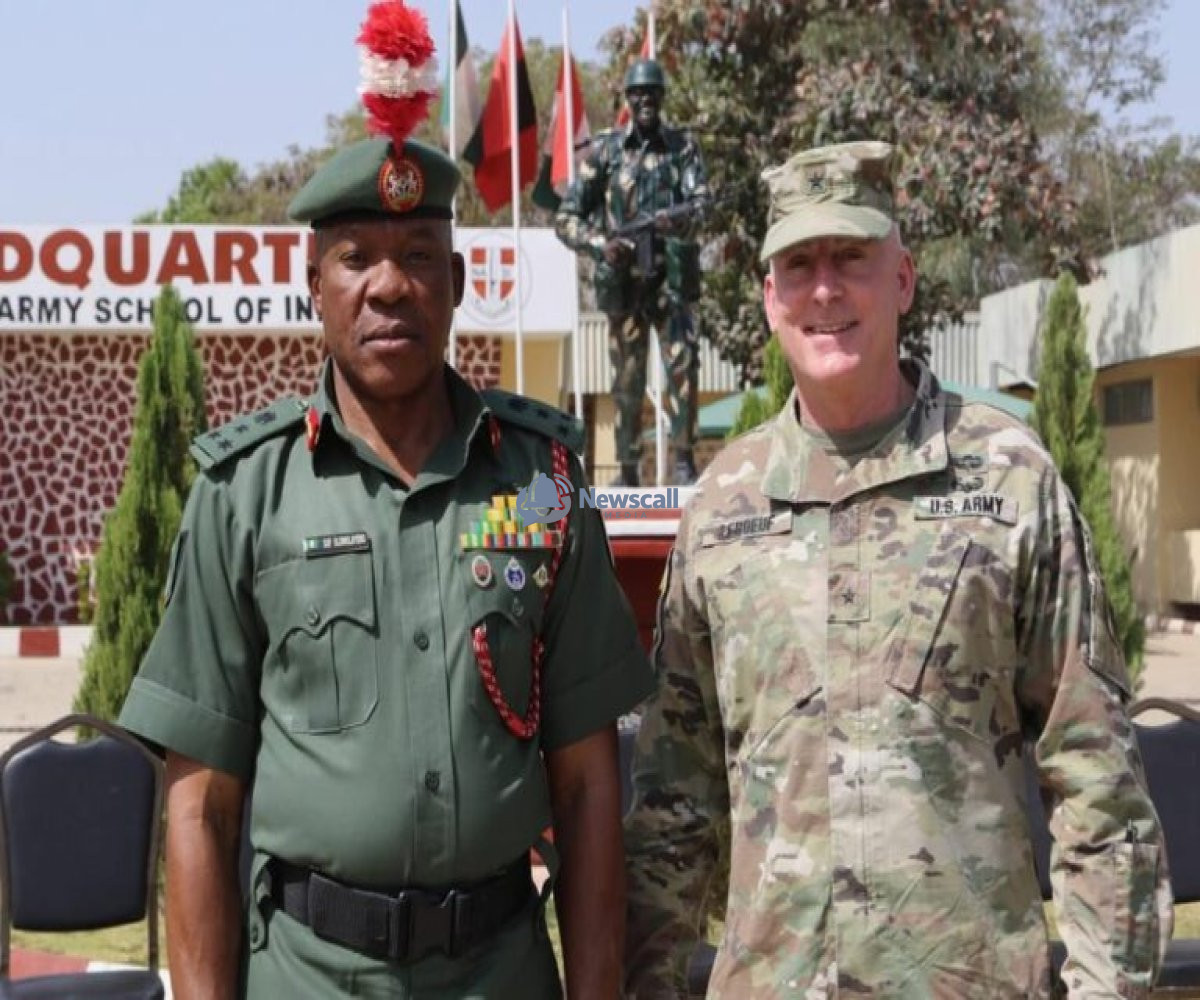
In a candid online discussion this week, Nigeria’s Defence Headquarters (DHQ) made it clear that the country’s military alliance with the United States is paying off in a big way. According to Major General Samaila Uba, Director of Defence Information, the collaboration has seriously crippled the ability of Boko Haram, ISWAP, and other terrorist groups to operate.
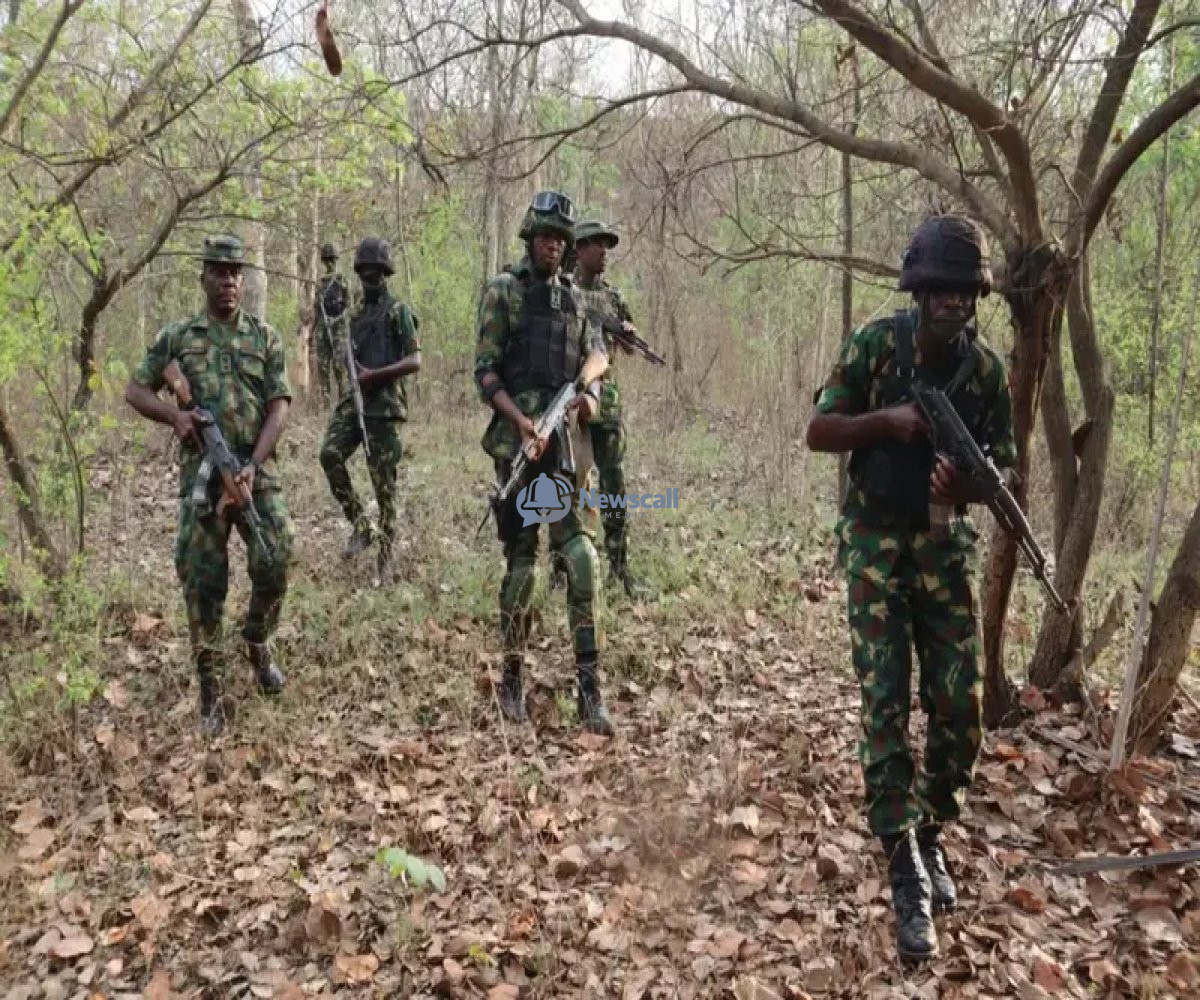
Speaking during a Twitter Spaces session (X Spaces) on Tuesday, Uba said the partnership has become a game changer in Nigeria’s fight against terrorism. From intelligence sharing and logistics support to joint training and strategic communication, the cooperation has helped Nigerian troops become more effective and better equipped.
“No country can fight terrorism alone,” Uba noted, stressing that modern threats require teamwork across borders. He pointed to recent intelligence led operations that dismantled terrorist networks, destroyed key hideouts, and cut off supply chains. Surveillance and combat readiness have also seen major boosts, thanks to specialized training from U.S. forces.
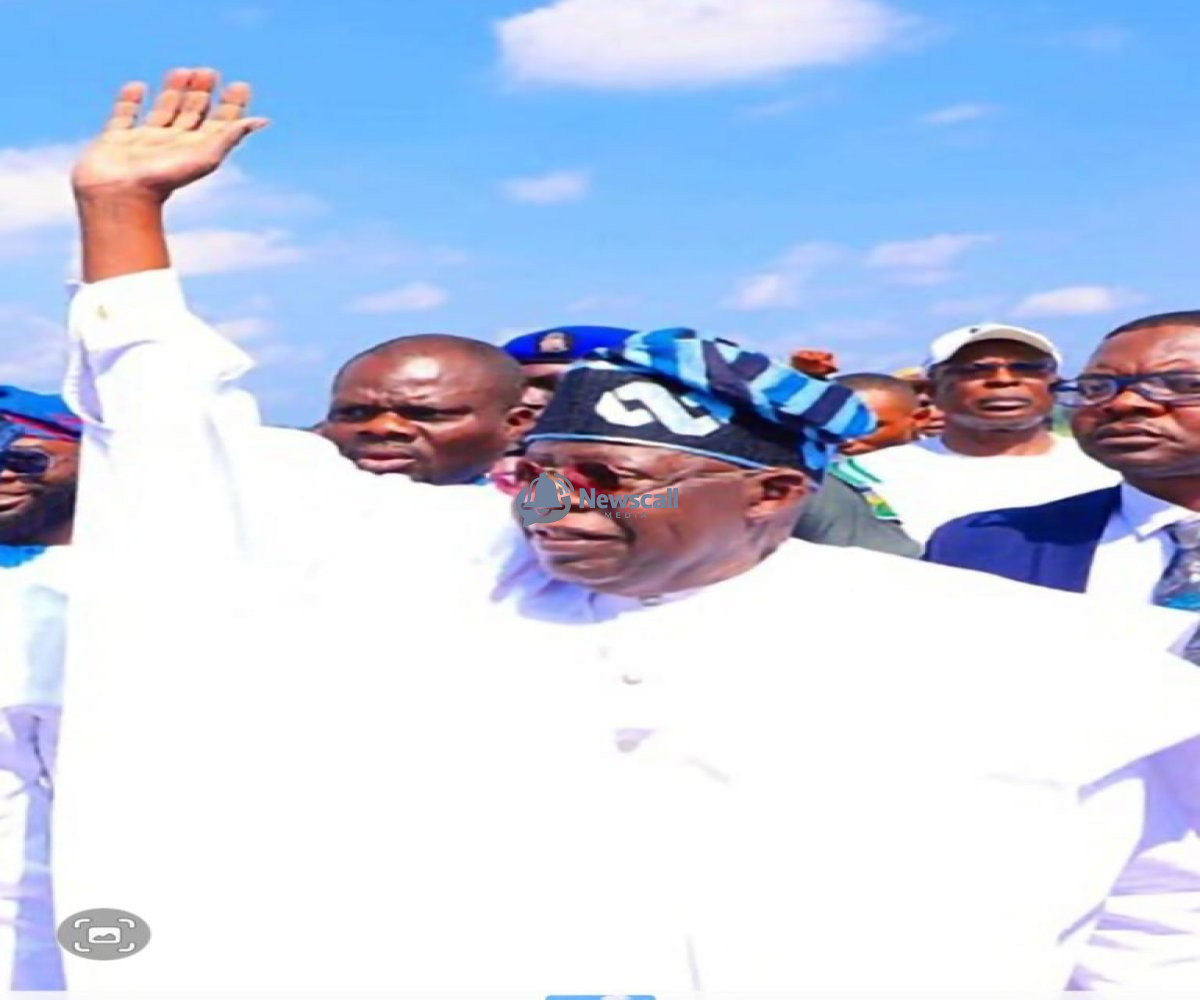
He gave a shout out to the U.S. government and AFRICOM for their steady support, while also praising President Bola Ahmed Tinubu for backing the military with the tools and strategic direction needed to keep up the momentum.
Colonel Rebecca Heyse, AFRICOM’s Director of Public Affairs, joined the conversation and dropped some striking details. She revealed that a joint operation, which kicked off on May 16 after months of planning, led to the death of Abu Bilal al-Minuki identified as ISIS’s global second in command. Also killed were several top propaganda and operational leaders, along with over 200 fighters.
The operation didn’t stop there. Heyse said troops destroyed terrorist checkpoints, weapons caches, training camps, and even took down financial and media networks that fueled extremism.
Her message was clear: the U.S. remains committed to backing Nigeria, with full respect for the country’s sovereignty. Both officials agreed that continued intelligence sharing and international cooperation are key to locking in these gains and securing lasting peace in the region.
Umeanozie Prosper
Writer, Novelist,blogger, content creator