

Will Cash Disappear? The Future of Digital Payments
There was a time when carrying cash was a necessity.
Whether buying groceries, paying for transportation, or dining at a restaurant, physical money was the foundation of everyday transactions. Today, that reality is changing faster than many people realize.
A growing number of consumers rarely carry cash at all. Instead, they rely on mobile banking apps, digital wallets, contactless cards, and instant transfers to manage their finances. In some cities, it is already possible to go days—or even weeks—without touching physical currency.
This shift raises an important question: Are we moving toward a cashless future?
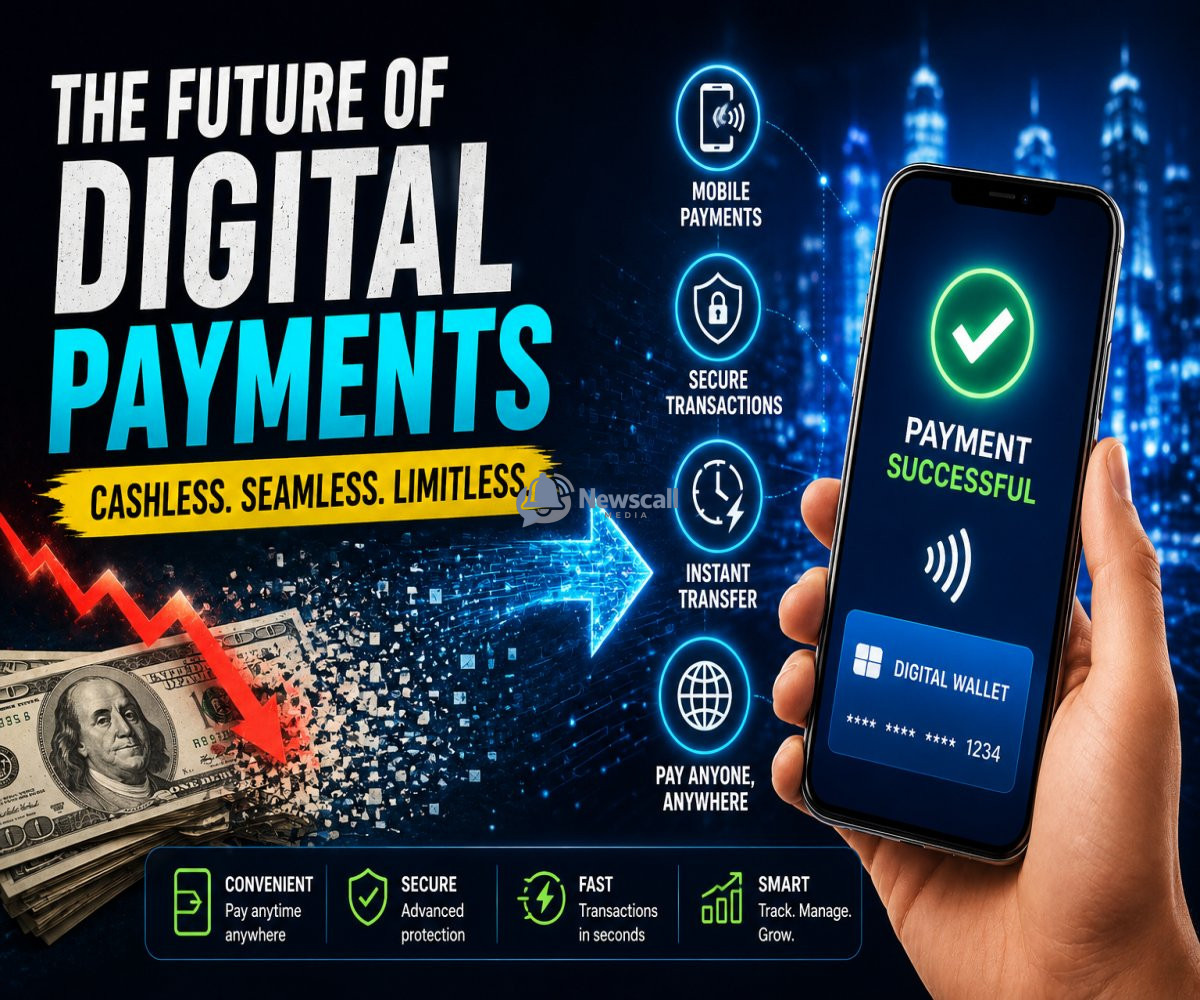
The momentum behind digital payments is undeniable. Convenience is one of the primary reasons. Digital transactions are often faster, more secure, and easier to track than cash. A smartphone can now function as a wallet, bank account, payment terminal, and financial management tool all at once.
For businesses, digital payments offer additional advantages. Transactions can be processed more efficiently, records are automatically generated, and customer experiences become smoother. The result is a system that benefits both consumers and merchants.
Technology has accelerated this transformation.
Mobile payment platforms allow people to send money instantly across cities and countries. Contactless payment systems reduce transaction times to mere seconds. Advances in cybersecurity have made digital transactions safer than ever, increasing public trust in electronic payment methods.
The rise of e-commerce has also played a significant role. As more shopping moves online, digital payments become not just convenient but essential. Cash simply cannot function in a fully digital marketplace.
Yet despite these advantages, cash remains surprisingly resilient.
For many people, physical currency provides a sense of control and accessibility that digital systems cannot fully replace. Cash does not require internet access, batteries, software updates, or banking infrastructure. It remains one of the most universally accepted forms of payment in the world.
Privacy is another important factor. Digital transactions create records that can be tracked, analyzed, and stored. Some consumers prefer cash because it offers greater anonymity and independence from financial systems.
Economic inclusion also remains a challenge. Millions of people worldwide still have limited access to banking services, smartphones, or reliable internet connections. For these individuals, cash continues to serve as an essential financial tool.
Rather than disappearing completely, cash may gradually become less dominant.
The future is likely to involve a hybrid system where digital payments handle the majority of transactions while physical currency remains available for specific situations and populations. This transition may take years—or even decades—depending on technological development, government policies, and consumer preferences.
Emerging technologies could further reshape the financial landscape. Digital currencies, blockchain-based payment systems, and central bank digital currencies are already being explored in various parts of the world. These innovations could make transactions faster, cheaper, and more accessible on a global scale.
At the same time, artificial intelligence is helping financial institutions detect fraud, improve security, and provide personalized banking experiences. As these technologies mature, digital payment systems will likely become even more efficient and user-friendly.
The debate is no longer about whether digital payments will continue to grow.
They will.
The real question is whether cash will eventually become a rarity rather than a necessity.
For now, physical currency still has a place in society. But with every tap, scan, and digital transfer, the world moves one step closer to a future where money exists less in our pockets and more in our devices.
Cash may not disappear tomorrow.
But its role in everyday life is already being rewritten.

Victor Oluebubechukwu Akuma.
Creative writer