

“It’s Not Just About Immigration: Nigeria and South Africa Are at Odds Again After Deadly Attacks”
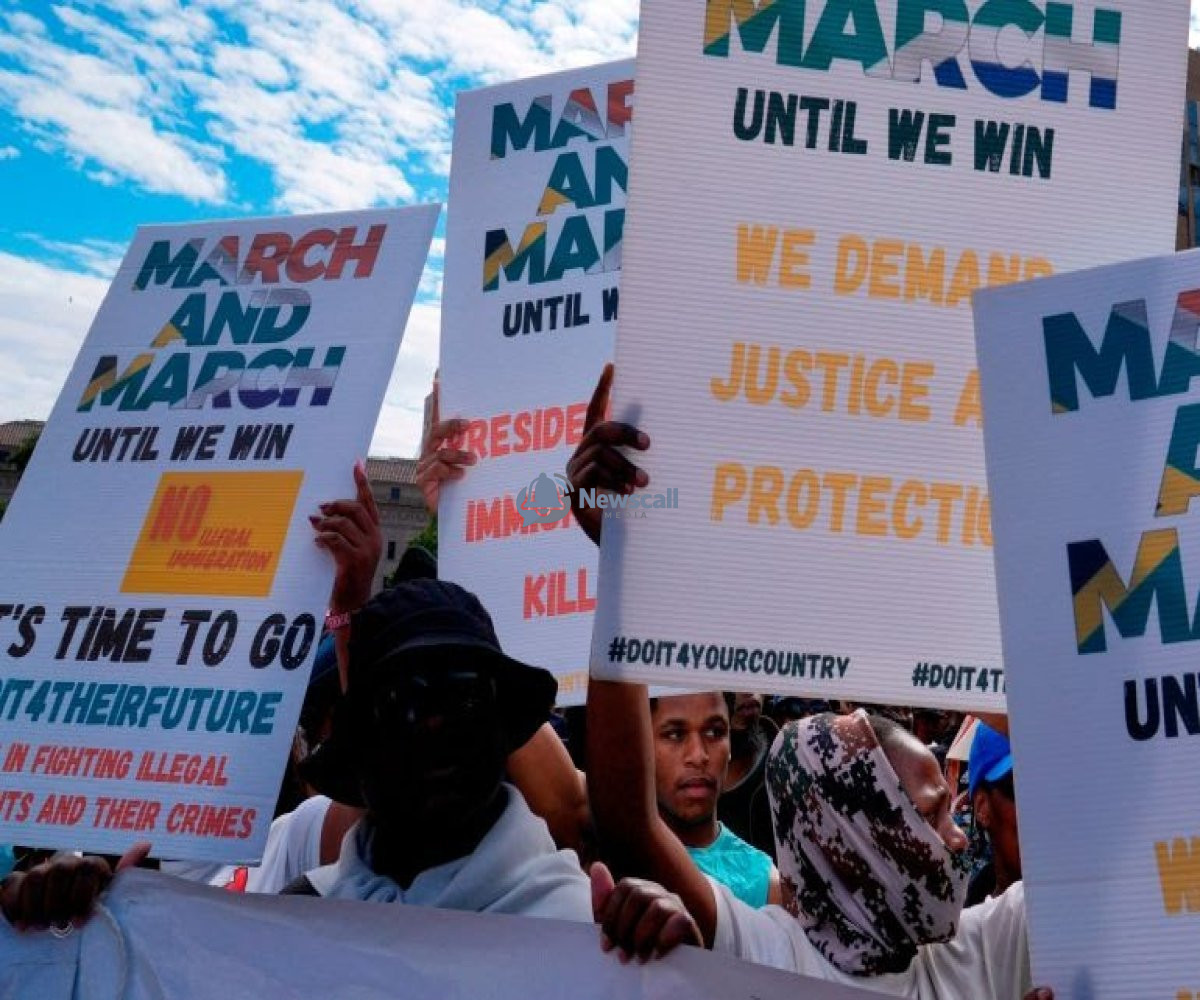
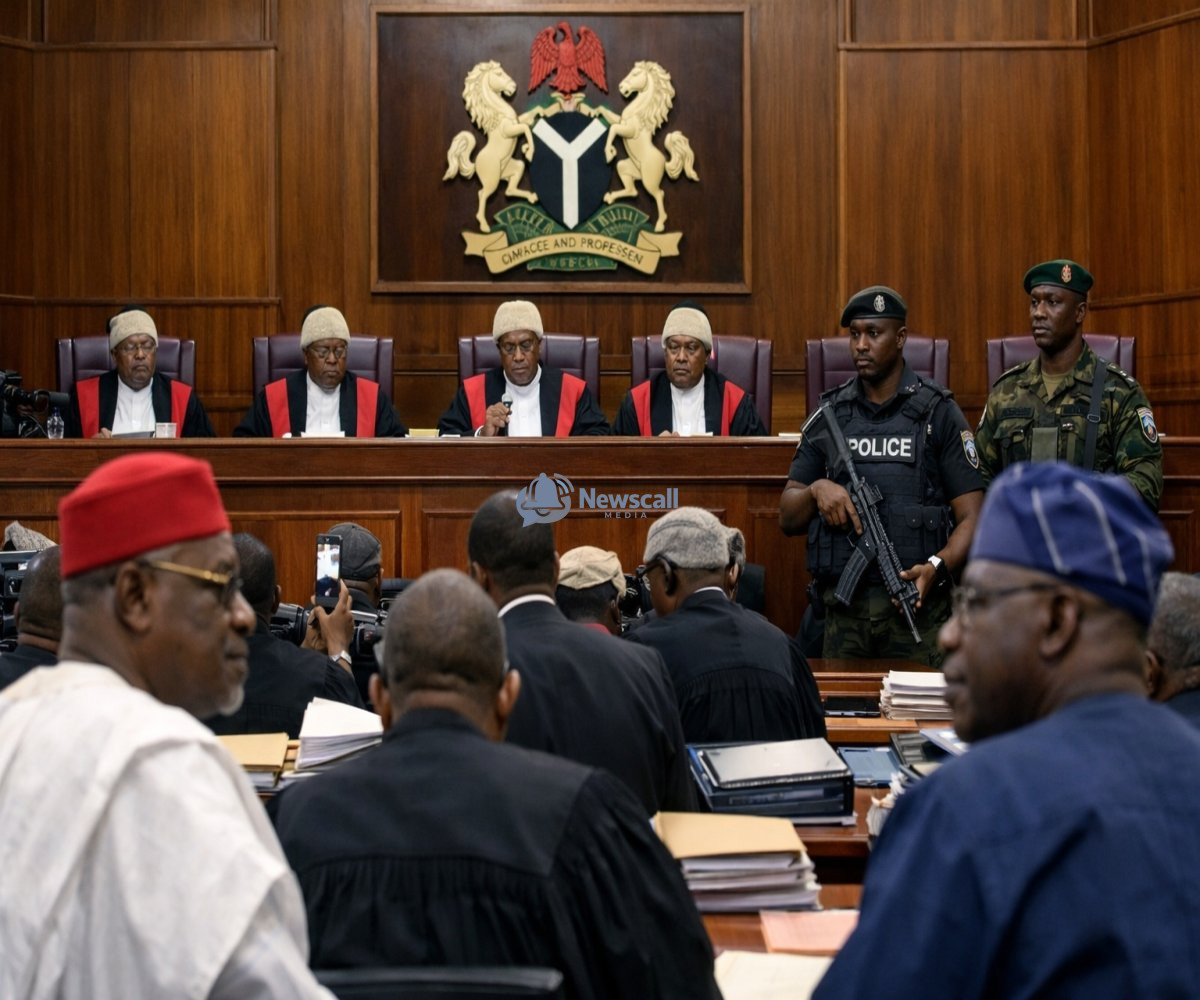
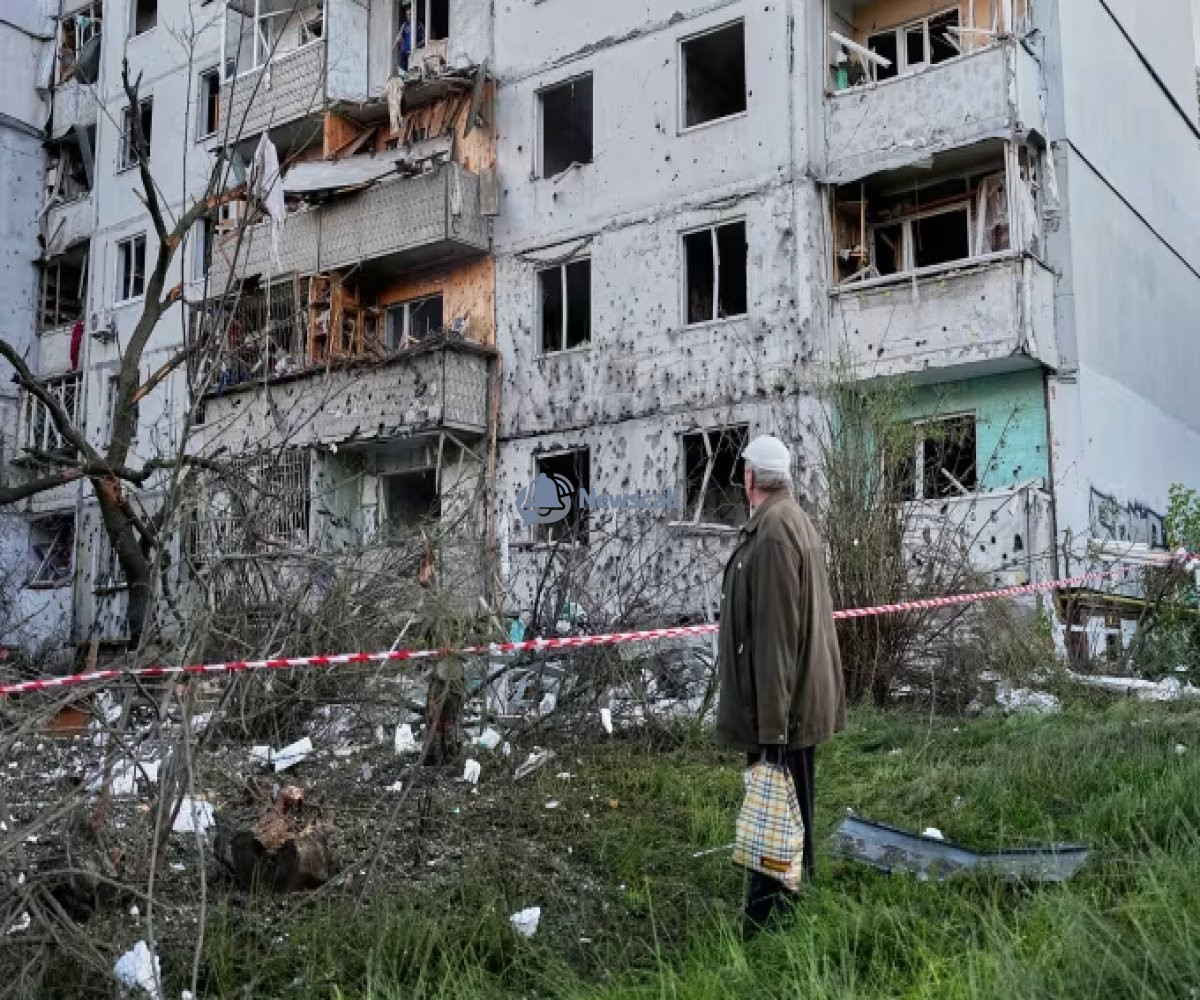
Tensions between Nigeria and South Africa are flaring up once more. This week, Nigeria started flying hundreds of its citizens back home from South Africa, following a fresh wave of violent anti-immigrant protests. Nigerian officials are furious, accusing South Africa of not doing enough to stop the attacks including the deaths of at least two Nigerian men.
One of them, Amaramiro Emmanuel, was allegedly beaten to death by South African soldiers in April. Another, Ekpenyong Andrew, was arrested in Pretoria and later found dead in a mortuary. Nigeria’s foreign minister, Bianca Odumegwu-Ojukwu, says Nigerians with legal status are being harassed, their shops looted, and their kids too scared to go to school.
She reminded South Africa that Nigeria stood with them during the anti-apartheid struggle something her own generation protested and got arrested for. Now, she says, retaliatory measures are “on the table,” though no final decision has been made.
South African President Cyril Ramaphosa has announced tougher rules: employers who hire undocumented migrants could face jail time, new courts will speed up deportations, and a biometric database is coming. But he also warned South Africans not to take the law into their own hands.
Still, grassroots groups like Operation Dudula and March and March are pushing hard. They’ve set a June 30 deadline for all “irregular” foreigners to leave, with some online posts threatening bloodshed.
This isn’t the first time. Similar waves of attacks happened in 2008, 2015, and 2019. This time, Ghana and Mozambique have also started bringing their people home. Ghana says it’s already repatriated over 1,000 citizens.
Underneath it all is a painful reality: South Africa’s high unemployment and deep inequality legacies of apartheid are being aimed at foreigners, especially from other African nations, who are often scapegoated for problems they didn’t create.

Umeanozie Prosper
Writer, Novelist,blogger, content creator