

“Strait of Hormuz Shuts Again: US–Iran Tensions Ignite Global Oil shock
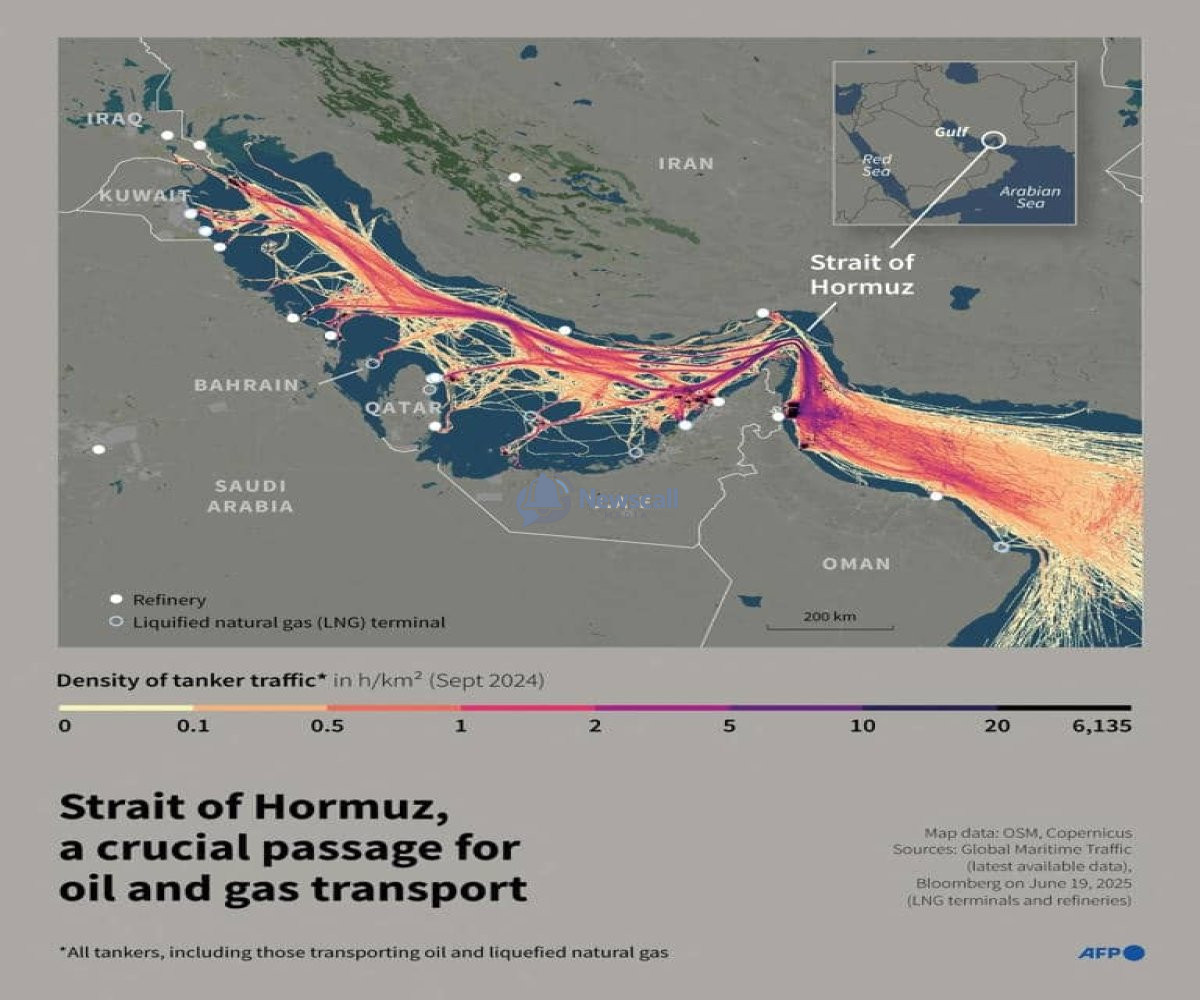
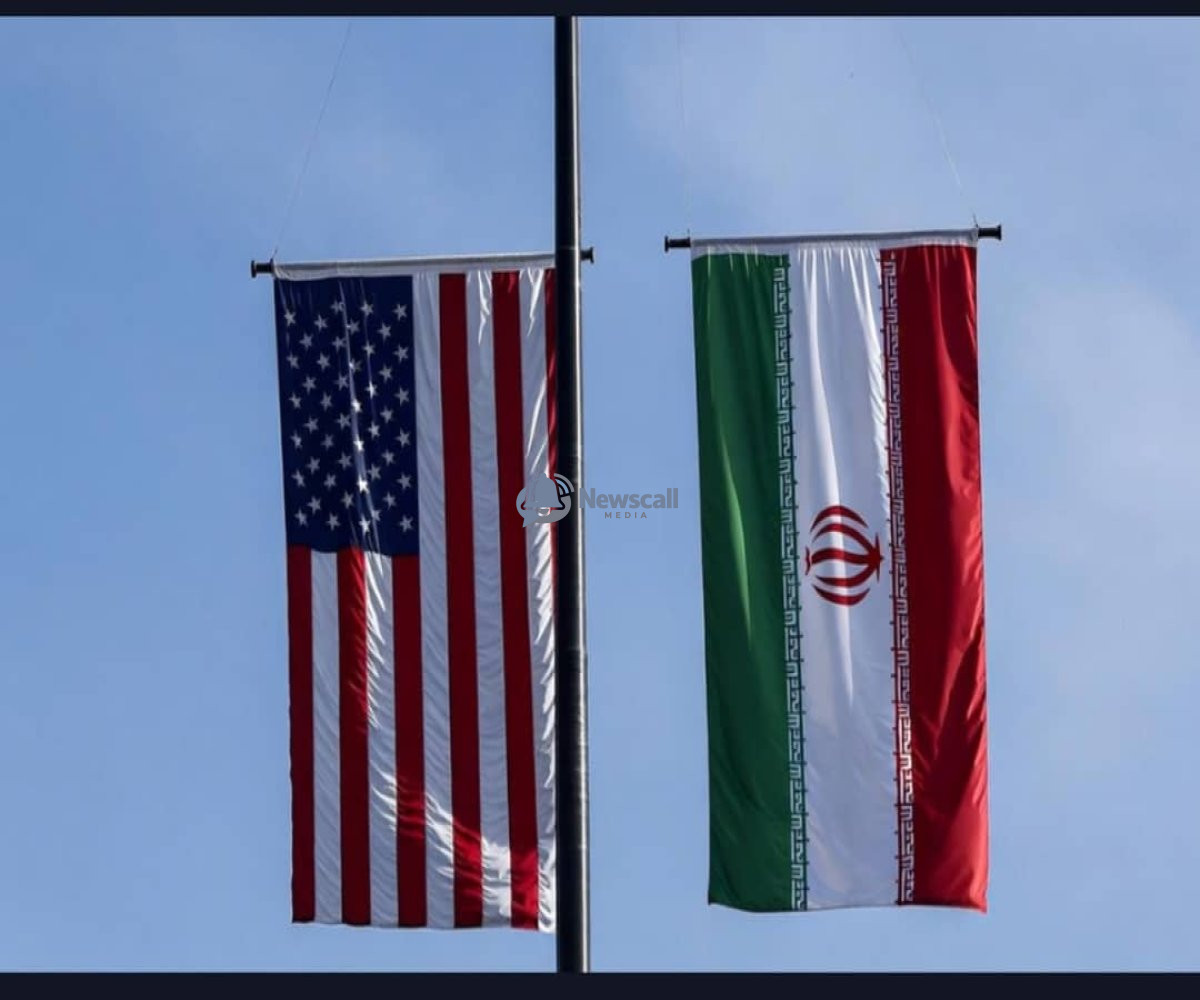
The fragile ceasefire between the United States and Iran has been thrown into fresh uncertainty after Tehran announced the closure of the Strait of Hormuz on Sunday, just one day after reopening the vital shipping lane. The move came in response to the US Navy’s interception and seizure of an Iranian-flagged cargo ship in the Sea of Oman, which Iranian officials condemned as a violation of the truce agreed earlier this month.
The Strait of Hormuz, a narrow waterway linking the Persian Gulf with the Gulf of Oman, is one of the most strategically important maritime passages in the world. Roughly one-fifth of global oil supplies pass through it daily. Any disruption immediately reverberates across international markets, and Sunday’s announcement was no exception. Oil prices surged to their highest levels in months, with Brent crude climbing above $95 per barrel, raising concerns about inflationary pressures worldwide.
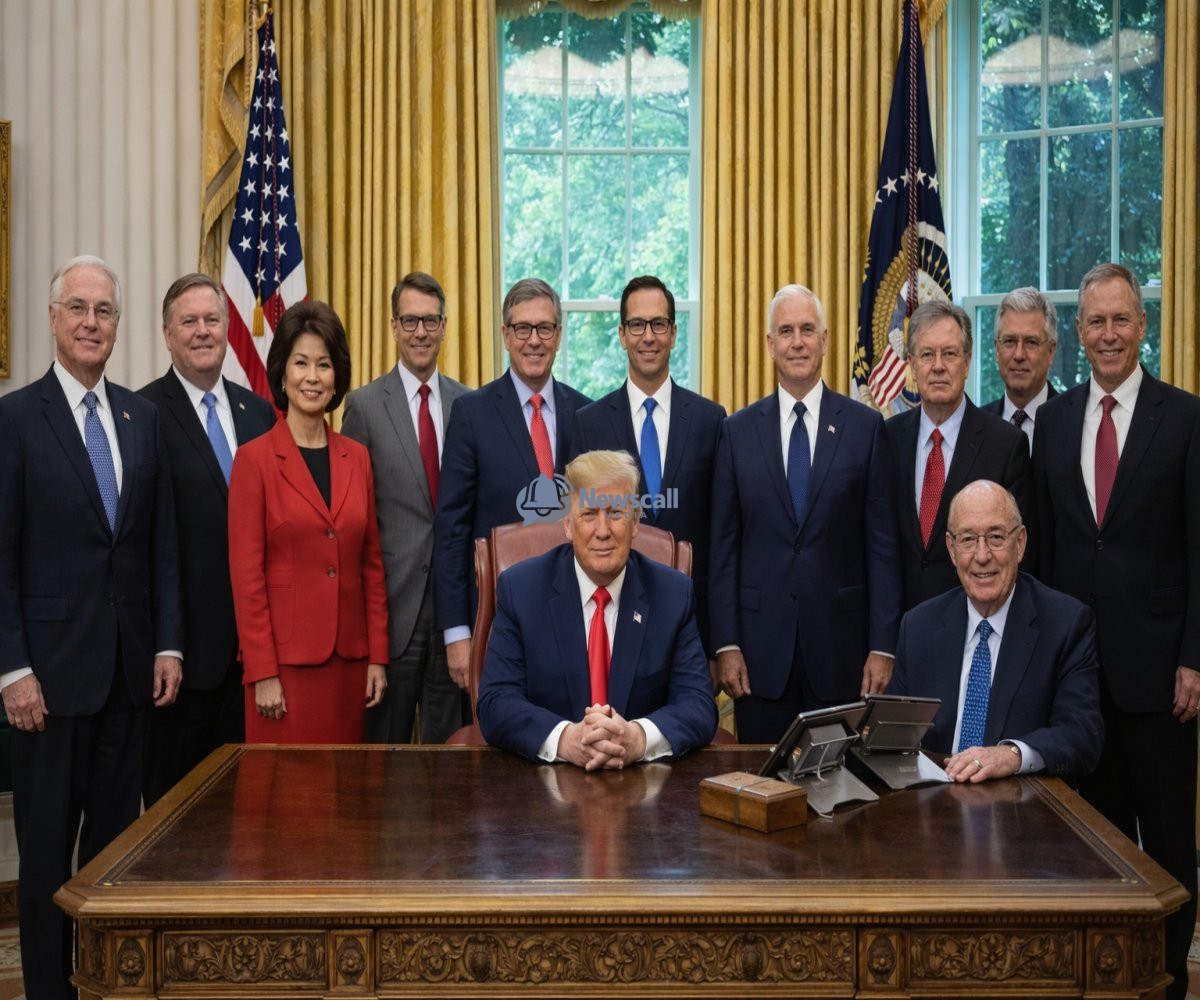
Iran’s foreign ministry accused Washington of “provocative actions” and warned that the seizure of its vessel undermined efforts to stabilize the region. The US, however, defended the operation, claiming the ship was transporting materials in violation of international sanctions. President Donald Trump, speaking from Washington, insisted that the United States “will not tolerate illegal shipments that fund aggression,” while reiterating his administration’s commitment to protecting global trade routes.
The renewed closure of the Strait has alarmed global leaders. The European Union called for “urgent restraint” and urged both sides to return to dialogue. The United Nations Secretary-General echoed these concerns, warning that “continued escalation risks a wider regional conflict with devastating humanitarian consequences.”
Meanwhile, Israel has continued its military operations in Lebanon, striking targets it claims are linked to Hezbollah. Civilian casualties have mounted, further complicating the fragile ceasefire framework. Analysts argue that the overlapping conflicts in the Middle East are creating a volatile environment where even minor incidents can spiral into broader confrontations.
For countries like Nigeria, the implications are mixed. As a major oil exporter, Nigeria stands to benefit from higher crude prices, potentially boosting government revenues. However, the surge also threatens to increase domestic fuel costs, placing additional strain on households and businesses already grappling with inflation. Economists warn that while short-term gains may appear attractive, long-term instability in global energy markets could undermine economic planning.
The aviation sector has also been affected. Iran’s civil aviation authority announced that international flights from Mashhad airport would resume on April 20, signaling a cautious attempt to normalize travel despite the ongoing crisis. Yet airlines remain wary, with many carriers avoiding Iranian airspace due to security risks.
As the ceasefire nears expiration, the world watches anxiously. Diplomats are scrambling to salvage peace talks, but trust between Washington and Tehran appears to be eroding rapidly. The coming days will be critical in determining whether the region steps back from the brink or plunges deeper into conflict.
Conclusion:
The Strait of Hormuz remains a flashpoint with global consequences. For policymakers, businesses, and ordinary citizens alike, the unfolding US–Iran confrontation is more than a distant geopolitical drama—it is a crisis that touches fuel prices, trade stability, and the fragile balance of international peace.

OKORO WILSON EGWU
“Independent journalist delivering sharp, reporting on global conflicts, humanitarian crises, and international diplomacy. Known for transforming complex world events into...