

10 Technologies That Will Change Your Life Within 5 Years
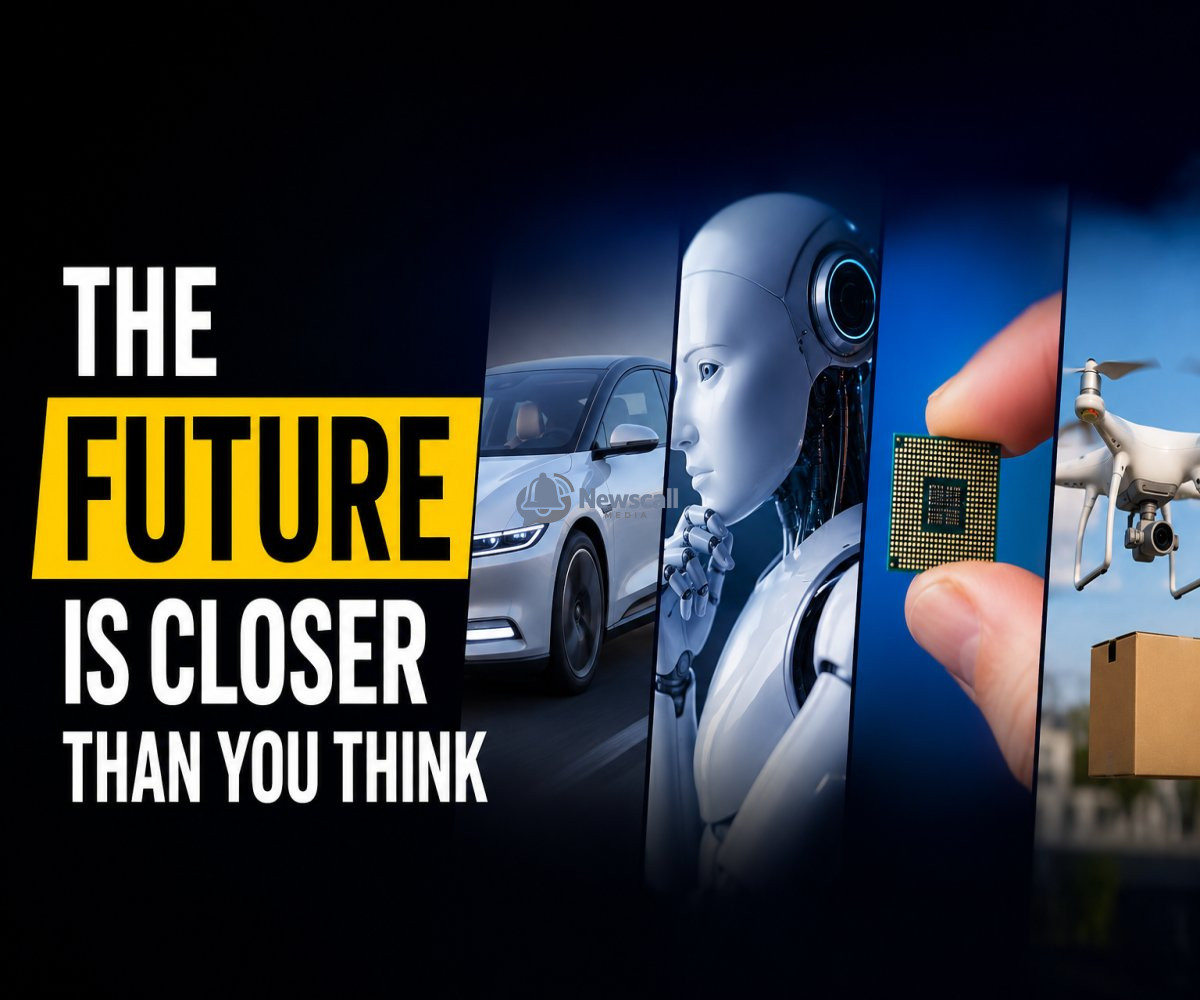
The future often arrives quietly.
Most people imagine world-changing technology as something dramatic—a breakthrough announced on a stage, a futuristic gadget, or a scientific discovery that instantly transforms society. In reality, the technologies that shape our lives tend to arrive gradually, integrating themselves into our routines until we can no longer imagine living without them.
Five years ago, few people predicted how deeply artificial intelligence would become woven into everyday life. Today, AI assists with work, education, customer service, content creation, and countless daily tasks.
The next five years may bring even greater changes.
1. Artificial Intelligence (AI)
Artificial intelligence is expected to become far more personal and capable. Instead of simply answering questions, future AI systems may function as digital assistants that manage schedules, conduct research, handle repetitive tasks, and help people make better decisions. The line between software and personal assistant is becoming increasingly blurred.
2. Wearable Health Technology
At the same time, wearable technology is evolving beyond counting steps and tracking heart rates. Future devices may monitor stress levels, detect health conditions earlier, and provide real-time insights that help individuals maintain healthier lifestyles. Healthcare could become more preventive than reactive.
3. Autonomous and Smart Transportation
Transportation is also on the verge of significant transformation. Advances in autonomous driving technology continue to move forward, and while fully self-driving vehicles may not dominate roads immediately, many cars will become increasingly capable of handling navigation, parking, and safety functions with minimal human input.
4. Smart Home Ecosystems
Inside homes, intelligence is becoming embedded into everyday objects. Smart homes are expected to become more proactive rather than reactive. Instead of waiting for commands, devices will learn habits, anticipate needs, and coordinate with one another automatically. Lighting, climate control, security, and entertainment systems may operate as a unified ecosystem designed around individual preferences.
5. Workplace Automation Tools
The workplace is changing as well. Automation tools are becoming more accessible, allowing businesses of all sizes to streamline operations and improve productivity. Tasks that once required hours of manual effort can increasingly be completed in minutes through intelligent software solutions.
6. Augmented Reality (AR)
Augmented reality could become another major part of daily life. Rather than replacing smartphones overnight, AR technology may enhance how people interact with information, navigation systems, education platforms, and shopping experiences. Digital information could appear seamlessly within the physical world.
7. Financial Technology (FinTech)
Meanwhile, advances in financial technology are making transactions faster, safer, and more accessible. Digital payment systems continue to evolve, reducing dependence on cash while creating new opportunities for global commerce and financial inclusion.
8. Energy Innovation and Smart Power Systems
Energy innovation is also gaining momentum. More efficient batteries, smarter power grids, and renewable energy technologies are becoming increasingly practical and affordable. These developments could reshape how households and businesses consume and manage electricity.
9. Quantum Computing
Perhaps one of the most exciting developments is occurring behind the scenes. Quantum computing, while still in its early stages, has the potential to solve problems that traditional computers struggle to handle. Although most people may never directly interact with a quantum computer, its impact could influence everything from medicine and logistics to cybersecurity and scientific research.
10. Biotechnology and Genetic Medicine
Finally, biotechnology is opening doors that once seemed impossible. Researchers are developing new approaches to disease treatment, genetic medicine, and personalized healthcare. These innovations may dramatically improve quality of life and extend human longevity in the years ahead.
Predicting the future has always been difficult. Some technologies will advance faster than expected, while others may take longer to reach widespread adoption. What remains certain is that innovation continues to accelerate.
The next five years will not simply introduce new gadgets. They will reshape how people work, communicate, travel, learn, manage their health, and interact with the world around them.
The future is not coming someday.
It is already taking shape around us.

Victor Oluebubechukwu Akuma.
Creative writer