Why Foldable Phones Are Finally Becoming Mainstream
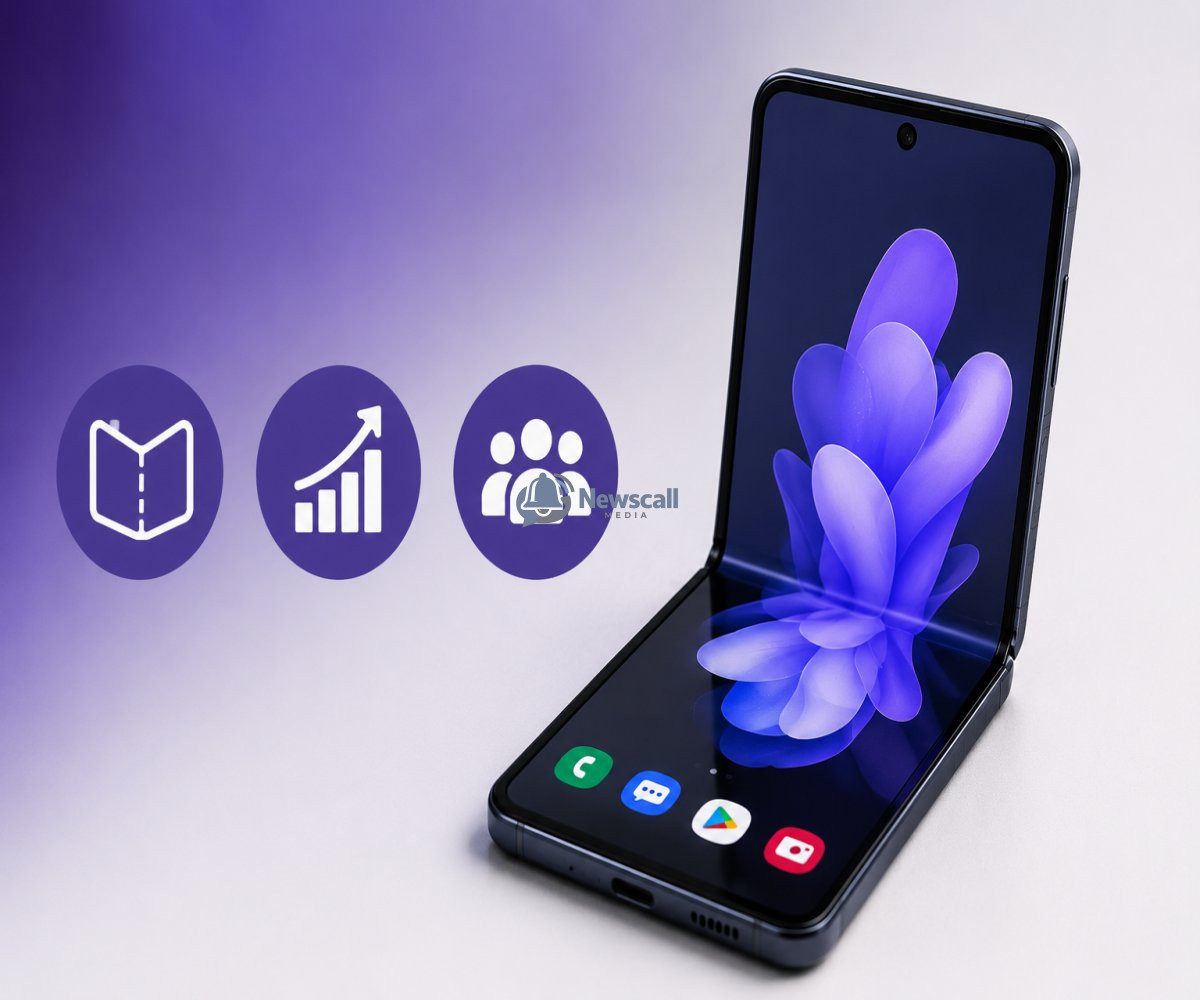
For years, foldable smartphones felt like a glimpse into the future rather than a practical device for everyday use.
They generated excitement whenever a new model was announced, attracted attention for their unique designs, and showcased impressive engineering. Yet despite all the hype, most consumers continued to choose traditional smartphones. Foldables were often seen as expensive experiments rather than serious alternatives.
That perception is beginning to change.
What once appeared to be a niche category is steadily moving toward the mainstream. Manufacturers are investing heavily in foldable technology, consumer interest is growing, and the devices themselves have become significantly more refined than their earliest versions.
The first generation of foldable phones faced several challenges. Concerns about durability, visible screen creases, battery performance, and high prices made many buyers hesitant. Early adopters were willing to take the risk, but the average consumer remained unconvinced.
Over time, those weaknesses have been addressed.
Modern foldable devices feature stronger hinges, more durable display materials, improved water resistance, and software specifically designed to take advantage of flexible screens. The technology has matured to a point where foldable phones are no longer viewed as fragile prototypes.
One of the biggest reasons for their growing popularity is simple: people want larger screens without carrying larger devices.
Consumers spend more time than ever watching videos, browsing the web, gaming, attending virtual meetings, and multitasking on their smartphones. Foldable devices provide tablet-like screen space while remaining compact enough to fit comfortably into a pocket.
This combination of portability and
productivity has become increasingly attractive to professionals, content creators, and everyday users alike.
Software has also played a critical role in the rise of foldables. A larger screen means little if applications cannot take advantage of it. Developers have gradually optimized apps for multitasking, split-screen functionality, and seamless transitions between folded and unfolded modes.
As a result, the user experience feels more natural and practical than it did just a few years ago.
Another factor driving adoption is market maturity. New technologies often follow a familiar cycle. They begin as expensive innovations for enthusiasts before becoming more affordable and accessible over time. Foldable phones are entering this stage of their evolution.
Competition among manufacturers is increasing, leading to better designs, improved features, and more competitive pricing. As costs continue to decrease, foldable devices become realistic options for a much larger audience.
The shift also reflects a broader challenge facing the smartphone industry.
Traditional smartphone designs have reached a level of maturity where yearly improvements often feel incremental. Faster processors and better cameras remain important, but they no longer create the same excitement they once did.
Foldable technology offers something different. It represents one of the few truly transformative changes in smartphone design seen in recent years.
Looking ahead, foldables may not remain limited to premium devices. As manufacturing processes improve and production scales increase, flexible displays could become common across multiple price ranges. Future models may become thinner, lighter, more durable, and even more versatile.
Some industry experts believe foldable technology could eventually influence the design of tablets, laptops, wearable devices, and entirely new categories of consumer electronics.
Whether foldable phones ultimately replace traditional smartphones remains uncertain. What is clear, however, is that they are no longer experimental products reserved for technology enthusiasts.
They have crossed an important threshold.
Foldable phones are moving from curiosity to practicality, from innovation to adoption, and from the future into the present.
The question is no longer whether foldable phones have a place in the market.
The question is how quickly they will become part of everyday life.

Victor Oluebubechukwu Akuma.
Creative writer