

2027 Opposition Coalition Shows Early Cracks as Atiku, Obi, Kwankwaso Camps Drift Apart
2027 Opposition Coalition Shows Early Cracks as Atiku, Obi, Kwankwaso Camps Drift Apart
Nigeria’s opposition movement ahead of the 2027 presidential election is already facing serious internal divisions, raising concerns that the same political fragmentation that benefited President Bola Ahmed Tinubu in 2023 could repeat itself.
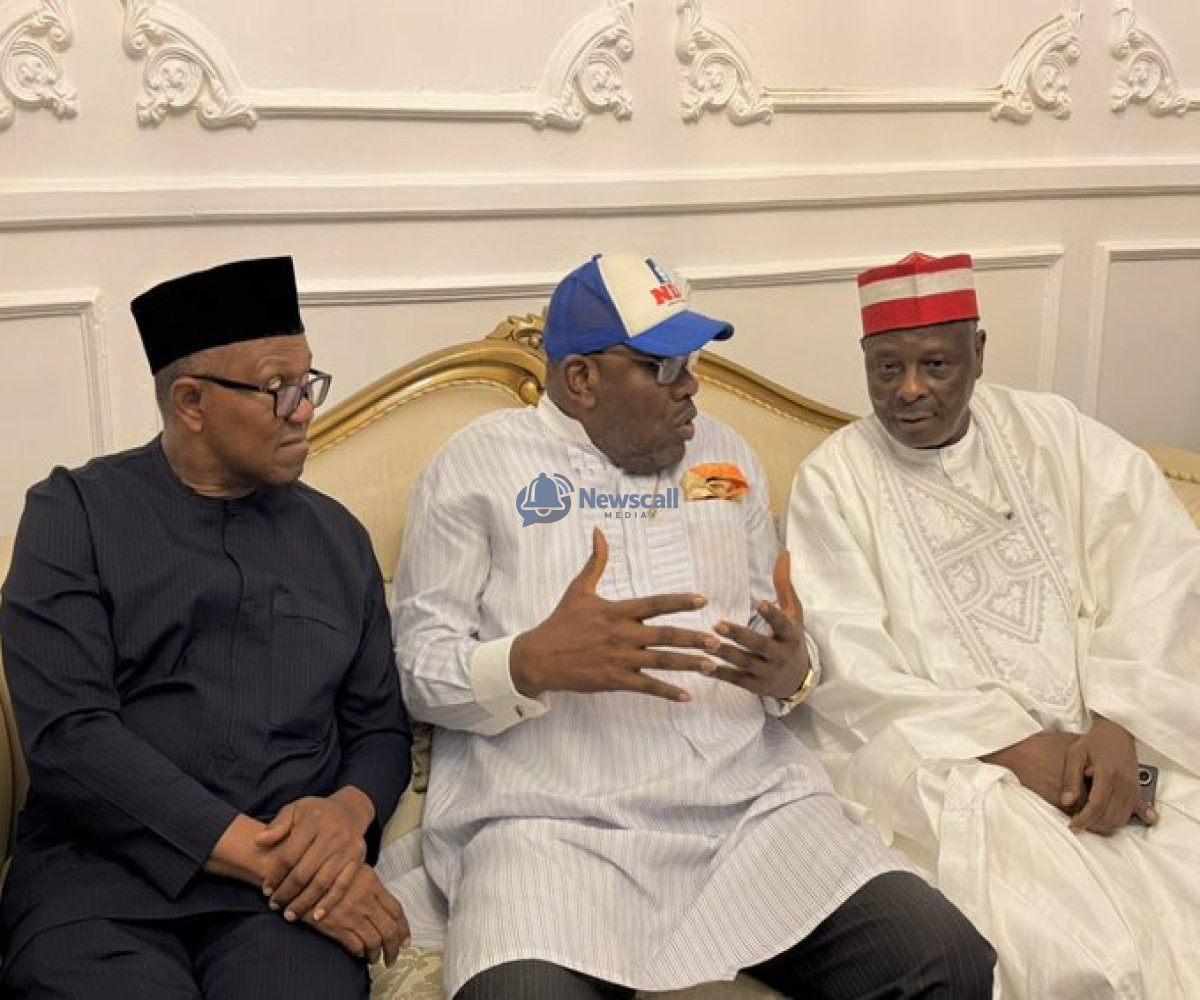
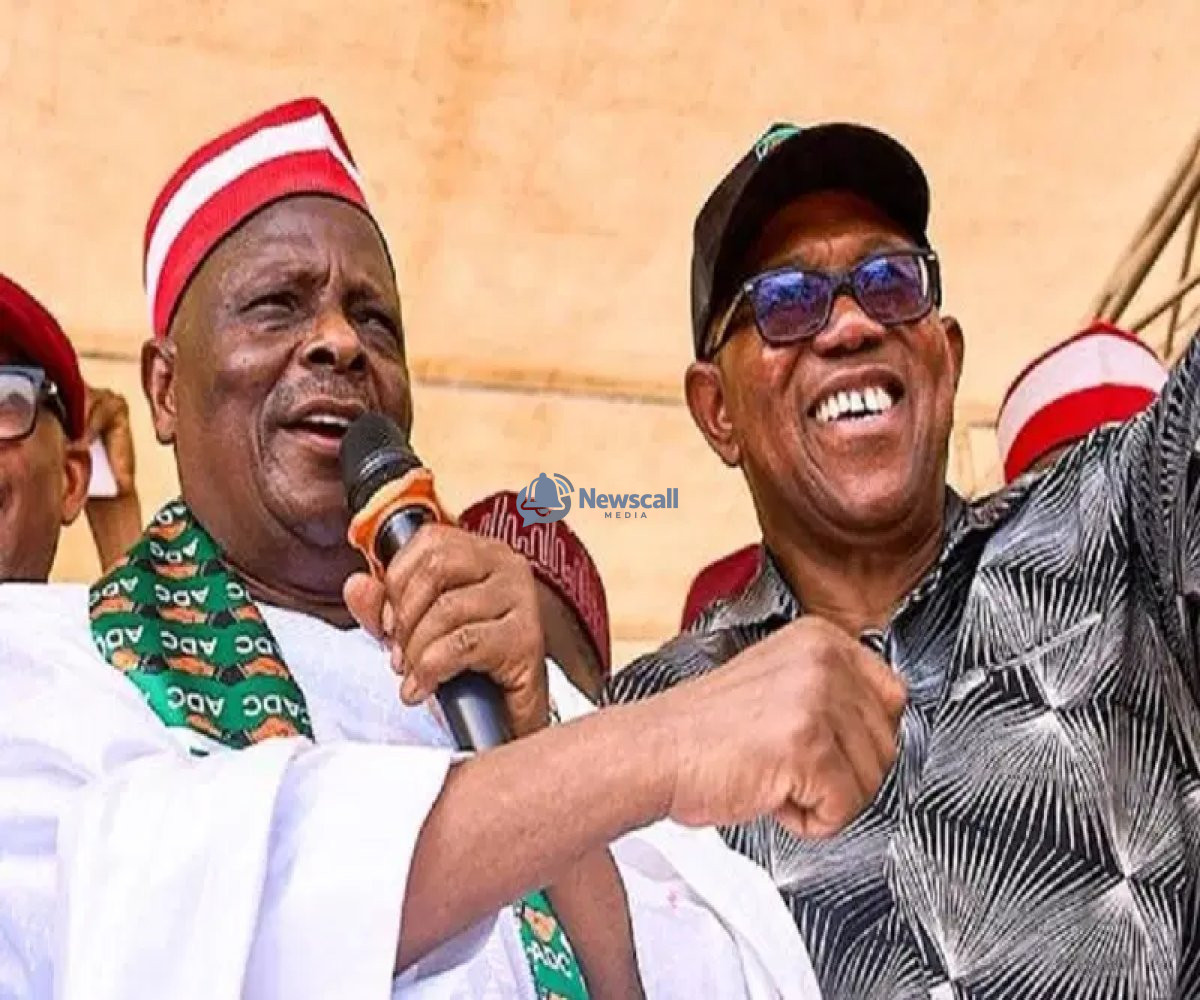
What began as a promising effort to unite major opposition figures against the ruling All Progressives Congress (APC) has quickly deteriorated into rivalry, distrust, and competing political calculations. The latest crisis followed the decision of Peter Obi and Rabiu Musa Kwankwaso to leave the African Democratic Congress (ADC) coalition arrangement and align with the National Democratic Congress (NDC), creating uncertainty over the possibility of a unified opposition platform.
The development has intensified fears among opposition supporters who believe divisions within the anti-APC bloc may once again strengthen Tinubu’s path to re-election.
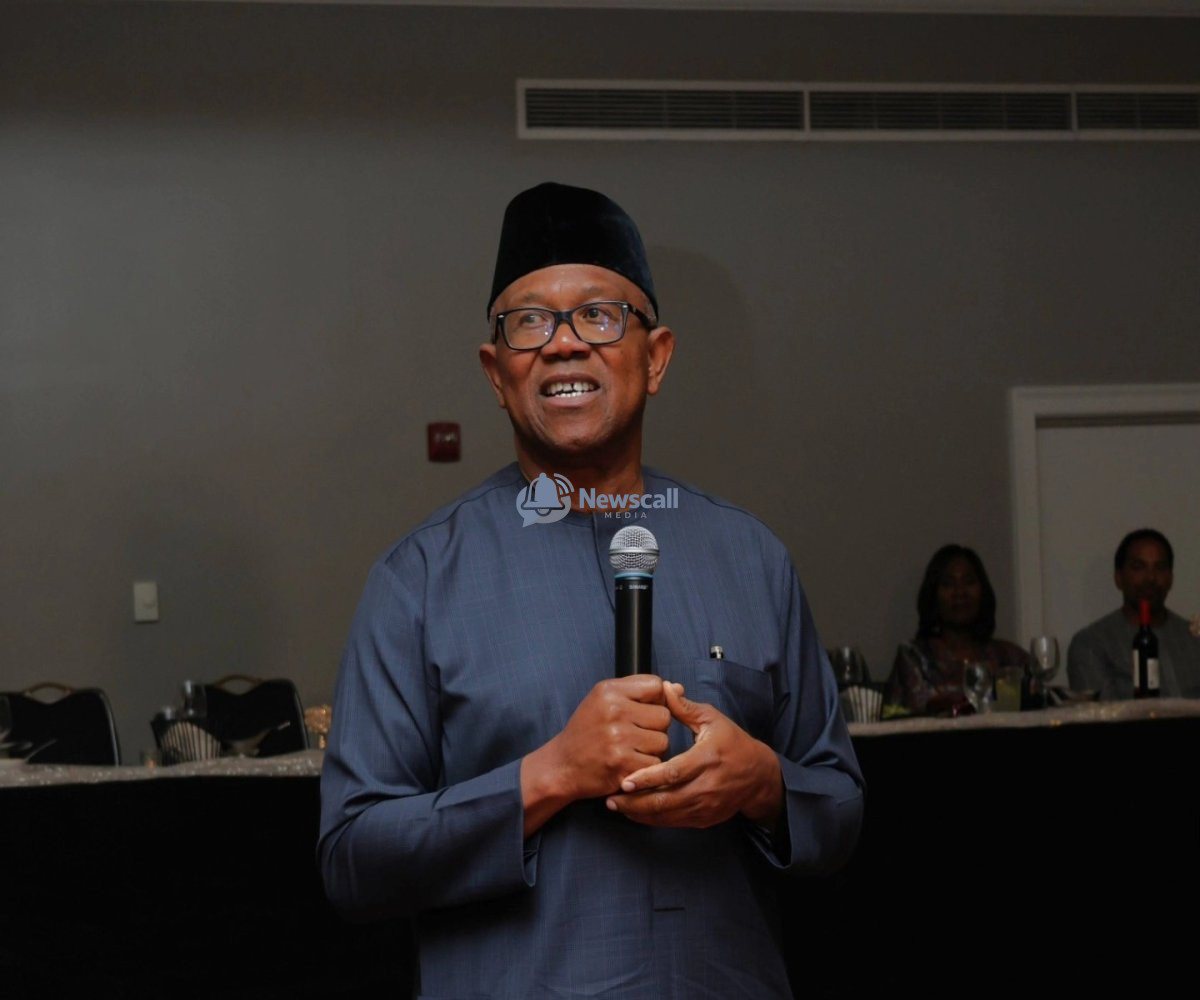
The growing tensions became more visible after former Senator Dino Melaye mocked Obi on social media, claiming the former Labour Party presidential candidate could only operate in an “air-conditioned kitchen” and was unwilling to endure difficult political battles. While the remark generated public debate online, it also reflected deeper fractures within the opposition coalition.
Only weeks earlier, opposition leaders had gathered in Ibadan during a summit aimed at building a united front ahead of 2027. The meeting produced what participants described as the “Ibadan Declaration,” a commitment to cooperate politically and resist what many speakers called the growing dominance of a one-party system under the APC government.
At the time, the summit created optimism among Nigerians frustrated with economic hardship, inflation, insecurity, and rising living costs. Many believed opposition leaders had finally learned from the mistakes of the 2023 election.
However, that optimism faded almost immediately after Obi and Kwankwaso distanced themselves from the ADC coalition structure.
According to reports from figures aligned with the Obi-Kwankwaso camp, tensions had been growing internally over leadership control, candidate selection, and concerns that former Vice President Atiku Abubakar’s political camp held excessive influence within the coalition.
One statement attributed to sympathizers of the bloc claimed the coalition became difficult to manage after allegations emerged that Atiku viewed the arrangement as his political structure.
Although Atiku’s allies denied suggestions that the coalition had collapsed completely, the exits of Obi and Kwankwaso significantly altered the opposition landscape. Instead of a single broad coalition, the opposition now appears divided into multiple camps with separate ambitions and political strategies.
The divisions are especially significant because of the lingering impact of the 2023 presidential election.
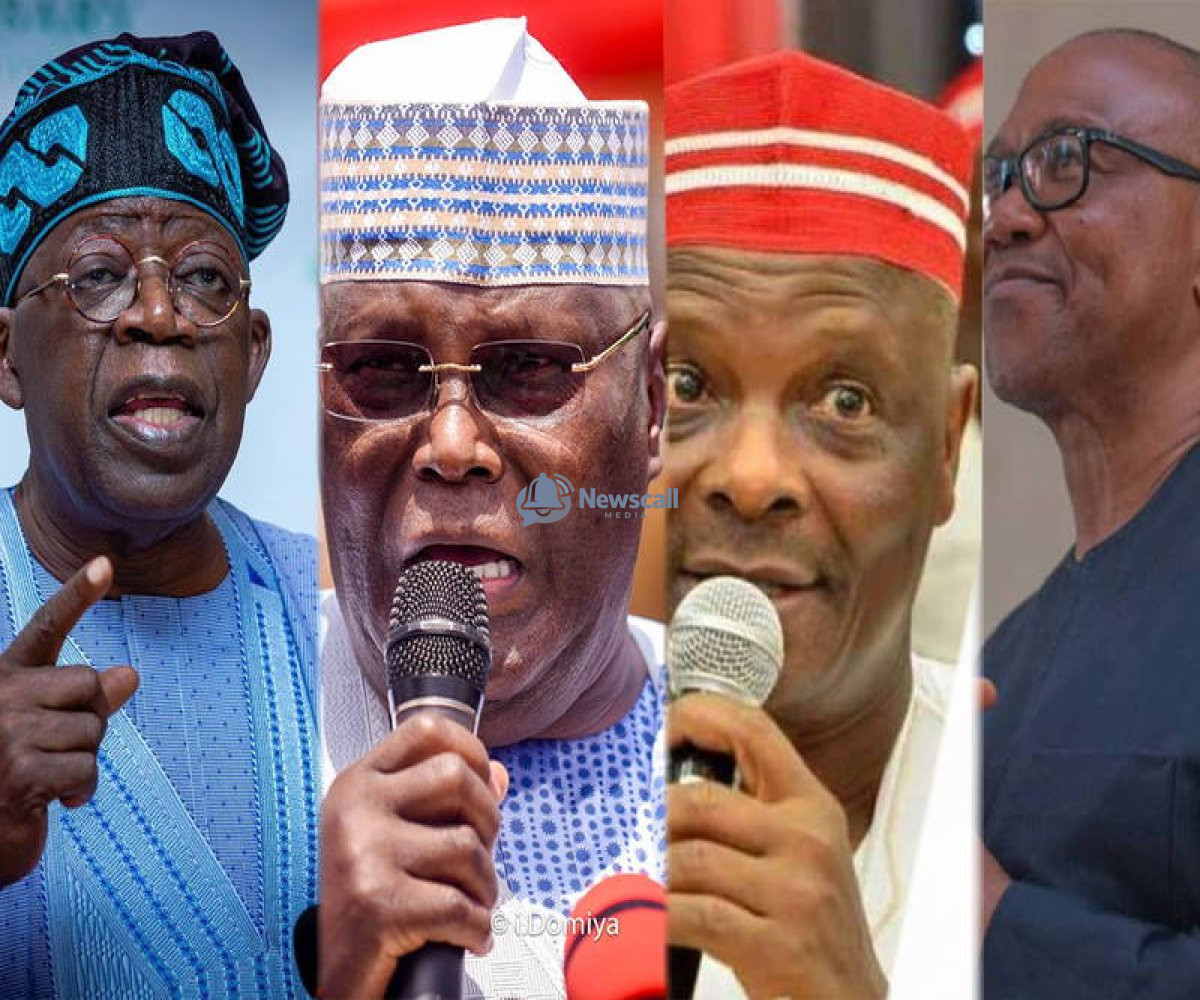
In that election, Tinubu secured about 8.79 million votes to emerge president, while Atiku won roughly 6.98 million votes and Obi received about 6.10 million votes. Kwankwaso also secured approximately 1.5 million votes, mainly from Kano and parts of the North-West.
Combined, the major opposition candidates attracted more votes than Tinubu. However, Nigeria’s electoral system rewarded the candidate with stronger nationwide political structures, broader regional spread, and better coordination across states.
The APC also benefited from low voter turnout and a fragmented opposition field.
Since then, many opposition supporters have argued that a united ticket could have produced a different outcome in 2023. That belief has continued shaping political discussions ahead of 2027.
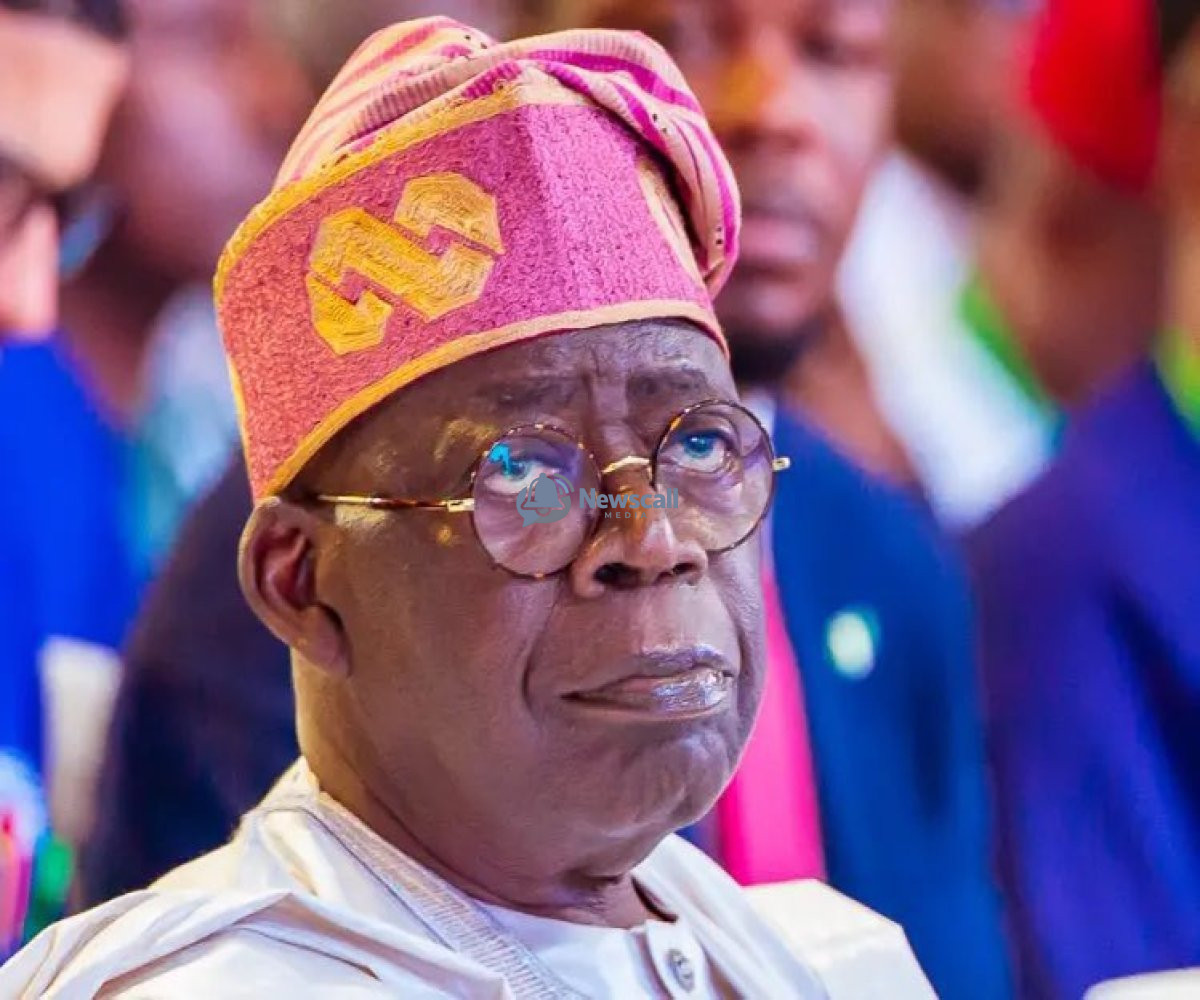
The ruling APC has already begun using the latest opposition crisis to reinforce its political advantage. Presidential spokesman Bayo Onanuga criticised Obi for allegedly avoiding difficult political contests and moving between political platforms whenever internal pressure increases.
The APC’s position reflects growing confidence within ruling party circles that opposition disunity could once again weaken any serious challenge to Tinubu’s re-election ambitions.
Despite the criticism, Obi’s supporters insist his political appeal comes from grassroots mobilisation, particularly among young and urban voters dissatisfied with traditional elite politics. Kwankwaso also maintains influence through the Kwankwasiyya political movement, especially in Kano and parts of the North-West.
Some opposition figures argue that operating through separate political structures may eventually strengthen future negotiations rather than weaken them. According to this view, the ADC coalition itself already faced internal disputes and instability before the latest defections.
Still, analysts believe the deeper problem goes beyond individual rivalries.
The opposition coalition was largely united by a common desire to challenge the APC government. But once discussions shifted toward practical issues such as zoning, leadership control, candidate selection, and power-sharing arrangements, old tensions resurfaced quickly.
The lack of strong ideological alignment among opposition parties has also complicated coalition-building efforts. While most opposition figures criticise the APC government over economic conditions and insecurity, there remains limited agreement on broader governance priorities or long-term reform strategies.
As a result, much of the political conversation has focused more on defections, alliances, and personal ambitions than on concrete policy alternatives capable of convincing Nigerians that the opposition offers a clearer governing vision.
Meanwhile, Tinubu continues to benefit from the advantages of incumbency, national party structures, and a divided opposition field. Although public dissatisfaction over economic hardship remains high, the opposition still faces the challenge of transforming frustration into a coordinated national political movement.
For now, the fragmentation within the opposition appears to favour the APC. However, Nigerian politics has also shown that alliances can change rapidly when political survival becomes necessary.
Whether opposition leaders can overcome personal rivalries and avoid repeating the mistakes of 2023 may ultimately determine the shape of the 2027 presidential election.

Nwekwe Esther Amarachukwu
Public speaker,Research-driven writer covering politics and public affairs, committed to accuracy, and meaningful public discourse.