

NDC Holds National Convention in Abuja as Obi, Kwankwaso Gain Influence Ahead of 2027
NDC Holds National Convention in Abuja as Obi, Kwankwaso Gain Influence Ahead of 2027
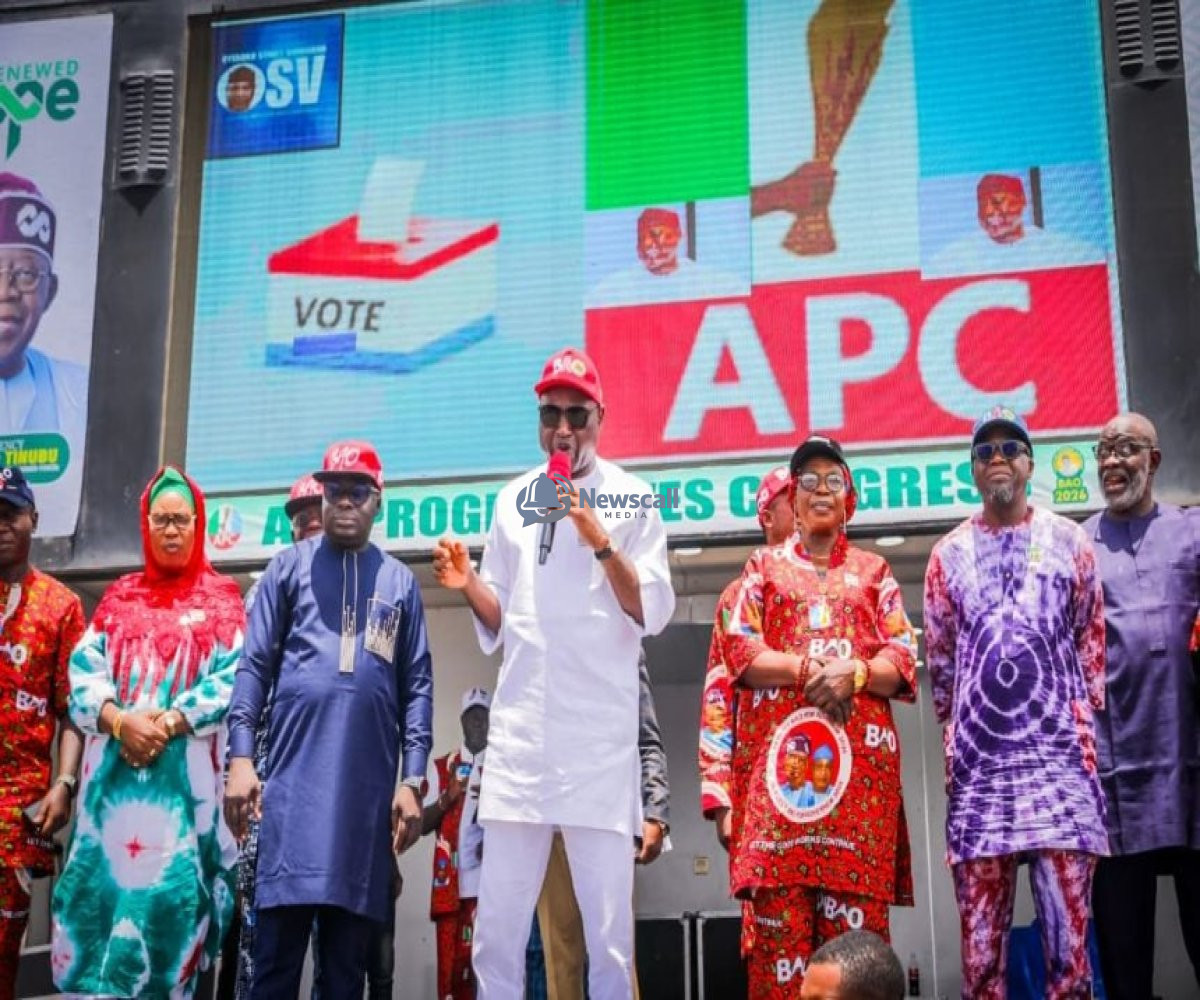
The Nigeria Democratic Congress (NDC) held its national convention in Abuja on Saturday as the party intensified preparations for the 2027 general elections amid growing defections from major opposition parties.
The convention comes at a critical period in Nigeria’s political landscape, with the NDC positioning itself as an emerging force capable of challenging the ruling All Progressives Congress (APC) in the next election cycle. Party leaders say the gathering is aimed at strengthening internal structures, consolidating new political alliances, and preparing for presidential primaries ahead of 2027.
Speaking ahead of the convention, the party’s National Chairman, Moses Cleopas, described the event as an important milestone in the NDC’s long-term political strategy.
According to Cleopas, one of the key activities of the convention is the inauguration of the party’s National Executive Committee (NEC), which will oversee the administration of the party and coordinate preparations for future elections.
The NEC is expected to supervise major party decisions, including the process that will produce presidential, governorship, and legislative candidates ahead of the polls.
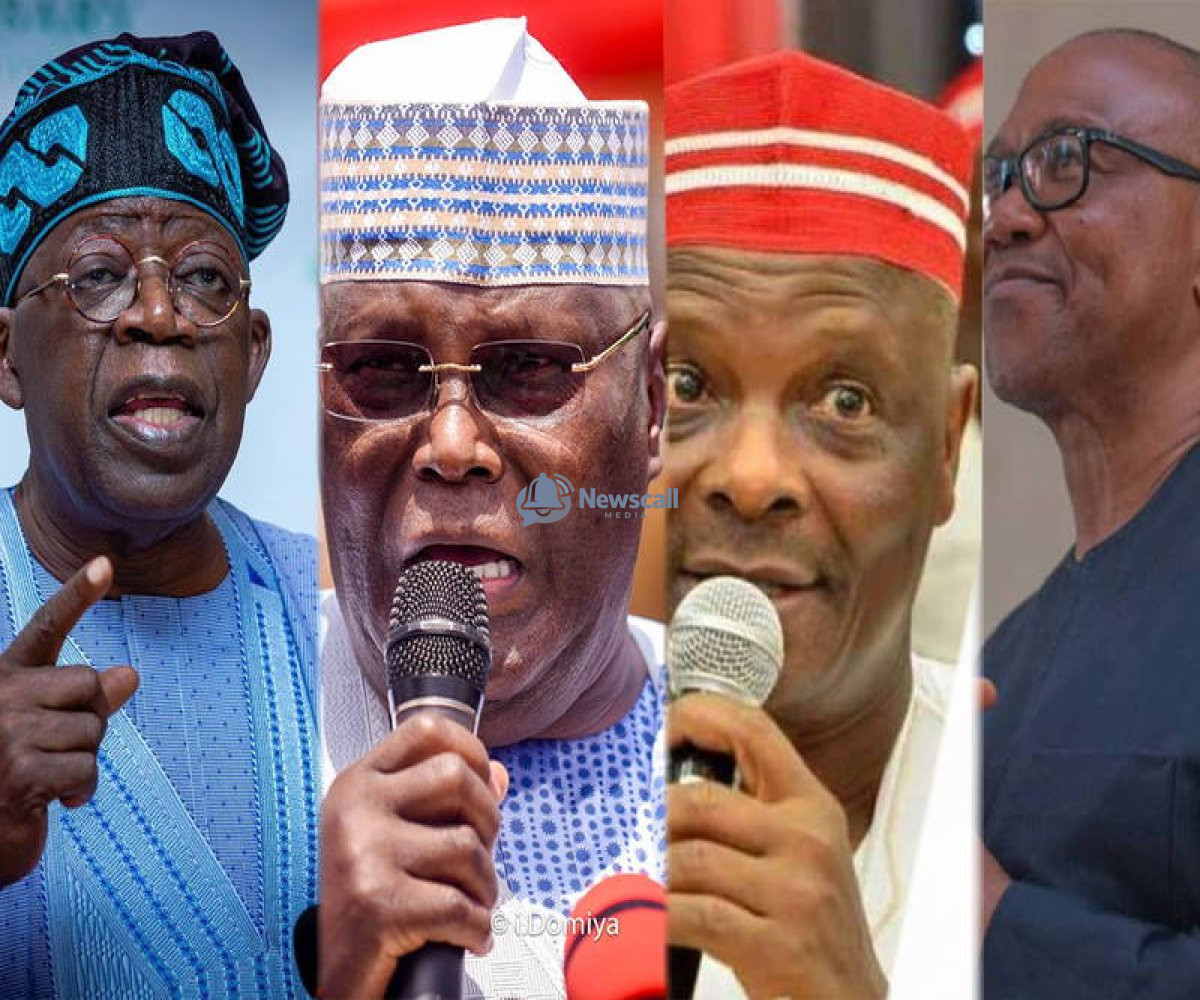
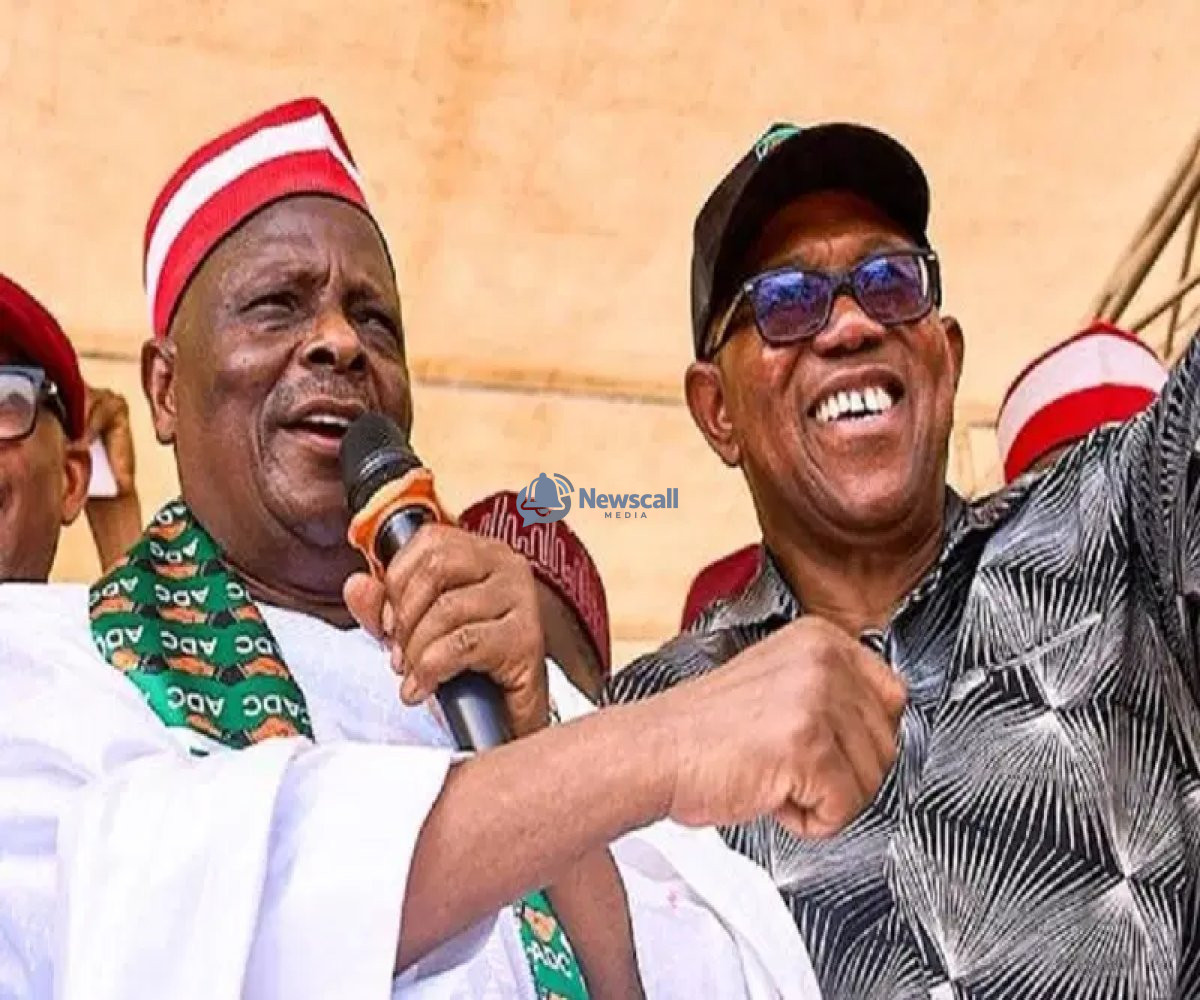
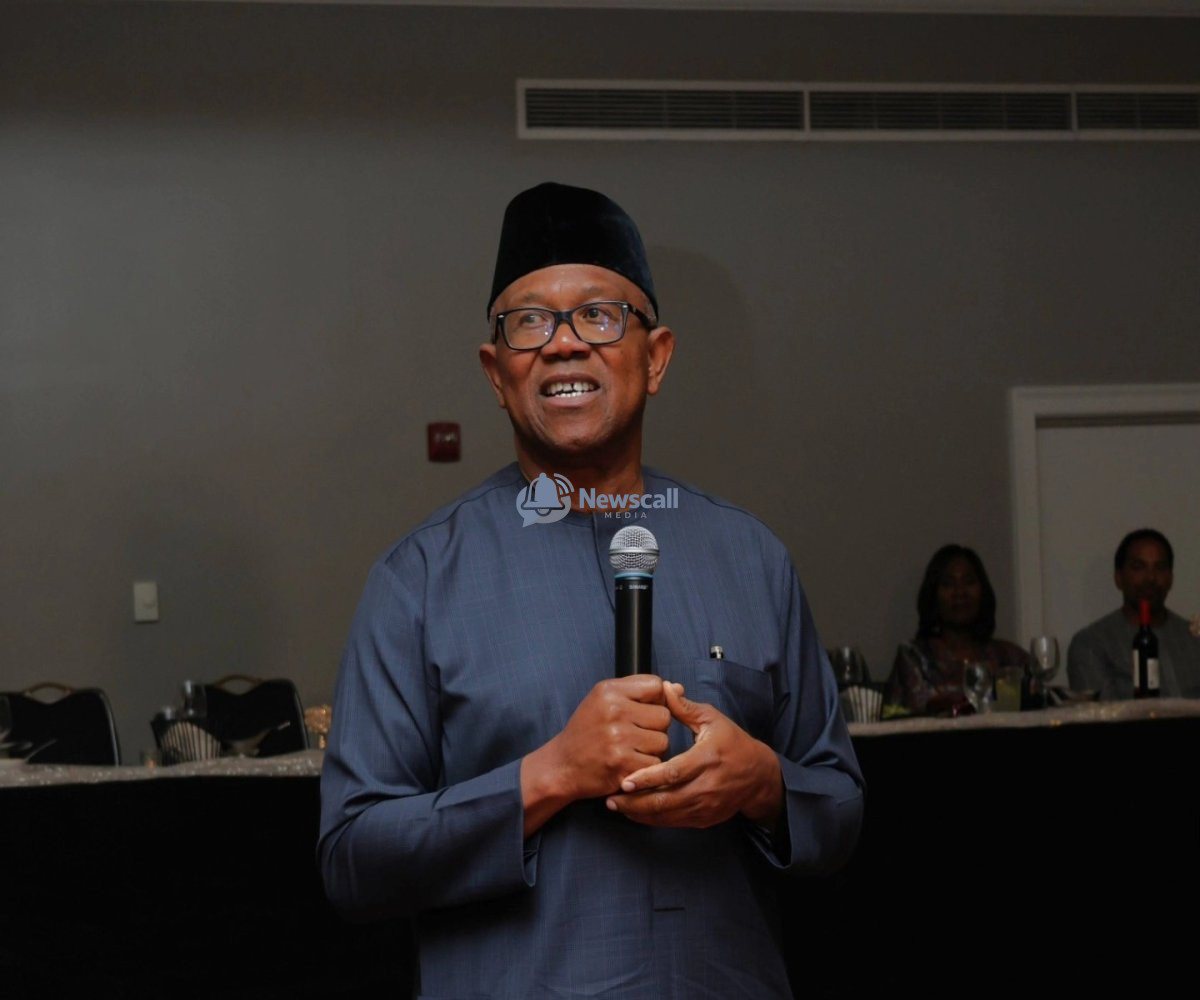
The convention has also attracted national attention because of the increasing influence of former Labour Party presidential candidate Peter Obi and former Kano State governor Rabiu Musa Kwankwaso within the party.
Obi is widely viewed as the leading contender for the NDC presidential ticket, while political discussions within opposition circles have linked Kwankwaso to a possible vice-presidential role. Although neither politician has officially declared their intentions, their growing involvement in the party has significantly raised the NDC’s political profile nationwide.
Their movement into the party followed recent political realignments within the opposition. Obi and Kwankwaso recently defected from the African Democratic Congress (ADC) after internal disagreements and legal uncertainties weakened confidence in the coalition platform.
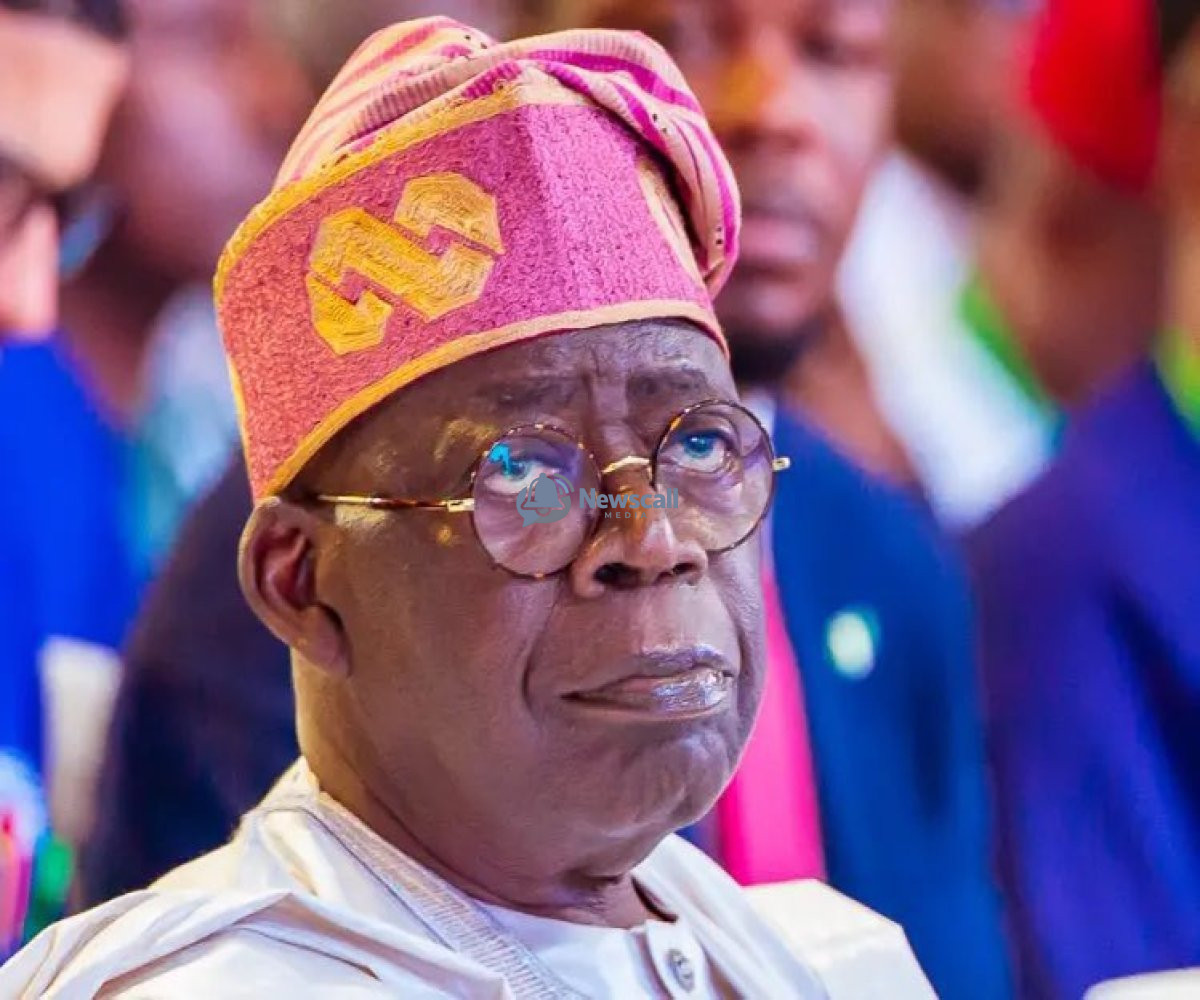
The defections marked a major shift in opposition politics ahead of 2027 and intensified efforts by political actors seeking a stronger platform to challenge President Bola Ahmed Tinubu and the APC government.
Beyond Obi and Kwankwaso, the NDC has also witnessed an influx of lawmakers and influential political figures from different parties.
Reports indicate that about 20 members of the National Assembly, including senators and members of the House of Representatives, joined the party within one week. Several other politicians from opposition parties have reportedly opened consultations with the NDC leadership as political negotiations continue across the country.
The rapid expansion of the party reflects growing instability within Nigeria’s opposition landscape.
Several major opposition parties, including the Peoples Democratic Party (PDP), Labour Party (LP), and ADC, have been struggling with internal leadership disputes, factional battles, and legal crises in recent months. These internal tensions have weakened coordination among opposition groups and created opportunities for emerging platforms like the NDC to attract dissatisfied politicians.
Meanwhile, the APC continues to dominate Nigeria’s political structure. The ruling party currently controls the presidency and has the support of 31 out of the country’s 36 state governors, giving it a significant institutional advantage ahead of the next election cycle.
Despite the APC’s dominance, opposition figures believe worsening economic conditions, inflation, unemployment, insecurity, and rising living costs could reshape the political environment before 2027.
The NDC’s growing momentum is therefore being closely watched by political observers who see the party as a possible rallying point for opposition forces seeking a more coordinated challenge against the APC.
However, analysts also warn that building a strong opposition coalition will require more than attracting prominent politicians. Questions remain over the party’s internal stability, ideological direction, leadership structure, and ability to manage competing ambitions among political heavyweights joining its ranks.
The emergence of Obi and Kwankwaso as central figures within the party could strengthen its national appeal, especially among younger voters, urban supporters, and parts of northern Nigeria where both politicians maintain strong followings.
Still, political observers note that the success of the NDC will ultimately depend on whether it can transform recent defections into a disciplined political structure capable of competing nationwide.
For now, the Abuja convention represents a major step in the party’s attempt to establish itself as a serious contender ahead of 2027. With more political actors reportedly considering defection into the platform, the NDC appears determined to position itself at the centre of opposition politics in the coming months.
As Nigeria’s political realignments continue to evolve, the battle for 2027 is already beginning to take shape far earlier than many expected.

Nwekwe Esther Amarachukwu
Public speaker,Research-driven writer covering politics and public affairs, committed to accuracy, and meaningful public discourse.