

APC Strengthens Grip on National Assembly as Defections Reshape Nigeria’s Political Landscape

APC Strengthens Grip on National Assembly as Defections Reshape Nigeria’s Political Landscape
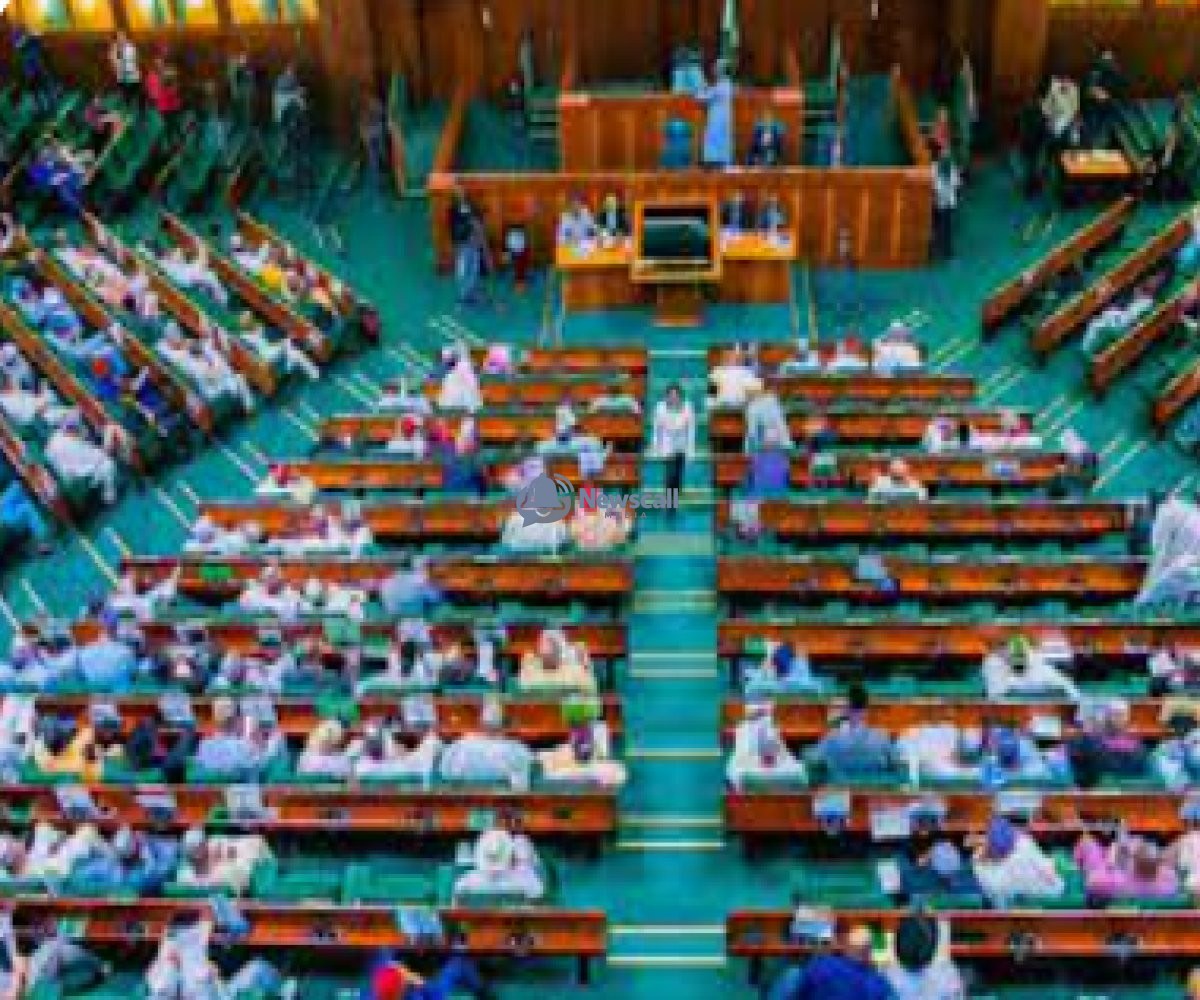
Nigeria’s political landscape inside the National Assembly has undergone a dramatic transformation since the inauguration of the 10th Assembly in June 2023, with the ruling All Progressives Congress (APC) emerging as the dominant force following an unprecedented wave of defections across both legislative chambers.
Over 150 lawmakers in the House of Representatives and several senators have switched political parties within the last three years, significantly weakening opposition parties and expanding the APC’s influence in parliament. What initially appeared to be isolated political movements has gradually evolved into a sweeping realignment that is reshaping the balance of power at the federal legislature.
The growing trend has triggered fresh concerns among political analysts and constitutional experts, many of whom fear that the rapid collapse of opposition strength could weaken legislative oversight and reduce democratic accountability.
Official figures from the House of Representatives indicate that at least 137 defections were recorded between July 2024 and May 2026 alone. The pace intensified further ahead of party primaries for the 2027 elections, with 16 lawmakers changing political parties within a two-week period.
The APC has benefited more than any other party from the political migration, gaining over 100 additional seats through defections and expanding its strength in the 360-member House to roughly 282 lawmakers. The development has transformed what was initially a simple majority into overwhelming legislative dominance.
The Peoples Democratic Party (PDP) has suffered the heaviest losses, surrendering more than 80 seats during the period under review. The Labour Party, which entered the National Assembly with strong momentum following Peter Obi’s 2023 presidential campaign, has also experienced a major decline after losing dozens of members through defections.
Other opposition parties have not been spared. The New Nigeria Peoples Party (NNPP), Young Progressives Party (YPP) and the All Progressives Grand Alliance (APGA) all witnessed significant reductions in their parliamentary numbers as lawmakers continued to migrate toward larger political blocs.
Observers note that the scale of the defections becomes even more striking when compared with the composition of the House immediately after the 2023 elections. At the time, opposition parties collectively held enough seats to potentially challenge executive decisions and provide stronger legislative scrutiny. Three years later, that possibility appears to have faded considerably.
The latest round of defections affected lawmakers from several states, including Kaduna, Kano, Lagos, Imo, Kebbi, Sokoto, Taraba and Zamfara, reflecting a nationwide pattern rather than isolated regional shifts.
While the APC remained the primary beneficiary overall, some smaller parties also gained members during the recent realignments. The African Democratic Congress (ADC), for instance, recorded notable gains in the latest wave of defections, suggesting that dissatisfaction within some parties is creating opportunities for alternative political platforms as well.
In the Senate, one of the most dramatic moments occurred in March 2026 when nine senators simultaneously defected to the ADC in a coordinated political move that drew national attention.
The group included prominent figures such as Aminu Tambuwal, Ireti Kingibe, Victor Umeh and Enyinnaya Abaribe.
Earlier defections had already strengthened the APC in the Senate, including the movement of senators from Kebbi State and other opposition strongholds into the ruling party.
Most defecting lawmakers have publicly defended their decisions by pointing to internal crises, leadership disputes and factional conflicts within their former parties. Since 2023, parties such as the PDP, Labour Party and NNPP have struggled with prolonged internal disagreements that weakened party cohesion and created uncertainty for elected members.
However, critics argue that the defections cannot be explained solely by opposition instability. Many analysts believe access to federal influence, political protection, appointments and constituency projects has made alignment with the ruling party increasingly attractive for lawmakers seeking political survival ahead of 2027.
The consequences of the political realignments are already visible in the operation of the National Assembly.
Several major executive requests and government-backed bills have passed with limited resistance, including loan approvals and controversial legislative decisions that critics say deserved stronger debate and scrutiny. Opposition lawmakers, once expected to provide checks on executive power, now command significantly reduced influence within both chambers.
The wave of defections has also exposed the risks faced by politicians who switch parties primarily for electoral advantage. Some lawmakers who abandoned opposition parties for the APC ahead of the 2027 primaries eventually lost their bids for re-election after failing to secure tickets within the ruling party’s highly competitive internal structure.
Legal efforts designed to discourage defections have also struggled to contain the trend. Amendments to the Electoral Act introduced stricter membership registration timelines intended to limit last-minute party switching before primaries. Yet political movements had already reached historic levels before the restrictions took full effect.
Interestingly, the Social Democratic Party (SDP) remains the only party represented in the 10th Assembly that has not lost any member through defection, a rare sign of internal stability in an increasingly volatile political environment.
The growing dominance of the APC within the National Assembly reflects more than ordinary political movement; it signals a major restructuring of Nigeria’s legislative politics ahead of the 2027 general elections.
While supporters of the ruling party view the defections as evidence of confidence in the APC, critics warn that an opposition weakened to this extent could undermine the National Assembly’s constitutional responsibility to hold the executive accountable.
As political tensions continue to rise and alliances shift across the country, the larger question may no longer be which party controls parliament, but whether Nigeria’s democracy can maintain a healthy balance between power, opposition and accountability in the years ahead.

Nwekwe Esther Amarachukwu
Public speaker,Research-driven writer covering politics and public affairs, committed to accuracy, and meaningful public discourse.