

Australian Government Launches Historic $2bn Lawsuit Against 3M Over Toxic Chemical Contamination
Australian Government Launches Historic $2bn Lawsuit Against 3M Over Toxic Chemical Contamination
The Australian government has opened an aggressive legal battle against multinational manufacturing giant 3M, seeking nearly $2 billion in damages over widespread contamination linked to toxic “forever chemicals” used in firefighting foam at defence bases across the country.
What began as environmental concern has now exploded into one of the largest legal actions in Australia’s history.
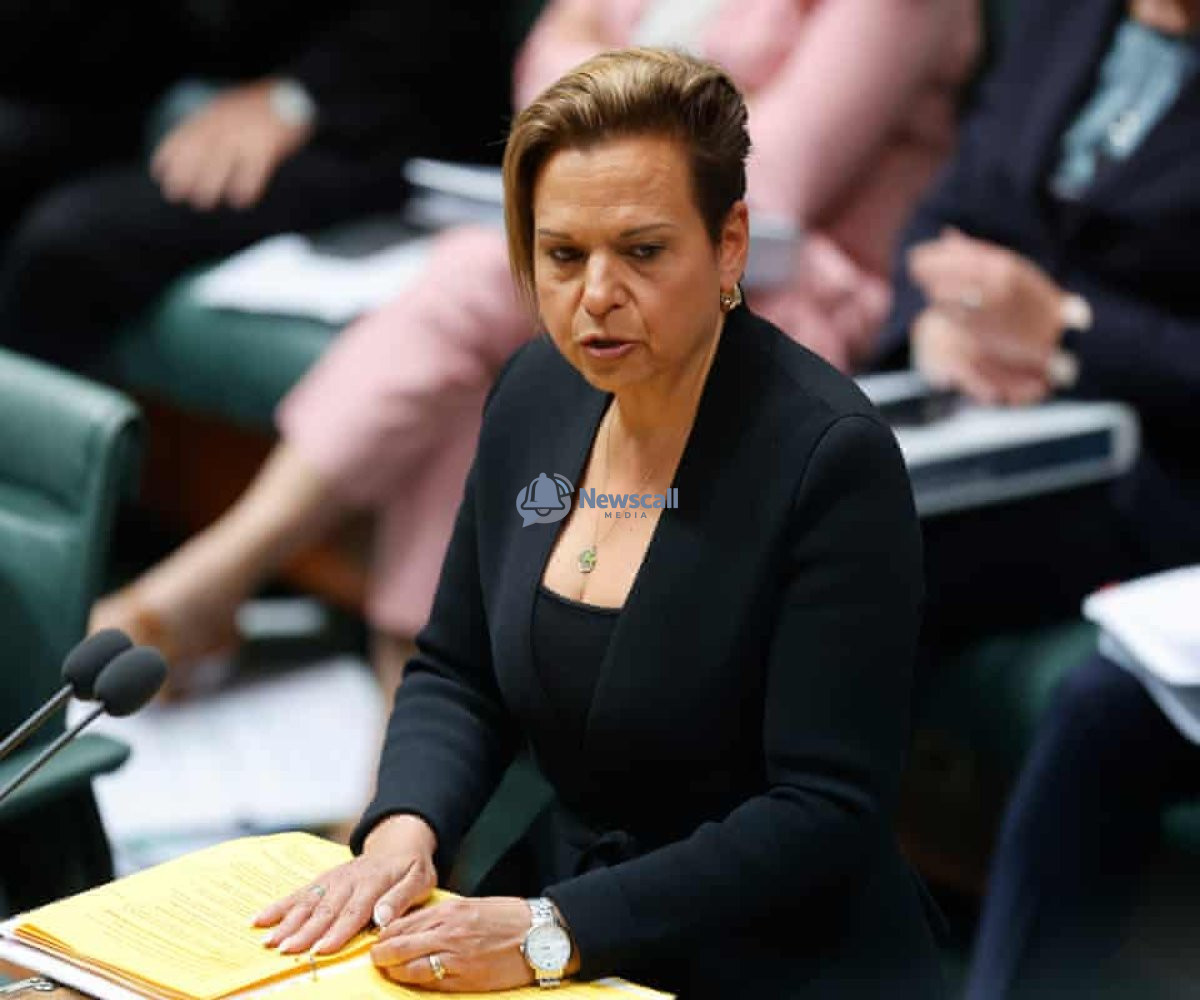
Attorney-General Michelle Rowland announced that the government is accusing 3M of concealing critical information about the dangers associated with its firefighting foam products, particularly chemicals known as PFAS — substances that can persist in soil and water for decades without breaking down.
The contamination reportedly affected 28 defence sites nationwide, leaving taxpayers to shoulder enormous cleanup costs while questions linger over how much the company knew and when it knew it.
Standing before reporters, Rowland described the case as the “largest legal claim ever brought by the Australian government,” signalling that authorities are prepared for a prolonged and highly public confrontation with one of the world’s biggest corporations.
According to the government, 3M allegedly failed to disclose internal environmental testing that revealed serious risks connected to its aqueous film-forming foam, commonly used to extinguish fuel fires at military and aviation facilities.
Rowland claimed the company misrepresented the product for years.
“This misconduct has contributed to substantial costs for Defence and the Australian taxpayer,” she said.
The government estimates that more than $1 billion has already been spent investigating, containing and attempting to remediate contamination linked to the chemicals. Officials now want 3M to reimburse those expenses and potentially cover future costs.
The chemicals at the centre of the lawsuit — PFAS — are often referred to as “forever chemicals” because they do not naturally degrade easily in the environment. Scientists have long raised concerns over possible links to serious health and environmental impacts.
According to the attorney-general, the government’s legal filing argues that 3M withheld environmental laboratory results that showed “significant adverse environmental effects” connected to the firefighting foam.
Authorities also allege the company promoted the products as biodegradable, non-toxic and safe to dispose of, claims the government now says were misleading.
But while the courtroom battle intensified outside parliament, political tensions were simultaneously erupting inside it.
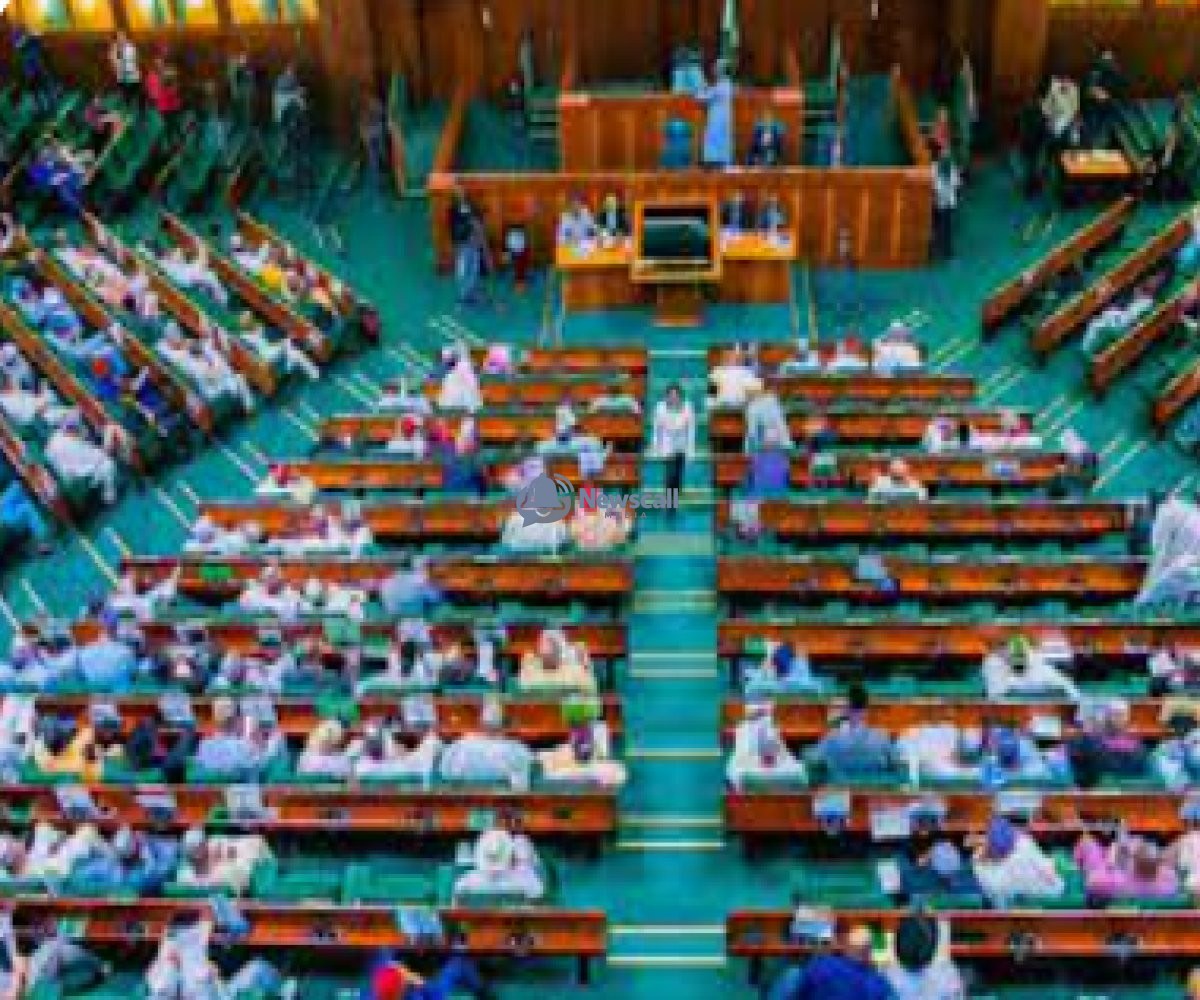
Question Time in the Australian parliament descended into chaos as opposition lawmakers clashed with Prime Minister Anthony Albanese’s government over controversial tax reforms.
Opposition leader Angus Taylor repeatedly challenged the government over proposed capital gains tax changes, accusing Labor of misleading voters during previous election campaigns.
The chamber quickly became heated.
Speaker Milton Dick interrupted proceedings to warn opposition MPs against displaying signs spelling out “LIES” across their desks. The Speaker insisted such demonstrations violated parliamentary rules and damaged the dignity of the House.
“I will not have signs held up like that,” Dick warned lawmakers.
The drama escalated further when multiple MPs were removed from the chamber for disorderly conduct.
Liberal MP Phil Thompson was ejected early in proceedings for interrupting debates, while Labor MP Ged Kearney was later removed after shouting during exchanges involving the Prime Minister.
Nationals MP Jamie Chaffey was also ordered out as tensions spiralled.
At one point, independent MP Bob Katter drew attention after appearing in the chamber wearing a New South Wales rugby scarf during State of Origin season, prompting the Speaker to jokingly warn him that he too was “on thin ice”.
Despite the disorder, Albanese dismissed opposition attacks as “fantasy” politics and defended his government’s economic agenda.
The lawsuit against 3M reflects growing global pressure on corporations accused of contributing to environmental contamination through industrial chemicals.
PFAS-related litigation has already emerged in the United States and parts of Europe, where governments and communities have pursued compensation for polluted water systems and health concerns linked to long-term exposure.
Australia’s decision to pursue such a massive financial claim signals a tougher approach toward multinational companies accused of environmental negligence.
The case could also have far-reaching implications for future corporate accountability standards, particularly involving chemical manufacturing and public safety disclosures.
Meanwhile, the political chaos unfolding in parliament highlights mounting pressure on Albanese’s government as debates intensify over taxation, economic policy and cost-of-living concerns ahead of future elections.
With MPs being removed from the chamber and accusations flying openly across the floor, the atmosphere inside parliament revealed a political system growing increasingly tense and combative.
What started as concerns over contaminated firefighting foam has now become a defining legal and political showdown in Australia.
On one side stands the federal government, determined to recover billions spent tackling environmental damage. On the other stands one of the world’s most powerful manufacturing companies, facing accusations it concealed dangerous information for years.
As court proceedings begin and political tensions continue boiling inside parliament, the stakes stretch far beyond compensation alone.
For many Australians, the case is now about accountability — who knew the risks, who stayed silent, and who ultimately pays the price for decades of contamination.

Nwekwe Esther Amarachukwu
Public speaker,Research-driven writer covering politics and public affairs, committed to accuracy, and meaningful public discourse.