

Banditry: Political feud weakens Osun response to kidnapping surge

Banditry: Political feud weakens Osun response to kidnapping surge
A growing wave of kidnappings along Osun State's border communities is exposing more than security vulnerabilities. It is also revealing deep political divisions that many residents believe are undermining efforts to combat rising criminal activity.
From Ora near the Kwara boundary to Ijebu Jesa and Waasinmi, communities once considered relatively peaceful are increasingly facing the threat of abductions and armed attacks. While both the state government and local council authorities have launched separate security interventions, the absence of a coordinated strategy has raised concerns about the state's ability to effectively respond to the escalating challenge.
Located in Nigeria's South-West region, Osun shares borders with Oyo, Kwara, Ekiti, Ondo and Ogun states. Its strategic position has made it vulnerable to criminal elements seeking escape routes from neighbouring states battling severe insecurity.
Over the past six months, several kidnapping incidents have been recorded across border communities, with victims regaining freedom only after the payment of substantial ransoms. In most cases, security agencies were unable to secure their release through rescue operations.
One of the earliest incidents involved Emmanuel Owolabi, who was abducted in Ora, a community bordering Kwara State. After spending nearly a month in captivity, he was released following the payment of ransom.
Weeks later, suspected bandits reportedly returned to the same community and kidnapped two more residents. Like previous victims, they regained freedom after weeks in captivity.
The pattern continued in April when kidnappers struck Waasinmi, a town located near the Osun-Oyo boundary. A resident identified as Sulaimon was abducted and later released after ransom negotiations.
Barely a month later, gunmen targeted another herder, Yahaya Suleimon, in Ijebu Jesa. His abductors reportedly demanded N70 million before an undisclosed amount was eventually paid for his release.
The incident was one of the few cases where security agencies publicly announced arrests linked to a kidnapping operation.
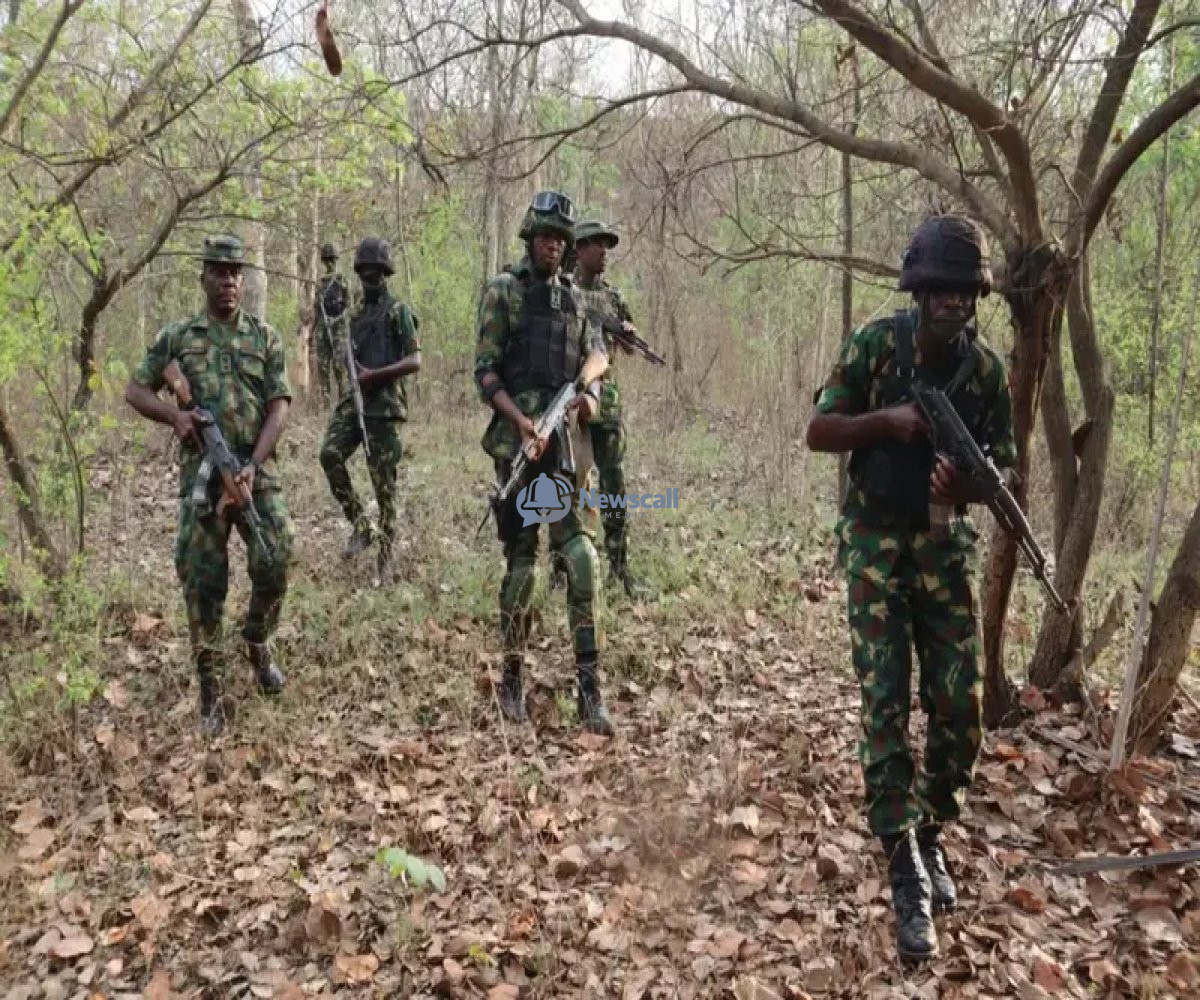
As public anxiety grew, the administration of Governor Ademola Adeleke intensified security patrols in vulnerable communities, particularly those bordering Kwara State.
The state government also established the Osun Security Trust Fund to mobilise resources for security operations and improve support for law enforcement agencies.
At the local government level, authorities under the umbrella of the Association of Local Governments of Nigeria (ALGON) launched separate interventions. These included the donation of approximately 300 motorcycles and 30 operational vehicles to security agencies to strengthen surveillance and rapid response capabilities.
Despite these investments, kidnappings have continued to occur, raising questions about the effectiveness of fragmented security efforts.
Observers point to the ongoing political rivalry between the state government and local council administrations as a major obstacle.
The political landscape in Osun remains sharply divided. While Governor Adeleke's administration controls the state government, many local councils are led by officials aligned with the opposition APC. Legal disputes and political tensions have further strained relations between both sides, making collaboration increasingly difficult.
Security analysts argue that criminals often exploit such institutional gaps, especially in border regions where swift coordination and intelligence sharing are critical.
Kidnapping has become one of Nigeria's most pressing security challenges, spreading beyond traditional hotspots into areas previously considered relatively secure.
For Osun, the threat is particularly concerning because many affected communities lie close to neighbouring states where armed groups and kidnappers have become more active.
Residents fear that without a unified security framework, criminal networks may continue to exploit porous borders and weak coordination between authorities.
Community leaders have repeatedly warned that insecurity in neighbouring states should not be viewed as a distant problem. Instead, they argue it represents an immediate threat capable of spilling into Osun if preventive measures are not strengthened.
Many residents also believe that political disagreements should never interfere with efforts to protect lives and property.
The growing insecurity in Osun's border communities presents a test of leadership for both the state government and local council authorities.
While separate investments in patrol vehicles, motorcycles and security initiatives demonstrate a commitment to addressing the problem, residents insist that resources alone will not be enough.
As kidnappers continue to target vulnerable communities, the demand for a coordinated response is becoming increasingly urgent. For many observers, the challenge facing Osun is no longer simply about fighting criminals—it is about overcoming political divisions that may be preventing a united front against a common threat.
Until that happens, communities along the state's borders may remain exposed to a danger that shows little sign of disappearing.

Nwekwe Esther Amarachukwu
Public speaker,Research-driven writer covering politics and public affairs, committed to accuracy, and meaningful public discourse.