

Blackouts Despite High Tariffs: NERC Orders Compensation for Band A Users; NERC Orders Compensation for Band A Customers Over Power Failures, Shields DisCos from Downgrades.
Blackouts Despite High Tariffs: NERC Orders Compensation for Band A Users; NERC Orders Compensation for Band A Customers Over Power Failures, Shields DisCos from Downgrades.
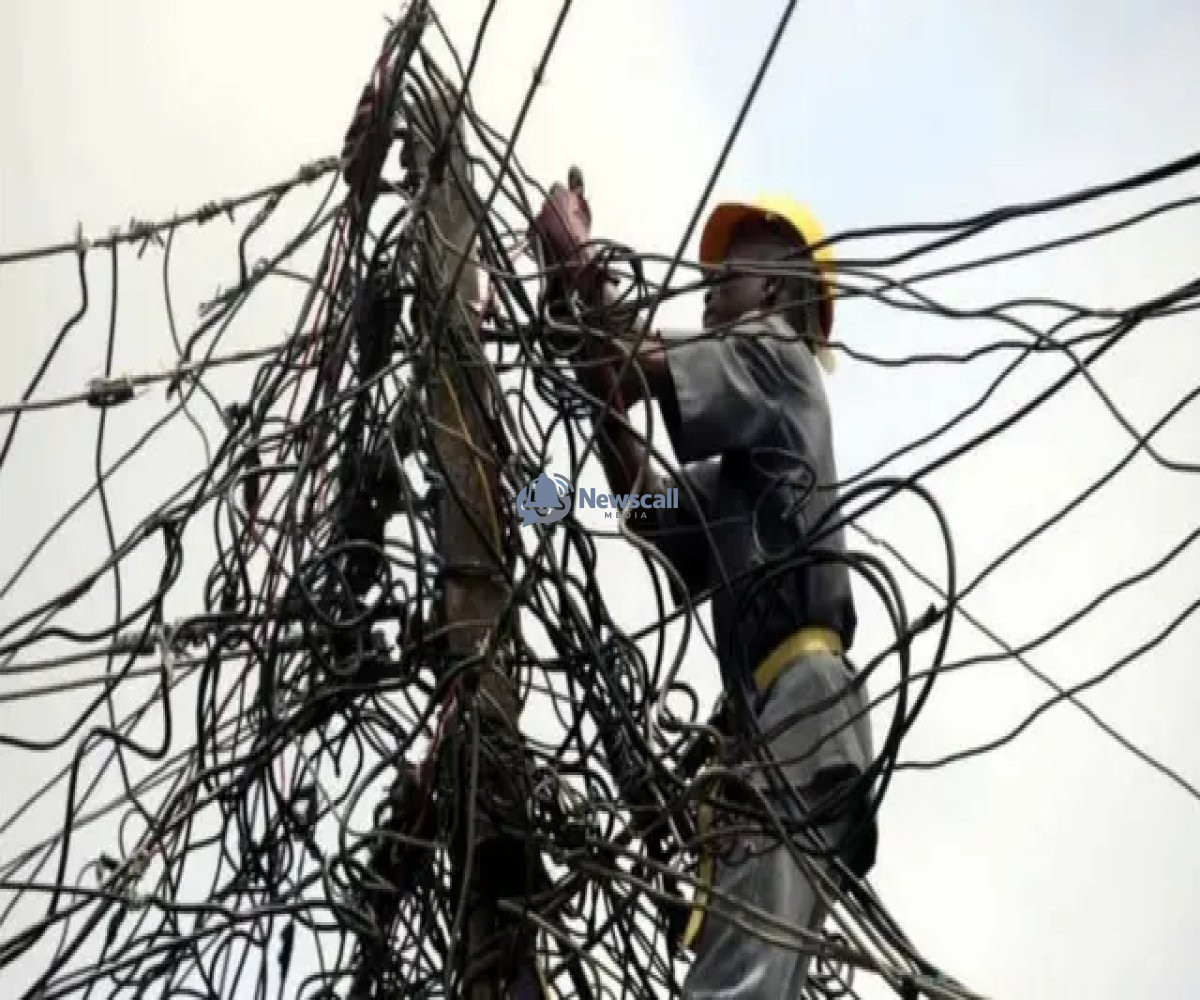
Despite paying premium electricity tariffs for near-constant power supply, thousands of Band A electricity customers across Nigeria endured weeks of unstable electricity between February and March 2026 as generation shortages crippled the national grid. In response to mounting complaints, the Nigerian Electricity Regulatory Commission, NERC, has approved a special compensation package aimed at cushioning affected consumers while preventing Distribution Companies from being penalised for disruptions blamed on nationwide infrastructure failures.
In a public notice released on Thursday, the commission acknowledged that severe generation constraints across the Nigerian Electricity Supply Industry, NESI, made it impossible for some Distribution Companies, popularly known as DisCos, to meet the minimum service commitments required for Band A customers.
Band A customers are expected to receive at least 20 hours of electricity daily under Nigeria’s electricity tariff structure and are charged significantly higher tariffs for the improved service level. However, many customers experienced prolonged outages during the affected period, sparking concerns over fairness and accountability in the sector.
According to NERC, the power shortages were largely caused by factors beyond the direct control of the DisCos, particularly inadequate gas supply to generating companies and repeated vandalism of critical gas pipelines and transmission infrastructure. The commission said these challenges significantly reduced available electricity generation nationwide and disrupted supply chains within the power sector.
To address the situation, NERC approved a temporary compensation framework covering February and March 2026.
Under the directive, Band A feeders that managed to maintain an average supply of between 18 and 20 hours daily will continue to receive compensation under the existing framework outlined in Addendum No. NERC/2024/003. The arrangement applies to both Maximum Demand, MD, and Non-Maximum Demand, Non-MD, customers.
For feeders that recorded less than 18 hours of daily electricity supply, the commission introduced additional relief measures. NERC clarified that such feeders would not be downgraded during the affected months despite failing to meet the required Band A threshold.
Instead, eligible Non-MD customers connected to the affected feeders will receive compensation equivalent to 20 per cent of the approved February 2026 energy cap applicable to their feeder category. Meanwhile, MD customers will receive compensation equal to 20 per cent of the average energy billed per MD customer for February 2026.
The commission explained that customers using prepaid meters would receive the compensation in the form of electricity token credits, while postpaid customers would benefit through direct adjustments to their electricity bills.
NERC also issued strict timelines for implementation, directing DisCos to complete compensation for February 2026 no later than May 31, 2026, while compensation for March 2026 must be fully implemented on or before June 30, 2026.
In addition, the regulator barred DisCos from using the compensation credits to offset existing customer debts. Electricity companies were also instructed to clearly communicate the value of compensation granted to each customer and specify the exact period covered.
The commission said the intervention reflects its commitment to protecting consumers amid persistent instability in Nigeria’s electricity sector while also maintaining the financial sustainability of the power market.
NERC further assured Nigerians that it would closely monitor compliance by all Distribution Companies to ensure that every eligible customer receives the compensation due to them.
The latest directive comes amid growing public frustration over high electricity tariffs, erratic power supply, and repeated grid disturbances that continue to affect homes, businesses, and industries across the country. Many consumers have repeatedly questioned the rationale behind paying premium Band A tariffs despite frequent blackouts and inconsistent service delivery.
With gas supply challenges and infrastructure vandalism still threatening electricity generation nationwide, industry observers say the compensation move may offer temporary relief but does little to solve the deeper structural problems undermining Nigeria’s power sector.

Anozie Chiemerie Emmanuel
Writer