

Burnham says he would seek to enter any Labour leadership contest
Burnham says he would seek to enter any Labour leadership contest
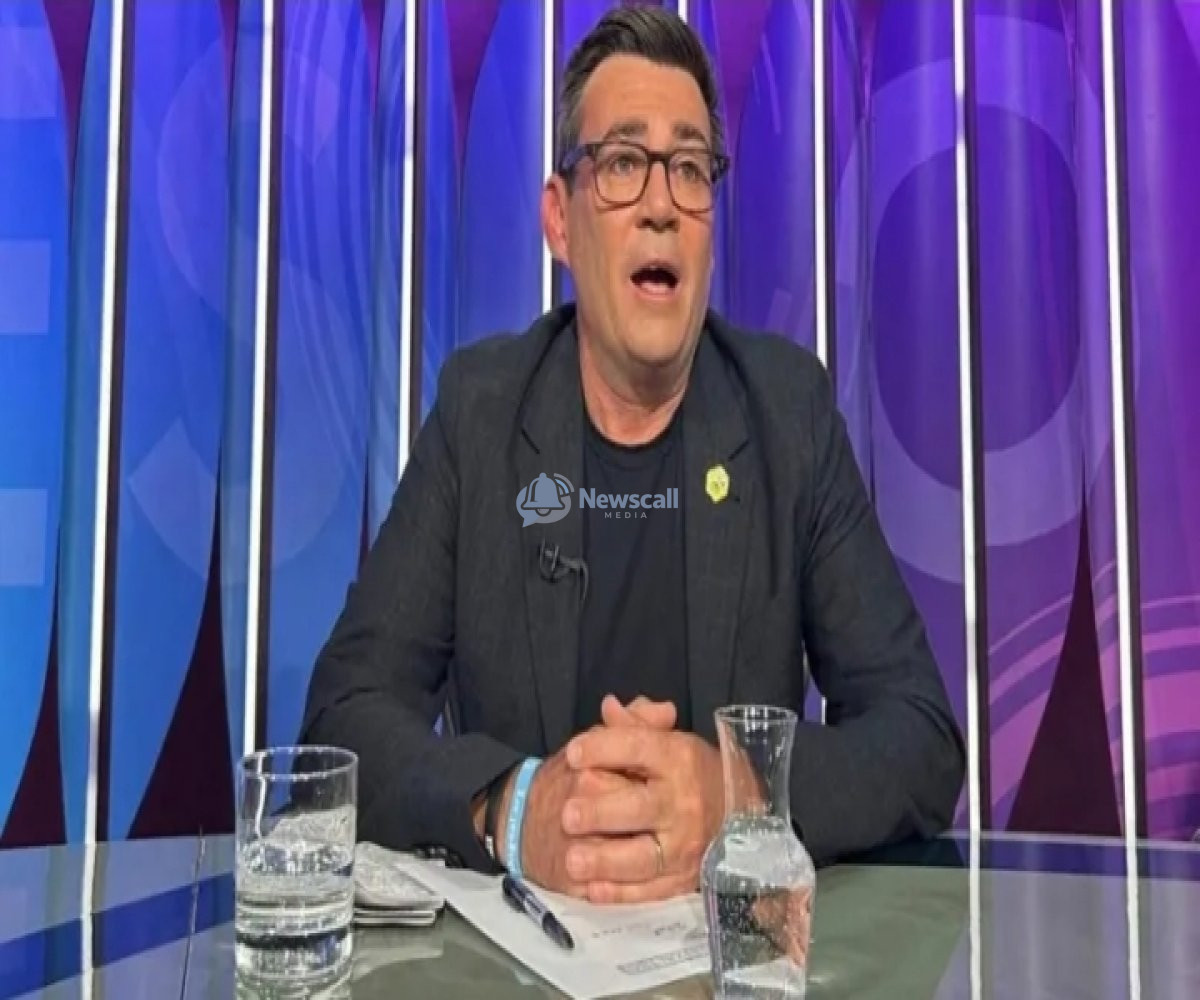
Greater Manchester Mayor Andy Burnham has declared that he would seek to enter any future Labour Party leadership contest if he wins the upcoming Makerfield by-election scheduled for June 18.
Burnham made the announcement during a BBC Question Time special featuring candidates contesting the seat, positioning himself as a potential contender for Labour’s top job amid ongoing debate about the party’s future leadership.
The by-election was triggered after former Labour MP Josh Simons resigned, paving the way for Burnham to contest the seat and potentially pursue a leadership bid.
Speaking during the televised debate, Burnham said his immediate priority was winning the support of voters in Makerfield but made clear that he would seek a prominent role within the party if elected.
“I would seek to represent you at the highest possible level and give this constituency maximum power and influence,” he said.
Burnham also suggested that a leadership contest could emerge within Labour, referencing comments by Health Secretary Wes Streeting, who has already indicated he would participate in any future race for the party leadership.
Under Labour Party rules, any candidate seeking to challenge for the leadership must first be elected to Parliament and secure the backing of at least 81 Labour MPs.
Despite growing speculation about the party's direction following disappointing election results last month, Prime Minister Sir Keir Starmer has rejected calls from some Labour lawmakers to step down. Downing Street reiterated that Starmer remains committed to delivering on his mandate.
Meanwhile, Reform UK candidate Robert Kenyon criticised Burnham’s ambitions, arguing that politics needs more local representatives who are focused on serving their communities rather than using constituencies as stepping stones to higher office.
Kenyon said residents in areas such as Wigan have felt neglected despite Manchester's economic growth and called for “normal people in politics” who are committed to staying and serving locally.
Conservative candidate Michael Winstanley also questioned Burnham’s decision to return to parliamentary politics after previously committing to serve his full term as mayor. He described the by-election as unnecessary and accused Labour of placing political ambitions above local interests.
Green Party candidate Sarah Wakefield focused on environmental and economic challenges, urging politicians to prioritise climate action, local businesses, and long-term opportunities for future generations.
Liberal Democrat candidate Jake Austin criticised the circumstances surrounding the by-election, describing it as an indirect route to selecting a future prime minister rather than a contest focused solely on local representation.
Debate on Social Issues and Crime
The debate also addressed controversial comments previously made online by Reform UK candidate Robert Kenyon regarding women and abortion.
Kenyon defended himself against accusations of sexism, stating that he respects women and acknowledging that he had made comments in the past that he would no longer make today.
Candidates were further questioned about the murder of 18-year-old university student Henry Nowak, whose killing sparked national attention and public concern about knife crime.
Discussion centred on whether individuals should be permitted to carry knives for religious reasons after the convicted murderer claimed the weapon used was part of his Sikh religious practice.
Burnham said the issue deserved careful consideration and debate, while Kenyon argued that recent events highlighted broader concerns about policing and public safety.
The case has also attracted attention following violent protests in Southampton after the release of police body-camera footage connected to the incident.
The Makerfield by-election has gained national significance because it is viewed not only as a contest for parliamentary representation but also as a potential indicator of Labour's future leadership dynamics.
With speculation continuing over who could eventually succeed Starmer, a parliamentary victory for Burnham would position him as a major figure within the party and potentially set the stage for a leadership challenge should an opportunity arise.
At the same time, Reform UK is hoping to capitalise on voter dissatisfaction in former Labour strongholds, making the contest one of the most closely watched by-elections in the country.
As campaigning intensifies ahead of the June 18 vote, the Makerfield by-election is increasingly being seen as more than a local electoral battle. The result could influence both the future direction of Labour and the wider political landscape, with Burnham openly acknowledging ambitions that extend beyond representing the constituency at Westminster.

Nwekwe Esther Amarachukwu
Public speaker,Research-driven writer covering politics and public affairs, committed to accuracy, and meaningful public discourse.
![‘Our health failing’ – Kebbi APC ex-chairman, one other cry out from bandits’ captivity [VIDEO]](../uploads/6a22637fb9923_875a0451c8718cd31ff8dbbd688807da222520c16d144442b113e23bd0b422da.jpg)
![‘Our health failing’ – Kebbi APC ex-chairman, one other cry out from bandits’ captivity [VIDEO]](../uploads/6a2265de49e56_76d68380c5ef778a4677ea674c9dba6f121df7ce4d3e405ed4d34637daaf81ca.jpg)