

Can Peter Obi truly win Northern Nigeria in 2027?” 2027: Northern Resistance Mounts Against Obi as NDC Struggles for Acceptance.
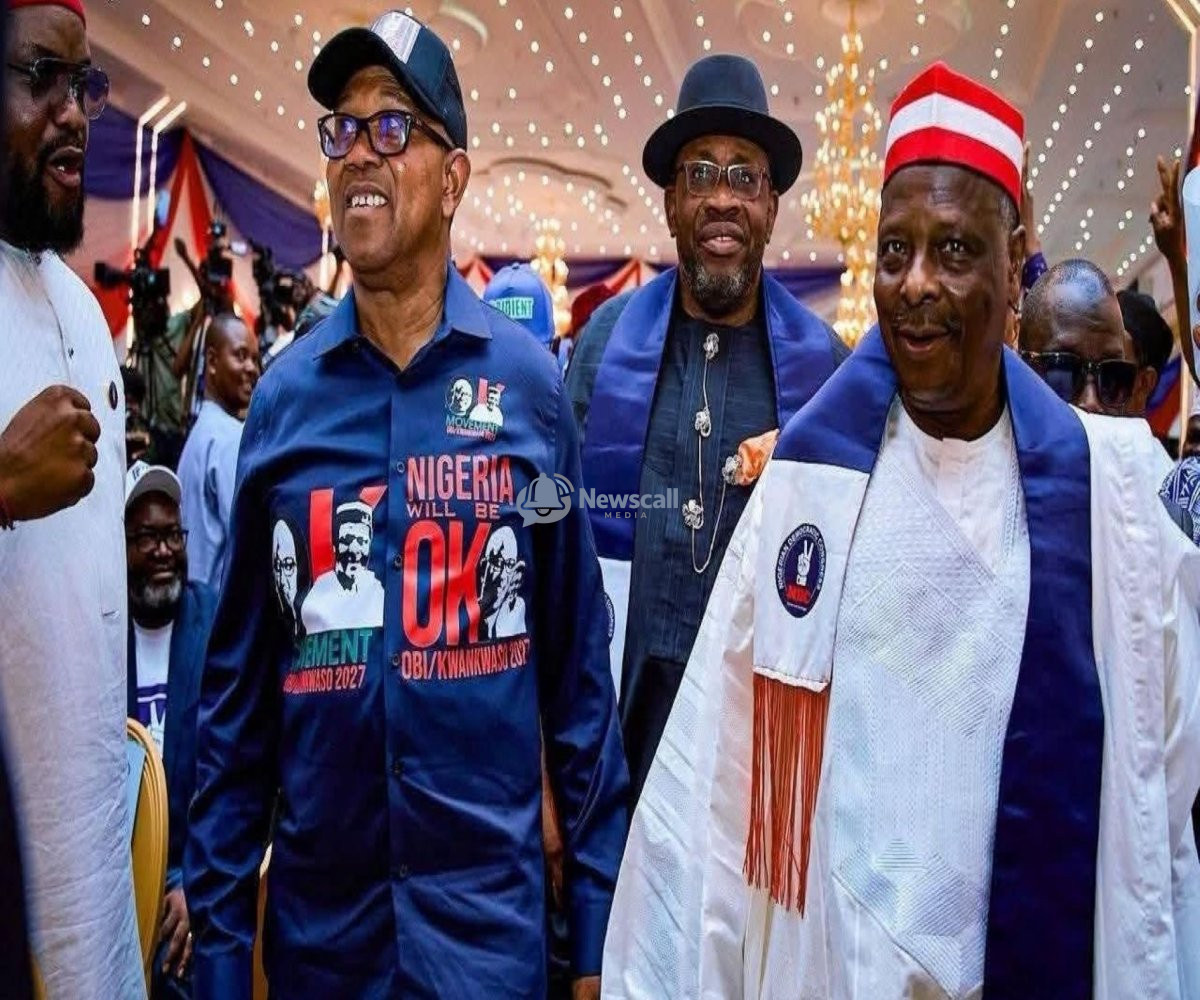
Can Peter Obi truly win Northern Nigeria in 2027?”.
2027: Northern Resistance Mounts Against Obi as NDC Struggles for Acceptance.
Posters Burnt, Leaders Divided, IPOB Allegations Resurface as Obi–Kwankwaso Alliance Faces Tough Battle in the North
Fresh indications have emerged that the presidential ambition of former Anambra State governor, Peter Obi, may face a fierce uphill battle in Northern Nigeria ahead of the 2027 general elections, as influential northern stakeholders, youth groups, political analysts and sections of the electorate openly question the acceptability of both Obi and his new political platform, the Nigeria Democratic Congress.
Despite growing momentum around the much-talked-about Obi–Kwankwaso alliance, findings reveal deep-rooted skepticism in parts of the North, with critics accusing Obi of harbouring anti-northern sentiments and maintaining alleged sympathy for the proscribed Indigenous People of Biafra.
The development comes amid rising political tension, reports of campaign posters being burnt in Kano State, and warnings from some northern leaders urging their supporters to reject the emerging coalition.
Political materials circulating widely across WhatsApp platforms in parts of the region reportedly describe the Obi–Kwankwaso ticket as “haram” — a term interpreted as forbidden or unacceptable.
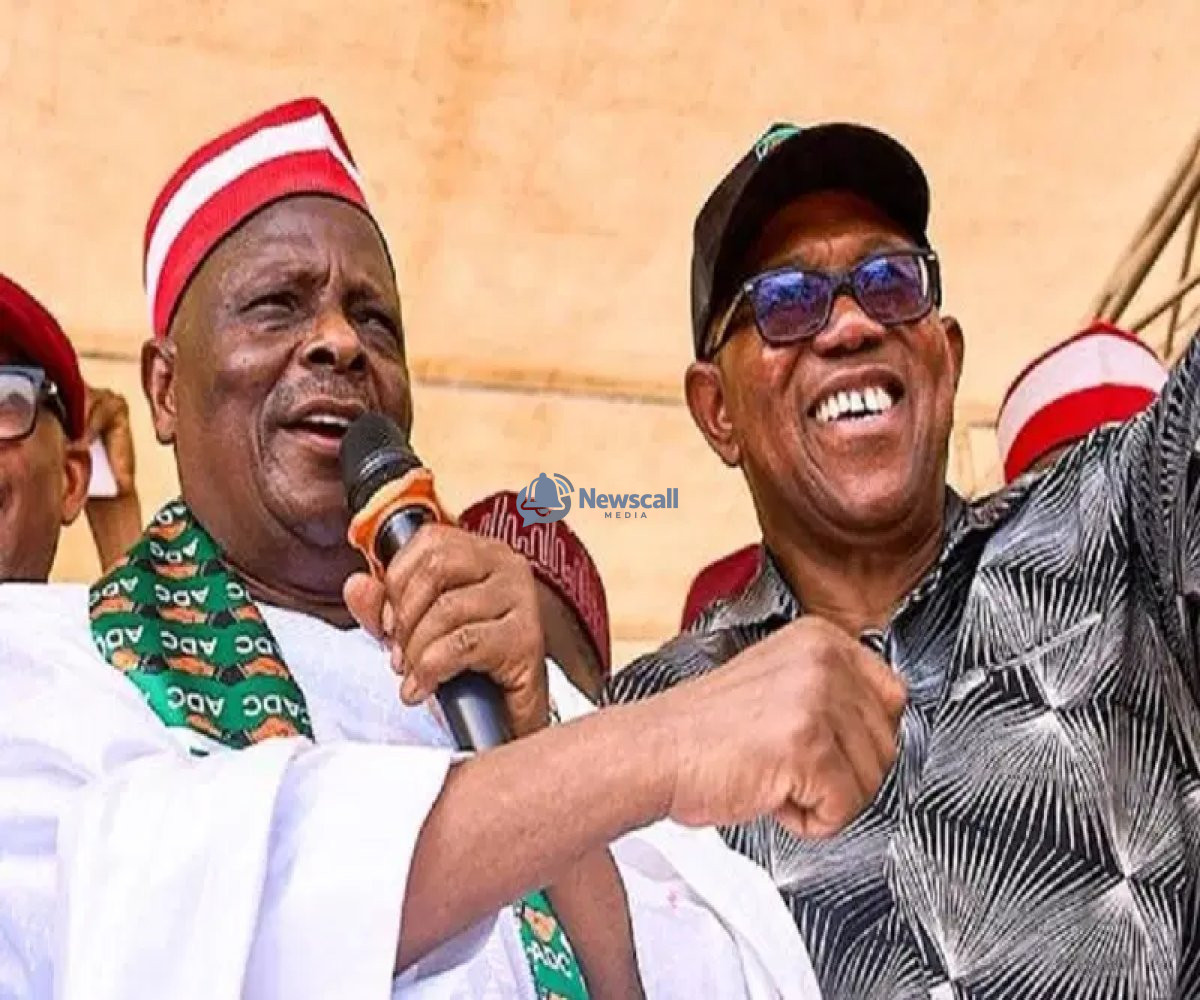
The controversy intensified earlier this week when angry youths in Ungogo Local Government Area of Kano State reportedly set campaign posters of Obi and his running mate, Senator Rabiu Musa Kwankwaso, ablaze.
Adding to the setback, a member of the Kano State House of Assembly, Muhammad Tomas, who recently defected from the All Progressives Congress to the NDC, announced his return to the APC shortly afterward.
‘NDC Still Unknown in the North’ — ACF
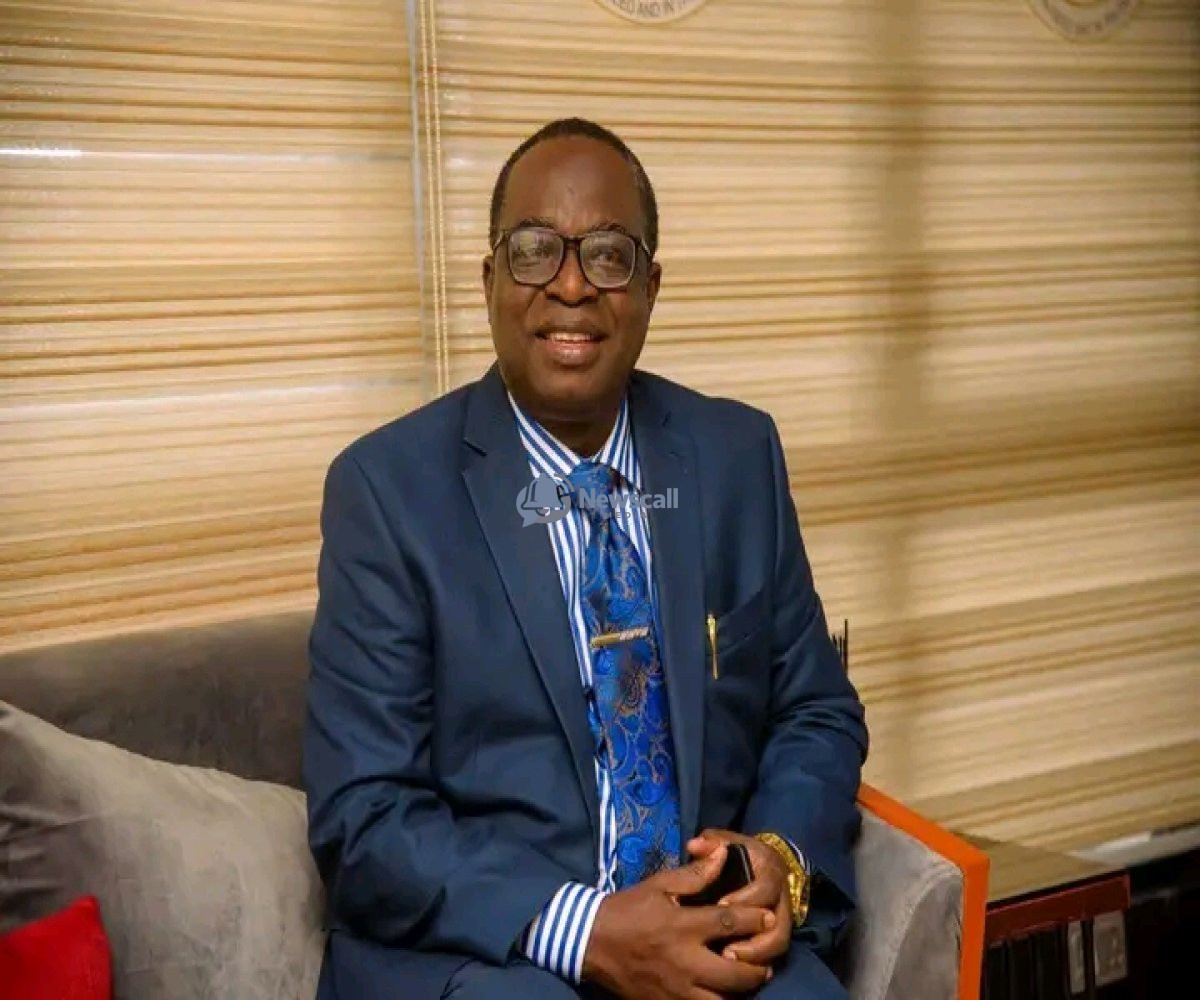
Speaking on the development, the National Publicity Secretary of the Arewa Consultative Forum, Prof. Tukur Muhammad-Baba, said the NDC was still struggling with visibility and grassroots acceptance across Northern Nigeria.
According to him, while Obi and Kwankwaso continue to dominate national political conversations, their actual influence among ordinary northern voters remains uncertain.
“The party is largely unknown to many northern voters,” Muhammad-Baba stated.
He also questioned Kwankwaso’s current political strength, especially in Kano State, where the former governor recorded his strongest showing during the 2023 presidential election.
“There is even doubt about whether Kwankwaso can still firmly control Kano politically. Outside Kano, his influence across the North is not guaranteed,” he said.
Muhammad-Baba further argued that many northern voters had grown tired of politics driven by ethnic, religious and regional sentiments, insisting that citizens were now more interested in practical solutions to economic hardship and insecurity.
“The average northerner is no longer convinced that simply having a northern candidate or a Muslim-Muslim ticket automatically solves Nigeria’s problems. People are becoming more cautious because past expectations have failed,” he added.
According to him, constant political defections and shifting alliances among opposition figures have also created distrust among voters.
“Many politicians who once attacked one another are suddenly working together. Naturally, voters are asking questions and becoming more careful about whom to trust,” he said.
Obi’s Alleged Sympathy for IPOB Fuels Distrust
The President of the Arewa Youth Consultative Council, Zaid Ayuba, was more direct in his criticism, insisting that Obi’s perceived stance on IPOB remains a major obstacle to his acceptance in the North.
Ayuba claimed that Obi’s previous comments regarding the proscription of IPOB by the Federal Government had created lasting suspicion among northern voters.
“Obi and Kwankwaso are known in the North, but recognition does not automatically translate into electoral victory,” he said.
“A major stigma has followed Obi since 2023. Many northerners believe he openly sympathised with IPOB after questioning the Supreme Court judgment that designated the group as a terrorist organisation.”
Ayuba argued that no northern leader had ever publicly defended Boko Haram leaders, stressing that northerners viewed Obi’s alleged position as troubling.
“Unless Obi gives a convincing explanation regarding his stance on IPOB, many northerners will continue to reject his candidature,” he said.
He, however, maintained that the resistance had nothing to do with ethnicity or religion.
“This is about justice and trust. The North fears Obi may have an agenda against the region. That perception is becoming stronger politically,” he added.
‘NDC Has No Real Structures in Most Northern States’
A political science professor based in Sokoto, who requested anonymity, argued that the NDC lacks meaningful political structures across several northern states.
According to him, states such as Kaduna, Jigawa, Katsina, Plateau, Benue, Taraba, Zamfara, Gombe and Niger still have little or no visible NDC presence.
“The issue is not just acceptability; it is visibility,” the don explained.
“The APC, PDP and ADC already have strong grassroots structures. The NDC is still largely unfamiliar to ordinary voters in many northern communities.”
Northern Youth Group Accuses Kwankwaso of Betrayal
Meanwhile, the Northern Youth Assembly accused Kwankwaso of abandoning northern political interests by aligning himself with Obi.
In a statement signed by its Secretary General, Hafiz Garba, the group described the alliance as a betrayal of the ideals historically associated with the Kwankwasiyya movement.
The group claimed Kwankwaso had reduced a once-powerful northern political ideology into what it called “a transactional political arrangement.”
“Kwankwaso’s greatest betrayal is the abandonment of the northern political identity and values many people believed he represented,” the statement read.
The group further described the former Kano governor as “a major political disappointment” to the region.
NDC Leaders Insist Momentum Is Growing
Despite the criticism, several NDC leaders and political analysts insist the party is steadily gaining traction across Northern Nigeria.
The NDC Chairman in Borno State, Haruna Amuda, disclosed that the party had witnessed massive defections from rival opposition parties, especially the African Democratic Congress.
“We are receiving thousands of new members. The movement is growing rapidly,” he said.
Amuda added that the party had already established structures across all 27 local government areas in Borno State.
Similarly, NDC chieftain in Jigawa State, Abdulrazak Birnin-Kudu, said the party had appointed coordinators across all local governments while expanding its ward-level mobilisation.
“Our strongest support base is the youth population. Young Nigerians are tired of the old political order,” he stated.
The party’s governorship candidate in Jigawa, Aminu Dutse, argued that worsening economic hardship and insecurity were creating opportunities for alternative political movements.
“People are frustrated. They are looking for alternatives, and the NDC is presenting itself as one,” he said.
‘North No Longer Politically United’
The Northern Region Director of the Civil Liberty Organisation, Steve Aluko-Daniel, dismissed claims that the North had rejected the Obi–Kwankwaso alliance.
According to him, the region no longer speaks with one political voice, especially after the exit of former President Muhammadu Buhari from active politics.
“For the first time in years, the North does not have a unified political direction. Buhari’s political structure has not been inherited by anyone, and that is creating room for new alignments,” he explained.
Aluko-Daniel argued that many northern voters were now embracing what he described as “talakawa politics” grassroots-driven politics focused on ordinary people.
“From what we are seeing, the Obi–Kwankwaso alliance is gaining serious attention because people are tired of the traditional political establishment,” he said.
‘Obi and Kwankwaso Represent Hope’ Coalition
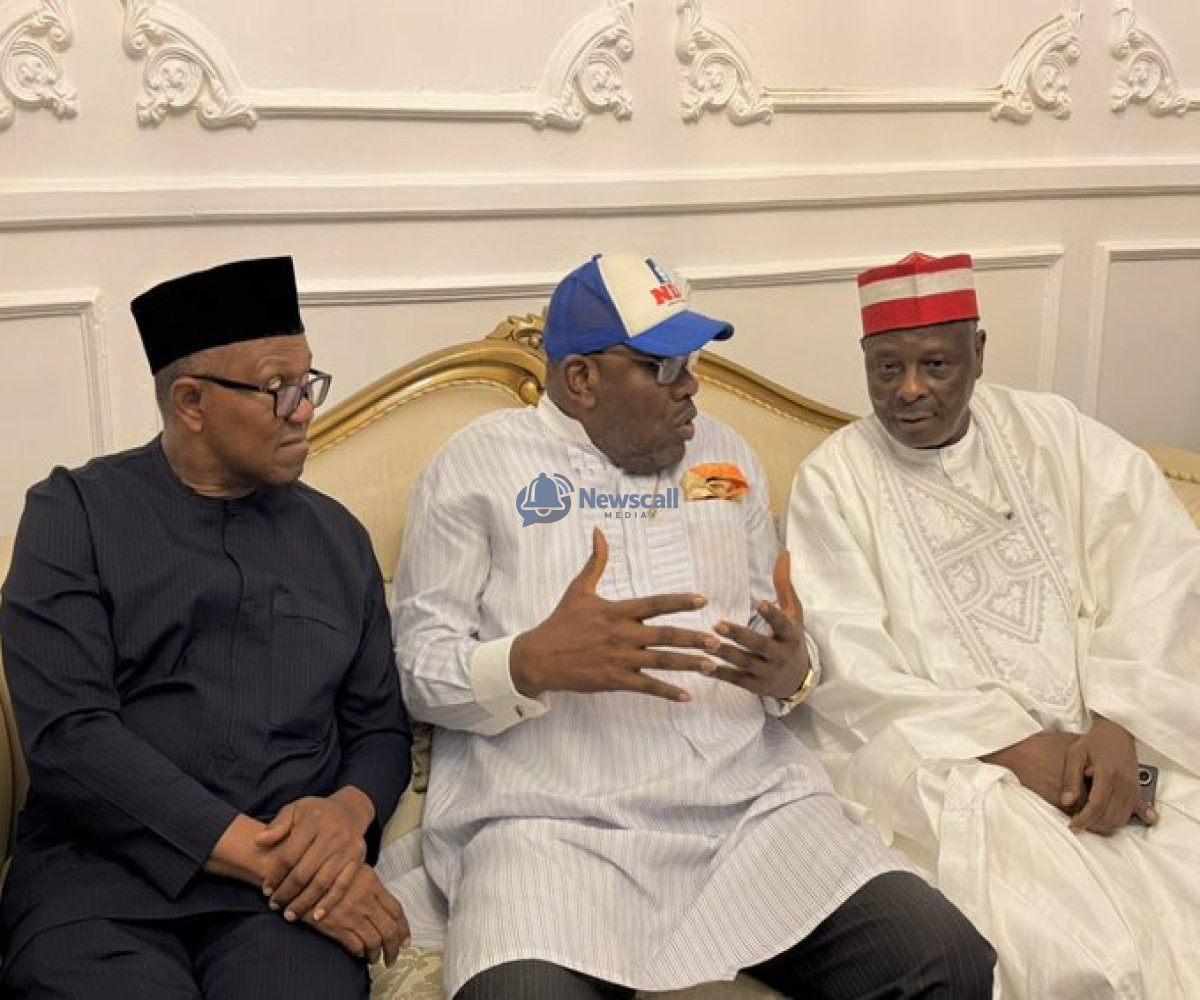
Also speaking, the National Co-Chairman of the NDC Coalition Alliance Network, Zakari Garba, described the Obi–Kwankwaso partnership as one of the strongest political combinations currently emerging ahead of 2027.
According to him, Obi’s reputation for prudence and accountability, combined with Kwankwaso’s grassroots popularity in the North, makes the alliance formidable.
“Together, they represent competence, national unity, experience and the ability to rebuild Nigeria’s economy,” he said.
Garba maintained that the NDC was rapidly building structures across Northern Nigeria through youth groups, women associations, professionals and grassroots volunteers.
However, efforts to reach the NDC Deputy National Publicity Secretary, Abdulmumin Abdulsalam, were unsuccessful as calls and messages sent to his phone were not answered.
Similarly, the National Coordinator of the Obidient Movement, Dr Yunusa Tanko, promised to respond later but had yet to do so as of the time this report was filed.
Anozie Chiemerie Emmanuel
Writer