

Ekiti State Governorship Election: Over 1 Million Voters Set to Cast Ballots as INEC Distributes Materials.
INEC completes voter card distribution with 97.1% collection rate as security agencies deploy multi layered protection for Saturday's poll.
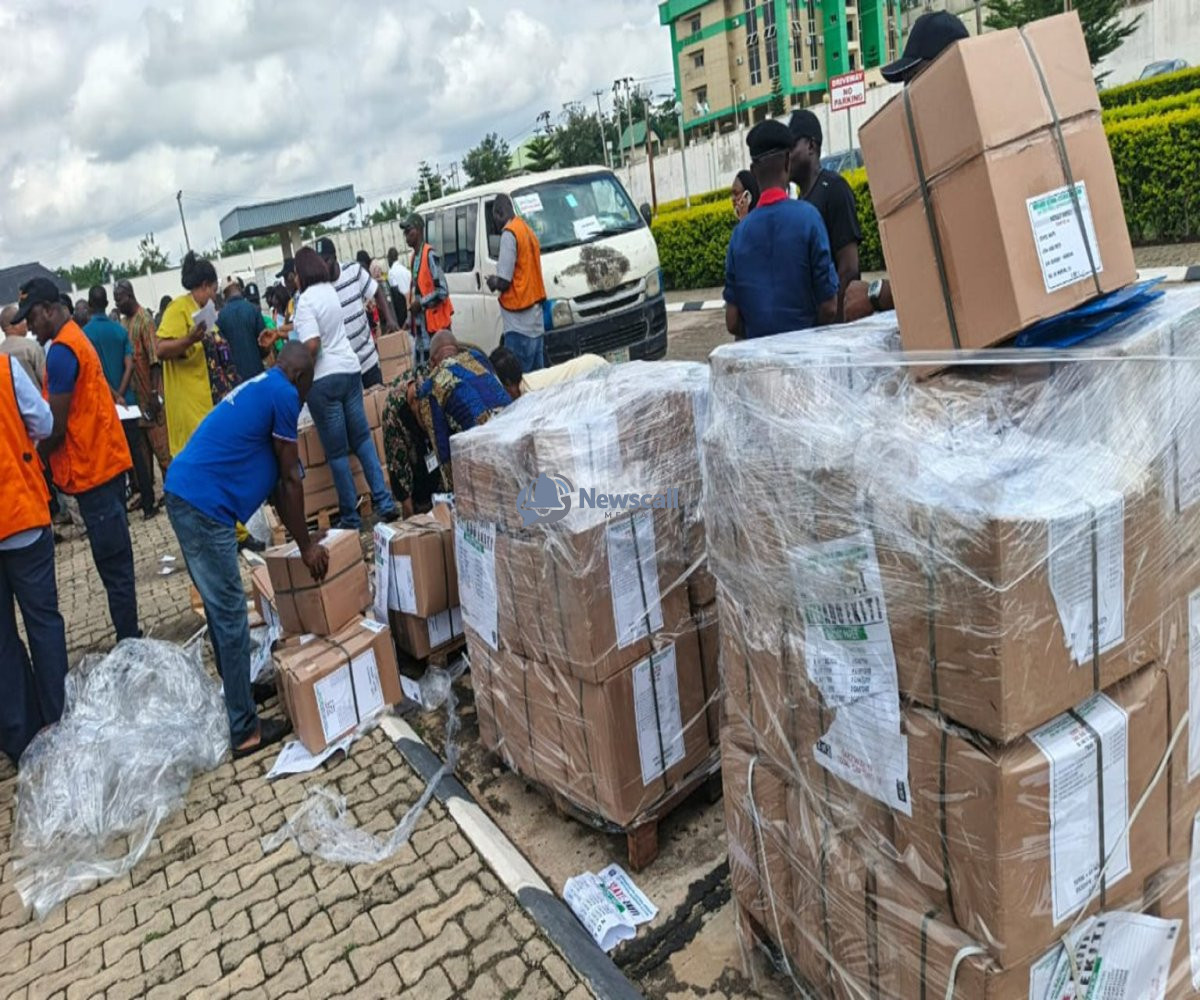
The countdown to Ekiti State's governorship election has entered its final hours, with the Independent National Electoral Commission (INEC) completing the distribution of election materials to all 16 local government areas yesterday.
Under the watchful eyes of security agencies, civil society groups, political party agents, and journalists, sensitive and non sensitive materials were sorted and dispatched from the Central Bank of Nigeria office in Ado-Ekiti. The exercise began with the farthest local governments receiving their materials first.
Voters Ready to Decide:
More than 1.02 million Ekiti residents are expected to head to the polls tomorrow, having collected their Permanent Voter Cards (PVCs). INEC confirmed that 1,028,929 PVCs were collected out of 1,059,360 registered voters, representing an impressive 97.1% collection rate.
This marks a slight improvement from the 2023 governorship election when 958,052 PVCs were collected at a 97% rate.
The commission had extended the PVC collection deadline from June 11 to June 14 following consultations with stakeholders, ensuring more citizens could participate in the democratic process.
REC Expresses Confidence:
Ekiti State Resident Electoral Commissioner, Bunmi Omoseyindemi, expressed optimism about the election's integrity.
"This process is being coordinated transparently. We have representatives of political parties, civil society organisations, and the media covering it. Our message is that people should vote for the candidate of their choice in a peaceful atmosphere. Ekiti has been peaceful, and we promise them we are going to have a free, fair, transparent and inclusive election."
Security Measures in Place:
Commissioner of Police Abayomi Shogunle, who is overseeing security for the election, disclosed that the Inspector General of Police has deployed multilayered security arrangements.
"We have considered different inputs apart from our own intelligence reports. We have also considered risk assessments carried out by different stakeholders. We have identified different elements here and there, and we are putting in place different measures to take care of the issues that have been identified."
Concerns Over Vote-Buying:
Yiaga Africa, a civil society organisation monitoring the election, identified vote buying as a significant threat to the poll's integrity. The group urged INEC and security agencies to proactively identify, arrest, and prosecute individuals engaged in vote-buying on election day.
The organisation also noted security concerns in several local government areas, including Ado-Ekiti, Ikole, Oye and Ikere, and expressed apprehension about movement during collation in areas like Ilejemeje and Moba where recent kidnapping incidents have occurred.
Journalists Urged to Exercise Professionalism:
The Independent Press Centre and the Centre for Media and Society reminded journalists covering the election to maintain professionalism and ensure their safety.
"When a journalist is harassed, barred or attacked at a polling unit, it is not simply that individual who suffers it is the electorate that is robbed of the witness it deserves," said Lanre Arogundade, Executive Director of IPC.
Journalists were advised to display their identification clearly, remain non-partisan, and avoid areas where they have not been accredited to work.
Calls for Peaceful Elections:
The Institute for Peace and Conflict Resolution, Search for Common Ground, and the Centre for Democracy and Development jointly urged Nigerians to reject electoral violence.
Speaking at a Democracy Day news conference, IPCR Director General Joseph Ochogwu warned that "electoral violence continues to pose a serious threat to democratic consolidation, national unity and sustainable development."
Hate Speech Warning:
The National Human Rights Commission cautioned against the growing spread of hate speech, describing it as a violation of human rights that undermines dignity, equality and national cohesion.
Executive Secretary Tony Ojukwu warned that inflammatory rhetoric could threaten electoral credibility by intimidating voters and worsening ethnic and religious tensions.
"Hate speech is not harmless talk. It is a trigger for conflict, a brake on national development, and a betrayal of our shared humanity," he said.

Umeanozie Prosper
Writer, Novelist,blogger, content creator