

FAAC Shocker: N500bn Diverted to Emergency Security Fund as Nigeria Battles Rising Insecurity.
FAAC Shocker: N500bn Diverted to Emergency Security Fund as Nigeria Battles Rising Insecurity.
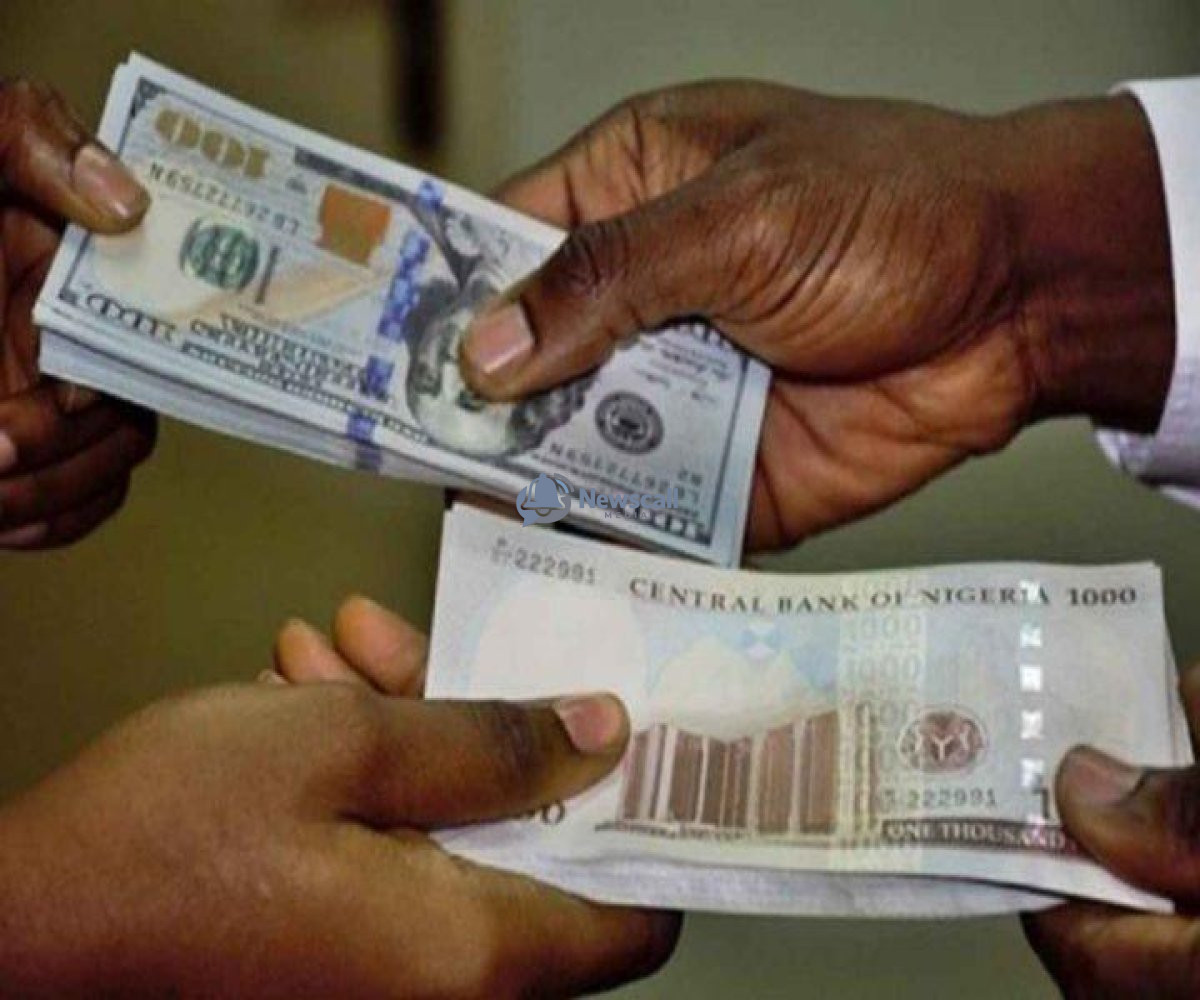
A massive N500 billion deduction from Nigeria’s Federation Account has sparked fresh debate over transparency and security spending after it emerged that the funds were quietly set aside for a national security emergency intervention before revenue was shared among the Federal Government, states, and local councils. The controversial move, which formed part of nearly N1 trillion in pre-allocation deductions, comes as the country grapples with escalating insurgency, banditry, kidnappings, and violent attacks across multiple regions.
As Nigeria confronts an increasingly complex security crisis, fresh revelations have shown that approximately N500 billion was deducted from the Federation Account Allocation Committee (FAAC) revenue for May 2026 to finance a national security emergency intervention fund.
Multiple senior officials familiar with the FAAC proceedings confirmed that the deduction was made before the monthly revenue-sharing exercise among the Federal Government, the 36 states, and the 774 local government councils.
One source close to the committee disclosed that the security allocation was approved as part of efforts to strengthen ongoing military and intelligence operations across the country.
“FAAC deducted N500 billion for the national security emergency fund this month,” the official revealed.
Another insider explained that the deduction contributed significantly to the difference between the total revenue generated by the federation and the amount eventually distributed to the three tiers of government.
“That is where part of the FAAC windfall is going,” the source stated, adding that state commissioners of finance who participated in the FAAC meeting were fully aware of the decision.
“Commissioners are not raising objections because they are part of the process and understand the reasons behind the deduction,” the source added.
Nearly N1 Trillion Removed Before Revenue Sharing;
Documents from the May 2026 FAAC meeting indicate that the security allocation formed part of broader deductions totaling N952 billion from federation revenues before distribution.
The breakdown shows that:
- N250 billion was allocated to a Military Intervention Fund.
- N252 billion was earmarked as an Infrastructure Development Fund for states.
- N450 billion was transferred to the Non-Oil Excess Revenue Account.
Together, the three deductions amounted to nearly N1 trillion, significantly reducing the funds available for direct allocation to federal, state, and local governments.
Despite the deductions, FAAC distributed N2.30 trillion to the three tiers of government for May 2026, representing an increase of N43 billion compared to the N2.26 trillion shared in April.
According to the Office of the Auditor-General of the Federation, the distributable revenue consisted of N1.611 trillion in statutory revenue and N688.785 billion generated from Value Added Tax.
Revenue Allocation Breakdown
The FAAC communiqué revealed that total gross revenue available for the month stood at N3.395 trillion.
Before distribution, N123.546 billion was deducted as the cost of collection, while N971.610 billion was reserved for transfers and refunds.
From the N2.30 trillion eventually shared:
- The Federal Government received N818.680 billion.
- State governments received N759.141 billion.
- The 774 local government councils received N534.277 billion.
- Oil-producing states shared N188.132 billion as 13 percent derivation revenue.
Although the official communiqué did not specifically mention the security intervention fund, insiders confirmed that the N500 billion allocation was included within the transfers and refunds category.
Security Challenges Driving Emergency Funding
The move comes amid growing concerns over Nigeria’s worsening security situation.
The country continues to face multiple threats, including insurgency in the North-East, widespread banditry and mass abductions in the North-West, deadly farmer-herder clashes in the North-Central, separatist unrest in the South-East, and crude oil theft and pipeline vandalism in the Niger Delta.
Despite successive increases in defence spending over the years, security agencies continue to battle sophisticated criminal networks, forcing the government to seek additional funding mechanisms.
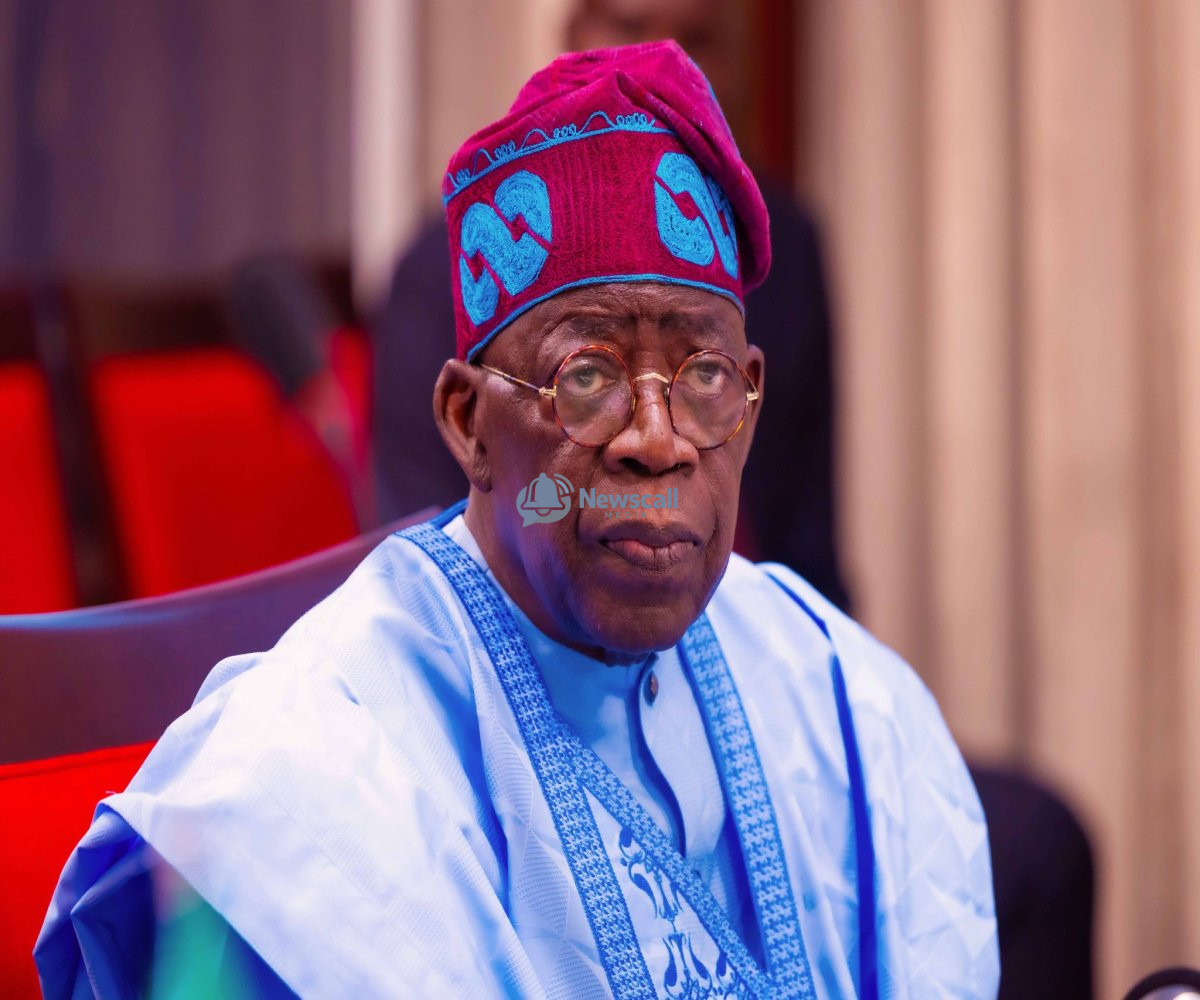
Since assuming office in 2023, President Bola Tinubu’s administration has consistently identified security as a top national priority, approving increased defence budgets, procuring military hardware, and expanding intelligence-led operations aimed at combating terrorism, kidnapping, and organised crime.
Security experts believe the emergency fund could provide much-needed resources for urgent interventions, especially as threats continue to evolve across different parts of the country.
Economists Back Security Fund but Demand Transparency
Economic experts have largely welcomed the creation of the emergency security fund but insist that transparency and accountability must accompany the initiative.
Chief Executive Officer of Economic Associates, Dr. Ayo Teriba, argued that Nigeria’s security sector remains underfunded despite years of increased budgetary allocations.
“Everyone agrees that security challenges remain enormous and that funding gaps are obvious,” Teriba said.
According to him, the country requires additional resources for military equipment, intelligence gathering, troop welfare, surveillance technology, recruitment of police officers, and the establishment of forest guard units.
He noted that the decision to source the money from federation revenues rather than impose new taxes on citizens could make the initiative more acceptable to Nigerians.
“If government wants to create a security fund from FAAC allocations, most people will support it because security is a national necessity. However, Nigerians will expect complete transparency regarding how the funds are spent,” he stated.
Teriba further supported calls by the Department of State Services (DSS) against allowing foreign contributions to security trust funds, warning that some foreign interests could exploit such arrangements to influence domestic security priorities.
DSS Rejects Foreign Funding for Security Trust Fund
Meanwhile, the Department of State Services has urged lawmakers to remove provisions allowing international organisations to contribute financially to the proposed DSS Security Trust Fund.
Speaking during a public hearing at the House of Representatives, DSS representative Emmanuel Duabry warned that foreign funding could compromise operational secrecy and expose sensitive intelligence activities.
According to the agency, international donations may come with reporting obligations capable of revealing intelligence methods, procurement plans, and operational strategies.
“Foreign funding for a security-related trust fund raises serious concerns about sovereignty, confidentiality, and institutional independence,” Duabry argued.
The DSS recommended that only local organisations should be permitted to donate to the proposed fund.
Nevertheless, the agency endorsed the overall objective of the bill, describing it as a strategic step toward guaranteeing sustainable funding for intelligence gathering, counterterrorism operations, rapid response missions, and national security emergencies.
Police Leadership Deployed to Tackle Rising Threats
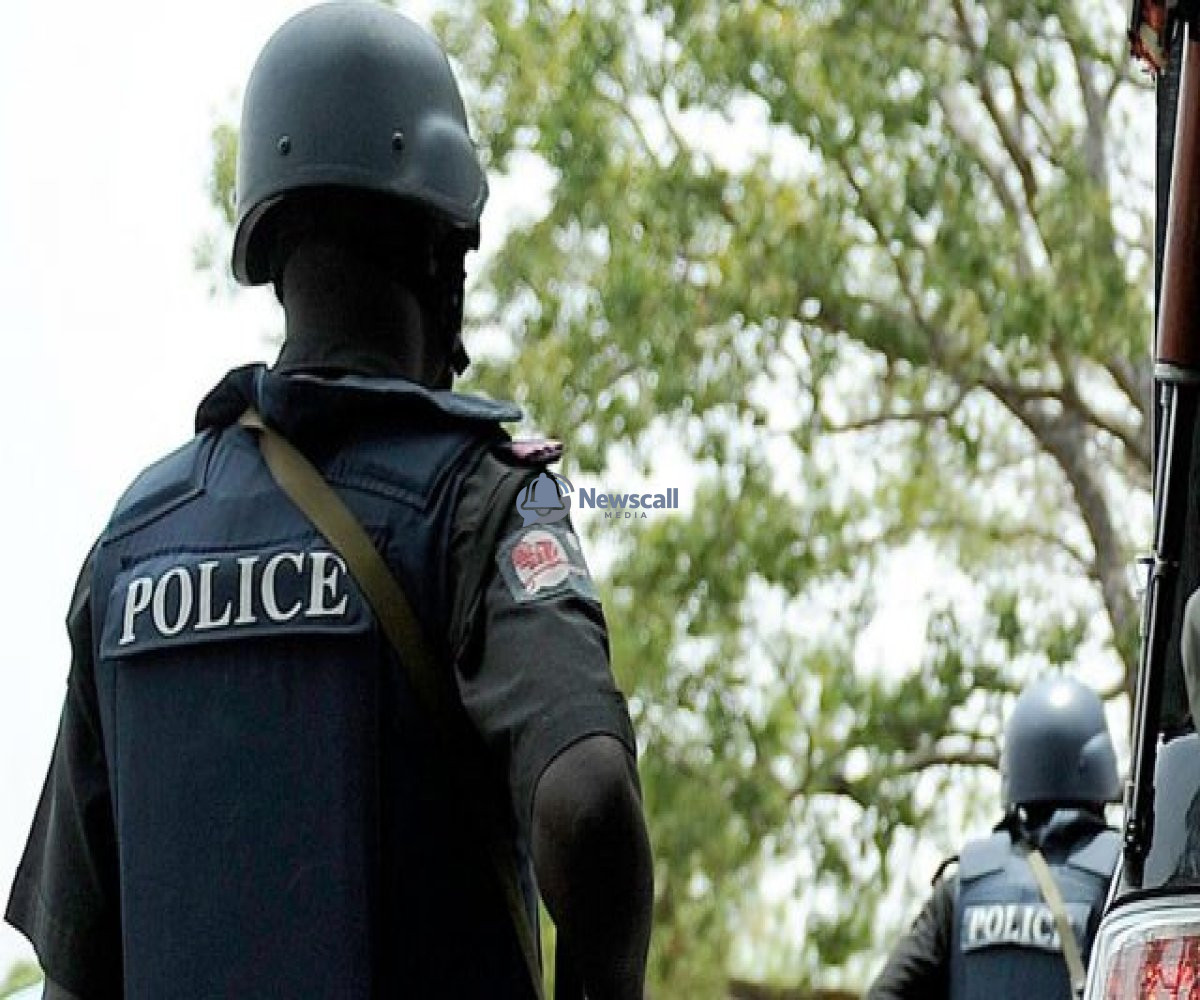
In a related development, Deputy Inspectors-General of Police assigned to Nigeria’s six geopolitical zones have resumed duties following their redeployment by Inspector-General of Police Olatunji Disu.
The initiative is aimed at bringing senior police leadership closer to operational theatres, strengthening intelligence gathering, and improving responses to emerging security threats nationwide.
Force Public Relations Officer Anthony Placid confirmed that all deployed DIGs had returned to their designated zones and commenced operations.
The deployment forms part of broader efforts by the Nigeria Police Force to decentralise command structures, improve coordination, and enhance security responses in regions facing persistent criminal activity.
As Nigeria continues to battle terrorism, banditry, kidnapping, and other security threats, the newly established emergency security fund is expected to become a critical test of the government's ability to balance urgent national security needs with demands for transparency, accountability, and prudent fiscal management.

Anozie Chiemerie Emmanuel
Writer