

From Teen First Lady to Fourth-Time Challenger: Keiko Fujimori’s Long Fight for Peru’s Top Job.
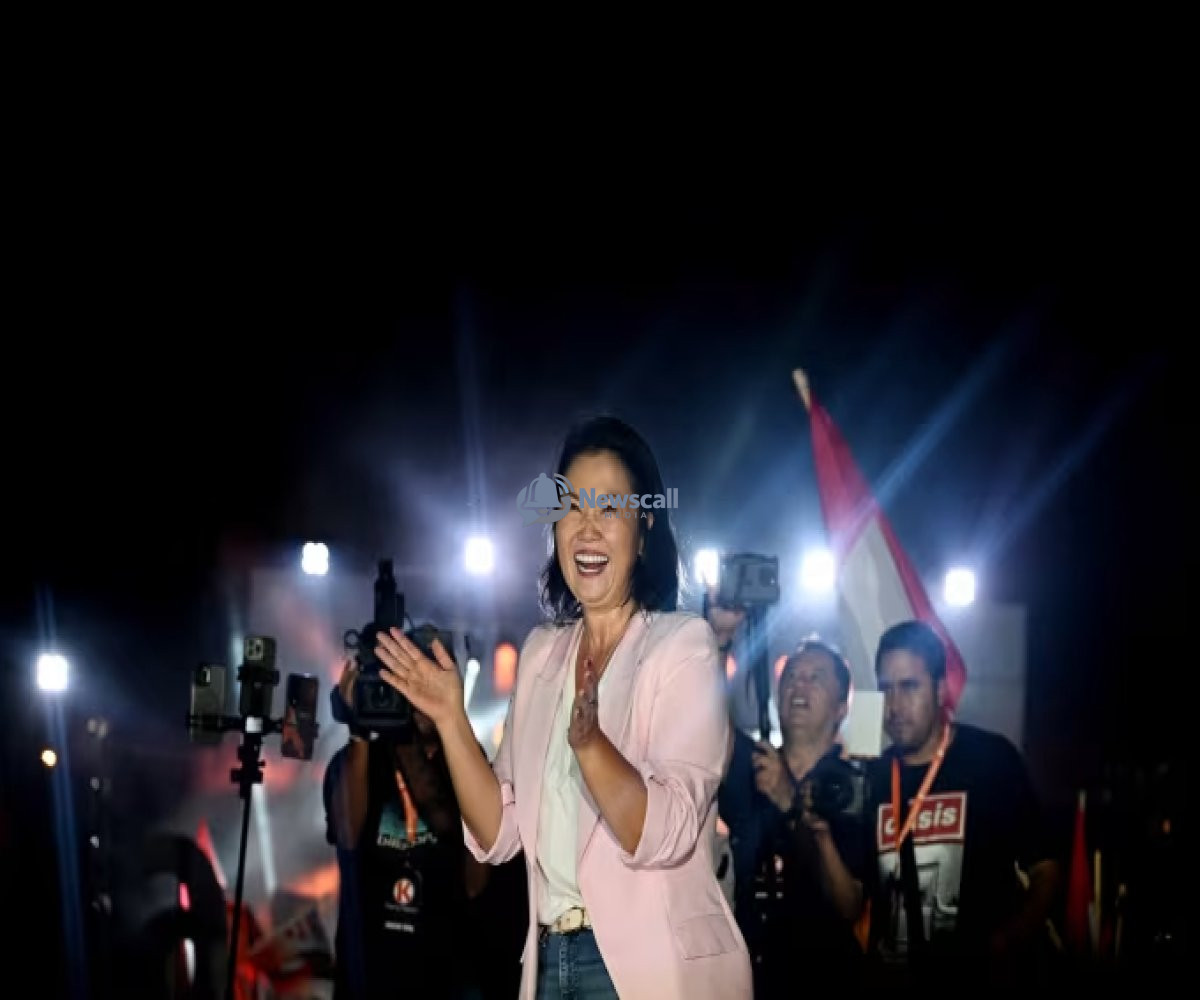
At just 19 years old, Keiko Fujimori stepped onto the world stage as Peru’s first lady. It was 1994, and she looked shy and nervous in a black dress, standing beside her father, then-President Alberto Fujimori, at a summit hosted by Bill Clinton. She took on that role after her mother publicly accused her father’s government of corruption and then separated from him. That moment marked the beginning of Keiko’s political life.
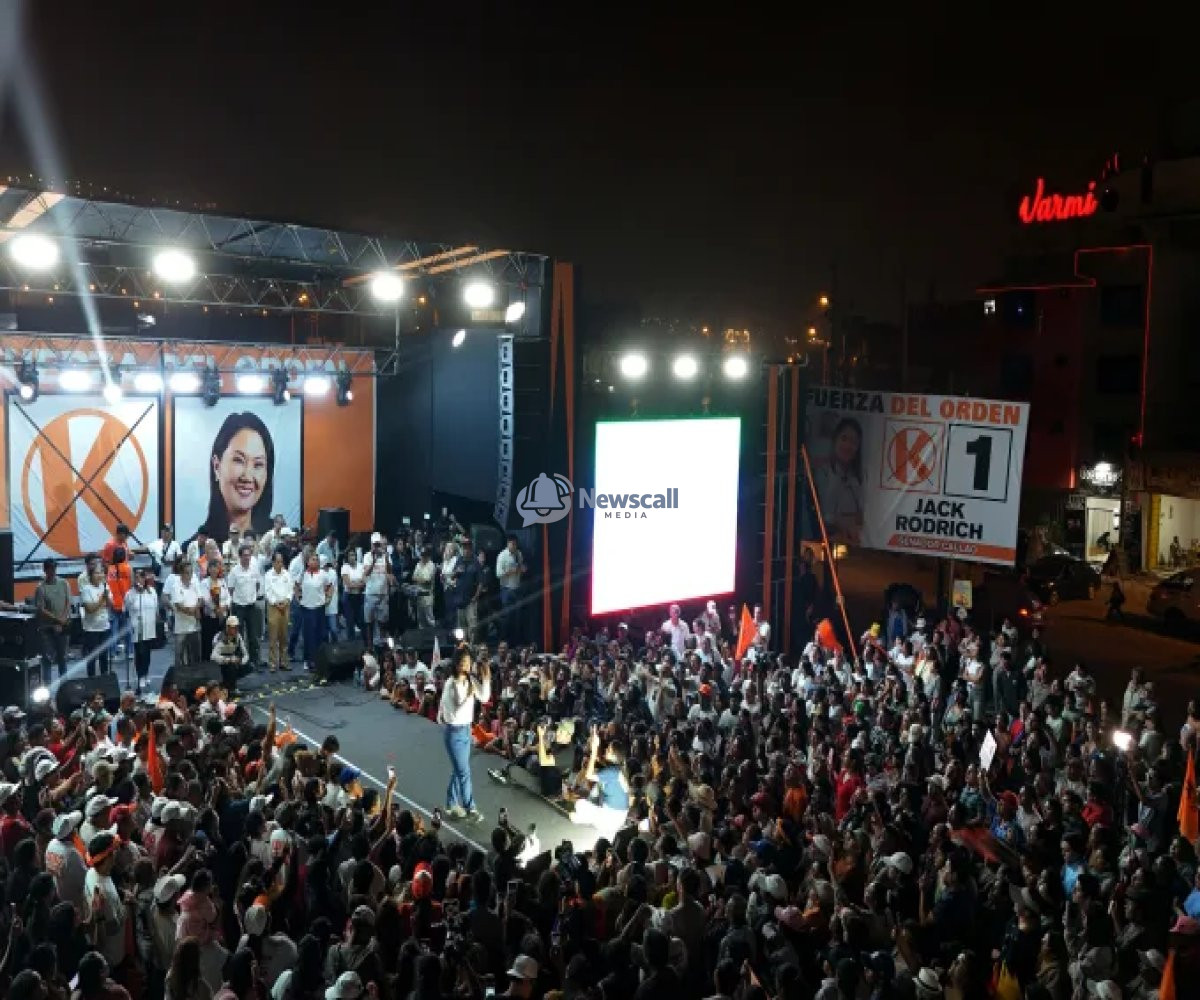
Now 51, Keiko is trying for the fourth time to win Peru’s presidency. She’s already lost three straight races in 2011, 2016, and 2021. This time, she’s up against leftist candidate Roberto Sánchez, and some polls show her with a slight edge. She might finally have a real shot.
Keiko says she’s the answer to Peru’s chaos. The country has gone through eight presidents in ten years, thanks to constant political crises, corruption scandals, rising crime, and growing insecurity. “We need order,” she said during a debate. “Order to live, order to invest, order to work.”
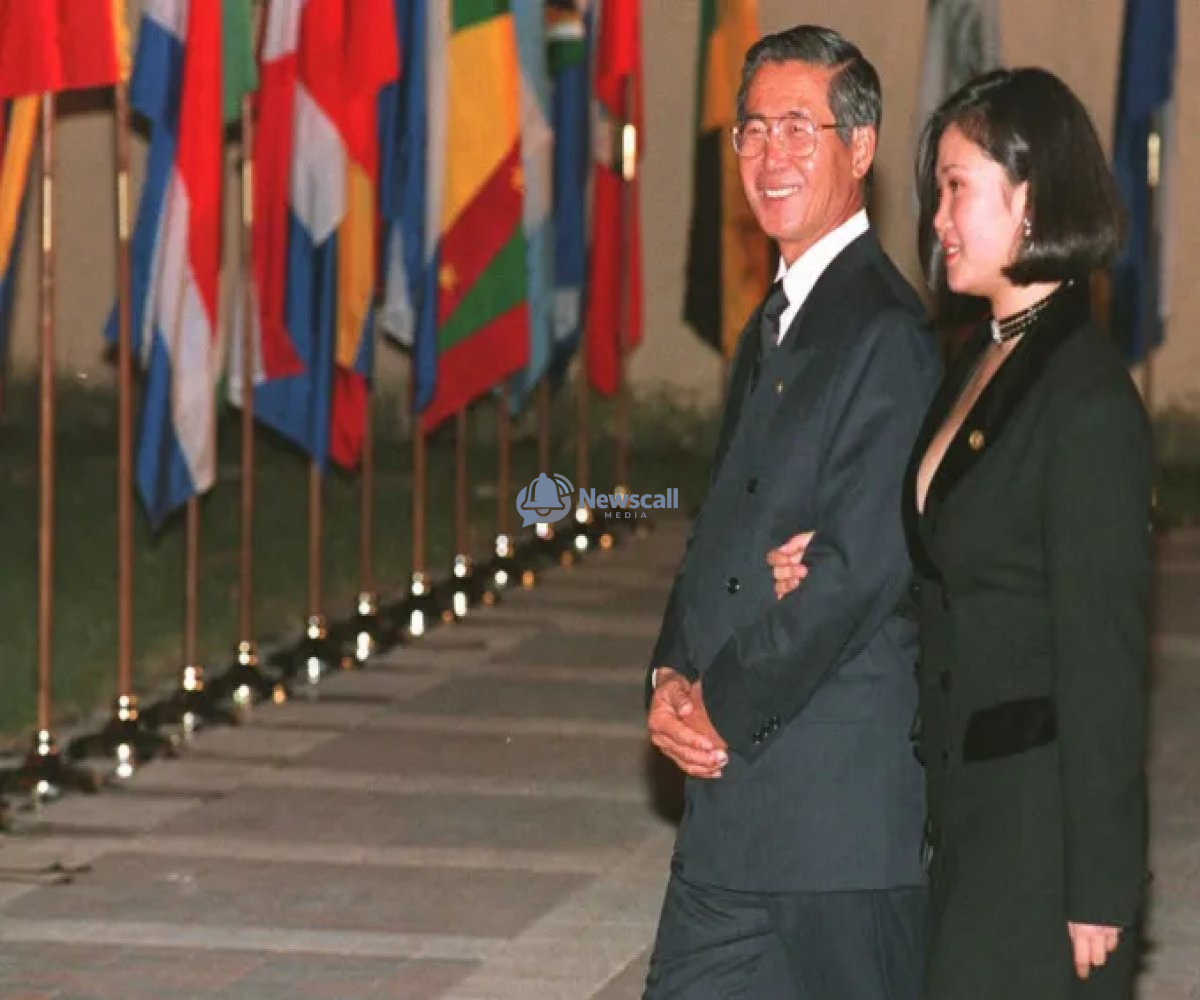
She’s the heir to “Fujimorismo” the political movement built by her father. She became a congresswoman in 2000, founded the Popular Force party, and even spent 13 months in prison while being investigated for allegedly taking illegal money from a Brazilian construction company to fund her campaigns. She’s always denied it. Earlier this year, a court threw out the case, and Keiko says she suffered ten years of political persecution.
This time around, she’s trying to sound different. More calm. Less extreme. She admits she’s made mistakes. “I learned from them,” she says. “And I came back stronger.” A political scientist who follows Peru closely says she’s making a real effort to drop the old “fighting communism” rhetoric that hurt her in 2021.
But her father’s shadow is long and complicated. Alberto Fujimori saved Peru’s economy and defeated brutal terrorist groups, but his government was also accused of human rights abuses and corruption. He died in 2024 while serving a 25-year prison sentence. For many Peruvians, Keiko still represents that authoritarian past. Just last weekend, crowds marched in Lima chanting “Keiko no va” Keiko won’t make it.
Still, younger voters those born after her father left power in 2000 don’t seem to feel that same resistance as strongly. And her opponent, Sánchez, hasn’t been able to make the anti-Fujimori stick land effectively. One analyst says Sánchez lacks the fresh, outsider appeal that helped Pedro Castillo win in 2021.
Even if Keiko wins, her critics say she’s part of the problem. Her party has been the majority in Congress and is accused of weakening independent institutions, protecting its own interests, and helping push out previous presidents. A Human Rights Watch report said lawmakers including hers have often acted out of personal gain, not public good.
Keiko disagrees. She admits her party was confrontational with one former president, but denies being obstructionist. “We approved the most important laws,” she said.
Voters are tired. In the first round, no one got more than 20% of the vote. Many people say they’ll just pick “the lesser evil.” Others plan to spoil their ballots. But Keiko has won some surprising support this time.including from a former rival who says she’s now more prepared, more committed to the constitution, and less risky for the economy than the leftist candidate.
More than 30 years after she first stood on her father’s arm at that summit in Florida, Keiko Fujimori might finally become Peru’s ninth president in a decade.

Umeanozie Prosper
Writer, Novelist,blogger, content creator