

Imo Assembly Aspirant Rejects NDC Primary Result, Alleges Manipulation
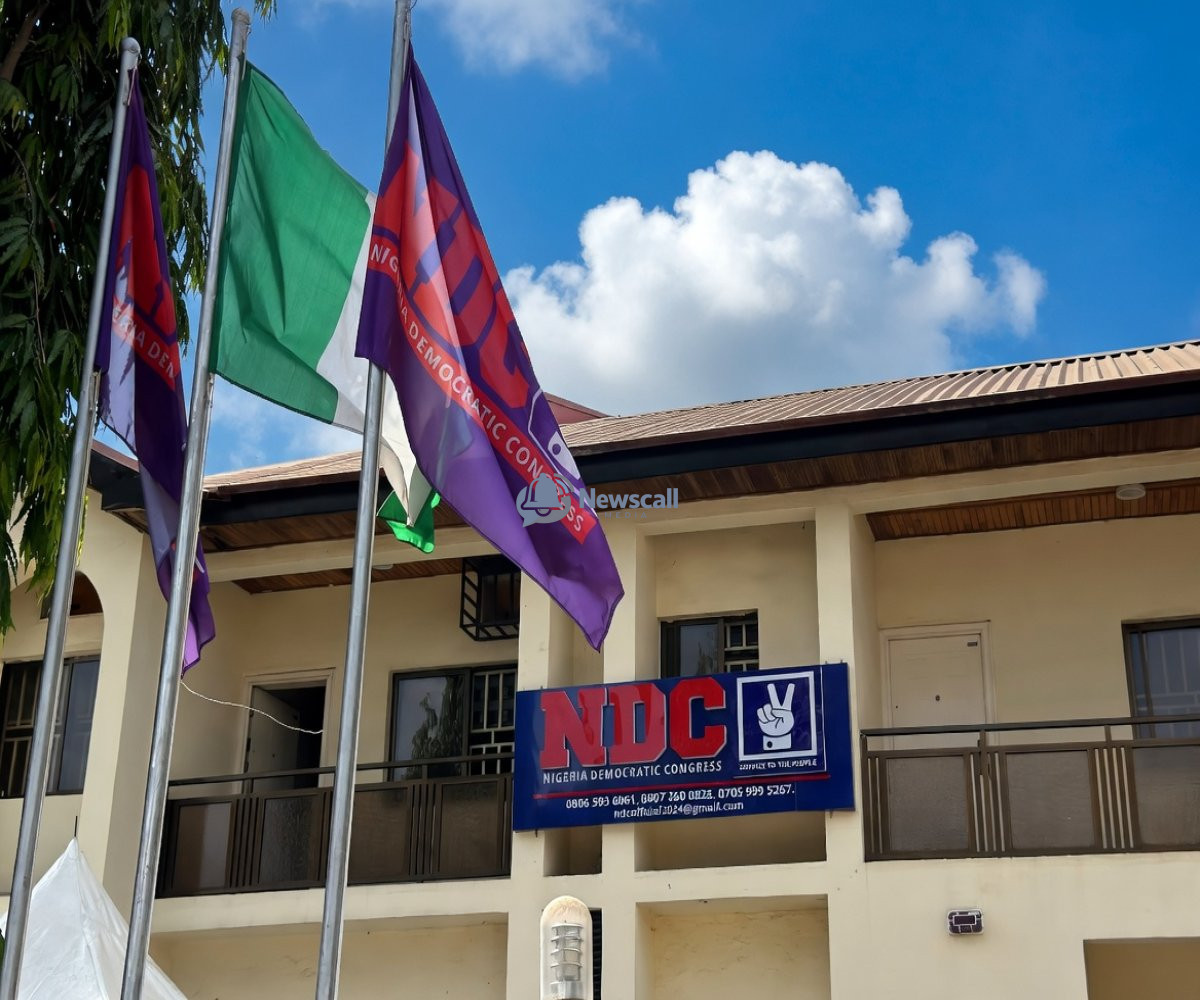
Imo Assembly Aspirant Rejects NDC Primary Result, Alleges Manipulation
A fresh dispute has emerged within the Nigeria Democratic Congress (NDC) in Imo State after House of Assembly aspirant Cyprian Atata rejected the outcome of the party’s primary election in Isu Local Government Area. The aspirant has formally petitioned the party’s national leadership, alleging that the results of the exercise were manipulated and insisting that he was the rightful winner of the contest.
Atata claimed that the primary election was conducted successfully and transparently before the controversy began. However, according to him, events that followed the exercise raised questions about the credibility of the final outcome.
In a petition addressed to the NDC National Chairman and dated June 1, Atata accused the party’s Isu LGA Chairman, Hon. Modestus Nwosu, of issuing multiple result sheets for a single election.
According to the aspirant, the primary initially ended with a result sheet that reflected the votes cast and showed him leading other contestants. He alleged that additional result sheets later surfaced, each presenting different outcomes and favouring rival aspirants.
Atata described the situation as a serious violation of internal party procedures. He questioned how one election could produce multiple official results and argued that such a development undermines confidence in the primary process.
The aspirant further maintained that he secured the highest number of votes during the exercise. He claimed that his victory was evident not only through the voting process but also through the reaction of party members present at the venue.
As part of his evidence, Atata referenced video recordings of the primary election, which he said captured the proceedings and could help establish what transpired during the exercise.
He also disputed the performance of his opponents, insisting that none of them obtained enough votes to surpass his tally. According to him, the vote figures recorded for other contestants fell significantly below the number he secured.
Beyond the allegations of result manipulation, Atata raised concerns about the party’s zoning arrangement for the Isu State Constituency seat.
He argued that the constituency has historically rotated among various clans and communities within the local government area. Based on that arrangement, he claimed that the 2027 ticket should be allocated to the Ishi-Isu axis. As an indigene of Isu Njaba, he maintained that his candidacy aligns with the zoning formula currently in operation.
Atata also highlighted his long-standing involvement in the party. He described himself as a committed member of the NDC and stated that he had remained loyal to the party over the years. In contrast, he alleged that some of the other aspirants only joined the party after unsuccessful attempts to secure tickets elsewhere.
The aspirant further alleged that there were parallel political activities linked to the primary process, claiming that another exercise was conducted outside the officially recognised procedure.
Based on these grievances, Atata is seeking formal recognition as the NDC candidate for the Isu State Constituency seat in the 2027 Imo State House of Assembly election. He stated that he is prepared to abide by party rules and believes he is best positioned to challenge the candidate of the ruling party in the general election.
As of the time of reporting, neither the Isu LGA party leadership nor the NDC national leadership had publicly responded to the allegations.
The controversy comes at a sensitive period for political parties across Nigeria as preparations for the 2027 general elections gather momentum. Primary elections are often among the most contentious stages of the electoral process because they determine who will represent parties in major contests.
Disputes arising from primaries have historically led to internal divisions, court cases, defections, and prolonged political battles. For opposition parties in particular, unresolved disagreements can weaken campaign structures and affect electoral performance.
The situation in Isu LGA also highlights the recurring importance of zoning arrangements in local politics. Such agreements are often designed to promote inclusion and balance among communities, but disagreements over interpretation can trigger intense political disputes.
What began as a routine party primary in Isu LGA has now evolved into a high-stakes contest over legitimacy, zoning, and internal party democracy. Cyprian Atata’s petition has placed the NDC leadership under pressure to clarify the outcome of the exercise and address allegations of irregularities.
With the party yet to release an official result or respond publicly to the claims, attention is likely to remain focused on how the dispute is resolved. The decision taken by the NDC could shape not only its prospects in Isu State Constituency but also perceptions of its internal democratic processes ahead of the 2027 elections.

Nwekwe Esther Amarachukwu
Public speaker,Research-driven writer covering politics and public affairs, committed to accuracy, and meaningful public discourse.