

Kenneth Okonkwo Opposes ADC Vice-Presidential Choice, Warns Against South-East Marginalisation
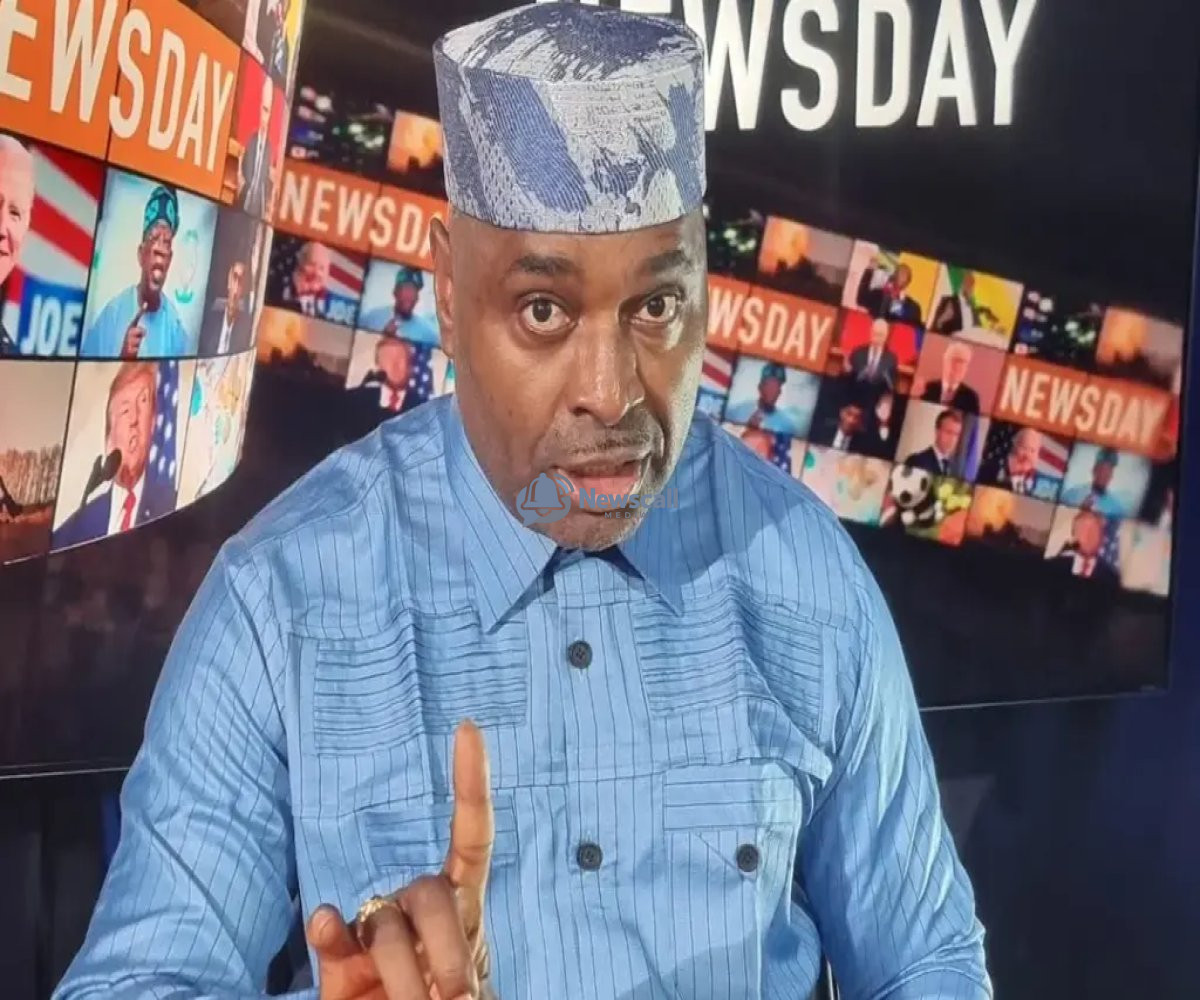
Kenneth Okonkwo Opposes ADC Vice-Presidential Choice, Warns Against South-East Marginalisation
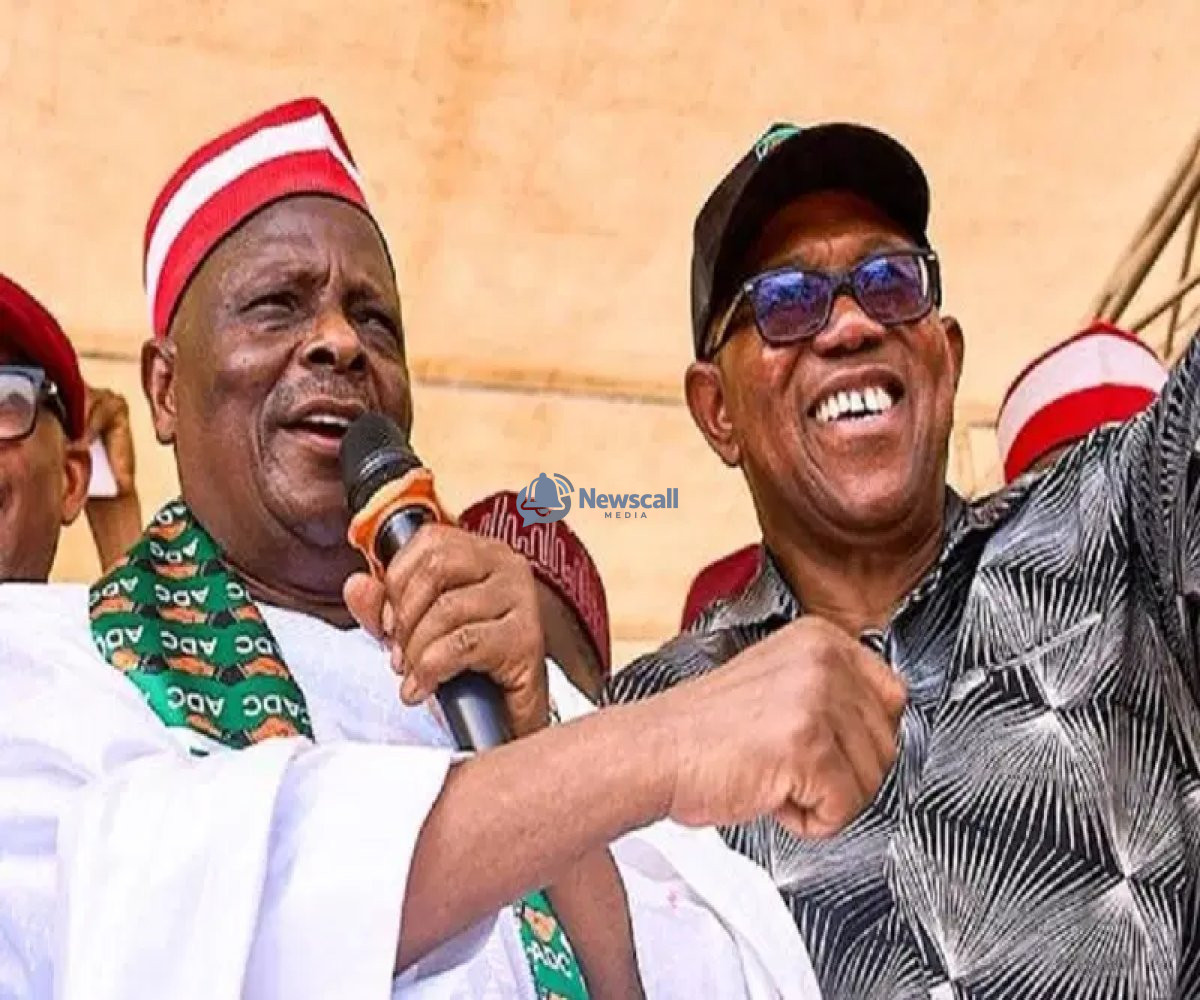
Actor-turned-politician Kenneth Okonkwo has openly criticised reports that the African Democratic Congress (ADC) selected its 2027 vice-presidential candidate from Nigeria’s South-South region, arguing that such a decision would deepen long-standing feelings of exclusion in the South-East.
Okonkwo’s reaction followed the party’s announcement naming former Rivers State Governor Rotimi Amaechi as running mate to former Vice President Atiku Abubakar for the 2027 presidential election.
The development has triggered renewed conversations around regional representation, equity and power-sharing ahead of the next election cycle.
In a statement shared through his social media platforms, Okonkwo expressed concern that the reported decision contradicts expectations of political inclusiveness and national balance.
According to him, the South-East remains the only geopolitical zone in Nigeria that has not produced either a President or Vice President since the return to democratic governance in 1999.
He argued that overlooking the region again for a major national position risks reinforcing perceptions of political marginalisation.
The African Democratic Congress confirmed the vice-presidential selection through a statement issued in Abuja by its National Publicity Secretary, Bolaji Abdullahi, following consultations with party stakeholders, coalition partners and representatives from across the federation.
Reacting to the development, Okonkwo referenced the historical roots of the party and the role played by its founder.
“The ADC was founded by Ralph Nwosu from the South-East in 2005. He made the sacrifice to give up the party in 2025 for the coalition to usher in a better Nigeria. He couldn’t have made that sacrifice to marginalise his own people.”
Okonkwo maintained that after surrendering both the party’s national leadership and presidential ambition to support a broader coalition agenda, excluding the South-East from the vice-presidential ticket would send the wrong message.
He further revealed that his only appeal to Atiku Abubakar had been to translate previous public commitments toward South-East inclusion into action by choosing a running mate from the region.
According to him, symbolic promises without political outcomes may weaken public confidence.
“I joined politics to fight for a better Nigeria where no region, geo-political zone, or person will be marginalised.”
The former Labour Party chieftain also suggested that his future political engagement may depend on how inclusive the final ticket becomes.
“I wish him well. I am not favourably disposed to campaigning for any presidential ticket that does not have a person of South-East origin as President or Vice President in 2027.”
His remarks represent a notable shift in posture and highlight growing pressure within opposition circles over balancing coalition interests with regional expectations.
Questions of regional inclusion and power rotation have remained central to Nigeria’s political landscape, especially since the return to democratic rule.
The debate extends beyond party politics and reflects broader conversations around fairness, representation and national cohesion.
For many political stakeholders in the South-East, access to top executive positions remains an important symbol of inclusion within Nigeria’s federal structure.
As parties begin positioning for the 2027 election, decisions around presidential and vice-presidential tickets are likely to shape alliances, voter sentiment and campaign narratives across different regions.
Okonkwo’s position underscores the delicate balance opposition parties must manage as they attempt to build broad coalitions while maintaining regional confidence.
Kenneth Okonkwo’s intervention has added another layer to the unfolding political calculations ahead of 2027.
While the ADC’s leadership may view its ticket arrangement as strategic, reactions from influential voices within the coalition suggest that questions of representation remain unresolved.
As political negotiations continue, attention may increasingly shift from who emerges as candidates to whether voters see those choices as inclusive enough to inspire national support.

Nwekwe Esther Amarachukwu
Public speaker,Research-driven writer covering politics and public affairs, committed to accuracy, and meaningful public discourse.