

Rising Political Tensions in India Deepen Ahead of Key Elections
Rising Political Tensions in India Deepen Ahead of Key Elections
April 22,2026
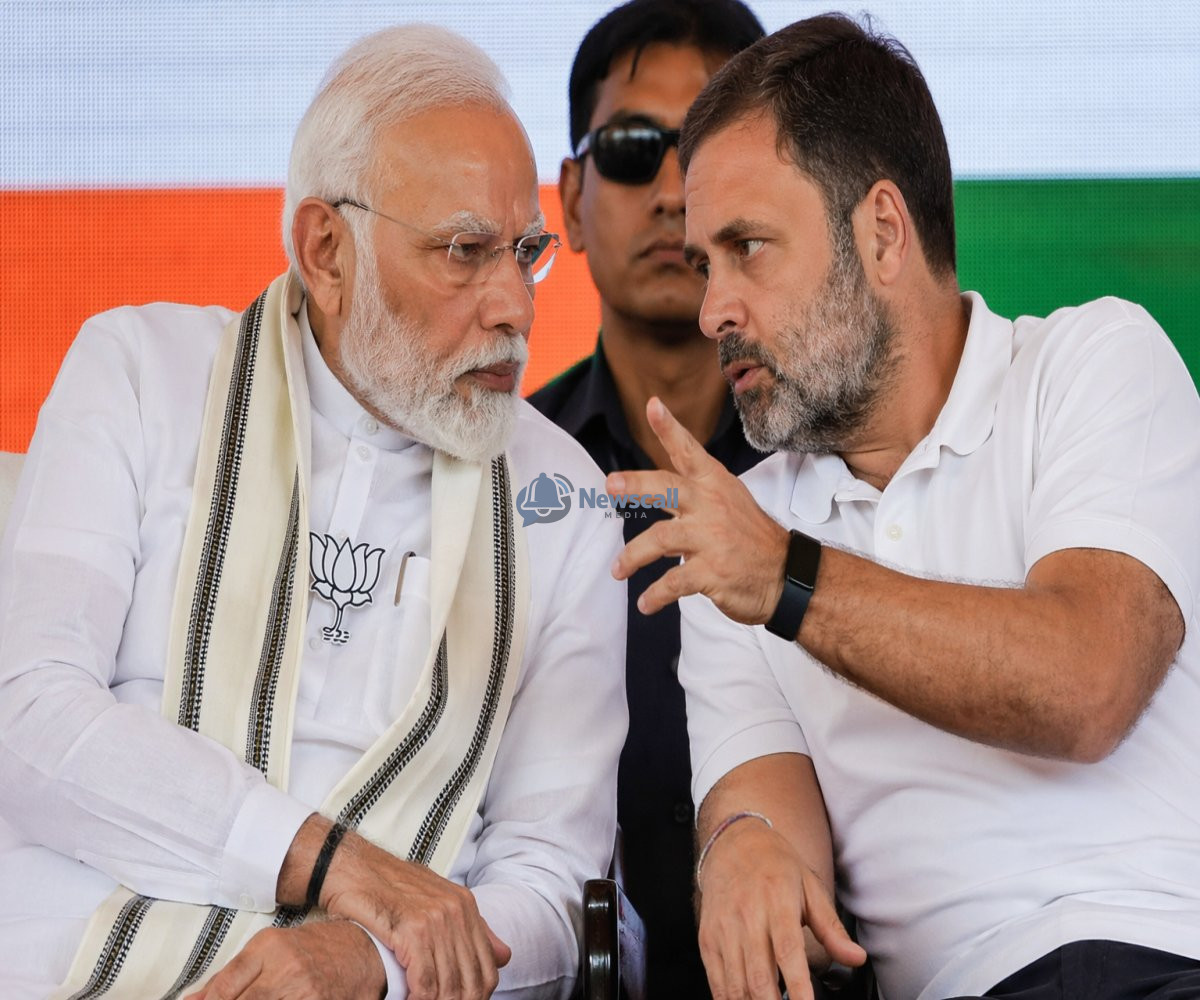
Political tensions in India have risen in recent weeks, as disputes between the ruling government and opposition parties continue to shape the nation’s political landscape ahead of upcoming electoral contests.
At the center of the tensions is the administration led by Prime Minister Narendra Modi, whose policies and leadership style have drawn both strong support and sharp criticism. The ruling Bharatiya Janata Party (BJP) has defended its governance record, citing economic growth, infrastructure development, and national security measures as key achievements.
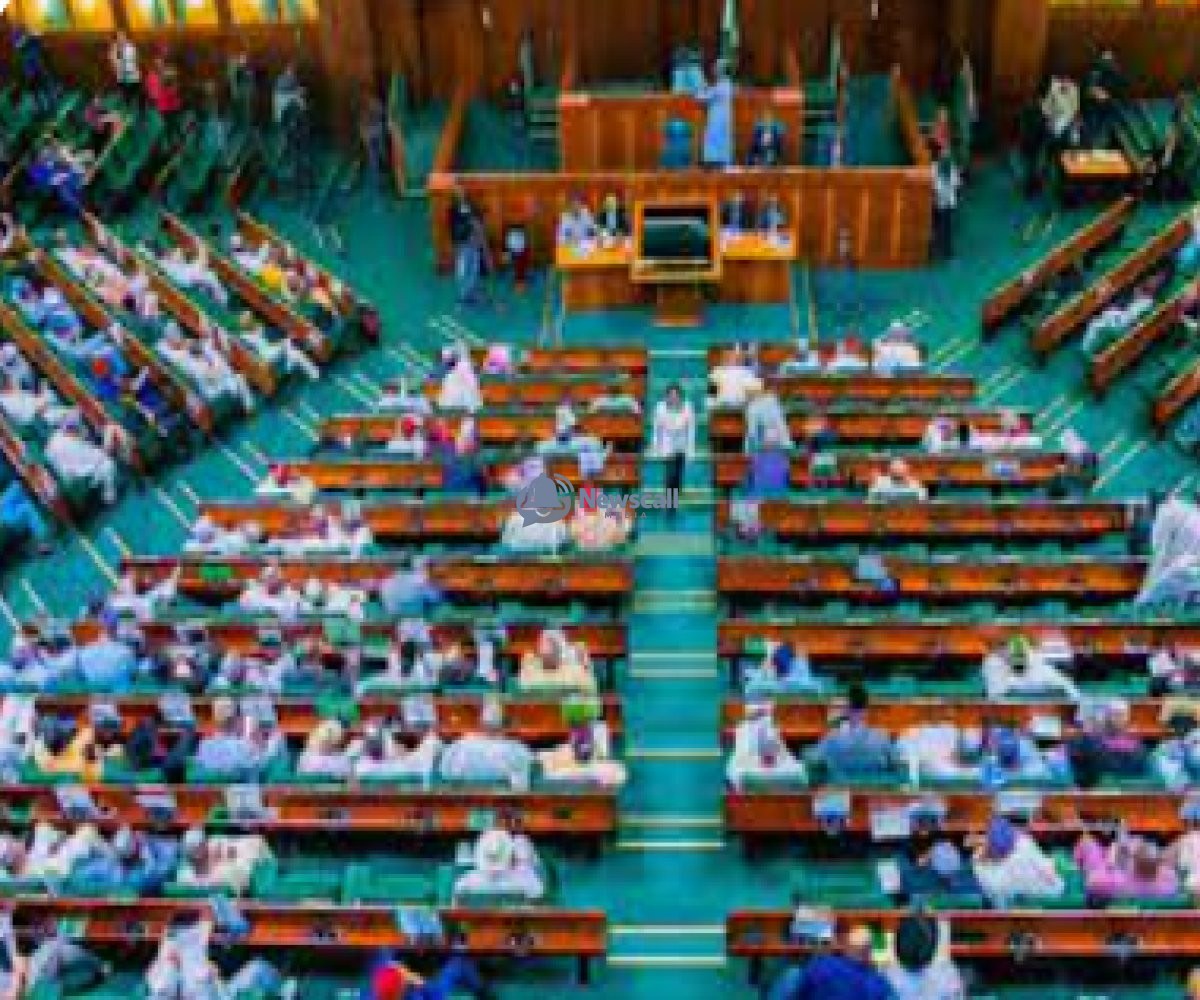
However, opposition groups, including the Indian National Congress, have accused the government of undermining democratic institutions and limiting dissent. Recent parliamentary sessions have been marked by heated debates, protests, and occasional disruptions, reflecting deep divisions within the political system.
A major flashpoint has been the use of investigative agencies, including journalist in questioning opposition leaders. Critics argue that such actions are politically motivated, while government officials insist that the agencies operate independently and are committed to upholding the tent of the rule of law.
These allegations have further strained relations between political actors and fueled public debate across the country.
Simultaneously, issues such as electoral transparency, media freedom, press freedom and regional autonomy have become the major points of contention.many regional parties have voiced concerns over what they describe as increasing excersing power within a single angle while civil society organizations have raised alarm for greater protection of democratic rights.
The situation also which escalated onto the streets, leading to protest organized by both supporters and critics of the government. While most demonstrations have remained peaceful, authorities have occasionally given some unnecessary restrictions to maintain the public order, raising further questions about the equity between security and civil liberties.
Political analysts note that such fear are not unusual in a democracy like active India, but warn against it .
As India draws closer to its next main elections, the evolving political climate is expected to play a good role in shaping voter sentiment.if the tension will translate the political reach at hand.
For now, the center of discussion remains on how political leaders manage disagreements and if efforts will be made to reduce rise of fear in the interest of the stability of the nation.
Nnachi chinonso Amos
Writer, orator, public speaker,broadcaster