

“My Dad Died Dreaming of This”: For Cuban Exiles, $9 Billion in Seized Property Could Finally Be Returned.
Nicolás J. Gutiérrez holds the title of president of the National Association of Sugar Mill Owners of Cuba. But here’s the thing: he’s never actually been to Cuba. And he doesn’t run a single sugar mill there.
“I grew up here in Miami,” Gutiérrez told CNN. “My dad instilled this love of Cuba in me. When he died, he was amazed how much it had taken root.”
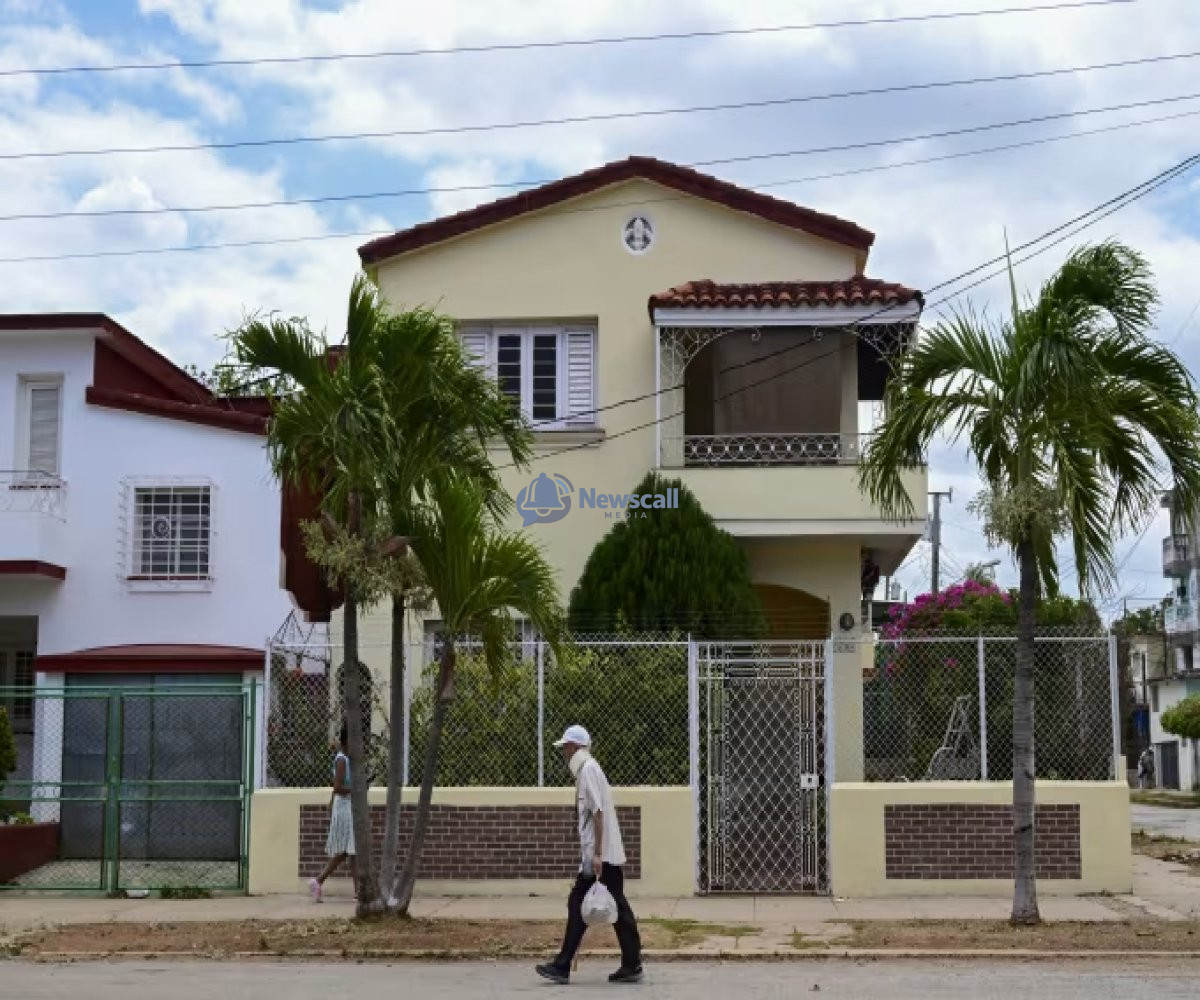
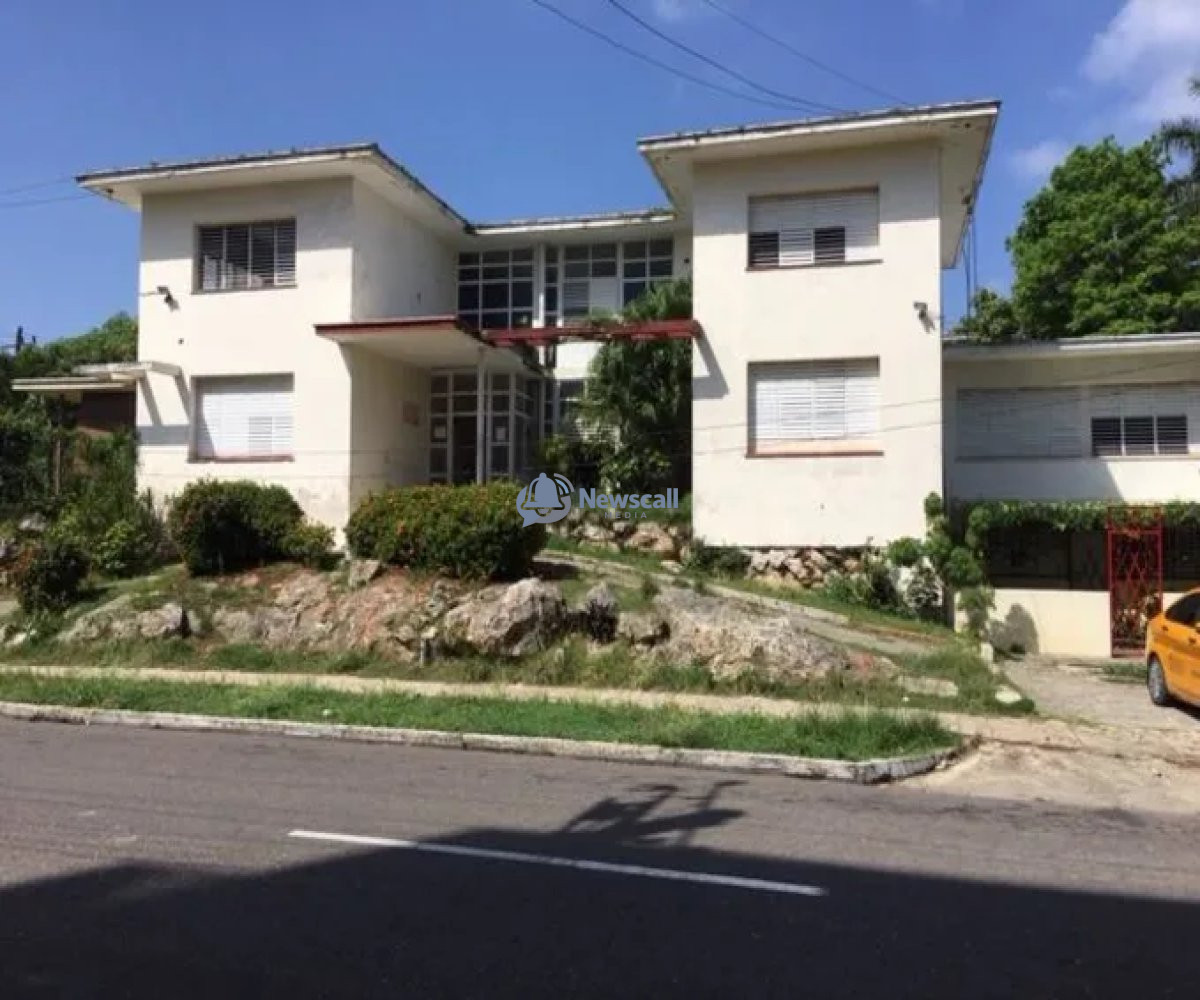
His father was what he calls a “young millionaire” who fled the island after trying to help anti-Castro rebels. He left behind a fortune in sugar mills, banks, and businesses. Now, Gutiérrez has spent most of his career fighting for diaspora Cubans who want those lost assets back billions of dollars’ worth.
And for the first time in decades, he feels real hope.
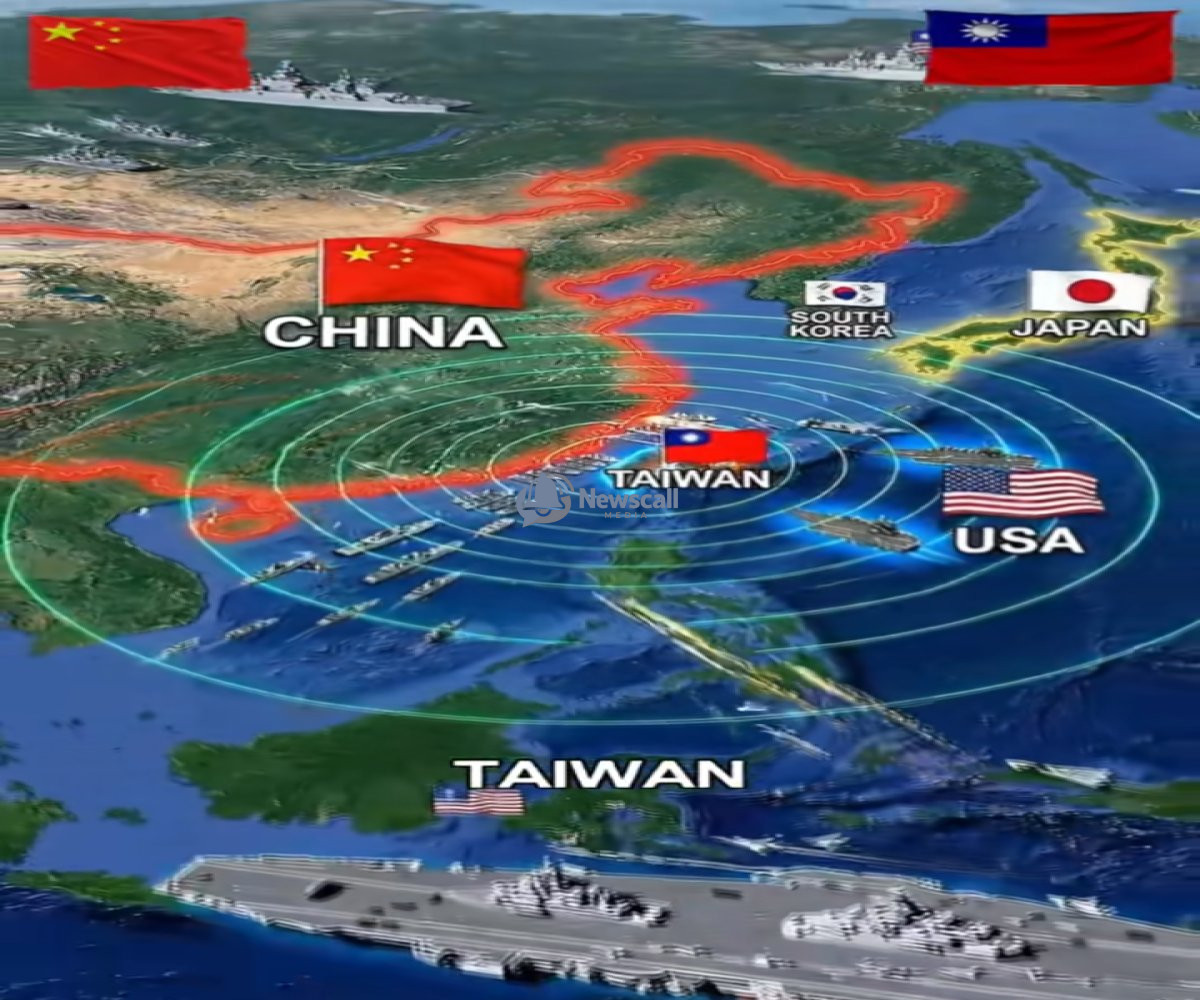
With former President Raúl Castro (now 94) indicted by the U.S. government, President Trump hinting he’ll be “taking” Cuba soon, and fellow Miami native Marco Rubio as Secretary of State, the stars seem to be aligning.
“I’ve represented maybe a thousand Cuban families like my own,” Gutiérrez said. “We’ve been hopeful for many years, but we’ve never, never, never had a situation like this.”
Just days after that conversation, the U.S. Supreme Court issued an 8-1 ruling allowing a lawsuit over property confiscated by Cuba’s government to move forward. Gutiérrez called it “the culmination of decades of hard work.”
At the center of all this is a staggering sum: more than $9 billion. That’s the estimated value including interest of property taken from U.S. citizens and corporations after Fidel Castro’s revolution.
The backstory: Cuba started nationalizing land and businesses soon after Castro took power in 1959, first through an agrarian reform program that broke up large estates and gave land to the poor. But in 1960, Castro went further, mass-nationalizing American owned oil refineries, sugar plants, and banks.
The U.S. hit back with sanctions. President Eisenhower launched the first embargo. Nearly 70 years later, it’s still there.
The Helms-Burton Act of 1996 made the fight official, allowing U.S. citizens to sue anyone “trafficking” in their old properties and tying any future rapprochement to Cuba becoming a democracy and returning the assets.
Enrique Carillo, a writer whose family owned a large rum business before it was seized, said he never thought he’d see this day. “I didn’t even know it would happen in my lifetime,” he said. “But I absolutely wish to recover our assets.”
Not everyone is celebrating, though.
Lillian Guerra, who runs the Cuba program at the University of Florida, has a darker view. She says the push isn’t about everyday Cubans getting justice it’s about wealthy exiles longing for a past where they held all the power.
“Trump is not interested in helping me recover my grandfather’s house,” she said. “He’s interested in helping the powerful families who want revenge.”
Gutiérrez rejects the “right-wing” label, even as a self-described Republican. “The positions I’m advocating for Cuba can’t fairly be described as far-right,” he said.
But there’s a massive obstacle: Cuba is broke.
Economist Ricardo Torres of American University says there’s almost no chance the Cuban government could pay back that kind of money. “Massive, total, immediate compensation would be entirely impossible,” he said.
Meanwhile, Cuba has its own claims against the U.S.—about $170 billion in damages from the embargo, plus a $181 billion lawsuit over “human damages” from decades of militant activity, including a 1976 bombing of a Cuban flight that killed 73 people.
Torres points to a possible model: Vietnam. After the fall of Saigon, Vietnam eventually stopped pressing for reparations without formally dropping the claim. That helped open the door for the U.S. to end its embargo and recognize the country.
“If a real window opens, it wouldn’t surprise me if Cuba said, ‘We’re dropping these claims, we don’t want any obstacles,’” Torres said.
But for Gutiérrez, that’s not enough. A Vietnam model would leave Cuba’s government intact. The Helms-Burton Act demands a new government entirely.
“We’re very wary of any kind of deal with elements of the regime,” he said. “We would like a new start.”
And he thinks that new start could come as early as this year, before the November midterms. “I think something will be done before then.”

Umeanozie Prosper
Writer, Novelist,blogger, content creator