


Nigeria Faces Alarming Food Safety Crisis as Unsafe Food Claims 53,000 Lives Annually — FG Sounds Urgent Alarm.
Nigeria Faces Alarming Food Safety Crisis as Unsafe Food Claims 53,000 Lives Annually — FG Sounds Urgent Alarm.
Nigeria is confronting a deepening public health emergency hidden in plain sight: the food on everyday plates.
The Federal Government has raised serious concern over the escalating burden of foodborne diseases in the country, revealing that unsafe food is responsible for more than 53,000 deaths and nearly 50 million illnesses annually in Nigeria a crisis now being described as both a health emergency and a threat to national development.
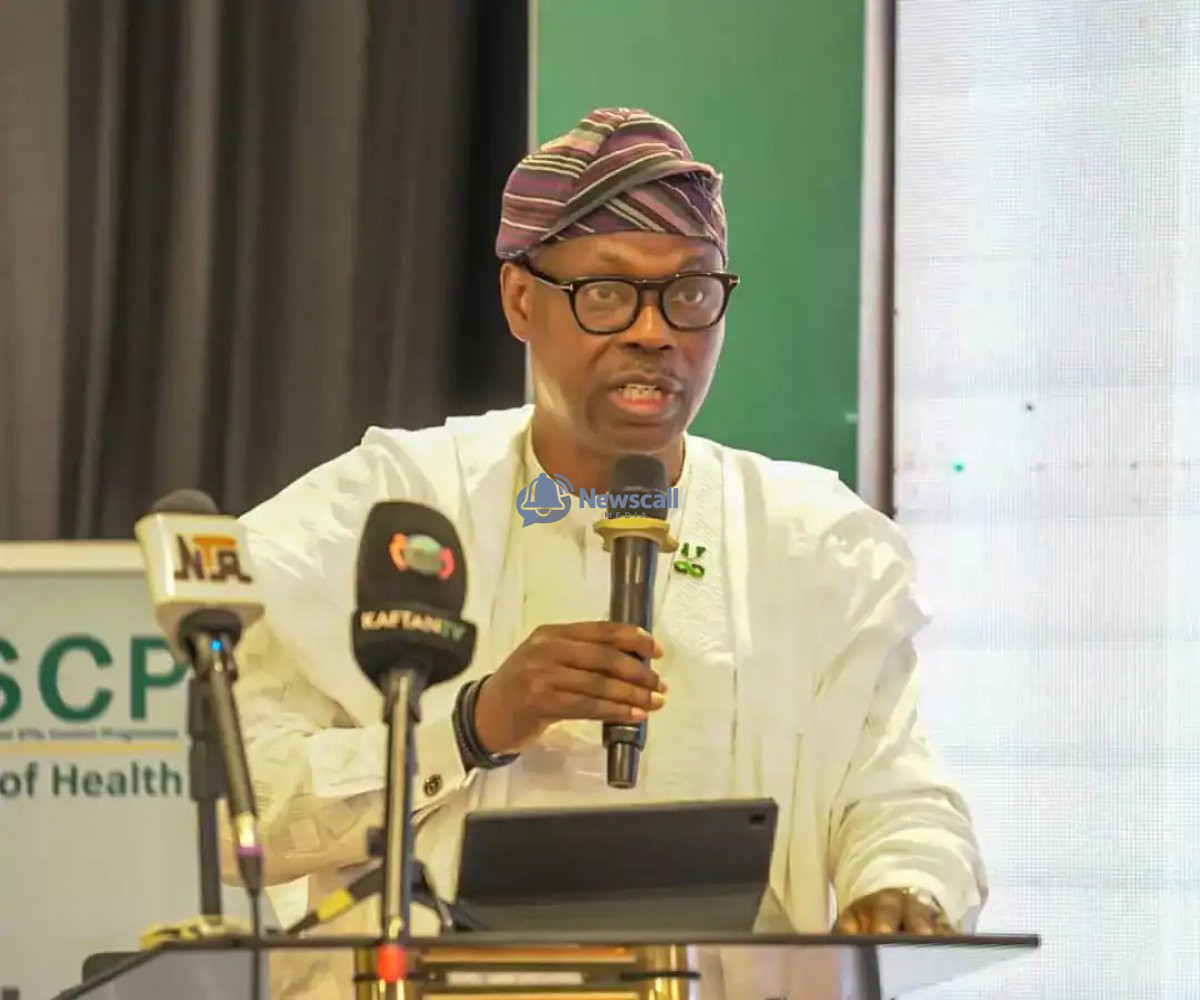
The warning was issued in Abuja by the Minister of State for Health and Social Welfare, Dr. Iziaq Salako, during a ministerial briefing to mark the 2026 World Food Safety Day themed “From Burden to Solutions Safe Food Everywhere.”
Millions Affected, Children Hit Hardest
According to Salako, the impact of unsafe food goes far beyond immediate illness, stripping millions of Nigerians of productive years of life.
He disclosed that Nigeria loses about 4.26 million years of healthy life annually due to foodborne diseases caused by illness, disability, and premature death.
Even more alarming, he said children under five bear the heaviest burden, accounting for over 80% of all foodborne disease cases in the country.
“The true cost of unsafe food is not only measured in sickness and death, but in the lost cognitive, physical and developmental potential of our children,” Salako warned.
Diarrhoea, Bacteria and Contaminated Food Driving Crisis
The minister noted that diarrhoeal diseases remain the leading foodborne illness in Nigeria, with over 40 million cases annually, linked to dangerous pathogens such as Salmonella, Escherichia coli, Campylobacter, Shigella, and rotavirus.
He added that these infections are a major cause of hospitalisation, malnutrition, and death among children.
“Over 40 million diarrhoeal illnesses in Nigeria are linked to foodborne pathogens,” he said, describing the situation as a persistent public health threat.
Hidden Chemical Threats Emerging
Beyond biological contamination, Salako warned of a rising danger from chemical hazards in the food system.
He cited lead exposure and other contaminants found in grains, spices, and water sources, noting that these toxic exposures are already responsible for “tens of thousands of healthy life years lost.”
He stressed that Nigeria must urgently strengthen surveillance systems across the entire food value chain—from production to consumption.
WHO: Africa Bears Heaviest Burden
The warning comes amid global estimates from the World Health Organisation (WHO), which show that unsafe food causes 866 million illnesses and 1.5 million deaths globally every year, with Africa carrying the highest per-capita burden.
Government Says Progress Made, But Gaps Remain
Despite the grim figures, Salako said Nigeria has made measurable progress in strengthening its food safety architecture.
He referenced the country’s 2023 Joint External Evaluation, which recorded improvements across all food safety indicators, as well as Nigeria’s improved score in the 2025 State Party Annual Report, which exceeded WHO expectations for low- and middle-income countries.
According to him, Nigeria is now among the leading countries in the region in establishing systems for detecting, reporting, and responding to foodborne disease outbreaks.
However, he stressed that the latest statistics must serve as a wake-up call.
Fresh Reforms on Food Safety and Nutrition
The minister outlined ongoing policy interventions aimed at reducing both foodborne infections and diet-related diseases, including:
National Guidelines for Sodium Reduction
Draft regulations on salt reduction in processed foods
Industrial trans-fat elimination measures
Strengthening of sugar-sweetened beverage tax policies
Front-of-pack food labelling systems
He also linked food safety to rising cases of non-communicable diseases such as hypertension, diabetes, stroke, and obesity, warning that unsafe diets now pose a dual burden of infectious and chronic disease risks.
“Food Safety Is a National Security Issue”
Salako called for urgent collective action across government, industry, researchers, and consumers.
“Food safety is everyone’s business. It saves lives, strengthens our economy and protects our children,” he said, stressing that unsafe food represents a national health security risk.
He urged stronger enforcement of hygiene standards, improved water and sanitation systems, and stricter compliance among food business operators.
NAFDAC: Stronger Regulation Needed
The Director-General of the National Agency for Food and Drug Administration and Control (NAFDAC), Prof. Mojisola Adeyeye, reinforced the call for action, describing food safety as a public health and socioeconomic imperative.
Represented by Eva Edwards, she said NAFDAC remains committed to science-based regulation, surveillance, and stronger food control systems to ensure safer food production and distribution in Nigeria.
She emphasised that unsafe food undermines national nutrition goals and weakens immunity, worsening disease outcomes.
“Where food is unsafe, our nutritional goals cannot be achieved,” she said.
CAPPA Warns of Rising Diet-Related Diseases
Meanwhile, the Corporate Accountability and Public Participation Africa (CAPPA) warned that Nigeria is also facing a parallel crisis driven by unhealthy diets.
The group said millions of Nigerians are increasingly exposed to excessive sugar, salt, unhealthy fats, and ultra-processed foods—fueling rising cases of hypertension, diabetes, obesity, stroke, kidney disease, and cancer.
CAPPA Executive Director, Oluwafemi Akinbode, argued that food safety must go beyond contamination to include protection against harmful dietary products.
He urged stronger regulation of food marketing, adoption of front-of-pack warning labels, and implementation of national sodium reduction targets.
A Growing National Health Emergency
While Nigeria continues to strengthen food safety governance through agencies like NAFDAC and national surveillance frameworks, experts warn that progress may not be enough unless enforcement, public awareness, and industry compliance are significantly improved.
As World Food Safety Day 2026 is marked globally, the message from health authorities is clear: Nigeria’s food safety crisis is not just about contaminated meals it is about a system-wide challenge affecting survival, productivity, and the future of millions.
Safe food, officials insist, is no longer optional. It is a national priority.

Anozie Chiemerie Emmanuel
Writer