

Nigeria Only 59% Ready for Ebola Outbreak as NCDC Raises Alarm Over Porous Borders, Airport Risks
Nigeria Only 59% Ready for Ebola Outbreak as NCDC Raises Alarm Over Porous Borders, Airport Risks.
As fresh Ebola outbreaks spread across parts of Africa, Nigeria’s top disease control agency has sounded a serious warning: the country is far from fully prepared to confront another deadly Ebola invasion.
The Director-General of the Nigeria Centre for Disease Control and Prevention, Dr. Jide Idris, revealed on Monday that Nigeria’s current preparedness level for a possible Ebola outbreak stands at just 59 per cent, exposing dangerous gaps in surveillance systems, border monitoring, isolation facilities and emergency response infrastructure.
The alarming disclosure comes amid rising fears triggered by recent Ebola outbreaks in Uganda and the Democratic Republic of Congo, two countries with strong travel and migration links to Nigeria. Health experts fear that increasing international mobility, coupled with Nigeria’s porous land borders, could heighten the risk of the virus slipping into the country undetected.
Speaking during an interview on Arise Television, Idris admitted that while Nigeria has made significant improvements since the devastating 2014 Ebola scare, the country still faces major vulnerabilities that could complicate efforts to contain another outbreak.
“Our latest assessment puts Nigeria’s preparedness level at about 59 per cent. Preparedness is dynamic — no country can ever claim to be 100 per cent ready because situations continue to evolve,” Idris said.
“To be honest, we are not where we should be yet. We are improving continuously, but there are still gaps that need urgent attention across the country.”
NCDC Intensifies Nationwide Risk Assessment
According to Idris, the NCDC recently carried out a nationwide dynamic risk assessment aimed at measuring the country’s ability to detect, isolate and contain Ebola cases if the virus is imported into Nigeria.
The exercise examined the readiness of states, hospitals and public health institutions, while also identifying critical weaknesses in emergency preparedness systems.
He explained that the agency deployed public health advisers to various states to work closely with commissioners for health and local authorities in assessing existing structures and response capacity.
The assessment focused on key emergency response components including:
- Isolation and treatment centres
- Public health emergency operations centres
- Laboratory testing capabilities
- Availability of emergency stockpiles
- Disease surveillance systems
- Healthcare infrastructure and workforce readiness
“We sent advisers to evaluate the level of preparedness in the states. We are examining whether isolation facilities are functional, whether emergency operations centres are active and whether there are enough supplies and equipment available if an outbreak occurs,” he stated.
Airports, Borders Identified as Major Weak Points
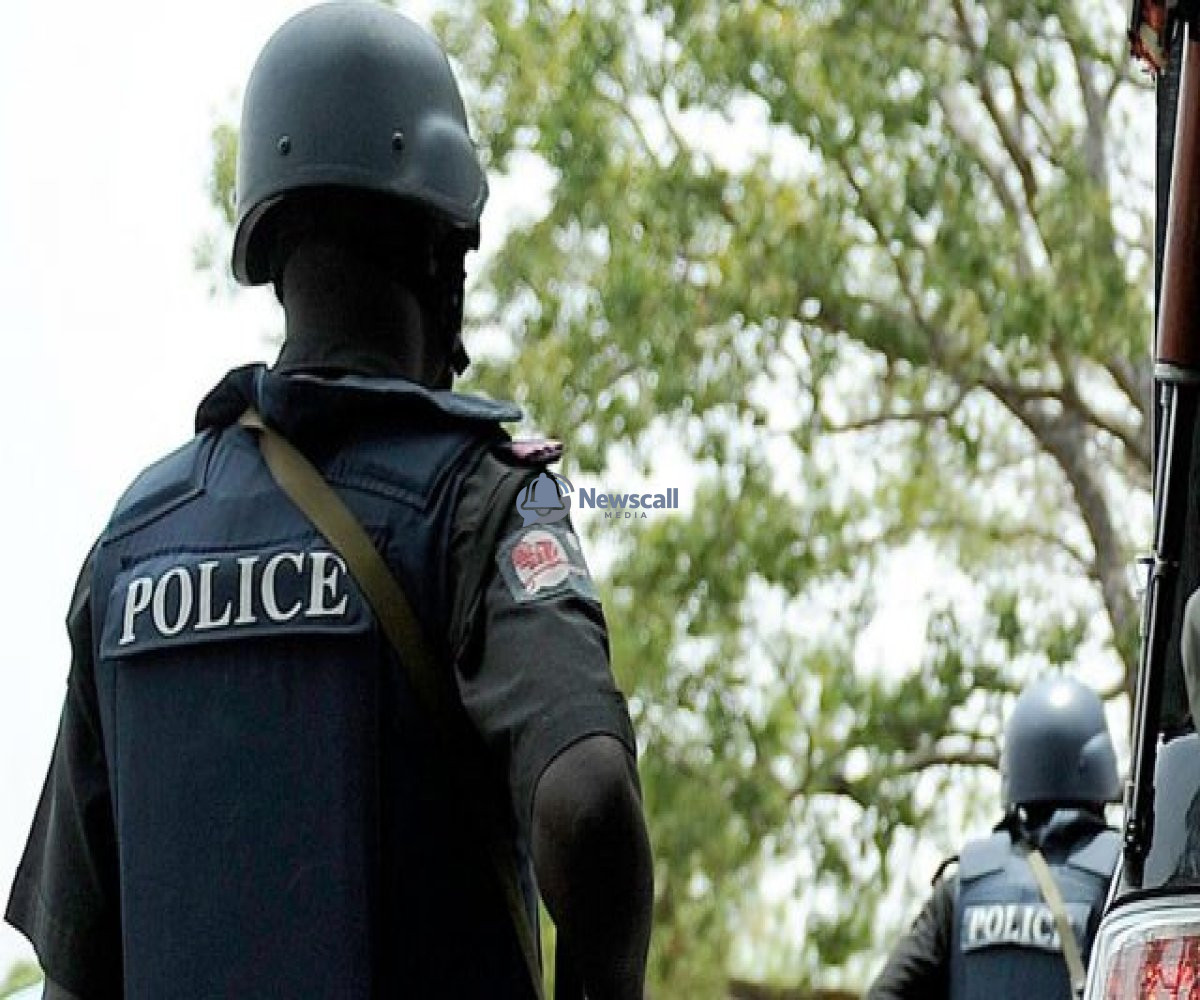
One of the biggest concerns identified during the assessment, Idris revealed, was the vulnerability of Nigeria’s entry points, particularly airports and border communities.
Following the findings, the Federal Ministry of Health reportedly issued fresh operational protocols to government agencies responsible for border security, immigration and airport management.
The measures are designed to strengthen screening procedures, improve monitoring systems and regulate incoming international traffic to prevent infected persons from entering the country unnoticed.
“Our primary objective is to stop Ebola from entering Nigeria in the first place,” Idris explained.
“That is why our points of entry are extremely critical. Shortly after the assessment, new protocols were issued to relevant agencies, especially those involved in air travel and border operations.”
States with international airports have now been classified as high-risk areas because they serve as major gateways for international passengers arriving in the country.
Porous Borders Remain Nigeria’s Biggest Threat
Despite efforts to tighten airport surveillance, Idris admitted that Nigeria’s vast and poorly monitored land borders remain the country’s greatest vulnerability in preventing the spread of infectious diseases.
According to him, thousands of travellers move across Nigeria’s borders daily through unofficial routes that are difficult for authorities to monitor effectively.
“The biggest challenge we face is our porous borders,” he said.
“Not everyone enters Nigeria through the airports. Many people come in by road through informal and illegal routes, making surveillance extremely difficult. That is one of the reasons why preparedness is so important.”
Public health experts have repeatedly warned that weak border enforcement and unregulated migration routes could severely undermine disease containment efforts during emergencies.
Lessons from Nigeria’s 2014 Ebola Victory
Idris noted that Nigeria’s successful containment of the 2014 Ebola outbreak remains one of the country’s biggest public health achievements and continues to shape current preparedness strategies.
In 2014, Nigeria recorded multiple Ebola cases after an infected Liberian-American diplomat arrived in Lagos, sparking fears of a nationwide health disaster in Africa’s most populous country.
However, through aggressive contact tracing, rapid isolation measures and international collaboration, Nigerian health authorities successfully contained the outbreak before it spiralled out of control.
Idris recalled that at the time, Nigeria had little direct experience handling Ebola but relied heavily on support from the World Health Organization and the United States Centers for Disease Control and Prevention.
“The 2014 outbreak taught Nigeria many valuable lessons,” he said.
“At the beginning, there was confusion because nobody fully understood the situation, but we adapted quickly and developed effective response strategies.”
He added that since then, Nigeria has significantly expanded its laboratory network and strengthened disease surveillance systems nationwide.
“Today, we have more laboratories, improved surveillance systems and stronger emergency response structures than we had in 2014. We are also extending these capabilities to facilities located in areas connected to international travel,” he added.
Multiple Disease Outbreaks Stretching Nigeria’s Health System
The NCDC boss further disclosed that Nigeria is currently battling between seven and eight disease outbreaks simultaneously, placing enormous pressure on the nation’s already overstretched healthcare system.
Among the ongoing outbreaks are Cholera, Lassa Fever and other infectious diseases affecting different parts of the country.
Despite these challenges, Idris expressed confidence that ongoing investments in public health infrastructure, laboratory capacity and emergency preparedness would improve Nigeria’s ability to respond swiftly if Ebola eventually finds its way into the country.
The NCDC had earlier warned that the continued spread of Ebola in Uganda and the Democratic Republic of Congo, combined with increasing global travel and migration, poses a serious importation risk to Nigeria.
Health authorities have therefore urged Nigerians to remain vigilant, maintain proper hygiene practices and promptly report suspected symptoms to health officials as part of efforts to prevent another deadly outbreak.

Anozie Chiemerie Emmanuel
Writer