

“No Ebola in Nigeria Yet, But Stay Alert”: Health Chief Urges Calm as Neighboring Countries Fight Outbreak.
Let’s take a deep breath. Despite rising worries about the Ebola situation in Central and East Africa, Nigerian health authorities have a clear message: There are no confirmed Ebola cases in Nigeria right now. So, no need to panic, but yes, we all need to be smart and pay attention.
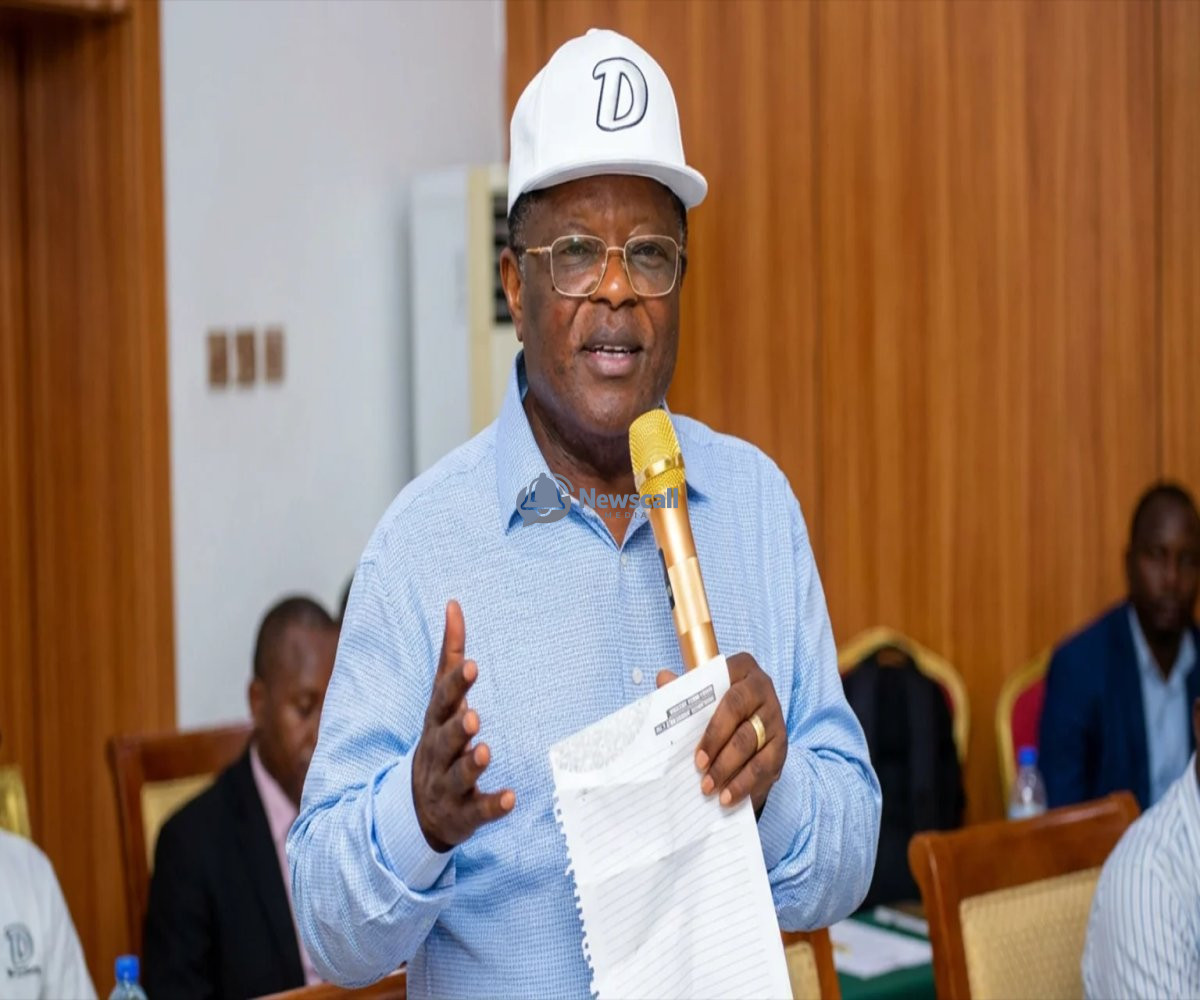
The Director General of the Nigeria Centre for Disease Control (NCDC), Dr. Jide Idris, addressed the press in Lagos on Thursday. He explained that while Nigeria is currently safe, the agency has raised its risk assessment to "high" because of the outbreaks of the Bundibugyo Ebola strain in the Democratic Republic of Congo (DRC) and Uganda.
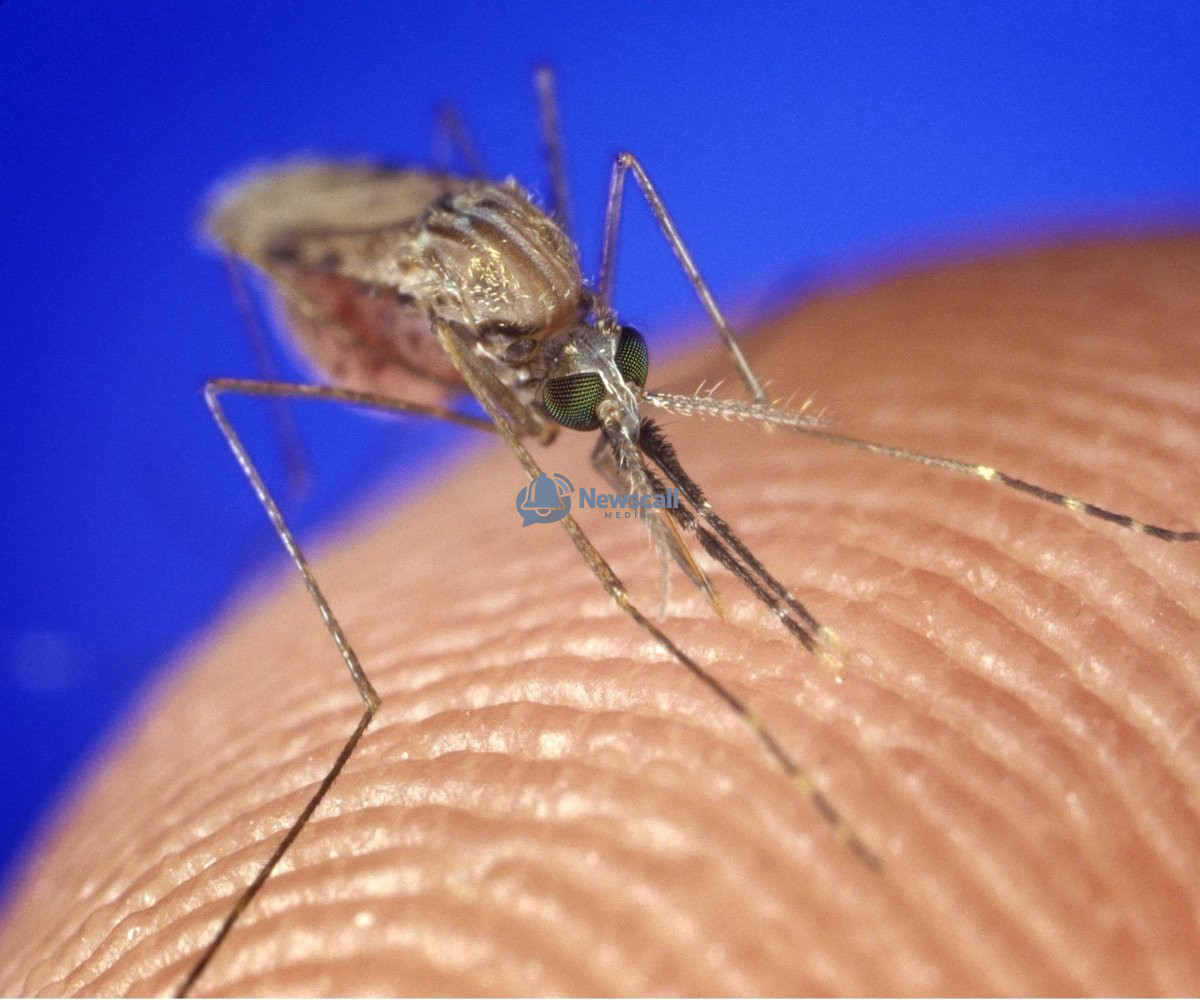
Why the concern? It's simple. Lots of people travel between these countries and Nigeria, our borders are porous, and early symptoms of Ebola (like fever and body aches) look exactly like malaria or Lassa fever. That means a case could slip in unnoticed.
“But let me be very clear,” Dr. Idris said. “There is no Ebola in Nigeria right now.”
He also shared an important reality check: there’s no widely available vaccine or cure for this particular strain. So, what works? Old school, effective public health measures. Think early detection, rapid isolation, rigorous contact tracing, and good old fashioned hand hygiene.
So, what should you actually do? Keep living your normal life, but:
· Get your info from trusted sources (like the NCDC), not that scary WhatsApp forward from your auntie.
· Wash your hands regularly.
· If you feel really sick with a fever or unusual symptoms, report to a proper health facility immediately.
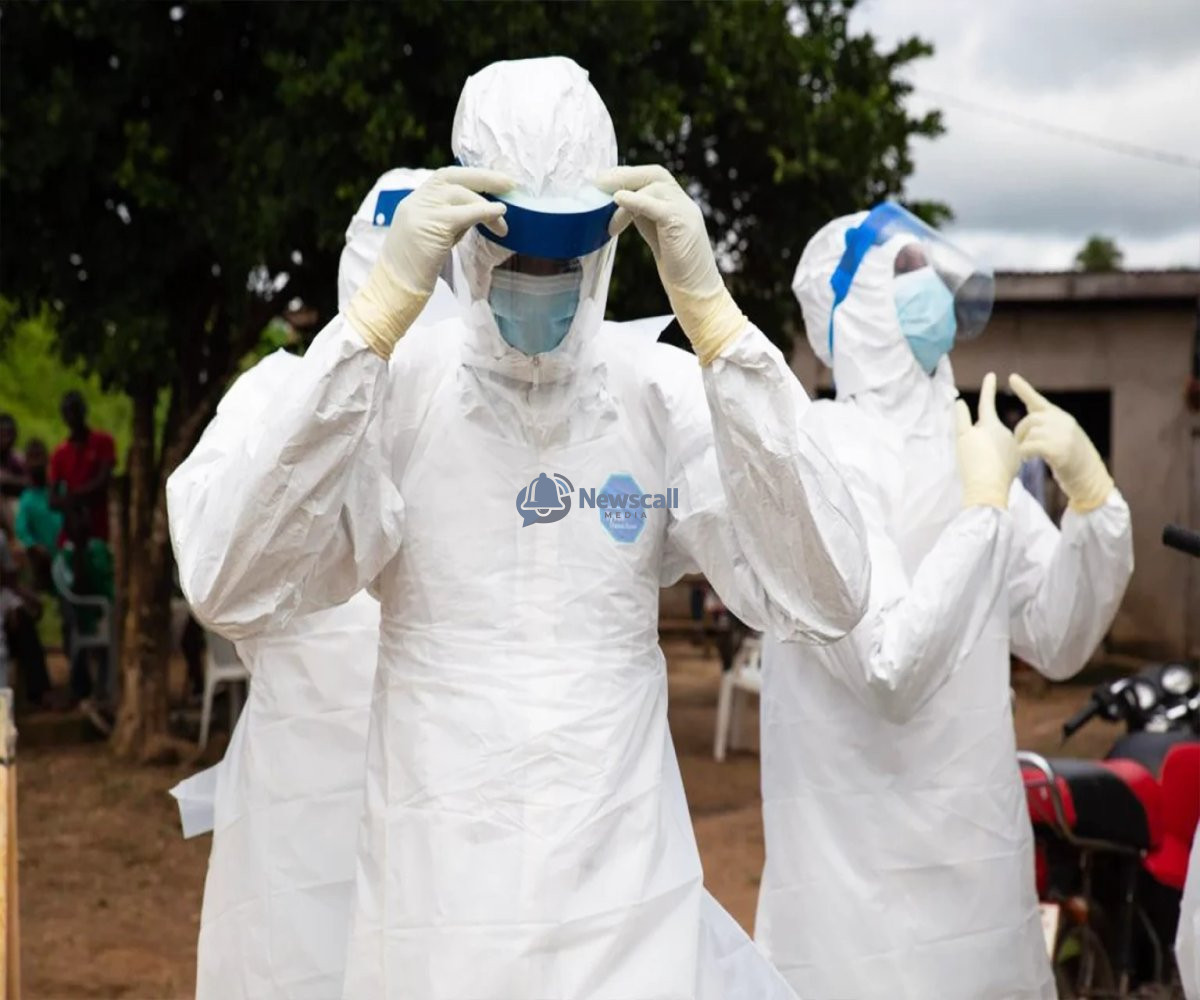
The NCDC isn’t sleeping on this. They’ve already checked readiness in 549 health facilities across 32 states and the FCT, plus 17 treatment centers. They’re drilling health workers on how to use Personal Protective Equipment (PPE) and control infections.
Meanwhile, on the continental level, the Africa CDC and WHO have just launched a massive 6 month, $518 million "One Response" plan to help affected countries and keep the virus from spreading further.
“We have to respond with urgency and unity,” said Dr. Jean Kaseya of Africa CDC.
For now, Nigerians are being told to stay calm, stay informed, and stay clean.

Umeanozie Prosper
Writer, Novelist,blogger, content creator