

Obi–Kwankwaso Alliance Gains Momentum Ahead of 2027 Elections
Obi–Kwankwaso Alliance Gains Momentum Ahead of 2027 Elections
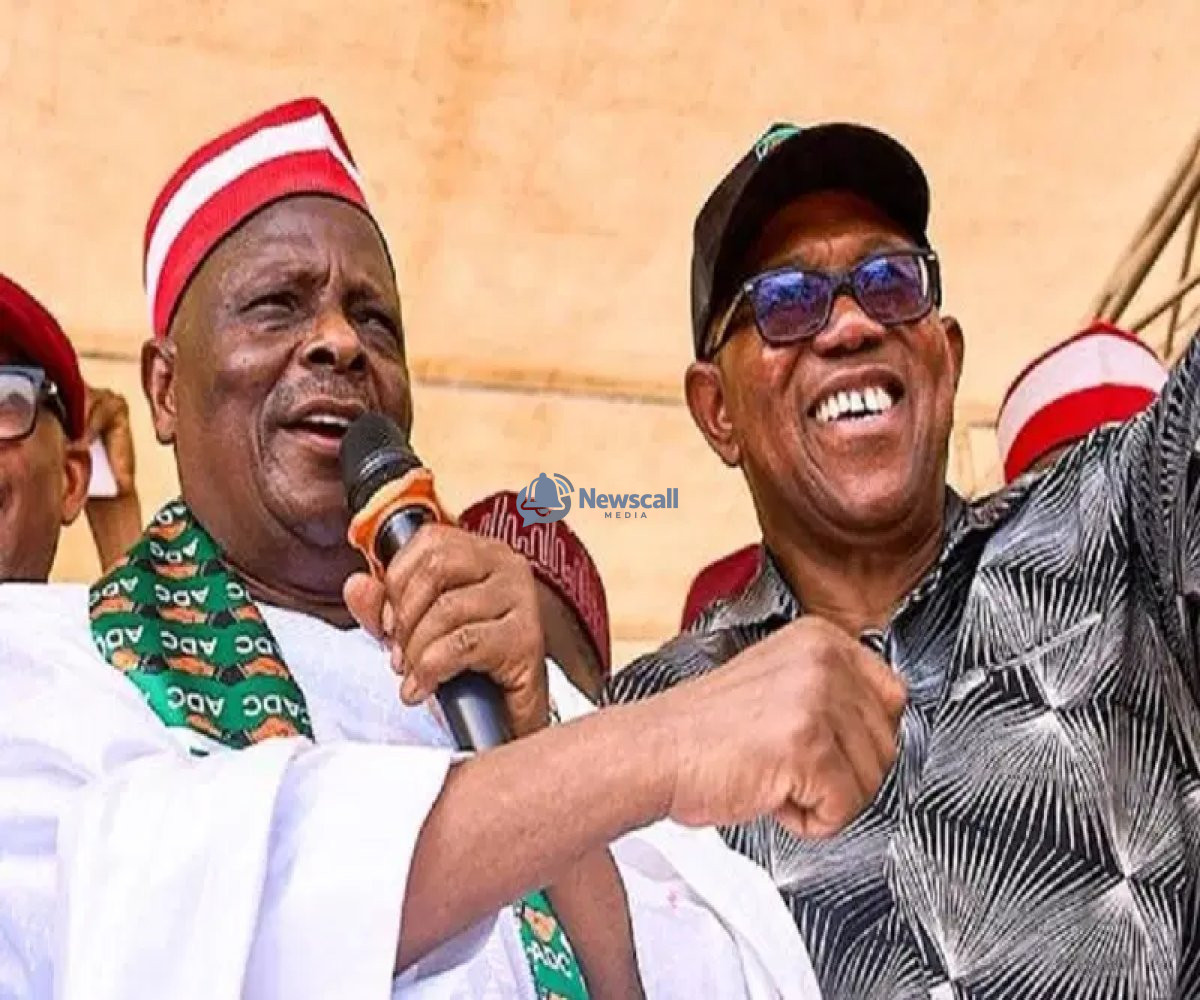
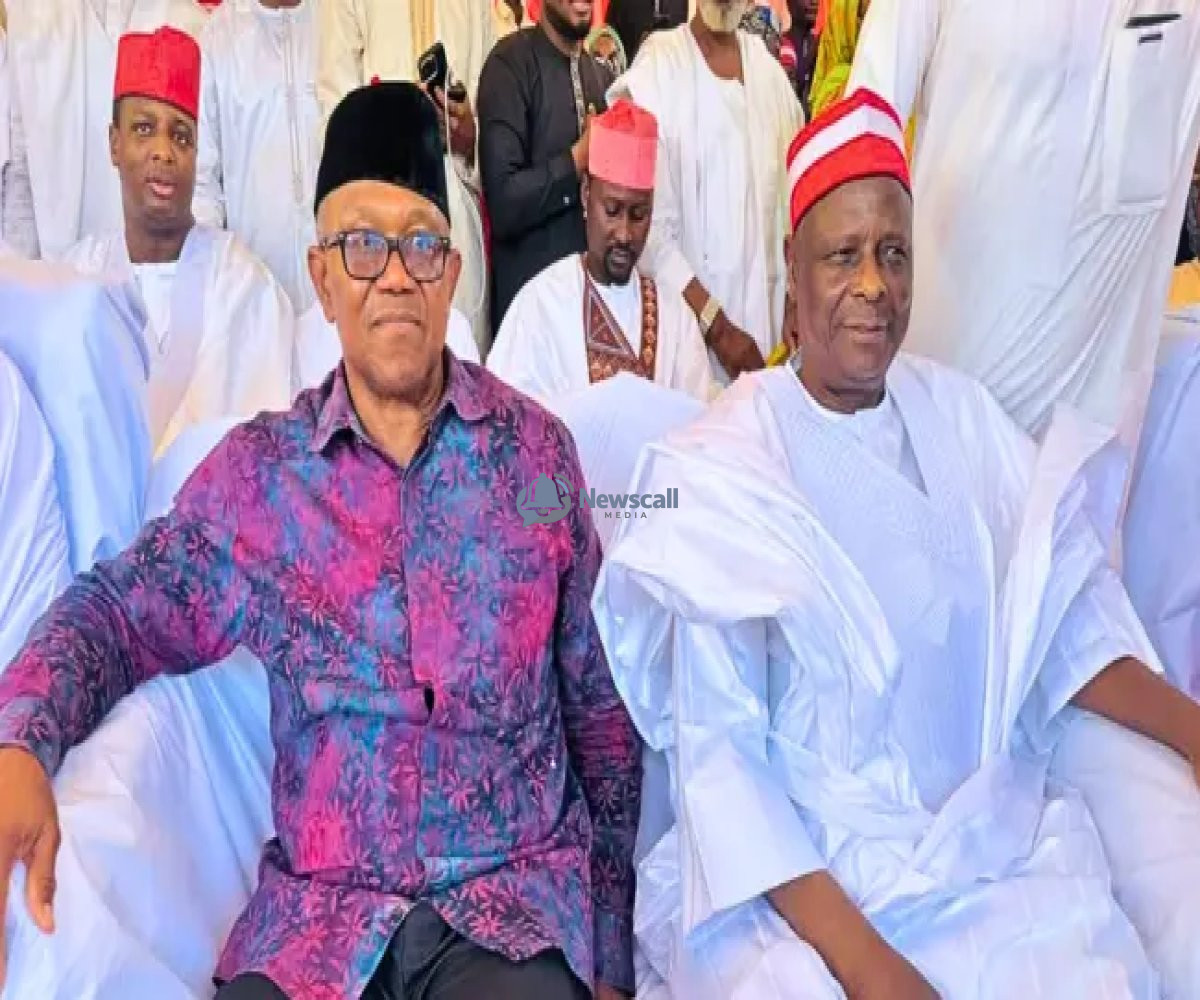
A potential political alliance between Peter Obi and Rabiu Kwankwaso is drawing increasing attention as Nigeria’s opposition landscape shifts ahead of the 2027 general elections. Initially discussed in 2022 but stalled by political differences, the idea of a joint ticket has resurfaced with renewed urgency following the outcome of the 2023 presidential election and ongoing realignments within opposition parties.
Supporters of the proposed alliance argue that a partnership between Obi and Kwankwaso could provide a strategic balance across Nigeria’s regional and religious divides. After the 2023 election—whose outcome Obi continues to contest—the need for broader national appeal, particularly in Northern Nigeria, became more pronounced for his political movement.
Obi’s support base, often referred to as the Obidients, has largely been concentrated in the South and among urban voters. Analysts note that expanding influence into the North requires political collaboration rather than individual effort. Kwankwaso, a former governor of Kano State with a strong grassroots following through the Kwankwasiyya movement, is seen as a viable bridge in that regard.
Meanwhile, the opposition has faced significant internal instability since the 2023 elections. Obi’s Labour Party has experienced leadership disputes and defections, while other opposition parties have also struggled with internal crises. Critics allege that these disruptions have weakened coordinated resistance against the ruling party led by President Bola Tinubu.
There has also been speculation about alternative alliances, including a possible partnership with Atiku Abubakar. However, Obi’s core supporters have expressed reservations about such a move, viewing it as politically incompatible. In contrast, the Obi–Kwankwaso pairing is perceived by some as more ideologically aligned, particularly due to both leaders’ appeal to grassroots and reform-oriented voters.
Kwankwaso’s own political trajectory since 2023 has also influenced the current dynamics. Despite maintaining influence in Kano, his national electoral performance fell short of expectations. His earlier engagement with the ruling party did not result in a cabinet position, and subsequent political developments—including defections within his camp—have reduced his bargaining power. Observers suggest this may have increased his willingness to engage in a broader opposition coalition.
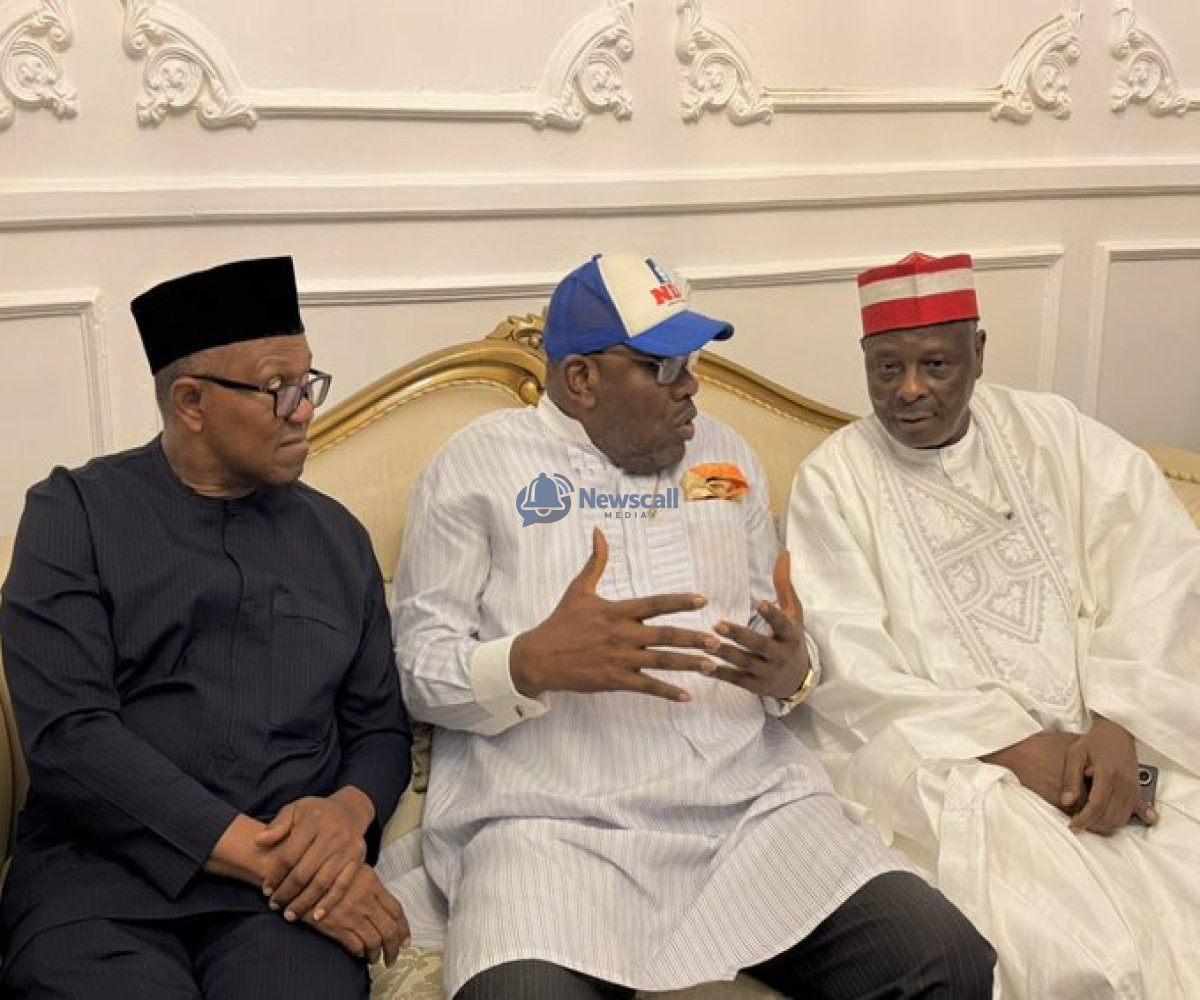
Efforts to unify opposition figures have reportedly involved key political actors, including former President Olusegun Obasanjo, who has advocated for collaboration among reform-oriented movements.
The potential alliance reflects a broader trend toward coalition-building in Nigeria’s evolving political system. With concerns about weakening opposition structures and increasing dominance by the ruling party, a unified front is seen by many analysts as critical to maintaining competitive democracy.
The combination of Obi’s urban reformist appeal and Kwankwaso’s northern grassroots base could reshape electoral calculations for 2027. Both leaders command loyal support groups that are less dependent on traditional patronage politics, which may signal a shift in campaign dynamics.
However, challenges remain. Questions persist about the durability of the alliance, ideological cohesion, and whether both leaders can maintain unified support without internal fractures. Additionally, avoiding vote-splitting among opposition parties will be crucial, as fragmented efforts in 2023 contributed to the ruling party’s victory.
The emerging Obi–Kwankwaso alliance represents a significant development in Nigeria’s pre-2027 political landscape. While it offers a potential pathway for opposition consolidation and broader national appeal, its success will depend on sustained cooperation, strategic clarity, and the ability to inspire voter confidence. As both leaders continue to engage in joint political activities, the focus will shift from speculation to execution—testing whether the alliance can translate political momentum into electoral success.

Nwekwe Esther Amarachukwu
Public speaker,Research-driven writer covering politics and public affairs, committed to accuracy, and meaningful public discourse.