

Oil Prices Crash as Iran–US Peace Deal Hopes Spark Global Market Rally.
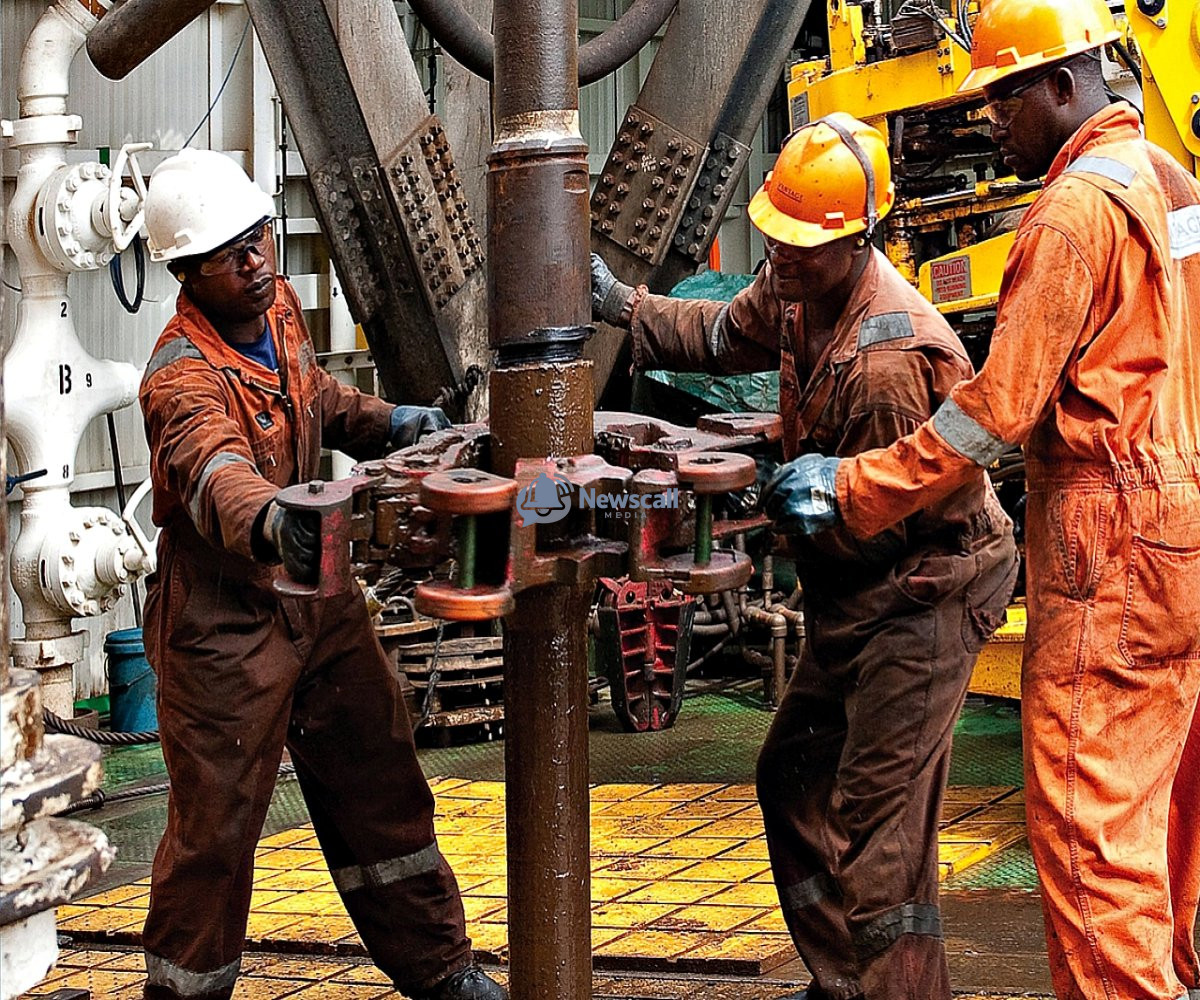
Global oil prices plunged sharply on Tuesday after renewed optimism over a possible diplomatic breakthrough between Iran and the United States triggered a major sell-off across international crude markets, raising hopes of lower fuel prices worldwide including in Nigeria.
Brent crude dropped by more than three per cent during intraday trading, sliding toward the $91-per-barrel mark, while the US West Texas Intermediate crude fell nearly four per cent, according to reports by the Economic Times.
The sharp decline followed reports that a draft peace agreement between Iran and the United States had been submitted for review in Washington and had already been described by officials as “preliminarily acceptable.”
The development immediately calmed fears of a wider Middle East conflict that had kept global oil markets on edge for weeks. Investors and traders quickly reacted by pulling back from panic-driven buying that had earlier pushed crude prices above $120 per barrel in late February.
At the height of the tensions, concerns over possible disruptions around the Strait of Hormuz one of the world’s most critical oil transit routes had sparked fears of a major global supply shock. Roughly 20 per cent of the world’s crude oil shipments pass through the strategic waterway, making any instability in the region a major threat to global energy supply.
Those fears had fueled a massive rally in oil prices as traders anticipated prolonged disruptions and tighter global supply. However, Tuesday’s dramatic price drop signals a significant shift in market sentiment, with investors now betting that improving diplomatic relations could restore stability to oil flows from the Gulf region.
Energy analysts say the market is no longer reacting solely to immediate supply concerns but is increasingly being influenced by expectations of political and diplomatic progress between Tehran and Washington.
Despite the optimism, experts warned that the market remains extremely volatile and sensitive to any negative developments in the ongoing negotiations. They noted that any collapse in talks or renewed military tension could rapidly send oil prices soaring again.
The Economic Times reported that global energy markets responded swiftly to the changing geopolitical atmosphere, with traders adjusting positions as fears over supply disruptions eased.
Oil traders also pointed to changing global supply data and shifting investor confidence as additional factors driving continued volatility in crude prices.
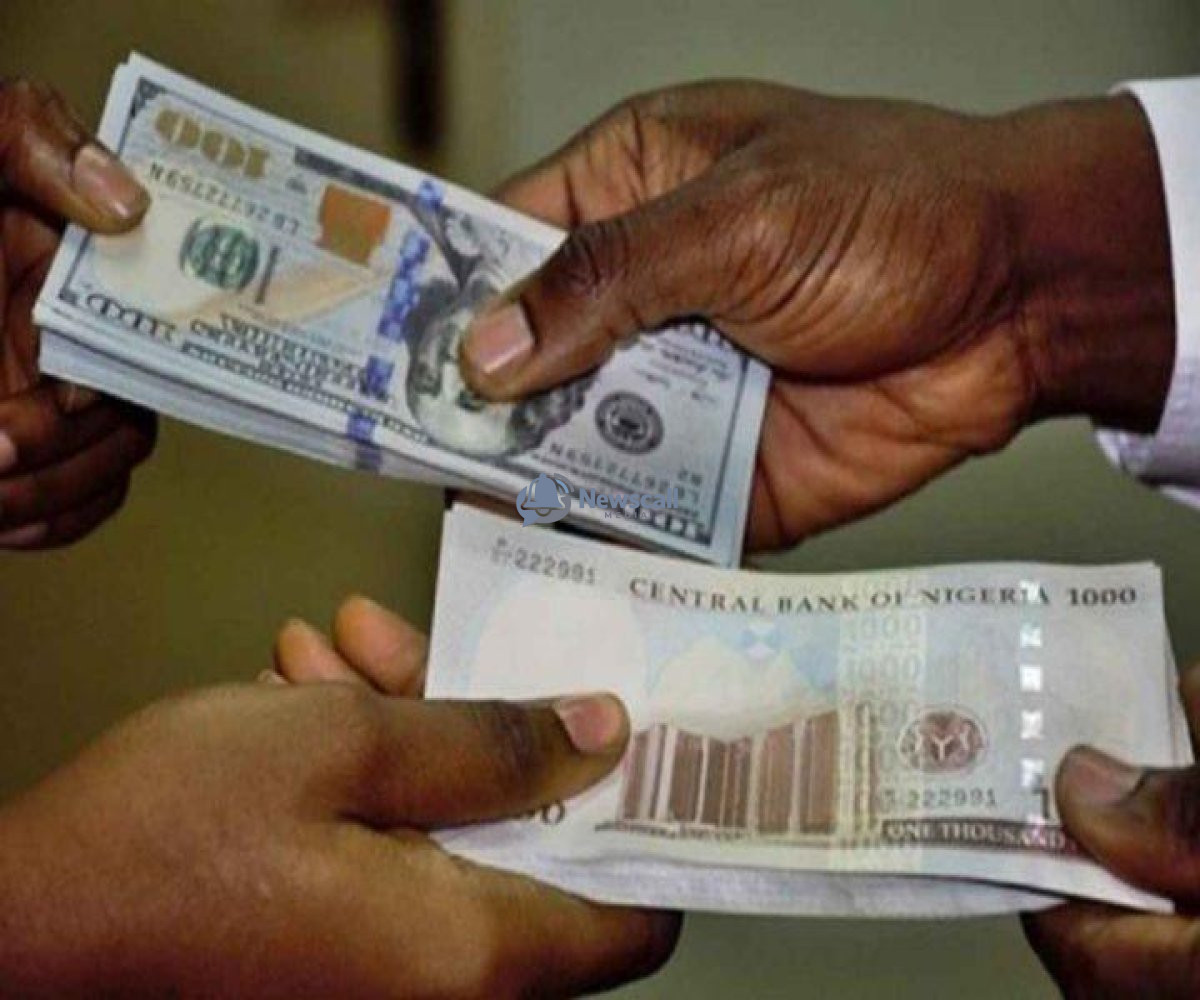
In Nigeria, the impact of fluctuating oil prices remains significant for both government revenue and ordinary citizens. The Nigerian National Petroleum Company Limited recently recorded more than a 70 per cent increase in revenue and profit, while the Dangote Refinery has continued to benefit from strong fuel export demand fueled by earlier high crude prices.
However, the surge in global oil prices caused by the Iran conflict had also triggered higher petrol and diesel prices across Nigeria, worsening inflation pressures and increasing the cost of transportation, food, and basic goods for millions of households.
Economic observers believe that if global crude prices continue to decline, Nigerians could eventually experience some relief through lower fuel costs and reduced inflationary pressure.
Still, analysts caution that the situation remains fragile, as global oil markets continue to respond rapidly to every major geopolitical signal emerging from the Middle East.

Anozie Chiemerie Emmanuel
Writer