

Oil Prices Drop as Peace Hopes Rise Ahead of US-Iran Deal Signing.
Markets breathe sigh of relief as end to Strait of Hormuz blockade appears imminent.
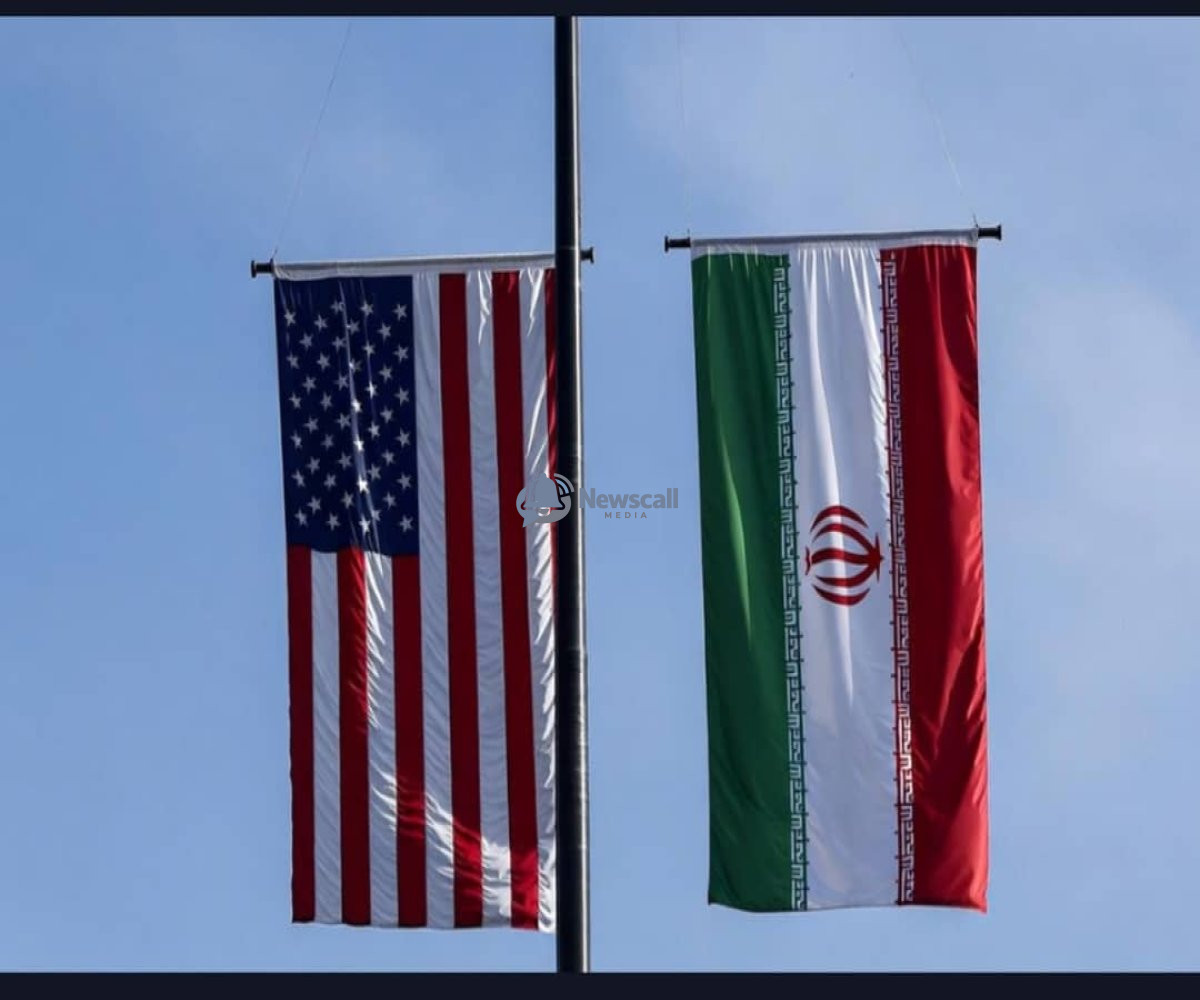
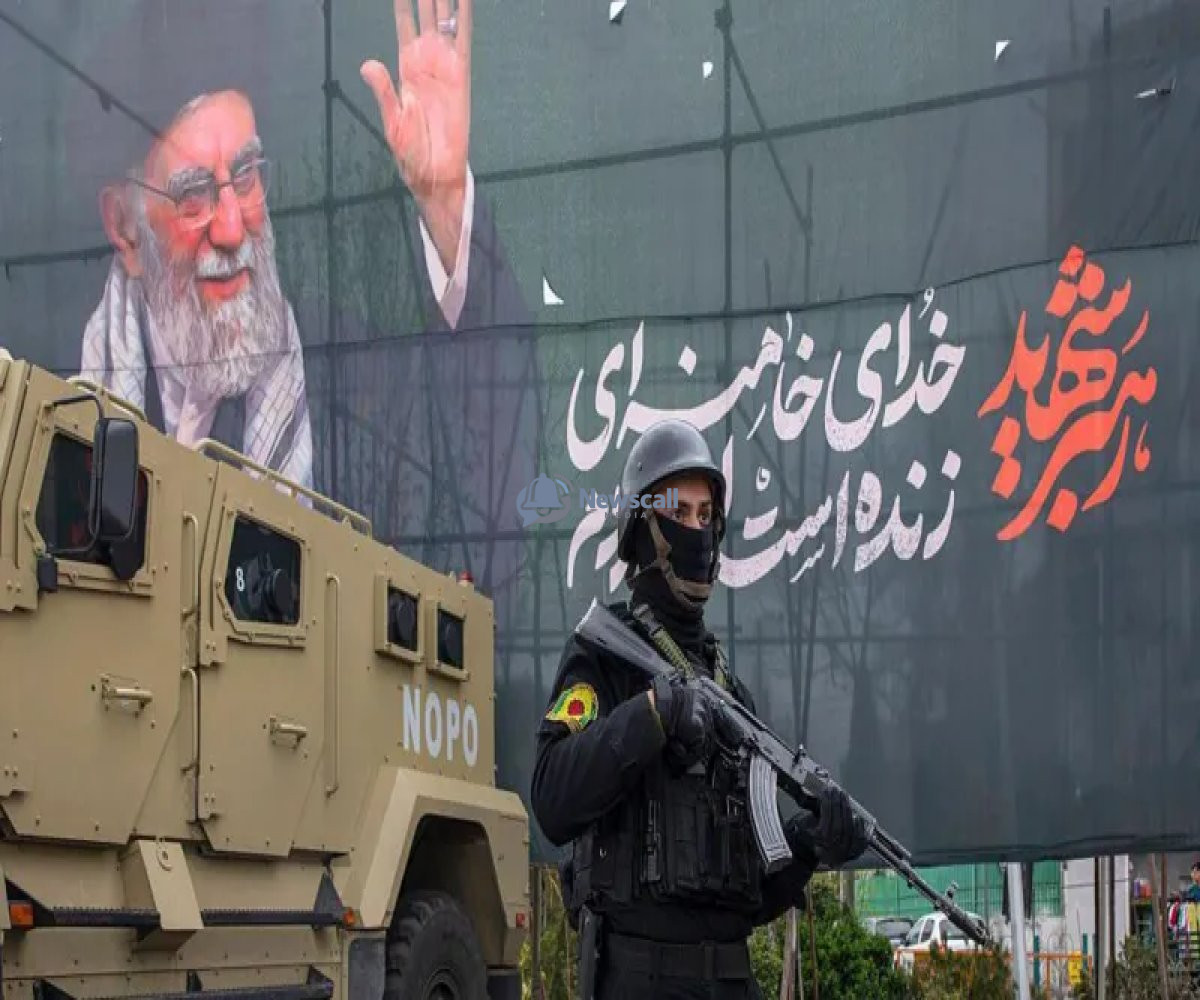
Oil prices kept sliding Wednesday as optimism builds that global energy markets might finally be returning to normal. The big reason? A framework deal to end the US-Israel war on Iran is set to be signed Friday.
Brent crude futures for August delivery fell nearly 1% today, adding to dramatic drops of about 5% on both Monday and Tuesday. The international benchmark hit $78.22 a barrel around 5:30 GMT - its lowest point since March 3, just days after the conflict began.
To put this in perspective: crude jumped more than 50% during the war, but now it's only about 7% higher than pre war levels. That's a massive swing in just a few days.
"The market is getting ahead of itself," says Vandana Hari, founder of Vanda Insights in Singapore. "Everyone's betting on the Strait of Hormuz reopening and assuming the best-case scenario. But we're not there yet delivering on these promises is the hard part."
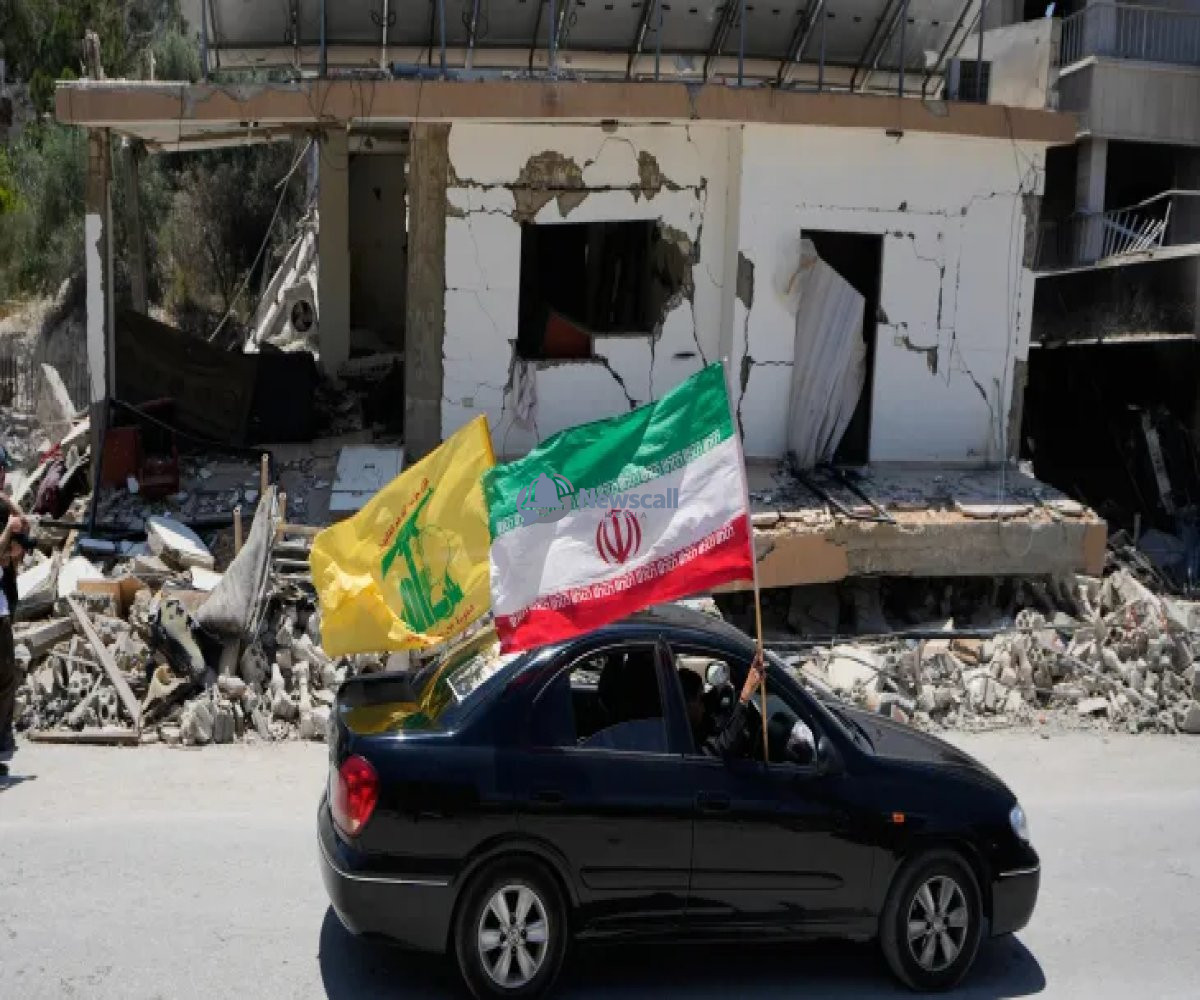
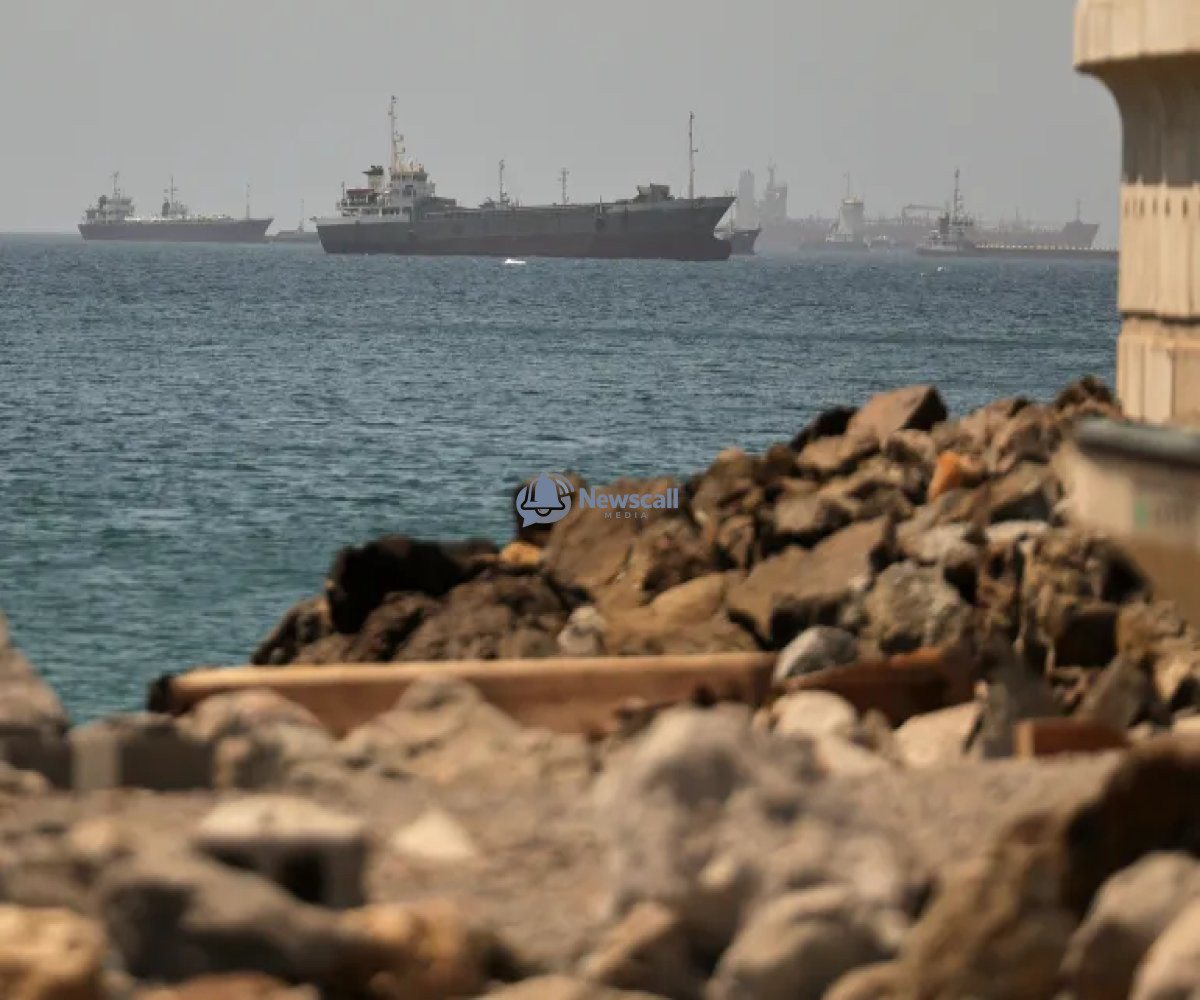
The numbers are staggering. The strait, a narrow waterway between Iran and Oman, has seen maritime traffic reduced to almost nothing. Iranian missiles, drones, and mines have been choking off global oil supplies by an estimated 14 million barrels daily.
Even if the deal goes through Friday in Geneva, don't expect instant relief. More than 500 vessels are reportedly waiting to exit the Gulf, and clearing naval mines from the channel could take weeks.
"Let's be realistic," says Stephen Cotton from the International Transport Workers' Federation. "The signing ceremony is just the beginning. We're looking at weeks or months before shipping patterns return to normal."
The deal itself is still light on details, but the broad strokes are clear: Iran will reopen the Strait of Hormuz in exchange for the US lifting its blockade of Iranian ports, along with other concessions.
For now, markets are celebrating. But as one analyst put it, "the toughest part is yet to come."

Umeanozie Prosper
Writer, Novelist,blogger, content creator