

Oil Prices Plunge as Trump-Iran Peace Deal Reopens Hormuz, Eases Global Energy Fears.
Oil Prices Plunge as Trump-Iran Peace Deal Reopens Hormuz, Eases Global Energy Fears.
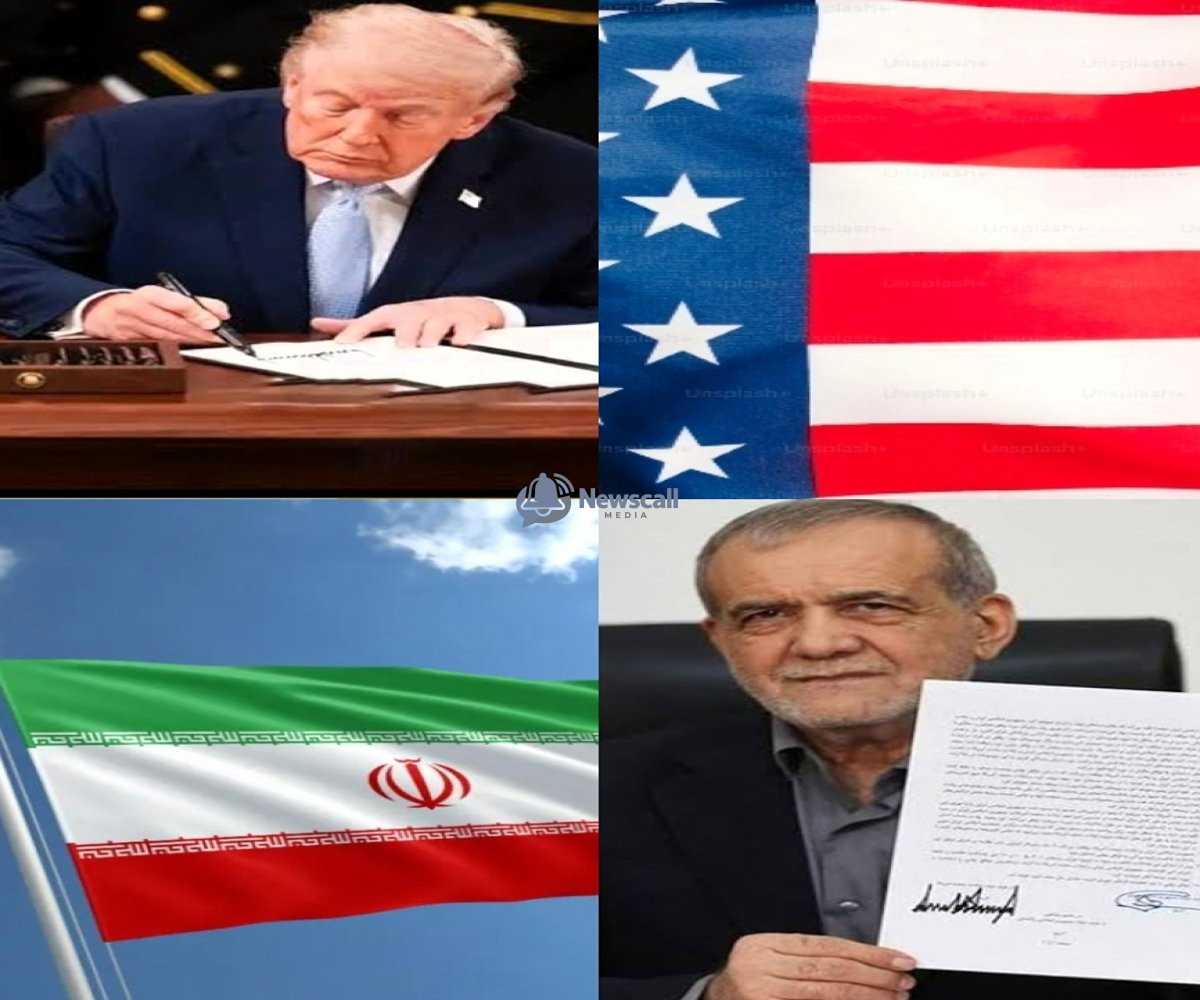
Global oil prices extended their sharp decline on Thursday after United States President Donald Trump and Iranian President Masoud Pezeshkian formally signed a landmark agreement ending months of hostilities and paving the way for the immediate reopening of the strategically vital Strait of Hormuz.
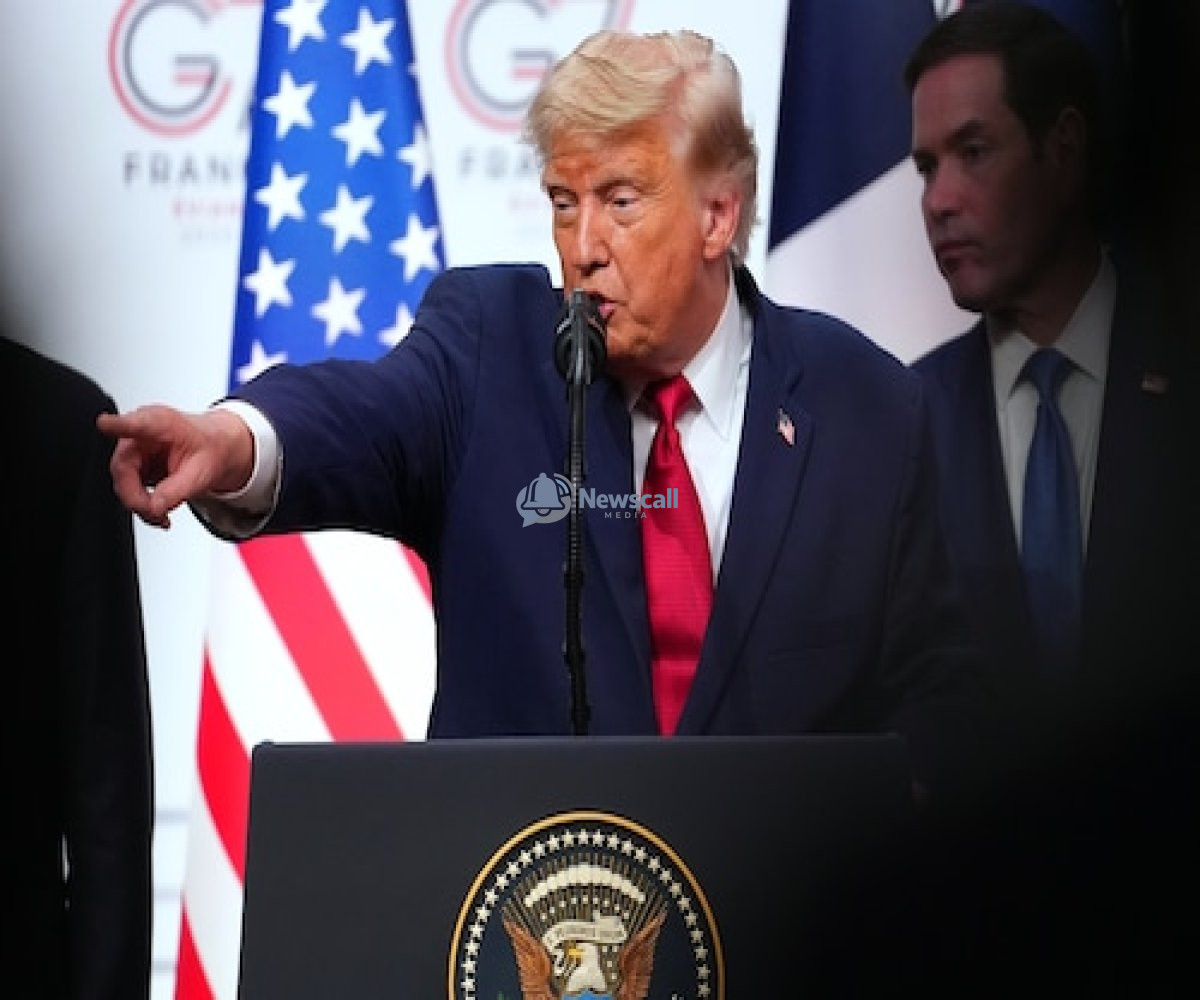
The breakthrough deal, signed on the sidelines of the G7 Summit in Versailles, France, has triggered optimism across global financial markets, easing fears of a prolonged disruption to energy supplies and reducing concerns over a fresh inflationary shock that had threatened economies worldwide.
For more than three months, the conflict between Washington and Tehran had unsettled global markets, sending crude oil prices soaring and raising concerns over the security of one of the world's most important maritime trade routes. The Strait of Hormuz serves as a critical artery for global energy trade, with nearly 20 per cent of the world's oil shipments passing through the narrow waterway.
Speaking shortly after signing the agreement, Trump confirmed the development, telling reporters, “Just signed it,” while Iranian officials also announced that the memorandum had been finalized and endorsed by both leaders.
The deal marks a significant turning point in a conflict that began on February 28, when military actions involving the United States and Israel escalated tensions with Iran, prompting Tehran to effectively shut down the Strait of Hormuz and disrupt oil flows from the Gulf region.
Pakistan, which played a key mediating role in negotiations, revealed details of the agreement through Prime Minister Shehbaz Sharif. According to Sharif, Iran has agreed to immediately reopen the Strait of Hormuz, while the United States will lift its naval blockade and ease oil-related sanctions.
The agreement also includes a major economic component. Washington is expected to facilitate access to a proposed $300 billion reconstruction fund for Iran, while Tehran has pledged to dilute portions of its enriched uranium stockpile as broader negotiations on a long-term nuclear and security framework continue.
Oil Market Reacts Swiftly;
The peace accord sent shockwaves through energy markets, triggering another steep decline in crude prices.
Brent crude, the international benchmark, fell by more than two per cent to around $77.83 per barrel, while West Texas Intermediate (WTI) dropped roughly 2.4 per cent to $74.98 per barrel.
The latest losses deepen a broader market retreat, with both oil benchmarks now down more than 15 per cent from levels recorded just a week earlier when fears of a prolonged conflict and supply disruptions were at their peak.
Market analysts said investors are rapidly unwinding the “war premium” that had been built into oil prices.
Stephen Innes of SPI Asset Management noted that the reopening of the Strait of Hormuz significantly reduces concerns about supply shortages.
“A signed agreement and a faster reopening of the Strait of Hormuz remove much of the panic premium that had been driving crude prices higher,” Innes said.
He added that traders had been pricing in the possibility of severe disruptions to Gulf oil flows, emergency reserve drawdowns, and a potential global energy crisis.
Mixed Reactions Across Global Markets;
While falling oil prices provided relief to investors, global stock markets delivered a mixed performance as traders weighed the implications of the latest policy signals from the United States Federal Reserve.
Asian markets showed varied results. South Korea's benchmark Kospi index surged past the historic 9,000-point mark for the first time, fueled by continued investor enthusiasm for semiconductor giants Samsung Electronics and SK hynix, which continue to benefit from booming global demand for artificial intelligence technologies.
Analysts noted that South Korea remains a dominant force in the global memory-chip industry, accounting for a significant share of worldwide semiconductor production.
Japan's Nikkei 225 also reached a fresh record high above 71,000 points, reflecting sustained confidence in technology and export-oriented stocks.
However, markets in Hong Kong, Shanghai, Sydney, Wellington, Bangkok and Jakarta closed lower as investors adopted a cautious stance ahead of further economic data releases and central bank decisions.
European markets opened on a mixed note, with gains recorded in Paris and Frankfurt while London's FTSE 100 slipped into negative territory.
Fed Signals Tougher Stance on Inflation;
Investor sentiment was also influenced by the outcome of the Federal Reserve's latest policy meeting ;the first under newly appointed Chair Kevin Warsh.
Although the Fed left interest rates unchanged, policymakers signaled that further rate increases remain possible later this year as inflation continues to run above the central bank's target.
Warsh emphasized that restoring price stability remains a priority, warning that persistent inflation continues to place financial pressure on American households.
“Persistently high prices are a burden for the American people,” he said, while expressing confidence that inflation can eventually be brought under control.
Market observers noted that the Fed's latest statement placed greater emphasis on combating inflation than supporting employment growth, suggesting policymakers may be preparing for a more aggressive stance if price pressures fail to ease.
Global Outlook Improves;
Despite concerns about future interest-rate hikes, the Trump-Iran agreement has significantly improved the outlook for global energy markets and international trade.
With the Strait of Hormuz set to reopen and sanctions relief expected to boost oil exports from the region, analysts believe the risk of a near-term energy supply crisis has diminished considerably.
For consumers and businesses worldwide, lower oil prices could help ease inflationary pressures, reduce transportation and manufacturing costs, and support broader economic growth in the months ahead.
The coming weeks, however, will be crucial as markets watch for the full implementation of the agreement and assess whether the diplomatic breakthrough can deliver lasting stability in one of the world's most volatile regions.

Anozie Chiemerie Emmanuel
Writer