

Peter Obi Defense Defection, Hints at Dumping ADC

Peter Obi Defense Defection, Hints at Dumping ADC
There’s something almost predictable about Nigerian politics at this point—once a major figure speaks, the conversation quickly shifts from what was said to who said it and where they’ve been. That’s exactly what’s happening again with Peter Obi.
I was just going by the News this morning and came across His (Peter Obi) recent comments about defending his past defections—and hinting he could leave the African Democratic Congress (ADC)—have stirred the usual reactions. Some people are calling it inconsistency. Others are saying it proves he stands for something deeper than party loyalty. But if you look closely, the real issue might not be Obi at all.
Let’s be honest for a second: in Nigeria, how strong is party ideology, really?
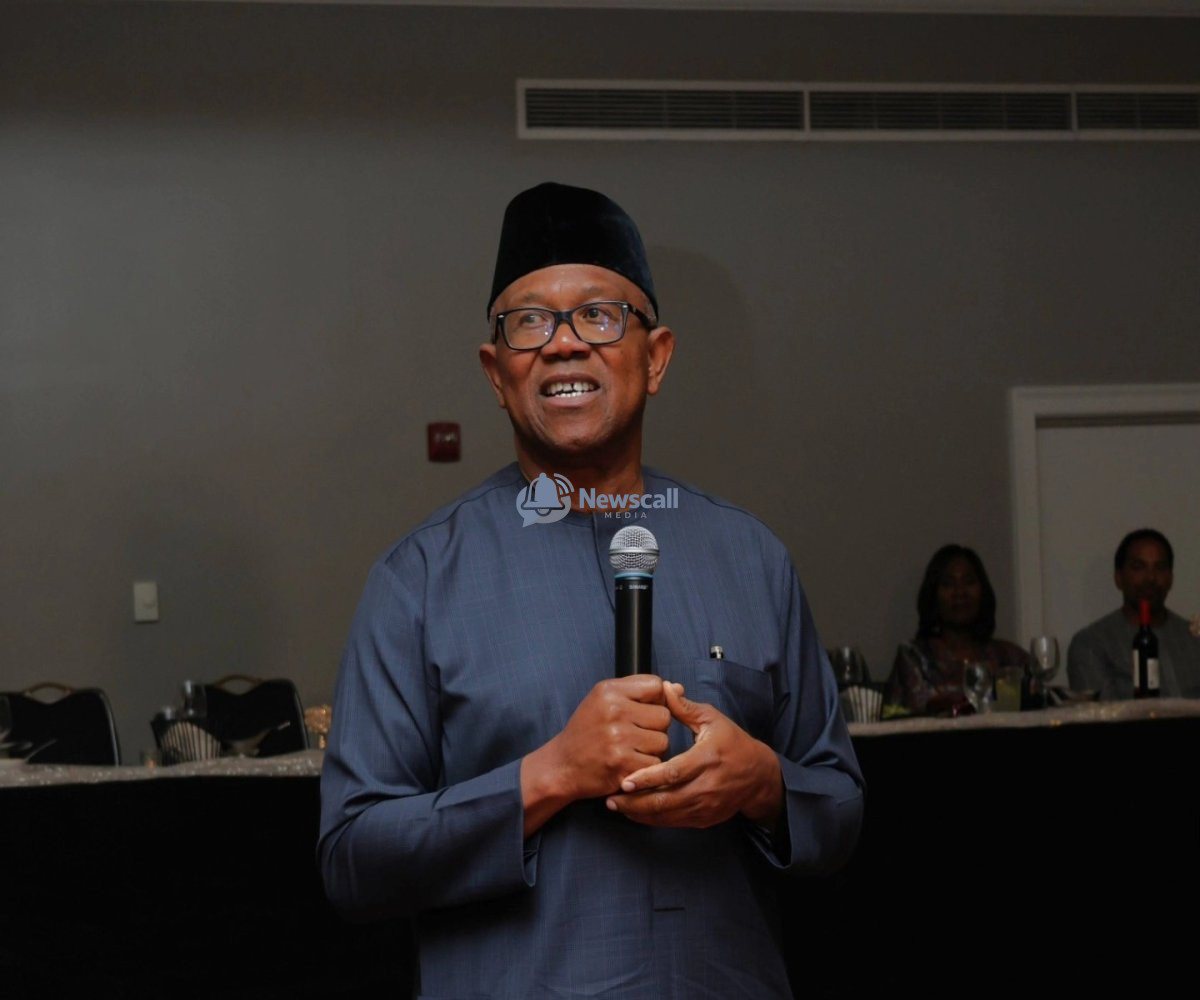
Obi’s argument is simple, almost blunt—he doesn’t leave parties for fun; he leaves when, in his view, the system stops making sense. It can be unusual though, I mean some will rather remain and continue...According to his interview on Arise Television, he insists his exits—from APGA, PDP, Labour Party, and now possibly ADC—have all followed the same pattern: internal processes that are compromised, monetized, or outright manipulated.
And whether you like him or not, that claim is hard to dismiss entirely.
Because if we’re being real, Nigerians have seen it happen over and over again—primaries decided by money, internal disputes dragging through courts, party leadership acting without accountability. So when Obi says he refuses to stay in a “flawed system,” the uncomfortable question becomes: is he the problem, or is the system the problem?
Critics will argue that consistency matters—that leadership should come with stability, not movement from one platform to another. And that’s fair. Political hopping can look opportunistic, especially in a country where trust in leadership is already fragile.
But here’s the twist: staying in a broken structure just to appear “loyal” isn’t exactly a virtue either.
Obi seems to be betting on something different—that Nigerians are beginning to care less about party names and more about process, credibility, and outcomes. That’s why his warning about the ADC matters. He didn’t outright say he’s leaving, but the message was clear: if the same issues show up again, he won’t stay quiet—or stay put.
And that raises a bigger concern for the ADC itself. If a figure like Obi, who brings visibility and support, is already drawing a line in the sand, what does that say about the party’s internal confidence going into 2027?
Zooming out, this isn’t just about one politician’s next move. It’s about a political culture where parties often function more like temporary vehicles than institutions with clear ideology. Today it’s ADC. Yesterday it was Labour Party. Tomorrow—it could be something else entirely.
So maybe the real conversation Nigerians should be having isn’t “Why does Peter Obi keep moving?” but rather:
“Why do political parties keep giving people reasons to leave?”
Until that question is answered honestly, this cycle—defections, criticism, realignment—will keep repeating itself.
And as 2027 approaches, one thing is becoming clearer for sure: the battle may not just be between parties, but between principle and political structure.

Nwekwe Esther Amarachukwu
Public speaker,Research-driven writer covering politics and public affairs, committed to accuracy, and meaningful public discourse.