

Protecting Nigerian Markets from Devastating Fire Outbreaks
Protecting Nigerian Markets from Devastating Fire Outbreaks
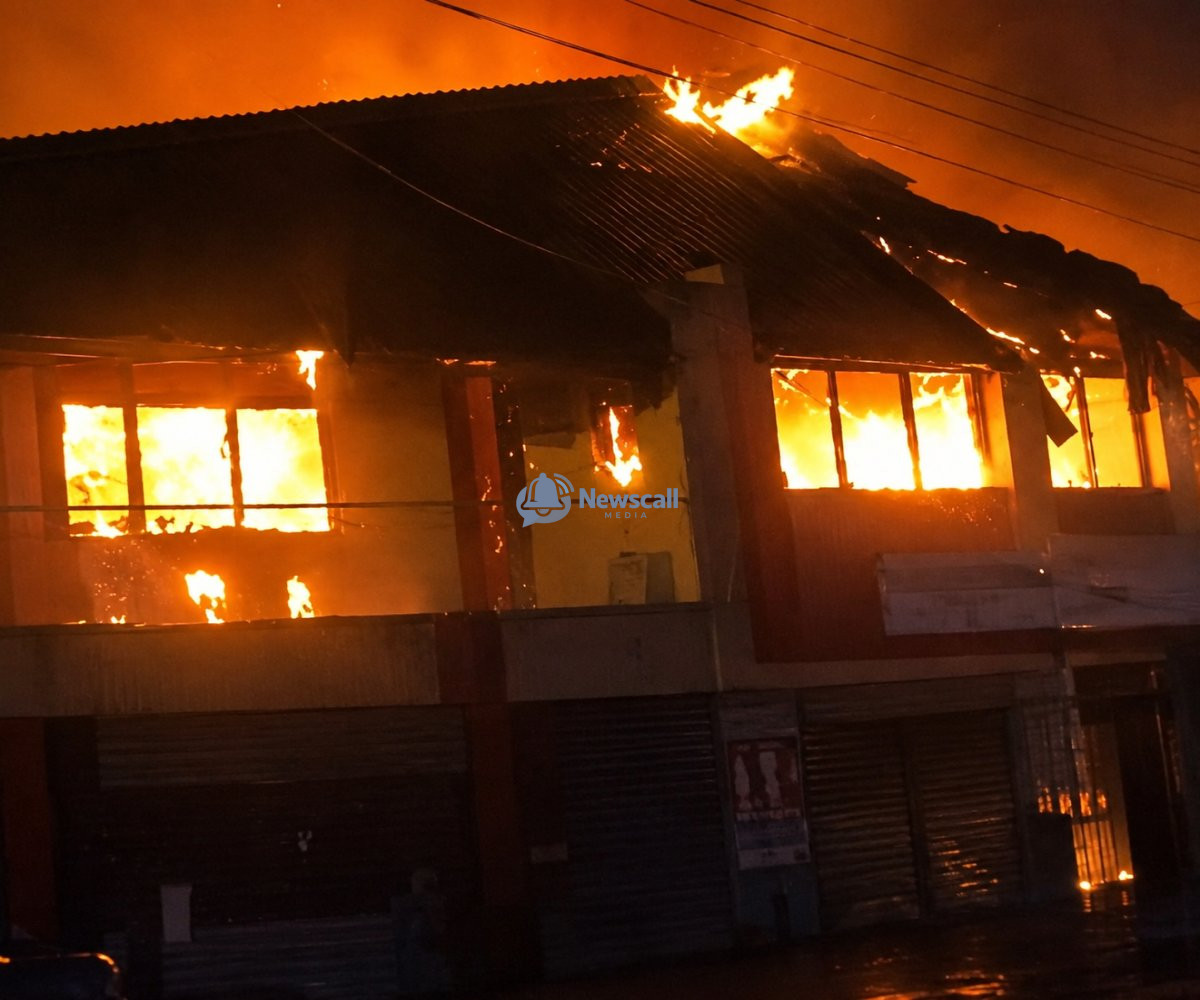
What began as a routine day of business at Akpan Andem Market in Uyo, Akwa Ibom State, ended in tragedy when a fire outbreak destroyed about 15 shops and reduced millions of naira worth of goods to ashes.
For affected traders, the disaster was more than a financial setback—it was the collapse of years of hard work, investment, and hope. Even more troubling was the revelation that the damage might have been significantly reduced if emergency response systems had functioned properly. Reports indicated that the fire truck deployed to the scene lacked diesel, leaving firefighters unable to respond effectively while traders watched helplessly as their businesses burned.
The incident has once again exposed the persistent vulnerabilities that continue to threaten markets across Nigeria.
Investigations revealed that the fire was triggered by a faulty electrical socket, which quickly ignited surrounding structures and merchandise. Within minutes, the flames spread through tightly packed shops, overwhelming efforts to contain the blaze.
The Akpan Andem Market incident reflects a broader challenge facing commercial centers across the country. Many Nigerian markets operate under conditions that make fire outbreaks almost inevitable. Overcrowded stalls, poorly planned structures, illegal electrical connections, and the storage of highly flammable materials in confined spaces create dangerous environments where a single spark can trigger widespread destruction.
Adding to the problem is the limited accessibility of many markets. Narrow pathways and congested layouts often prevent emergency vehicles from reaching affected areas quickly, allowing fires to spread unchecked before responders arrive.
Beyond infrastructure concerns, traders themselves remain highly exposed to financial risks. A significant number operate without any form of insurance coverage, leaving them vulnerable to total losses whenever disasters occur. Many also lack access to fire extinguishers and have received little or no fire safety training.
As a result, when fire incidents strike, traders are frequently forced to start over from scratch, often relying on loans or personal savings to rebuild their businesses. The consequences extend beyond individual shop owners. Families lose their primary source of income, children's education is disrupted, and entire communities suffer economic hardship.
International studies have shown that informal markets around the world face similar challenges due to weak safety regulations and inadequate infrastructure. However, Nigeria's situation is compounded by recurring institutional failures and insufficient investment in preventive measures.
The latest fire outbreak has renewed calls for comprehensive reforms aimed at protecting traders and safeguarding commercial hubs.
Experts argue that governments at all levels must prioritize regular fire safety inspections and enforce compliance with building and electrical standards. Markets should be equipped with modern fire prevention systems, while dedicated fire stations strategically located near major commercial centers could dramatically improve emergency response times.
There are also growing demands for the professionalization of electrical installations within markets. Certified electricians should be responsible for installing and maintaining power systems, while illegal connections that often contribute to fire incidents must be eliminated.
Another major recommendation is the introduction of affordable insurance schemes for traders. Such programmes could provide a critical safety net, helping business owners recover more quickly after disasters and reducing the long-term economic impact of fire outbreaks.
The Akwa Ibom State Government has faced criticism following reports that the fire service vehicle deployed to the scene lacked sufficient fuel to operate effectively. Many stakeholders believe authorities have a responsibility to strengthen emergency preparedness and support affected traders in rebuilding their businesses.
Market associations, civil society organizations, and development partners have also been encouraged to promote fire safety awareness and educate traders about the importance of insurance coverage and risk management.
The fire at Akpan Andem Market serves as a painful reminder that preventable disasters continue to threaten the livelihoods of millions of Nigerian traders.
Without urgent action to improve infrastructure, strengthen emergency services, enforce safety regulations, and expand access to insurance, similar tragedies are likely to occur again.
Protecting Nigeria's markets is not merely an economic necessity—it is a commitment to safeguarding the livelihoods, families, and communities that depend on them. The lessons from Uyo should serve as a catalyst for meaningful reforms that transform markets from vulnerable disaster zones into safer and more resilient centers of commerce.

Nwekwe Esther Amarachukwu
Public speaker,Research-driven writer covering politics and public affairs, committed to accuracy, and meaningful public discourse.