Self-Help and Community Vigilance.: The Ohuhu Model for Tackling Insecurity.
Last week, I asked my fellow Nigerians a question that was more rhetorical than genuine: what else can we possibly do about insecurity that we haven't already tried? The honest answer is plenty. We seem to have forgotten who we are. We're Nigerians, the most resilient people on earth, the ones who thrive where others retreat.
Remember when armed robbery held this country hostage? When the police system failed us completely, we didn't just sit around complaining. We reached deep into our resourceful spirits and created solutions that still work today. We formed vigilante groups. We established community development associations. We hired night guards to watch over our neighborhoods while we slept. We installed gates on our streets nowadays, you'll struggle to find a street in any Nigerian city without access control. Gates lock by midnight and reopen at dawn. Some communities even regulate generator usage after certain hours.
The Ohuhu Inspiration:
Now, with kidnappings becoming terrifyingly common, we need to dig even deeper. I was particularly moved by what happened in Ohuhu, Abia State. Two indigenes were kidnapped last week. One of the captors handed a phone to a victim to call family and demand ransom. But this clever fellow dialed a number he could recall and started speaking in Igbo a language his abductors didn't understand. He managed to describe the exact location of their hideout while they listened cluelessly.
Yes, they beat him mercilessly for it afterwards. But guess what? The people of Ohuhu mobilized their youths, stormed the kidnappers' den, and rescued their own people.
Lessons We Must Learn:
Here's the takeaway: there's immense power in community bonds. And here's another lesson for those of us raising children who can't speak their mother tongue stop it! You never know when your child might need their ancestral language to save their life.
Just before writing this, I watched a video of residents in Anchau town, Kaduna State, chasing away bandits who invaded their peace. Like the Ohuhu example, it proves we are our own first line of defense.
Think about it. We've always drilled boreholes for water, bought generators for electricity, and now we're shifting to solar power. We've learned not to wait for government. Why should security be any different? By now, we should all agree that our governments have scored a disgraceful F-9 in governance even security agencies can't protect their own.
The Shameful Reality:
If the security forces were effective, how did Major General Rabe Abubakar get kidnapped and die in captivity? Worse still, terrorists returned his body, handed it over, and walked back to their dens without any consequences. This happened in 2026, under President Bola Ahmed Tinubu's "Renewed Hope" administration. Outlaws are running the show, and it makes me sick.
As I write this on June 19, it's been 34 days since terrorists stormed Oyo State communities, kidnapped teachers and schoolchildren, and beheaded a teacher. The rest remain in captivity. And what is our political class focused on? Elections. Who will they rule over if our children are either in kidnappers' dens or hiding at home afraid to go to school?
A Touch of Humor Amidst the Horror:
Despite everything, Nigerians still find ways to laugh. I saw a skit where a child was asked why he didn't go to school. "We have a holiday," he said. "But we just celebrated Eid-el-Kabir," the questioner pressed. "We have bandits holiday!" the child replied.
What We Must Do Now:
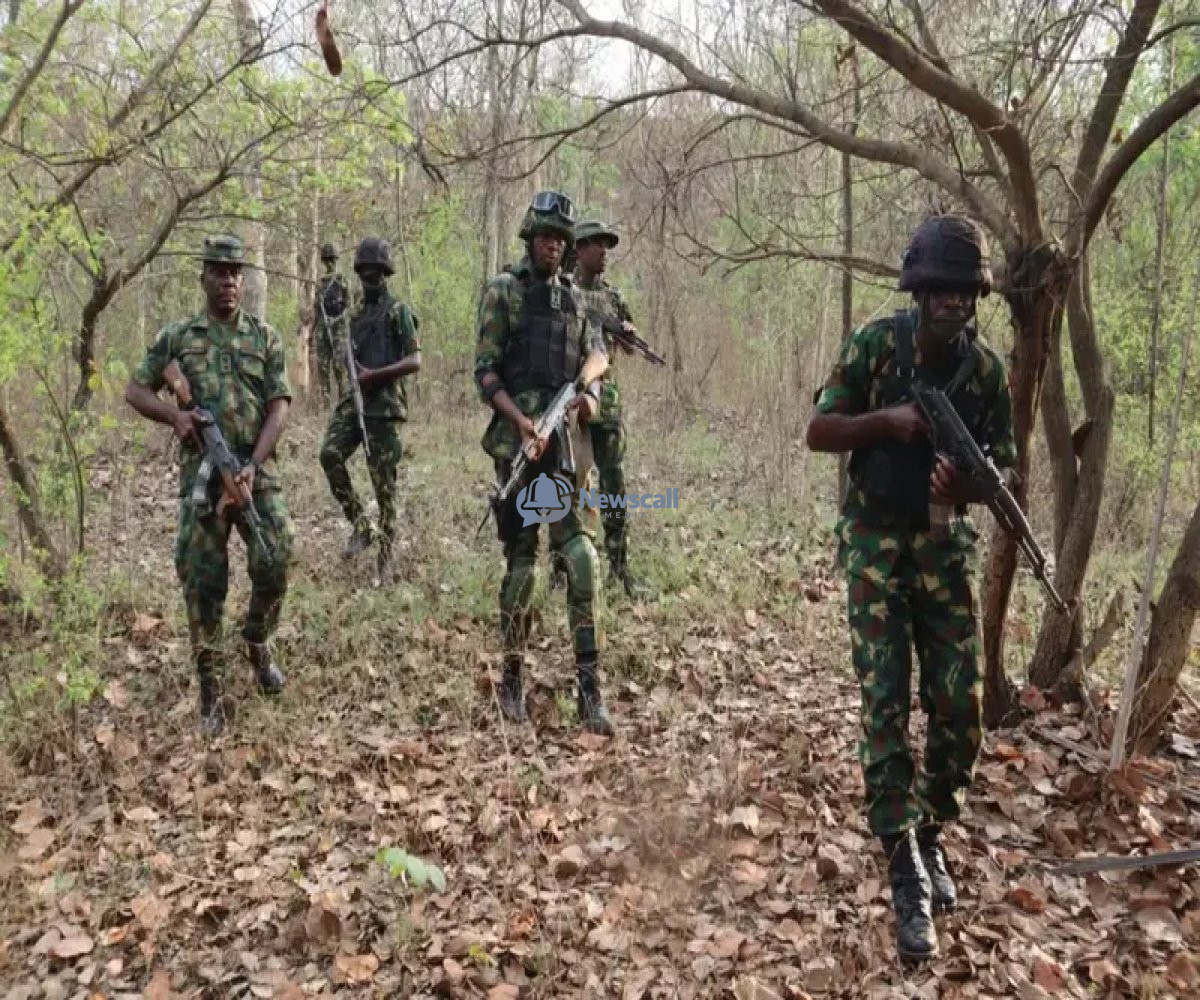
Communities must organize their youths into defensive forces against terrorists. These criminals aren't spirits they're flesh and blood, just like us. They can be confronted.
Also, be careful who you sell land to. Many of us are selling ancestral lands out of economic desperation, and terrorists are suspected to be buying forested areas to create hideouts. Let's dig into our cultural wisdom and find solutions. Some traditional leaders have already started this conversation.
We simply cannot continue like this.
Umeanozie Prosper
Writer, Novelist,blogger, content creator