


Terella Brewing Fined $150,000 After Lengthy Legal Dispute with Sunshine Coast Council
Terella Brewing Fined $150,000 After Lengthy Legal Dispute with Sunshine Coast Council
Terella Brewing, a family-run Queensland brewery that became known for blending hospitality, live entertainment and community gatherings, has been fined $150,000 after pleading guilty to unlawfully operating parts of its business without required approvals.
The ruling follows a prolonged dispute between the business and the Sunshine Coast Council — a battle that ultimately led to the venue’s closure earlier this year and left dozens of workers without jobs.
The case has reignited conversations around planning compliance, local business regulation and the challenges faced by small operators navigating complex approval systems.
From Community Venue to Courtroom Dispute
Located in Queensland’s Sunshine Coast hinterland, Terella Brewing opened in 2019 and evolved into more than a traditional brewery.
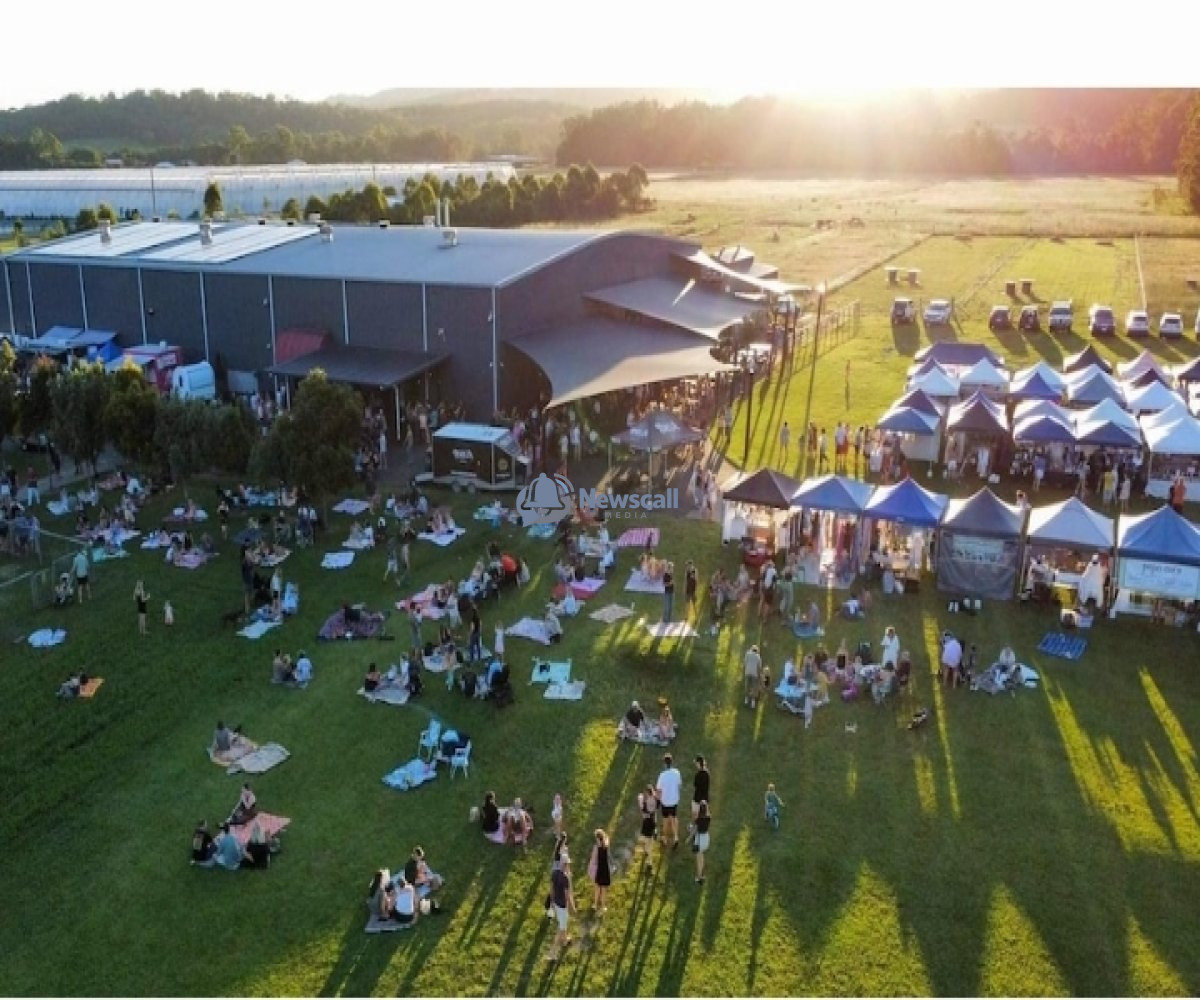
Beyond serving drinks, the venue hosted outdoor markets, live performances, animal encounters and family-focused events that attracted visitors across the region.
However, tensions emerged after concerns were raised over whether the site had appropriate approvals to operate those expanded activities.
The property originally received development approval in 2016 for intensive horticultural use, but council later argued that the brewery’s activities had moved beyond the approved scope.
The business previously stated that complaints relating to traffic and noise surfaced in 2023 and said it attempted to cooperate with council by supplying documentation and engaging in formal planning processes.
In late 2024, Terella lodged an application seeking approval for a material change of use.
After reportedly spending more than $169,000 on application and associated costs over more than a year, the business withdrew the proposal in February and permanently shut down operations in March.
Court Imposes Six-Figure Penalty
At Maroochydore Magistrates Court, Magistrate Andrew Sinclair imposed a $150,000 fine following Terella Brewing’s guilty plea last month to unlawful use of premises.
The brewery was also ordered to pay an additional $4,712.24 in professional costs.
During proceedings, legal representatives for Sunshine Coast Council argued the venue had evolved into an operation more comparable to a festival environment than a standard hospitality business.
Evidence presented in court raised concerns over parking arrangements, traffic management, crowd oversight and site safety.
Council maintained that operating without the required approvals created an uneven playing field for businesses that had invested time and money to meet regulatory requirements.
Sunshine Coast Council Chief Executive John Baker previously defended enforcement action, arguing that compliance obligations exist to protect neighbouring residents and ensure fairness across the business community.
Competing Narratives Over Responsibility
The prosecution further argued that Terella continued operating despite being aware of council’s position after receiving formal correspondence in November 2023.
Council representatives also criticised what they described as efforts by the brewery to generate public sympathy through fundraising campaigns, media engagement and political outreach.
In response, Terella’s legal team rejected suggestions of deliberate wrongdoing.
Representing the brewery, barrister David Purcell told the court the owners had initially sought operational guidance from council in 2019 and believed they were acting within acceptable limits.
He argued the business had attempted to correct regulatory concerns once they became aware of them and emphasised that the operation was not highly profitable.
“It was a labour of love for a mum-and-dad business.”
The defence maintained that any breaches arose from misunderstanding rather than intentional disregard for planning laws.
Arguments were also presented regarding the scale of complaints made by neighbouring residents.
No criminal conviction was recorded and the owners themselves were not individually charged.
For Terella Brewing, the judgment closes a chapter that began with ambitions of building a community destination and ended in a legal battle over planning compliance.
The case now stands as a cautionary example of how rapid business growth can collide with regulatory frameworks — and how disputes over approvals can reshape not only a business, but also the communities built around it.

Nwekwe Esther Amarachukwu
Public speaker,Research-driven writer covering politics and public affairs, committed to accuracy, and meaningful public discourse.