Tinubu: Why We Tracked, Arrested Kidnappers' Families in Oyo School Abduction.
President Reveals Military Strategy Behind 56-Day Rescue Operation
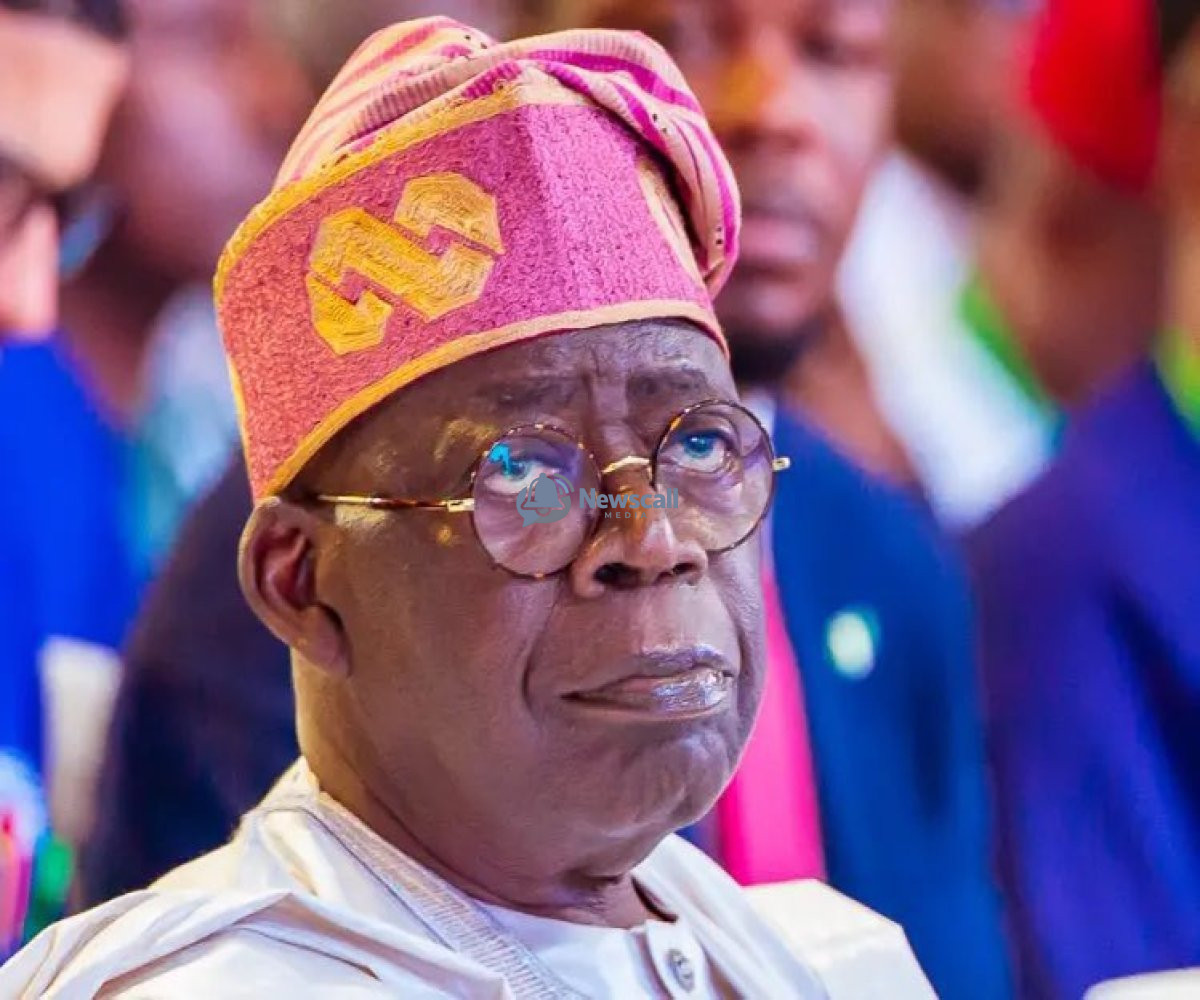
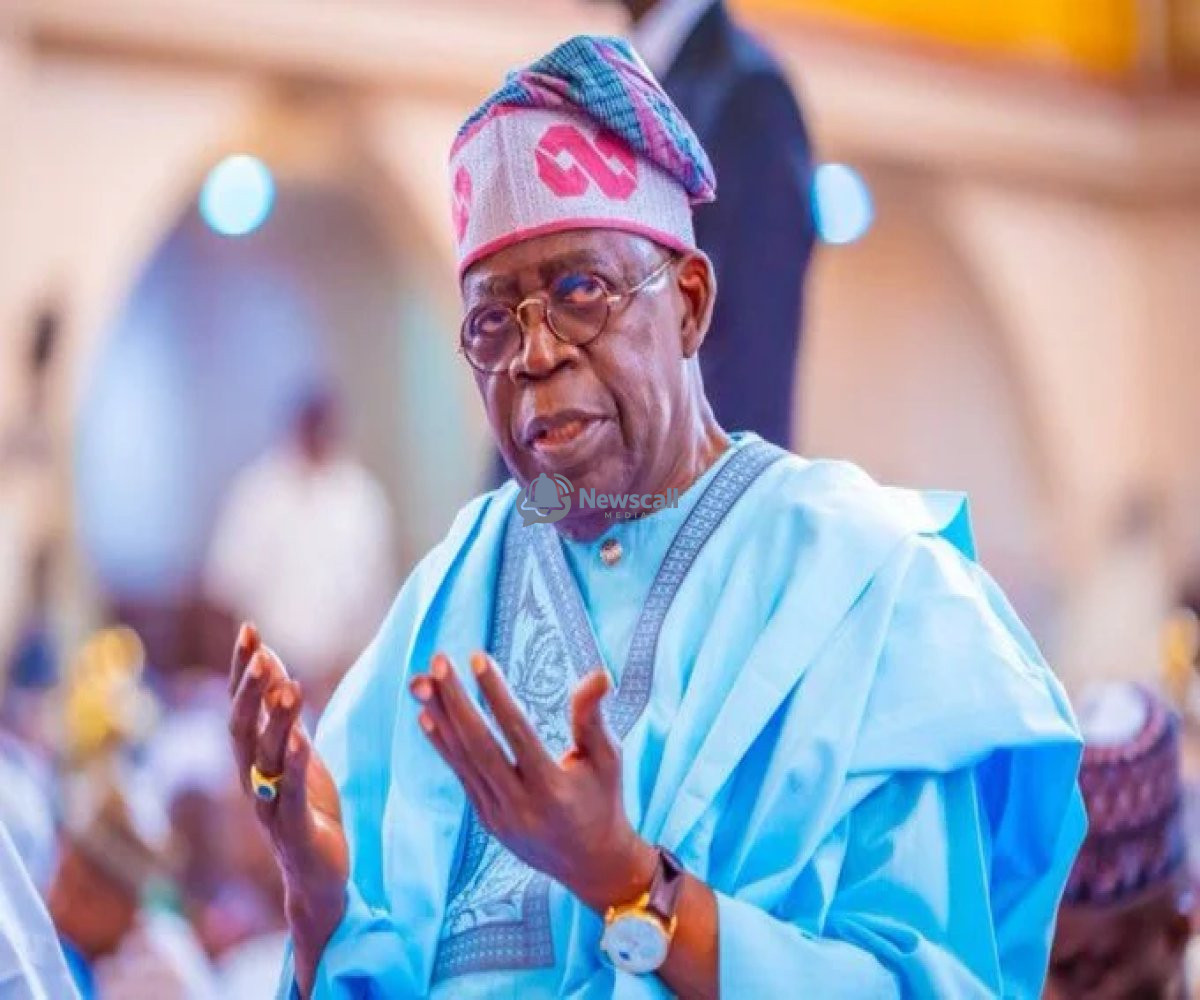
President Bola Tinubu has broken his silence on the Oyo school kidnapping crisis, revealing that his government tracked and arrested the families of the abductors to force their surrender. The President made these revelations on Thursday while meeting with a delegation of Oyo State traditional rulers at the Presidential Villa in Abuja.
The President disclosed that the militants who seized schoolchildren and teachers in Oriire last May made two demands: payment of ransom and the release of their jailed gang members. His administration flatly rejected both conditions.
"We refuse to negotiate for ransom. These criminals wanted us to release from detention members of their criminal gangs that were already arrested," Tinubu stated. "And we said no deal. We are not going to negotiate with criminals. They committed murder, and we were ready to finish with their families, members of their own communities. They grew up somewhere."
The rescue operation, which concluded on July 10 after the victims spent 56 days in captivity, resulted in eight arrests and several neutralizations. The Presidency described the military-led rescue as intelligence-driven and successful, with no ransom paid.
Major Military Expansion Ordered:
Tinubu revealed that his recent directive to expand the Nigerian Army from eight to twelve divisions was a direct operational response to the Oriire abductions. The expansion aims to shorten response times and give security forces the numerical and geographic reach needed to defeat terrorism and banditry.
"As we emphasize the question of security, each event teaches us new methods, opens our eyes, challenges us to examine and re-examine our architecture, our strategy, our map and operations," the President explained. "And you would have seen we've given a geographical and numerical answer to the challenges."
New Security Initiatives:
The President announced several key measures:
· Forest Guards Redeployment: Security personnel will be retrained and re-equipped as frontline security assets rather than focusing solely on wildlife enforcement.
· State Police: Tinubu pushed for the creation of state police forces with safeguards against abuse, giving traditional rulers a role in oversight.
· Community Intelligence: The President urged communities to strengthen local intelligence networks and report suspicious activities.
Regional Security Concerns:
Tinubu blamed the intensification of kidnappings and terrorist attacks on the security collapse in Nigeria's Sahel neighbors Mali, Burkina Faso, and Niger Republic.
"Some of them (terrorists) are non-Nigerians. You see the problem of insecurity in Mali, Burkina Faso, Niger Republic is adding more fuel to our challenges," he noted.
Oyo Traditional Leaders' Visit
Oba Rashidi Ladoja, the Olubadan of Ibadanland and Chairman of the Oyo State Council of Obas and Chiefs, led the delegation. The monarch expressed gratitude to the President and the Armed Forces for the successful rescue of the Oriire victims.
"We are here to thank you, Mr President, over the recent release of Oriire kidnapped victims from captivity. This is why we believe that the efforts of both President Tinubu and all stakeholders are commendable," Oba Ladoja said.
The traditional rulers also raised concerns about federal roads in Oyo State, including the proposed dualization of the Ibadan-Ijebu-Ode road, Ogbomoso-Ilorin road, and Badagry-Sokoto road through Ibarapa and Oke-Ogun areas.
The Oriire Abduction:
On May 15, 2026, gunmen attacked three schools Community Grammar School, Baptist Nursery and Primary School, and L.A. Primary School in Esiele and Yawota communities in Oriire LGA. Approximately 39 pupils and seven teachers were taken hostage.
Mathematics teacher Michael Oyedokun was beheaded during the attack. The victims were finally freed on July 10 after 56 days in captivity.
Looking Ahead:
Tinubu pledged to convene broader consultations with traditional leaders across the country and urged state executives to direct their significantly enhanced federal allocations toward road infrastructure to improve living standards and give security agencies better access to remote areas.
"The immediate challenge is monumental. It's not an easy job, but I asked for the job, and I got it. You gave me the support, and I got to do it," the President said.

Umeanozie Prosper
Writer, Novelist,blogger, content creator