UK Praises Ekiti Election, But CSOs Cry Foul Over Vote-Buying and Technical Glitches.
Oyebanji's Reelection Sparks Mixed Reactions as Opposition Rejects Results.
The British High Commission has extended congratulations to Ekiti State Governor Abiodun Oyebanji and the people of the state following his reelection in Saturday's governorship polls, even as civil society organizations raised red flags over widespread irregularities.
In a statement released yesterday, the UK government commended the overall peaceful conduct of the June 20 election, describing it as the first major test of Nigeria's newly enacted Electoral Act 2026. The British observation team praised the collaboration between INEC and security agencies but warned that urgent structural and technical issues need fixing before the upcoming Osun State election and the 2027 general elections.
But beneath the diplomatic praise, concerns are mounting.
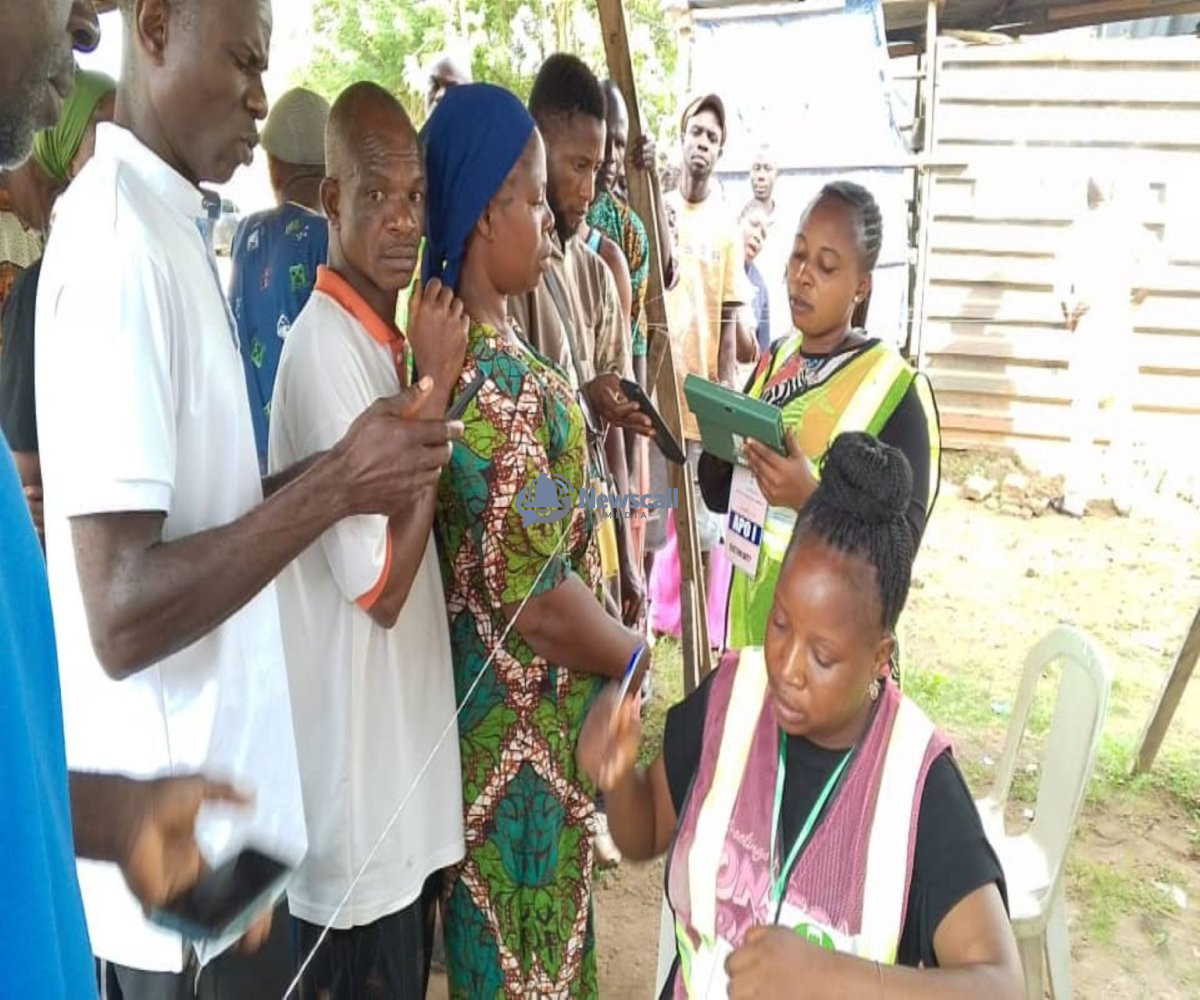
The Nigeria Civil Society Situation Room reported troubling discrepancies between ballot papers and result sheets used during the election. According to the group's co-convener, Celestine Odo, INEC had initially communicated that 14 political parties would participate. Yet ballot papers featured 19 parties, while result sheets listed only 15 a confusing mismatch that left voters bewildered.
"There were also issues with voter apathy and BVAS technical glitches," Odo told journalists in Abuja yesterday. Despite the overall peaceful atmosphere, these operational challenges undermined confidence in the process, he added.
The biggest storm, however, came from the opposition.
The Peoples Democratic Party (PDP) candidate, Wole Oluyede, has outright rejected the election outcome, claiming it "did not reflect the will of the people." His campaign organization alleged that INEC was "thoroughly compromised," citing widespread vote-buying, voter intimidation, harassment of opposition supporters, and other practices that "undermined the sanctity of the electoral process."
Meanwhile, APC leaders are celebrating what they see as a technological triumph.
Senate Leader Opeyemi Bamidele credited much of Oyebanji's victory to data analytics and strategic voter engagement deployed by Monan Innovation, a political consulting firm. The company's CEO, Moji Yakubu, said their objective was to "make political engagement more strategic and evidence based" identifying registered voters and establishing direct contact with them.
As Nigeria prepares for the Osun off cycle election and the 2027 general elections, the Ekiti experience offers both lessons and warnings: technology can be a game changer, but not when the foundations of the process remain shaky.

Umeanozie Prosper
Writer, Novelist,blogger, content creator