

UK Prime Minister Demands Answers After Release of Disturbing Henry Nowak Arrest Footage
UK Prime Minister Demands Answers After Release of Disturbing Henry Nowak Arrest Footage
Fresh controversy has erupted in the United Kingdom following the release of police bodycam footage showing the final moments of teenager Henry Nowak before his death. The footage has triggered nationwide debate, political reactions, public protests, and renewed scrutiny of police conduct after officers handcuffed the 18-year-old despite his repeated claims that he had been stabbed and was struggling to breathe.
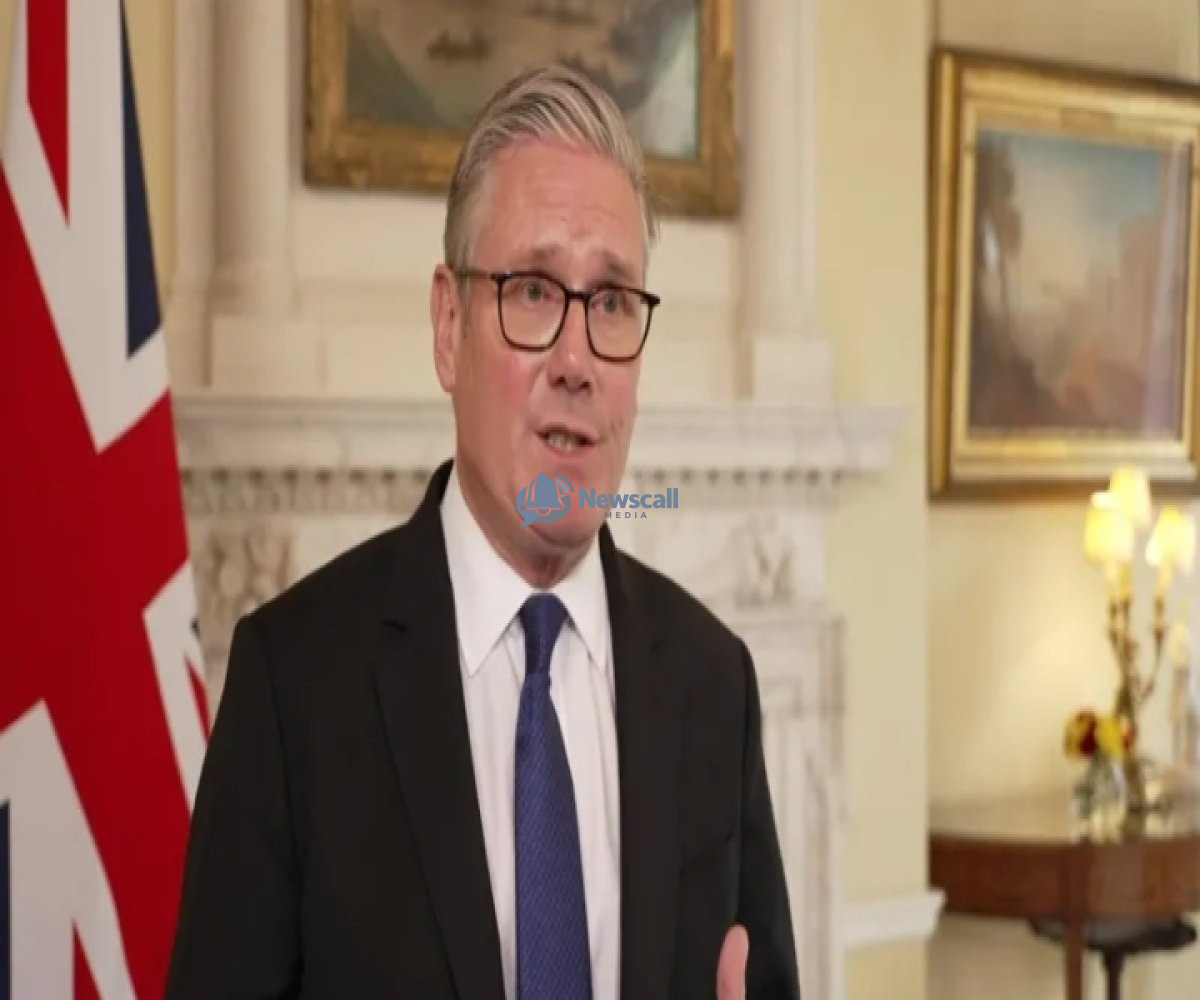
Prime Minister Sir Keir Starmer described the footage as "harrowing" and said it raises serious questions about police decision-making, particularly regarding how allegations of racism may have influenced officers' actions at the scene.
The controversy stems from the murder of Henry Nowak, an 18-year-old university student from Southampton, who was fatally stabbed by 23-year-old Vickrum Digwa.
Digwa was sentenced to life imprisonment on Monday and ordered to serve a minimum of 21 years behind bars after being convicted of the killing.
Bodycam footage released after the trial showed officers arriving at the scene and handcuffing Nowak after Digwa allegedly claimed he had been the victim of a racist attack. The footage captured the teenager repeatedly telling officers that he could not breathe and informing them that he had been stabbed.
One officer was heard questioning whether Nowak had actually been stabbed, while later footage showed the teenager being arrested for assault despite appearing seriously injured.
The release of the video sparked widespread outrage across the UK, with critics questioning whether officers gave sufficient attention to Nowak's medical condition.
Addressing the issue, Prime Minister Starmer said he felt "sick" watching the footage and stressed that authorities must determine whether accusations of racism improperly influenced decisions taken by officers at the scene.
The Independent Office for Police Conduct (IOPC) is currently investigating the actions of the officers involved and is expected to publish its findings within the next three months.
The case also ignited political debate in Parliament.
Conservative leader Kemi Badenoch described the footage as "awful" and argued that multiple failures appeared evident. She called for stronger responses from government officials and questioned whether the situation would have unfolded differently under different circumstances.
Reform UK leader Nigel Farage also criticised the police response, claiming the case reflected deeper concerns about policing standards and public trust.
Meanwhile, Home Secretary Shabana Mahmood condemned attempts to exploit the tragedy for political gain and warned against efforts to inflame tensions. She reiterated that all individuals must be treated equally before the law.
The situation escalated further on Tuesday evening when protests broke out in Southampton near the scene of the stabbing. Riot police were deployed after some demonstrators clashed with officers, throwing objects including bricks, bins and other projectiles.
Several officers were forced to respond with public-order tactics to restore calm.
The Henry Nowak case has become one of the most controversial policing incidents in Britain this year, reigniting debates surrounding police accountability, racial sensitivity training, and operational decision-making during emergencies.
The controversy has also prompted renewed examination of anti-racism commitments adopted by police leadership bodies. Critics argue that officers should focus solely on evidence and immediate threats rather than assumptions linked to race or ethnicity, while others warn against allowing the case to fuel division between communities.
At the same time, the tragedy has renewed concerns about knife crime in the UK, with Nowak's family calling for stronger action to address what they describe as a growing national problem.
Community leaders have also appealed for restraint, stressing that the actions of one individual should not be used to stigmatise entire ethnic or religious groups.
As investigations continue, the release of the bodycam footage has transformed the Henry Nowak case from a murder trial into a wider national conversation about policing, accountability and public confidence in law enforcement.
With the police watchdog examining the officers' conduct and political leaders demanding answers, attention now turns to whether the inquiry will provide clarity on the decisions made during the teenager's final moments.
For many observers, the outcome of the investigation could have lasting implications for policing policies and public trust across the United Kingdom.

Nwekwe Esther Amarachukwu
Public speaker,Research-driven writer covering politics and public affairs, committed to accuracy, and meaningful public discourse.