

Ukraine Strikes at 40: War, Memory, and Nuclear Fears
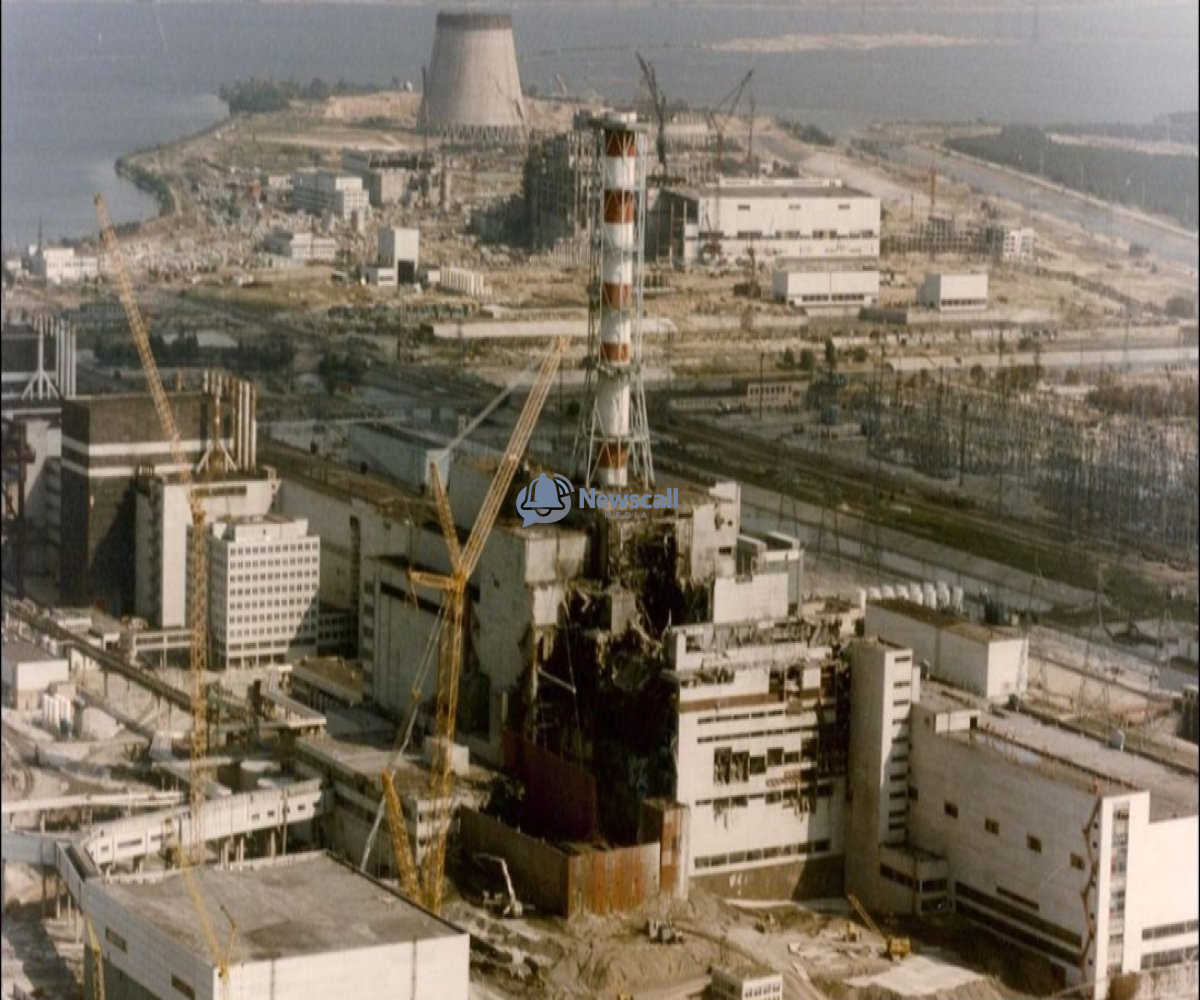
Sixteen people were killed in a weekend of cross-border strikes across Ukraine, Russian-occupied territories, and Russia, coinciding with the 40th anniversary of the Chernobyl disaster. The attacks have reignited fears of nuclear catastrophe, as drones flew dangerously close to the Chernobyl site, underscoring the war’s perilous intersection with history.
The Strikes and Casualties
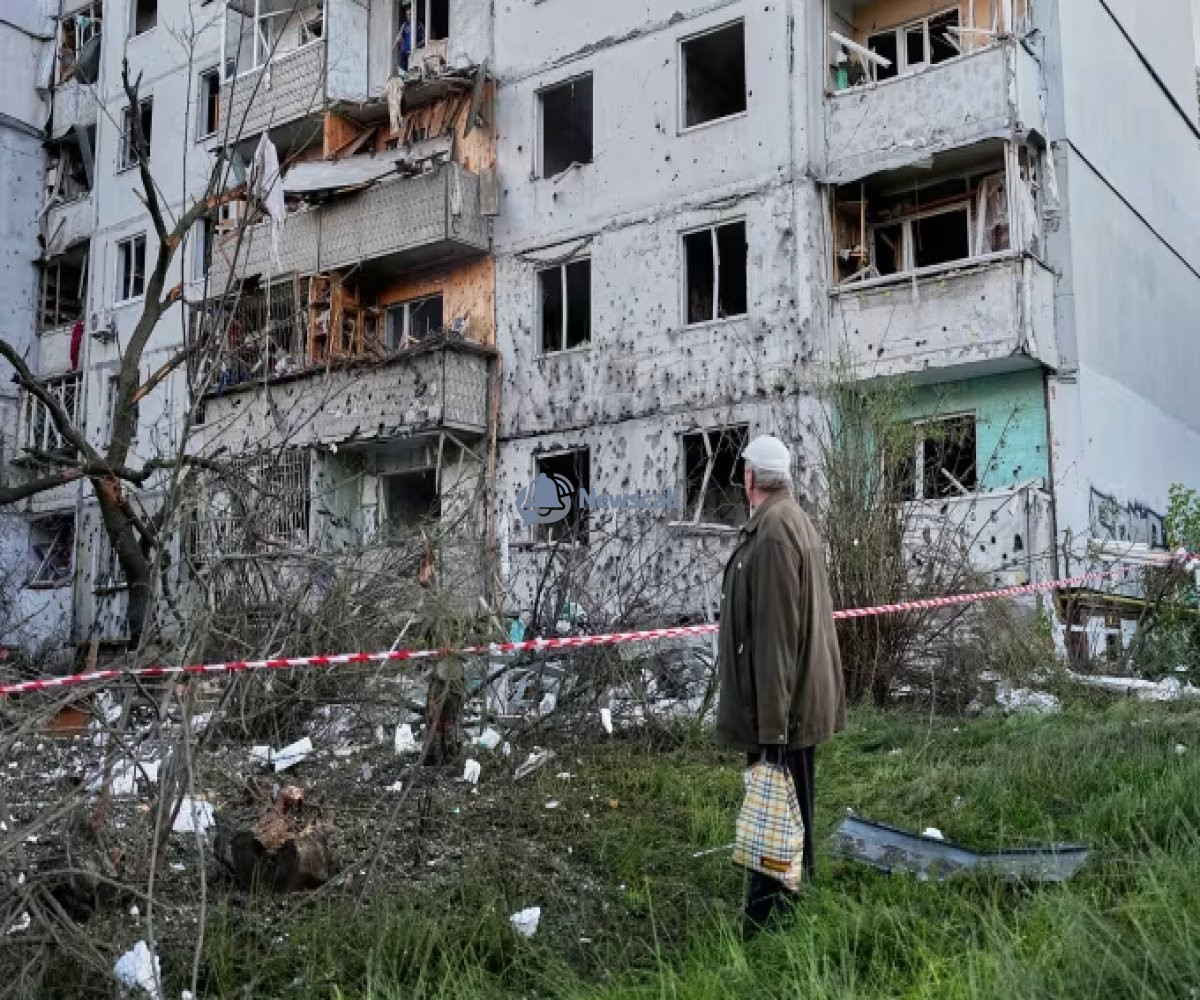
- Dnipro, Ukraine: Russian drone and missile strikes killed 9 civilians, including families sheltering in residential blocks.
- Sevastopol, Crimea: A Ukrainian drone strike killed 1 person, marking Kyiv’s continued push into occupied territory.
- Luhansk region (Russian-occupied): Ukrainian drones killed 5 people in two separate attacks, three overnight and two earlier.
- Belgorod, Russia: A Ukrainian drone strike killed 1 woman, highlighting Kyiv’s ability to hit deep inside Russian territory.
Total confirmed deaths: 16.
Nuclear Safety Concerns
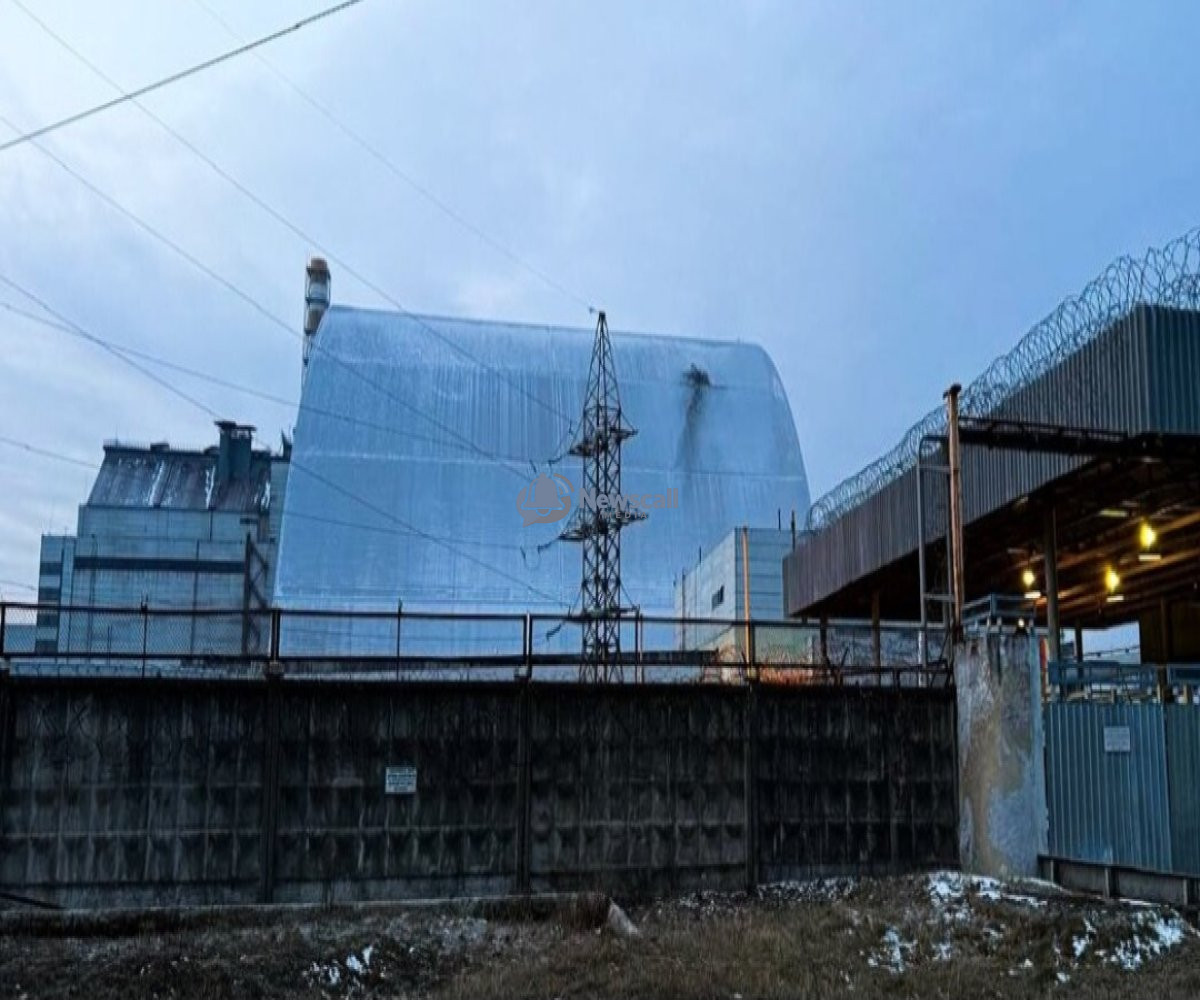
The strikes coincided with the 40th anniversary of the Chernobyl disaster (April 26, 1986). Ukrainian President Volodymyr Zelenskyy accused Russia of “nuclear terrorism,” citing drones flying over Chernobyl and recalling last year’s strike that damaged the New Safe Confinement shell.
The International Atomic Energy Agency (IAEA) has warned that damage to the protective structure could compromise safety. Repairs are estimated at €500 million, underscoring the scale of risk if fighting continues near nuclear sites.
Strategic Strikes
Ukraine has expanded its long-range strike capabilities, deploying drones capable of reaching 1,500 km inside Russia. Over the weekend, Ukrainian forces targeted an oil refinery in Yaroslavl, which processes 15 million tons annually for military fuel. Fires broke out at the facility, disrupting Russia’s logistics and signaling Kyiv’s intent to cripple Moscow’s war machine far beyond the frontlines.
International Response
At the EU-Ukraine Business Summit, Brussels pledged:
- €363 million in guarantees for small businesses.
- €600 million for transport and energy infrastructure.
- €95 million for electricity stabilization.
Zelenskyy urged the world to “force Russia to stop its reckless attacks” to prevent another man-made disaster, warning that the combination of war and nuclear risk could have consequences far beyond Ukraine’s borders.
The Human Dimension
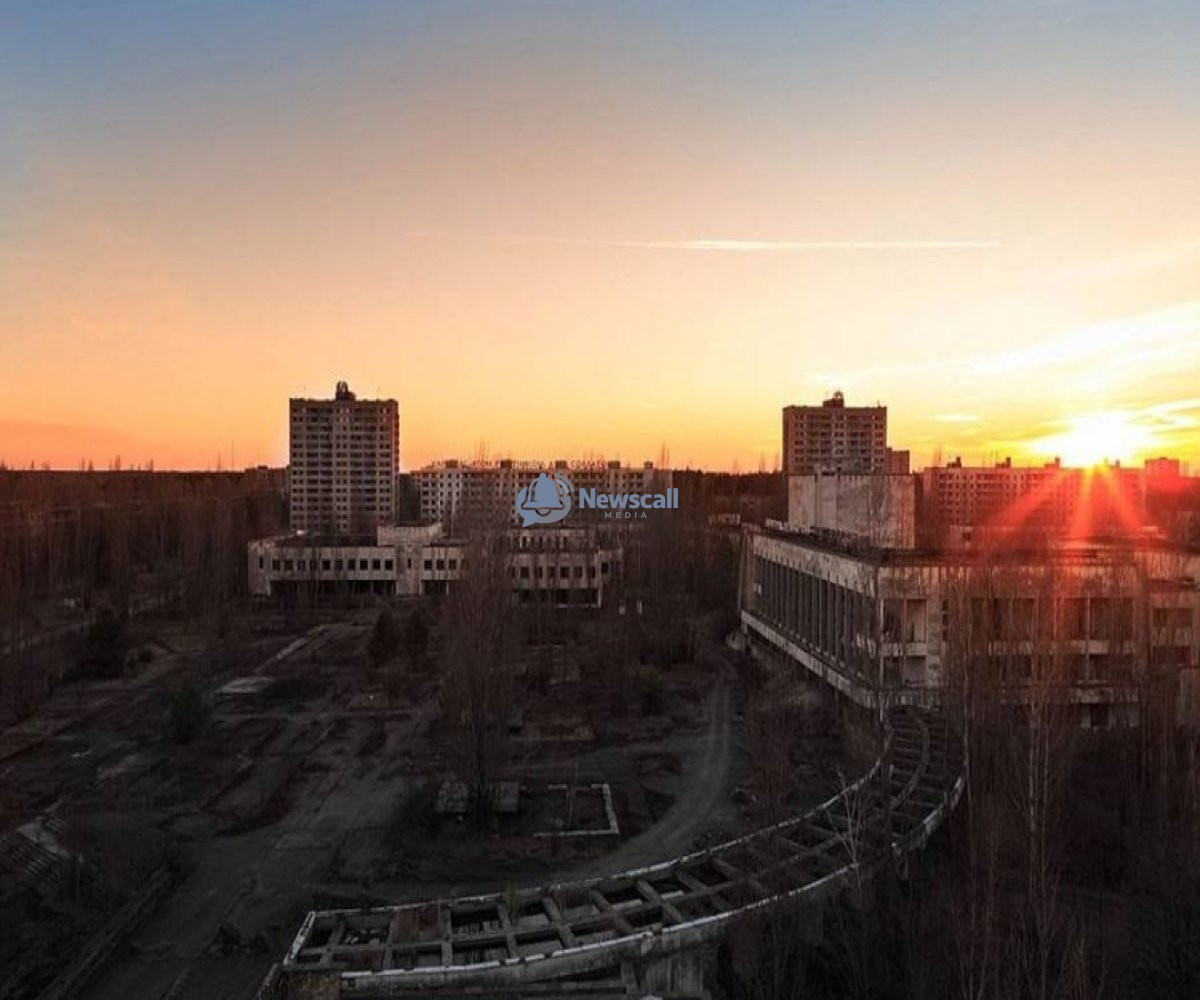
For ordinary Ukrainians, the strikes are a grim reminder that war remains relentless even on days of remembrance. Families in Dnipro mourned loved ones lost in missile attacks, while residents of Luhansk and Belgorod grappled with sudden violence. The symbolism of drones flying near Chernobyl—a site etched into global memory—has deepened the sense of vulnerability.
Conclusion
The weekend strikes highlight the escalating reach of Ukraine’s drones, the fragility of nuclear safety, and the international community’s struggle to contain the fallout. As the world commemorates Chernobyl’s 40th anniversary, the specter of another nuclear disaster looms—not from reactor failure, but from war itself.
The message is stark: history’s darkest lessons are being replayed in real time, and unless the conflict is curbed, the line between memory and catastrophe may blur once again.

OKORO WILSON EGWU
“Independent journalist delivering sharp, reporting on global conflicts, humanitarian crises, and international diplomacy. Known for transforming complex world events into...