

Up to 40 Senators Face Exit as 2027 Political Battles Reshape National Assembly
Up to 40 Senators Face Exit as 2027 Political Battles Reshape National Assembly
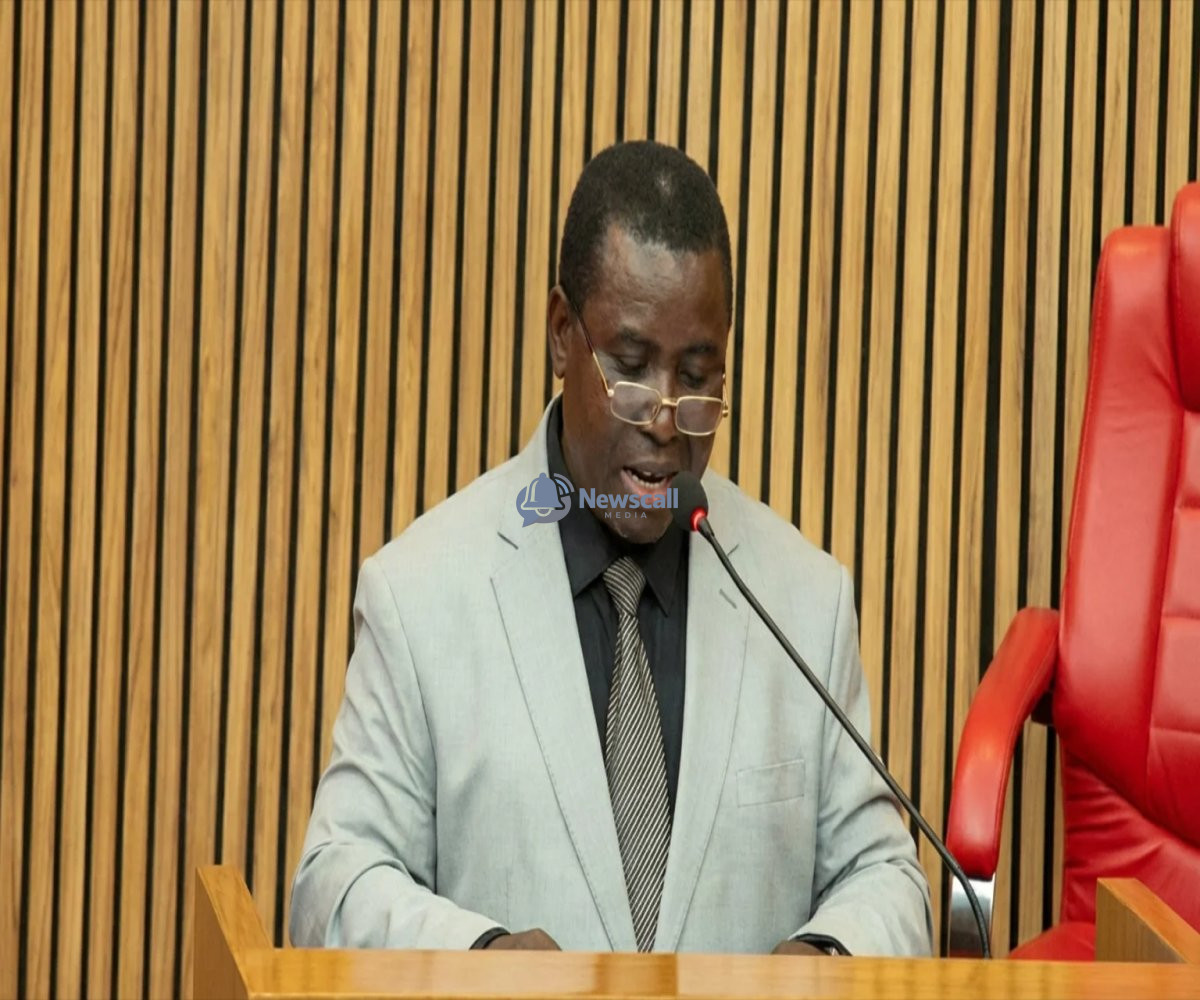
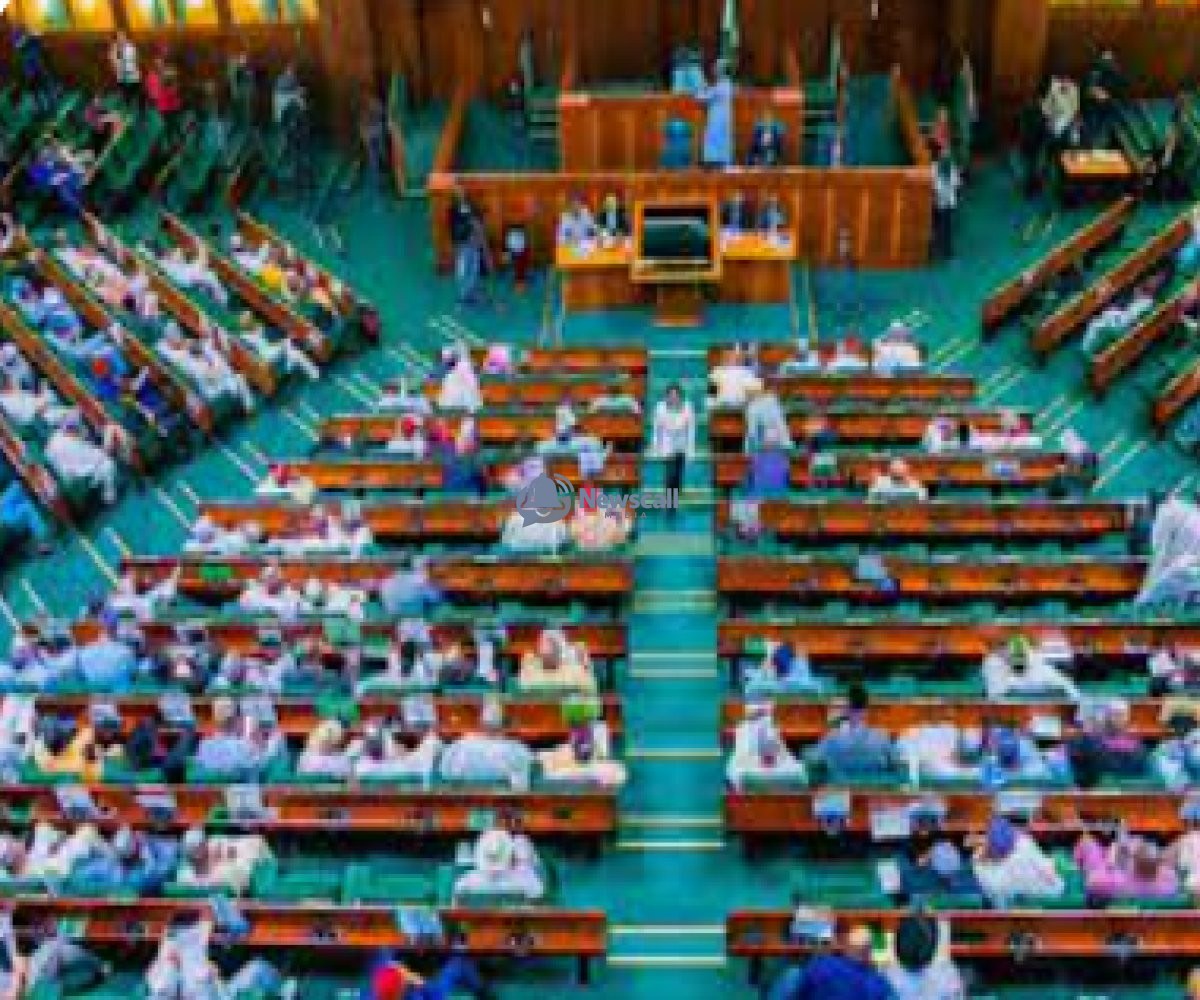
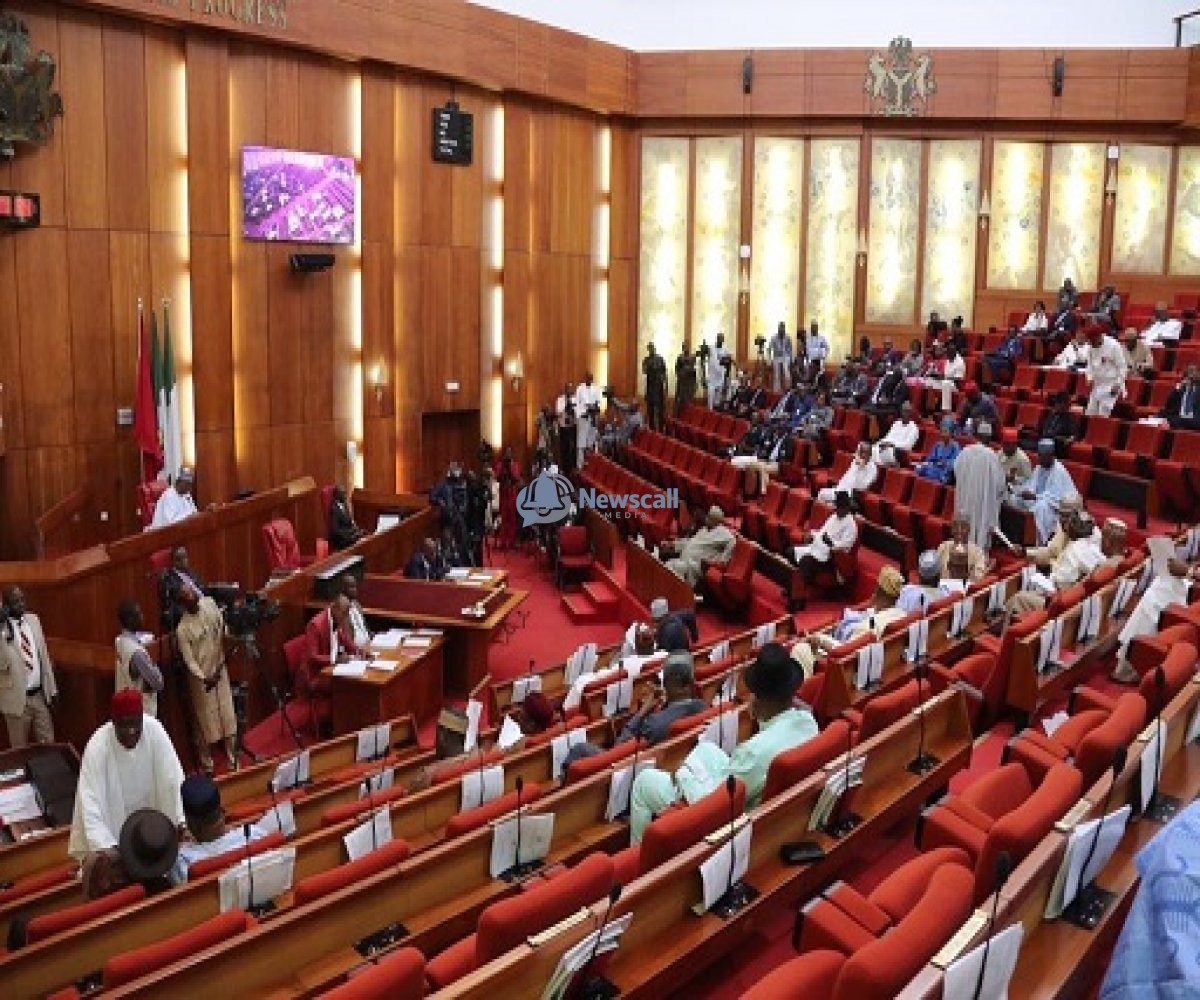
A major shake-up is unfolding in Nigeria’s Senate as preparations for the 2027 general elections gather momentum. Across party lines, dozens of serving senators are finding themselves on uncertain political ground, with many already losing nomination tickets, while others are pursuing governorship ambitions that could end their time in the National Assembly.
Current projections indicate that as many as 40 senators may not return to the Red Chamber after the next election cycle, a development that could trigger one of the largest turnovers in the history of Nigeria’s democratic legislature.
The unfolding changes are not being driven by voters alone. Behind the scenes, governors, party leaders, internal power struggles, and shifting political alliances are rapidly redrawing the map of the Senate.
The emerging picture cuts across the major political parties and newly formed political coalitions. While some senators voluntarily seek higher offices, others have become casualties of fierce primary contests and changing party calculations.
In Adamawa State, uncertainty surrounds all three serving senators. Senator Aminu Iya Abbas is reportedly positioning himself for a governorship contest, while Senator Amos Yohanna faces pressure from political realignments linked to Governor Ahmadu Fintiri. Senator Binos Dauda Yaroe's chances have also become complicated following his movement to another political platform.
Delta State has witnessed a dramatic struggle for influence. Former governor Ifeanyi Okowa is said to have regained significant control of the state's political structure, creating uncertainty around Senator Ned Nwoko's bid for another term.
In Imo State, succession politics appear to be shaping the future of Senator Osita Izunaso, while in Gombe State, veteran lawmaker Danjuma Goje faces growing challenges from forces aligned with the state government.
The race for governorship seats has also contributed significantly to the expected turnover.
In Bauchi State, Senators Abdul Ahmed Ningi and Shehu Buba Umar have both been linked to governorship ambitions, potentially ending their Senate careers. Similar scenarios are playing out in Oyo State, where political calculations surrounding the governorship race have placed the future of several senators in doubt.
Ogun State presents another example of how state-level power dynamics can influence federal representation. Political manoeuvring within the ruling party has reportedly altered the prospects of former Governor Gbenga Daniel and Senator Solomon Olamilekan Adeola.
Elsewhere, several senators have already suffered setbacks in party primaries.
In Benue State, Senators Emmanuel Udende and Titus Zam reportedly lost out during intense nomination contests. In Ondo State, Senators Adeniyi Adegbonmire and Jide Ipinsagba were displaced by new entrants seeking representation in the Senate.
Bayelsa East Senator Benson Agadaga and Plateau Central Senator Diket Plang are also among those facing uncertain futures after failing to secure favourable outcomes during political selection processes.
The situation remains particularly volatile in Kaduna, Kano and the Federal Capital Territory.
Kaduna politics has been energised by the return of former Senator Shehu Sani, whose political comeback has reportedly altered calculations in the state.
In Kano, Senator Rufai Hanga faces a difficult path amid fierce competition and changing alliances.
Meanwhile, the Federal Capital Territory is preparing for what could become one of the most closely watched Senate contests in the country. Senator Ireti Kingibe is expected to face strong opposition from former Senator Philip Aduda and activist Aisha Yesufu, making the race one of the most unpredictable ahead of 2027.
In Kogi State, attention is focused on Senator Natasha Akpoti-Uduaghan, whose expected contest against forces linked to former governor Yahaya Bello is already generating intense political interest.
Kwara State could also experience sweeping changes, with reports suggesting that ongoing political restructuring may prevent some incumbent senators from securing another term.
The expected departure of such a large number of lawmakers raises concerns about continuity within the Senate.
Experienced legislators often play critical roles in committee work, policy drafting, budget scrutiny, and oversight of government institutions. When a significant number leave at the same time, valuable institutional knowledge can disappear with them.
Nigeria is currently confronting economic challenges, security concerns, and major governance reforms. At such a time, legislative stability is often considered essential for effective lawmaking and policy implementation.
However, Nigerian politics has long demonstrated that experience alone does not guarantee political survival. Control of party structures, relationships with governors, grassroots influence, and shifting alliances frequently determine who secures nomination tickets and who exits the stage.
With more than a year before the 2027 general election, the battle for Senate seats is already transforming Nigeria's political landscape. What began as routine preparations for another electoral cycle has evolved into a fierce contest involving governors, former officeholders, party leaders, and ambitious challengers.
As the political drama unfolds, one reality is becoming increasingly clear: the 11th Senate may look dramatically different from the current one. Whether that change brings fresh ideas or creates a costly loss of legislative experience will become evident only after Nigerians return to the polls in 2027.

Nwekwe Esther Amarachukwu
Public speaker,Research-driven writer covering politics and public affairs, committed to accuracy, and meaningful public discourse.