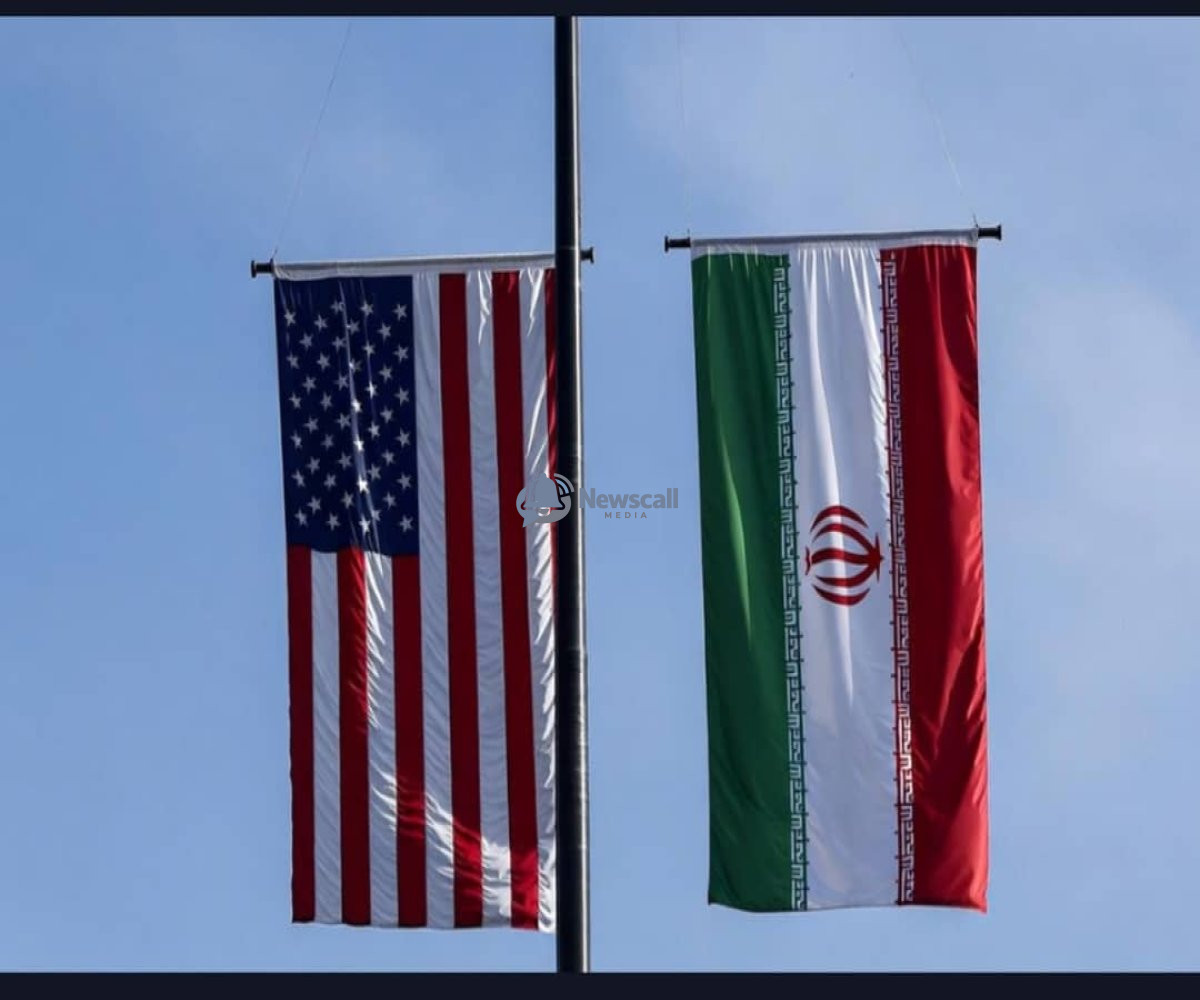
US and Iran Exchange Fire Over Weekend as Trump Plays Hardball with Ceasefire Deal.
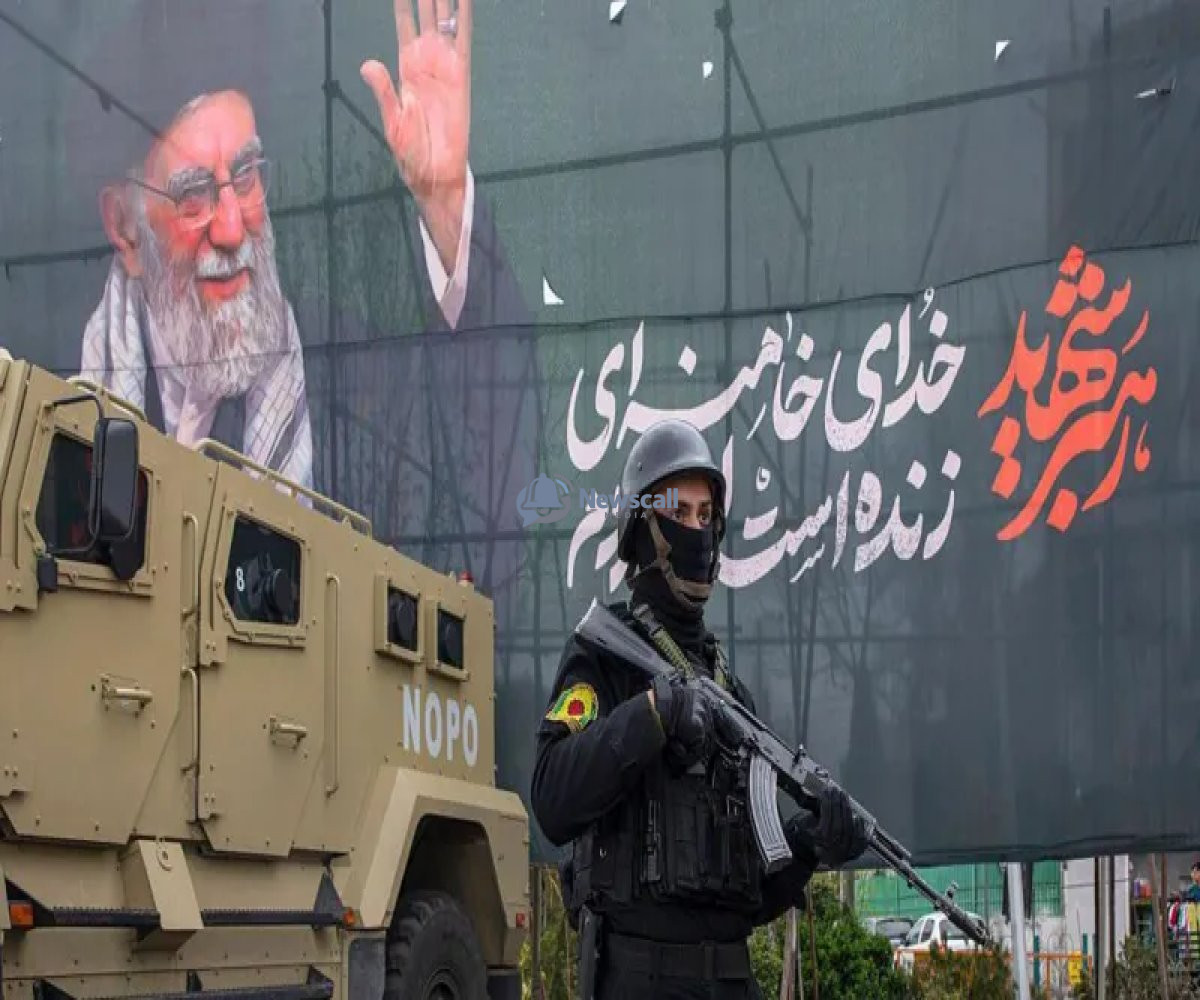
Over the weekend, the US launched what it called “self-defense” strikes in Iran, targeting radar and command centers. The Pentagon said the move was retaliation for Iran shooting down a US drone flying over international waters. US fighter jets reportedly took out Iranian air defenses, a ground control station, and two attack drones that were threatening ships in the region.
Meanwhile, Iran’s Revolutionary Guard claimed they hit a US air base though they didn’t say which one after Kuwait reported fending off drone and missile attacks. US Central Command said they successfully intercepted two Iranian ballistic missiles aimed at American forces in Kuwait, with no injuries.
This tit-for-tat violence comes despite a shaky ceasefire that’s been in place since early April. Both sides have traded blows repeatedly, but the truce hasn’t completely collapsed yet.
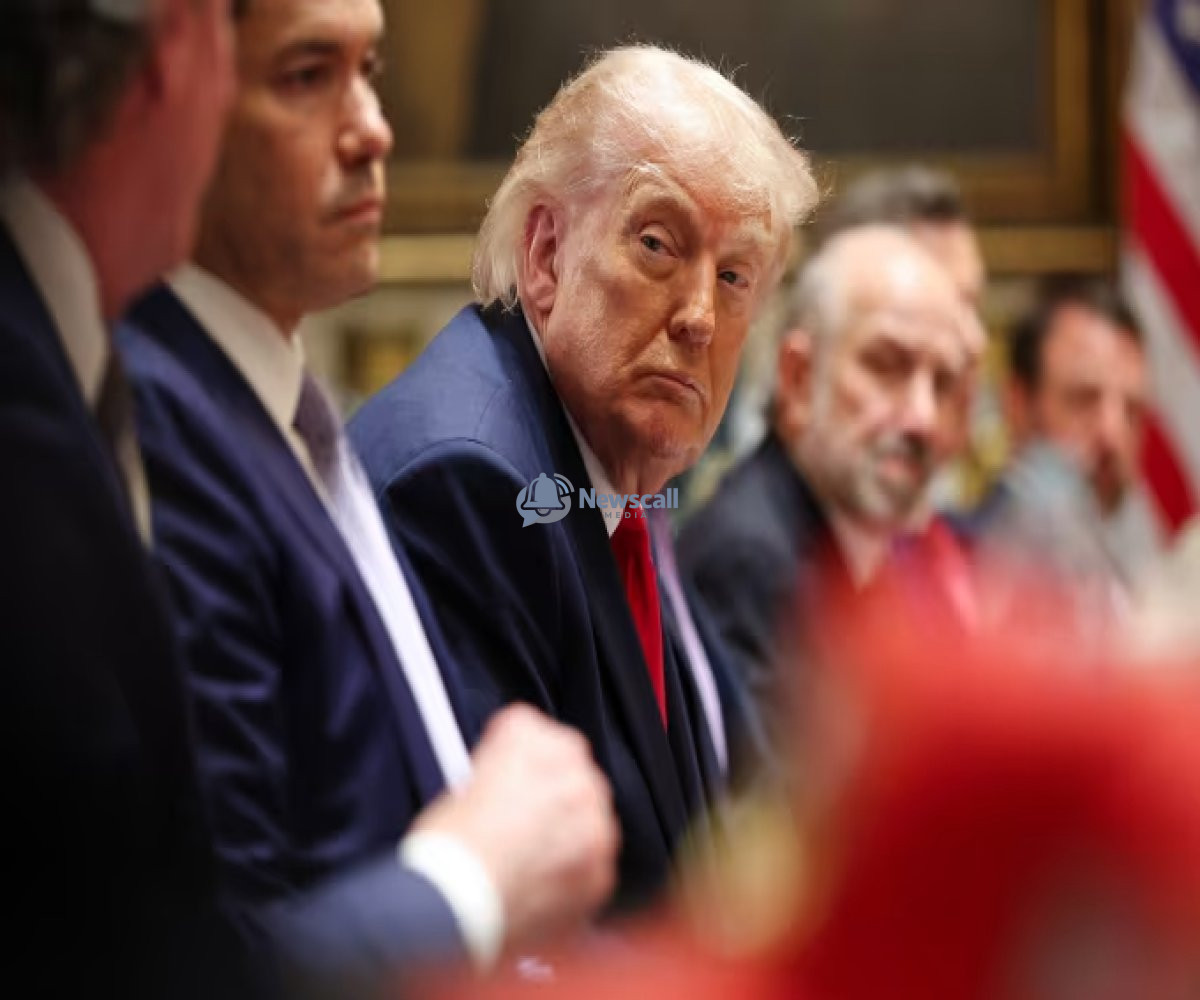
At the center of it all is a proposed deal to extend the ceasefire and reopen the Strait of Hormuz, a critical waterway for global oil shipments. President Trump just sent back the proposed agreement with his own changes, following a Friday meeting with advisors. While the exact edits aren’t public, officials say Trump wants tougher language on Iran’s nuclear commitments and reopening the strait. He’s also worried about giving Iran any financial relief, not wanting a repeat of the Obama-era “pallets of cash” he’s long criticized.
Despite the fighting, a US official said more strikes are unlikely since a deal is close. Just last week, Trump called the agreement “largely finalized.” But after a two-hour meeting, no final decision was made.
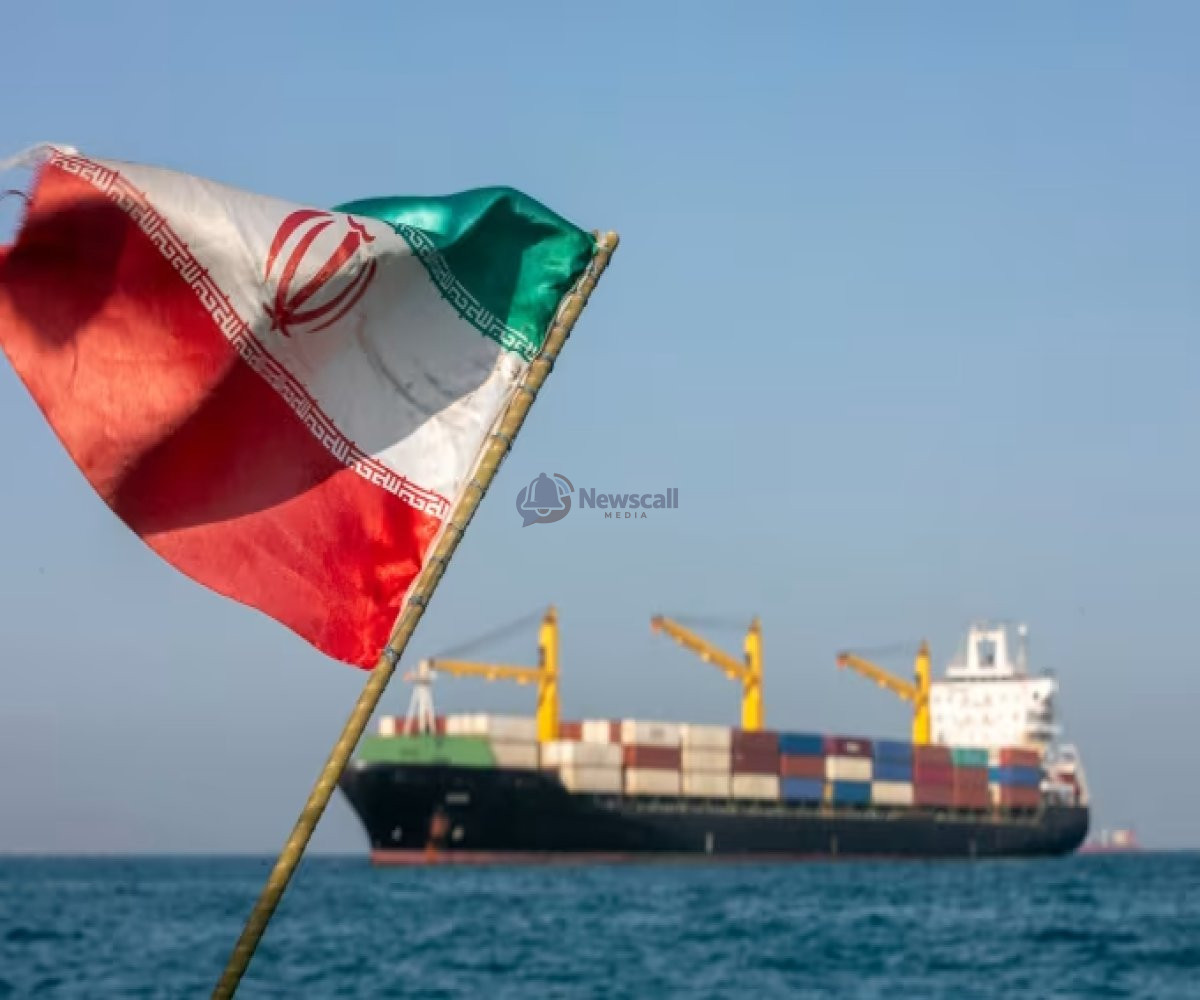
Iran’s parliament speaker made clear they don’t trust the US, saying no deal will happen unless Iran’s “rights” are secured. Meanwhile, the US Navy is blockading Iranian ports and has already disabled five commercial ships trying to reach Iran.
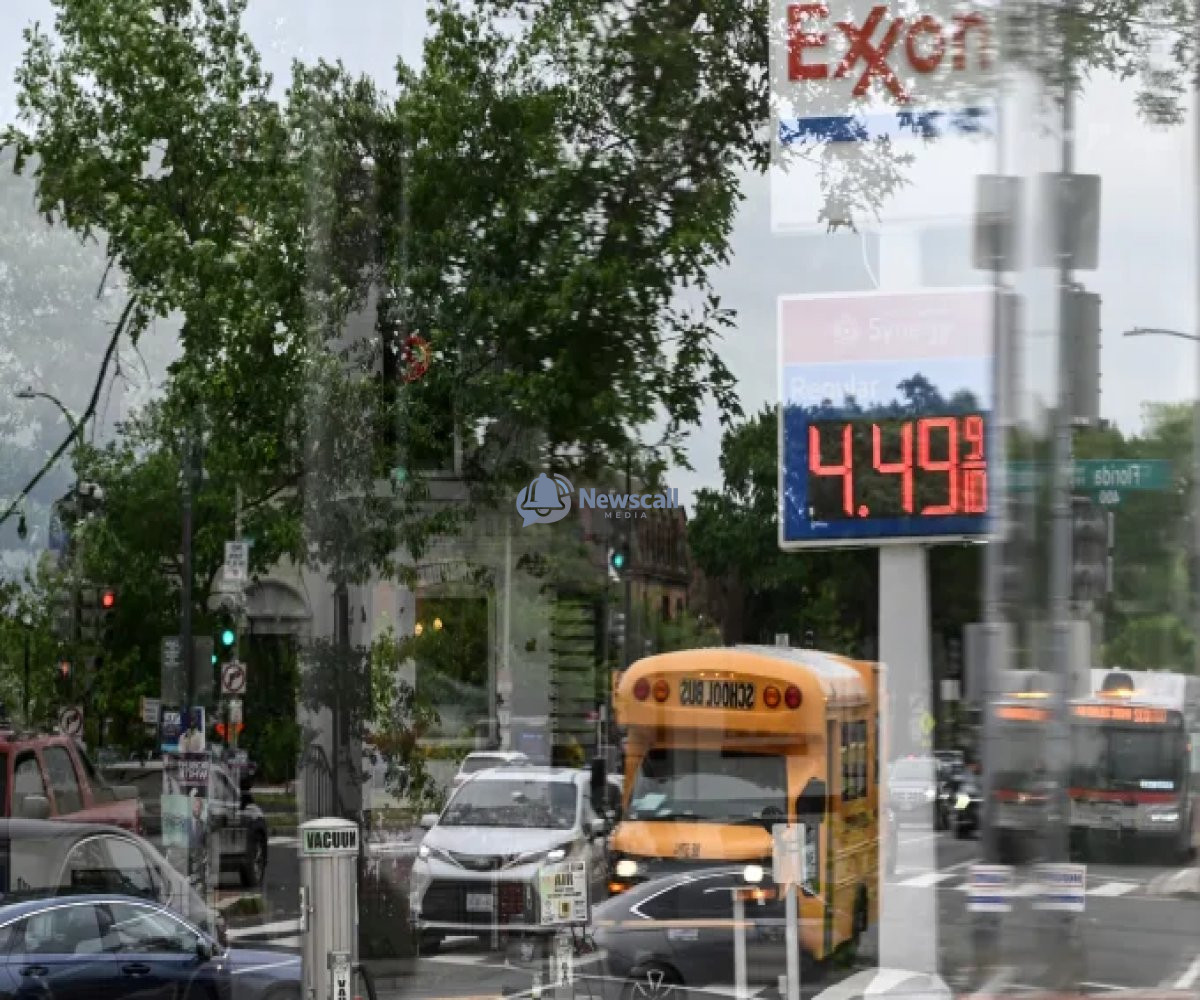
Gas prices in the US are hovering around $4.34 a gallon down a bit but still 46% higher than before the war. A White House advisor shrugged off public frustration, saying people actually have more money in their wallets once you factor in wage gains and the stock market.

Umeanozie Prosper
Writer, Novelist,blogger, content creator