

When the Silence Speaks: Nigeria's Hostage Crisis and the Government That Cannot Answer
Terrorists have names. They have phones. They have demands. What they don't have — and what the Nigerian state seems unable to provide — is an answer.
They are out there right now — somewhere in the thick of a Nigerian forest, moving. Children barely old enough to speak in full sentences. Teachers who woke up that morning believing today was just another school day. A toddler, two years old, perhaps still reaching for a hand that isn’t there.
And somewhere, on a phone line that security agencies are scrambling to trace, the men who took them are talking. Not to the families. Not to the community leaders. Not to negotiators trained in the language of hostage release.
They will only speak to the Governor.
The Oyo Abduction: A Brazen New Script
Last Friday, armed men swept through three communities in Oriire Local Government Area of Oyo State — Esinele, Yamota, and Alawusa — and took schoolchildren and teachers from not one, but three separate schools. The coordinated nature of the operation signals something deeply troubling: this was not an act of desperation. It was a statement.
The abductors, reportedly moving their captives through thick forests and across state lines to stay ahead of security operatives, have since broken their silence — but on their own terms. Highly placed sources confirm they have opened a communication channel with the Oyo State Government, refusing to negotiate with victim families or intermediaries.
“They said they only want to talk to the governor and nobody else. That was the condition they gave for negotiation. So, nobody knows the details or exactly what they are demanding,” a source disclosed.
Whether Governor Seyi Makinde is personally involved in talks remains unclear. His Special Adviser on Security, Abayomi Fagbenro, offered only: “I can’t give any information at the moment.”
Silence, it seems, is now the official language of the Nigerian state in the face of kidnapping.
The Kidnappers’ Calculated Trade
There is a chilling intelligence embedded in the abductors’ demand to speak directly with the governor. It is not a random condition. It is a trade play — a negotiation posture borrowed from the world of geopolitics and boardroom dealmaking, dressed in the terrifying clothing of mass kidnapping.
By demanding to deal only at the top, they do several things simultaneously: they elevate their own status, they force the government into a corner where engagement implies legitimacy, and they ensure that any agreement reached cannot later be denied or disavowed by lower-level officials. They are not criminals acting in chaos. They are negotiators operating with a blueprint.
The demands themselves remain deliberately confidential — a tactic as old as hostage-taking itself. Secrecy protects the transaction. It also protects the captives, at least theoretically, from being used as pawns in a public bidding war.
But it also leaves families in the most unbearable kind of limbo: knowing their children are alive enough to be bargaining chips, yet powerless to act.
A Government That Cannot Figure a Way Out
A senior security source offered what was meant to be a reassuring statement: “It is not that security agencies don’t know what to do, but the risks are extremely high. The relief now is that at least communication has been established.”
Read that again. The bar for relief in 2026 Nigeria is that kidnappers are willing to pick up the phone.
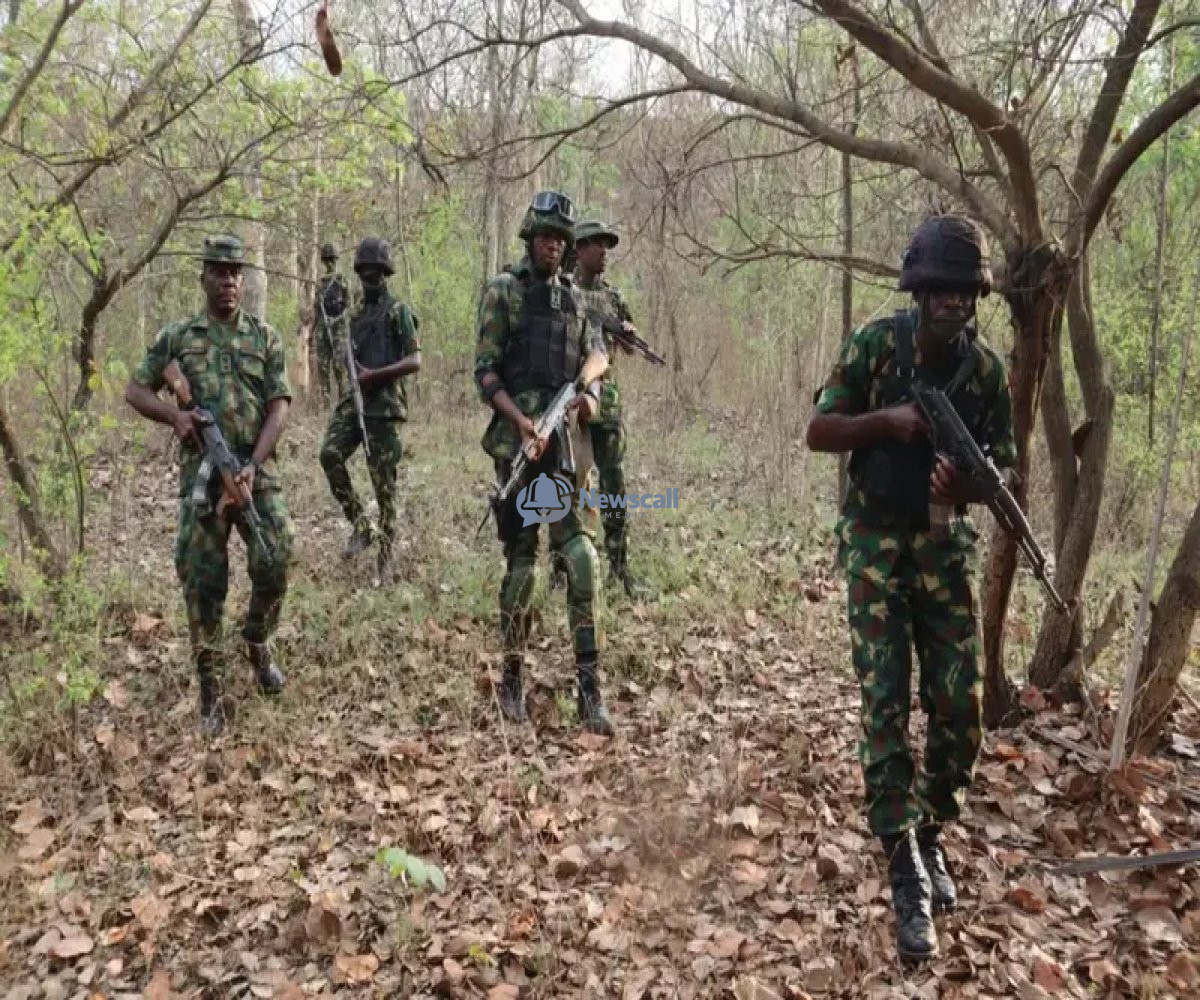
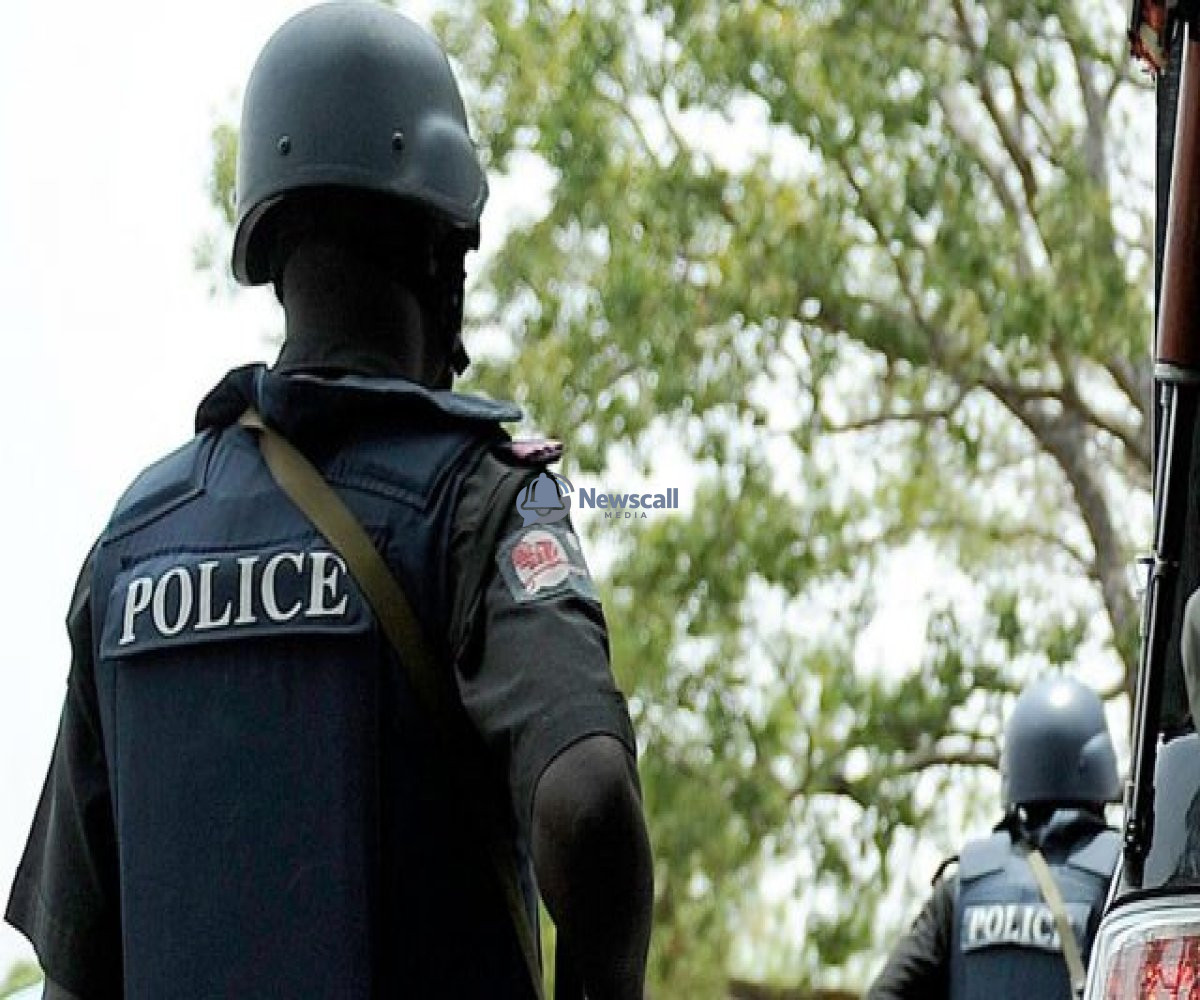
This is the state of the Nigerian security apparatus — not unable to locate the kidnappers in theory, but constrained by the very real threat that any misstep in the forest could end a two-year-old’s life. The terrain is difficult. The weather is worsening. The abductees are being moved constantly. And the clock — that merciless, indifferent clock — keeps ticking.
Meanwhile, in Kaduna, another nightmare unfolds in parallel. Bandits have demanded ₦1 billion and 35 motorcycles for 37 abducted worshippers. Churches are frozen in fear. Families wait in agony. Security forces are said to be intensifying their response — a phrase that has been repeated so many times in this country it has nearly lost all meaning.
Two states. Two separate kidnapping crises. One nation that has not yet found the architecture to stop the bleeding.
The Voice From the Comments Section
In the noise and grief of online reactions to the Kaduna abduction, one comment cut through the noise with an unusual clarity. A user on X wrote:
“Might not be today but eventually I know we all will stand up one day, come together and put an end to all these when everybody is being affected by the insecurity of the nation… Then words won’t matter but action!”
— Anonymous X user, responding to the Kaduna crisis
It is the kind of sentence that sounds dangerous and vague all at once. And yet it captures something true about the mood of a nation that has grown exhausted with grief that goes nowhere — with horror stories that trend for 48 hours before being swallowed by the next one.
What that commenter is feeling — that rising, formless pressure — is what happens when a government cannot find a way out of a crisis it did not choose but has consistently failed to prevent.
The Children Are Still Out There
By the time you read this, the toddlers taken from Oriire LGA will have spent days in a forest. No school bag. No bedtime routine. No explanation for why the world turned terrifying so quickly.
The kidnappers, for all their brutality, have worked out the rules of this particular game. They know that Nigeria’s security infrastructure is stretched thin. They know that rescue operations in dense forests with child hostages are nearly impossible without catastrophic risk. They know that a governor cannot publicly refuse to talk. They know, in short, how to win — at least in the short term.
The harder question — the one Nigeria must eventually confront not as a Twitter thread but as a policy — is what happens when the next group of kidnappers learns from the playbook of the last.
Because they will. They always do.
Right now, somewhere between Oyo and whatever state line they have crossed, the kidnappers are waiting. They have made their demand. They have set the terms. And the Nigerian government — with all its agencies, its security councils, its spokespeople who have nothing to say — is still trying to figure a way out.

Abiodun Oluwafemi
Copywriting, brandnaming, research.