

Fuel Price Fluctuation Affects Nigerians Cost of Living
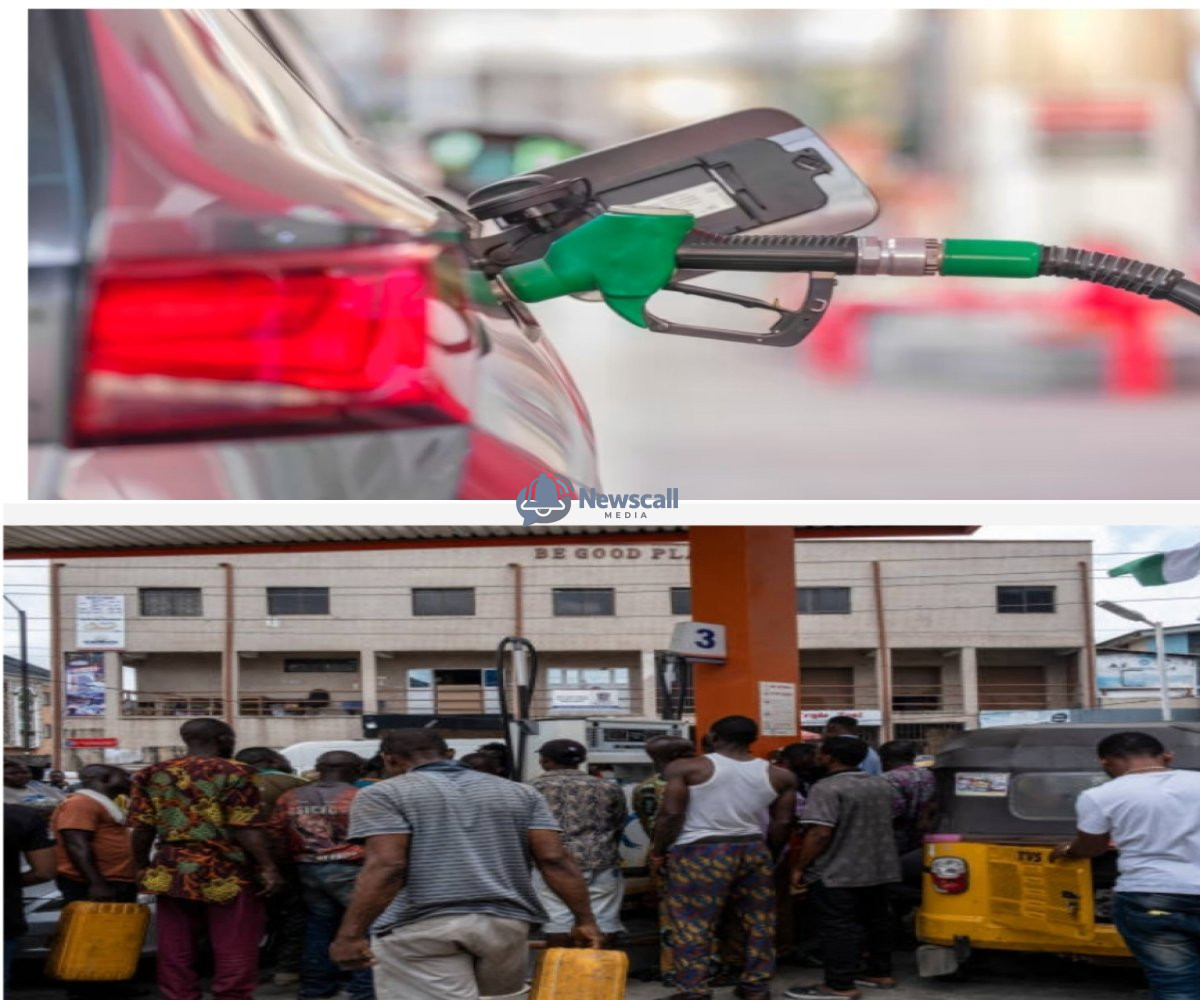
The price of fuel and other petrol products changed across depots as crude oil prices shifted in the international markets due to the ongoing crisis between US-Israel and Iran.
Africa’s most populous nation, Nigeria, has recorded significant increase in pump prices, which is currently affecting the price of goods and transportation across the country.
The recent petrol price hike occurred on Friday, though price fluctuation has been ongoing and price varies across different parts of the country.
Major Energies Marketers Association of Nigeria (MEMAN) revealed that in the downstream market, petrol gantry prices averaged N1,275 per litre from the previous price of N1,195.02/L.
Reports say some filling stations operated by the national oil company, petrol now sells for about ₦1,369 per litre, while many independent stations dispense between ₦1,420 and ₦1,500, with no uniform pricing across outlets.
Before the escalation in the Middle East, petrol sold for between ₦840 and ₦900 per litre ($0.56–$0.60), underscoring how quickly global developments are affecting the domestic market.
Dangote Petroleum Refinery, the country’s largest private refinery, has repeatedly adjusted its ex-depot prices, with the latest hike pushing the gantry price of petrol to ₦1,245 per litre, while Automotive Gas Oil (AGO), or diesel, has also increased.
The crisis has also disrupted tanker traffic through the Strait of Hormuz, which remains closed—a narrow but critical waterway through which roughly one-fifth of the world’s oil supply passes.

Priscilla Uzobuenyi
Hey 👋 Feeling stuck trying to build your character, or just keep up with life without feeling overwhelmed? Maybe you...