

2027: Cracks Deepen in Rivers APC as Defections Loom Over Controversial Primaries
2027: Cracks Deepen in Rivers APC as Defections Loom Over Controversial Primaries
Fresh political tension is brewing within Nigeria’s ruling party, the All Progressives Congress, following growing discontent over the conduct of governorship primaries and alleged disqualification of aspirants in several states ahead of the 2027 general elections.
While the party successfully produced consensus governorship candidates in states including Lagos, Katsina, Borno, Ogun and Kano, the situation in Rivers State has sparked fears of a major internal crisis that could weaken the APC before the next election cycle.
The tension intensified after reports emerged that several prominent aspirants in Rivers were screened out of the party’s primaries, triggering threats of defections and open criticism from party stakeholders.
Rivers APC Faces Growing Rebellion
In Rivers State, frustration among disqualified aspirants appears to be pushing the party toward a major split. Political observers believe the situation worsened following indications that suspended Governor Siminalayi Fubara may no longer actively pursue the 2027 governorship race, creating uncertainty within the state’s political structure.
Among those reportedly disqualified are serving lawmakers from both the Rivers State House of Assembly and the National Assembly.
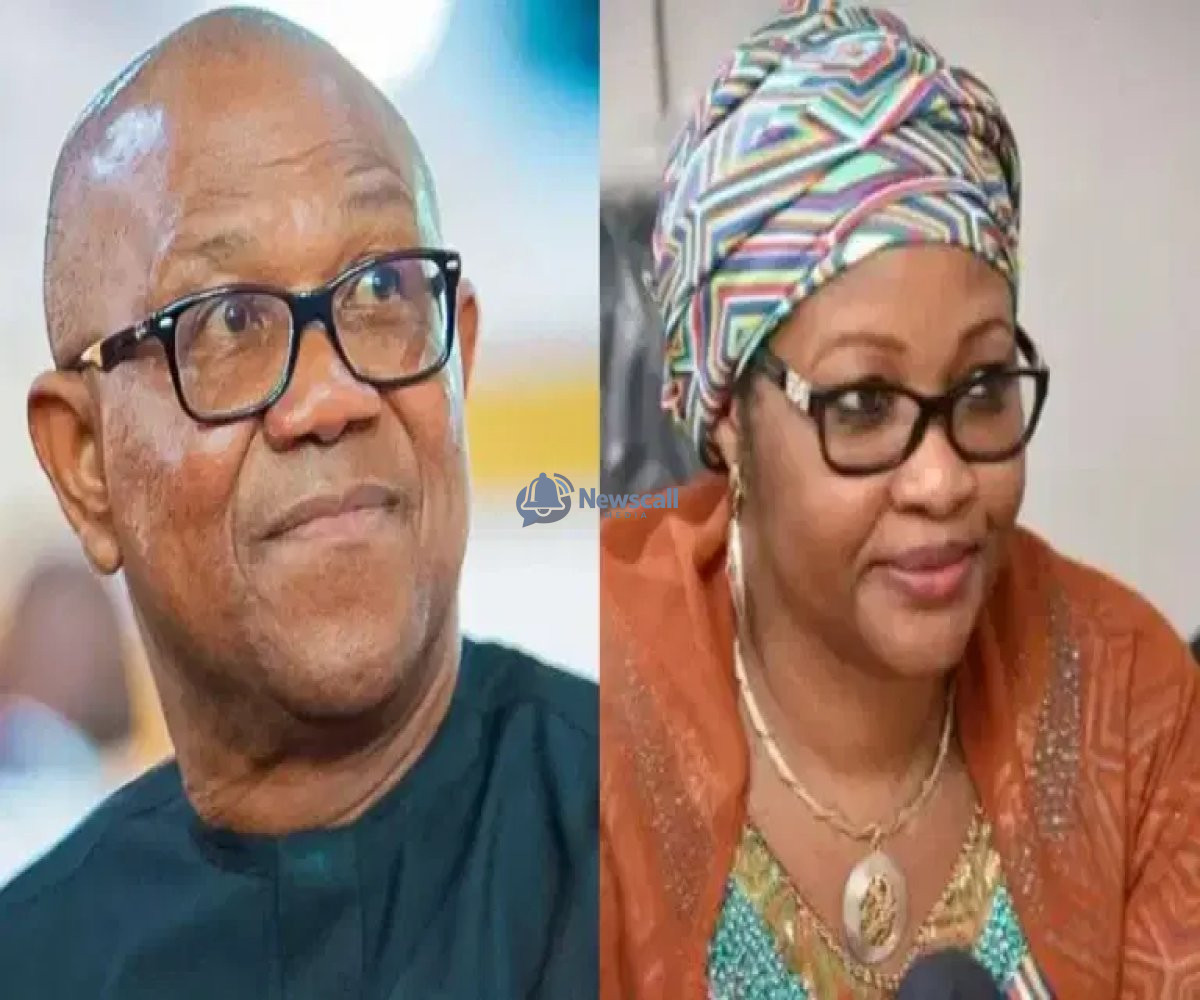
One of the affected aspirants, Senator Ipalibo Banigo, publicly expressed disappointment during a meeting with supporters in Degema Local Government Area. Banigo urged the APC national leadership to review the process, insisting that justice must prevail.
Another aspirant, Dr. Legborsi Yamaabana, warned that many aggrieved politicians may contest under different political platforms if the situation is not addressed.
According to him, the exclusion of influential grassroots politicians could seriously damage the APC’s strength in Rivers ahead of the 2027 polls.
Despite the unrest, the Rivers APC leadership appealed for calm. Party spokesman Chibike Ikenga urged both winners and losers of the primaries to unite in the interest of the party, stressing that victory in the primaries does not automatically guarantee success in the general election.
APC Produces Consensus Candidates Across States
Elsewhere, the APC recorded relatively peaceful governorship primaries with several candidates emerging through consensus arrangements.
In Lagos State, Governor Babajide Sanwo-Olu openly backed Deputy Governor Obafemi Hamzat as the party’s consensus governorship candidate.
Sanwo-Olu described the direct primary process as peaceful and transparent, praising party members for their turnout during voting on Lagos Island. He said the process reflected internal democracy and confidence within the party.
Local party leaders also praised Hamzat’s experience in governance and expressed optimism that he would continue the policies and infrastructure projects of the current administration if elected governor in 2027.
In Katsina State, Governor Dikko Radda secured endorsement as the APC governorship candidate through a voice vote affirmation supervised by party officials from Abuja.
Party leaders described the process as peaceful and praised the level of unity displayed by stakeholders in the state.
Similarly, in Borno State, engineer Mustapha Gubio emerged as the party’s consensus candidate. During his acceptance speech, Gubio promised to continue the rebuilding and security efforts initiated by Governor Babagana Zulum.
He pledged to prioritise education, healthcare, resettlement of displaced persons, agriculture and reconstruction of communities destroyed by insurgency.
In Ogun State, Senator Solomon Olamilekan Adeola, popularly known as Yayi, dismissed rumours of internal divisions after emerging as the APC consensus candidate.
Adeola insisted his emergence followed extensive consultations with party stakeholders and denied claims that any aspirant was unfairly treated.
Meanwhile, in Kano State, Governor Abba Yusuf was adopted as the party’s consensus governorship candidate during a congress attended by party delegates and supporters from across the state.
Kwankwaso Denies Alliance With Tinubu
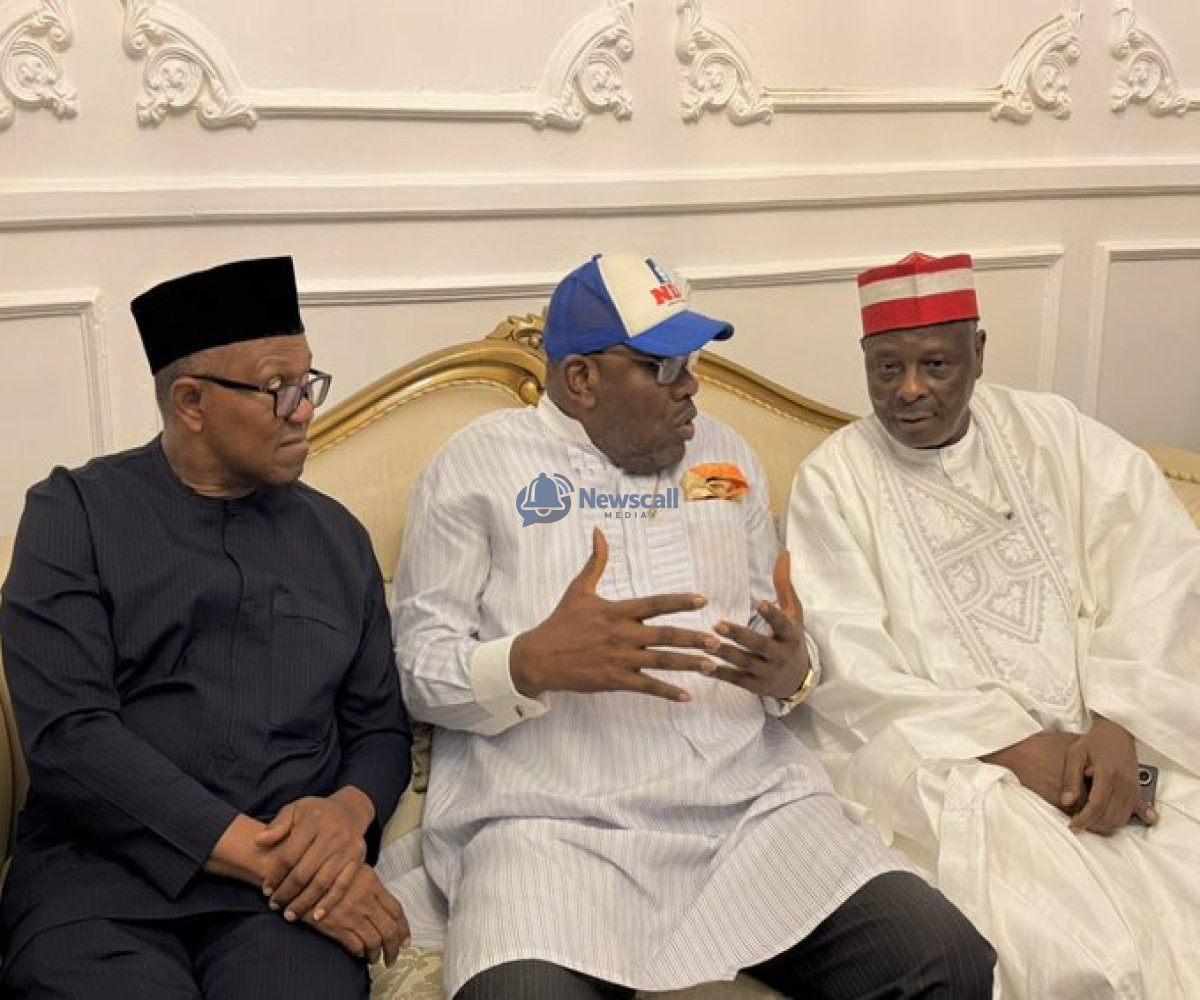
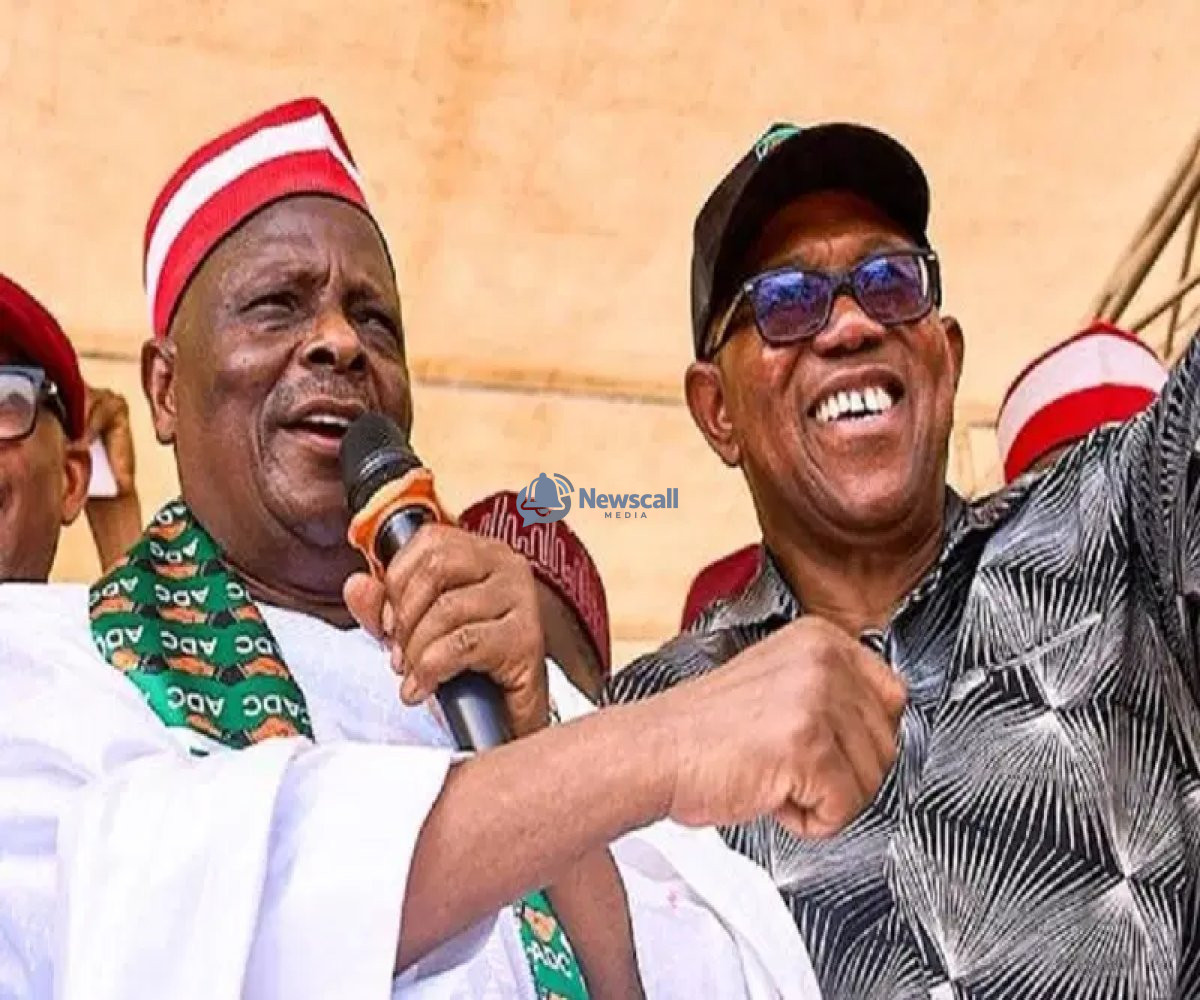
Amid growing political realignments ahead of 2027, former Kano governor Rabiu Kwankwaso denied allegations that he is secretly working for President Bola Tinubu ahead of the next presidential election.
Kwankwaso described the claims as false and politically motivated, insisting that his political movement remains focused on building the Nigeria Democratic Congress coalition.
Although he acknowledged having a longstanding personal relationship with Tinubu, he stressed that friendship does not amount to political cooperation.
Kwankwaso also criticised the current administration, claiming that many people surrounding the president are disconnected from the realities Nigerians face daily.
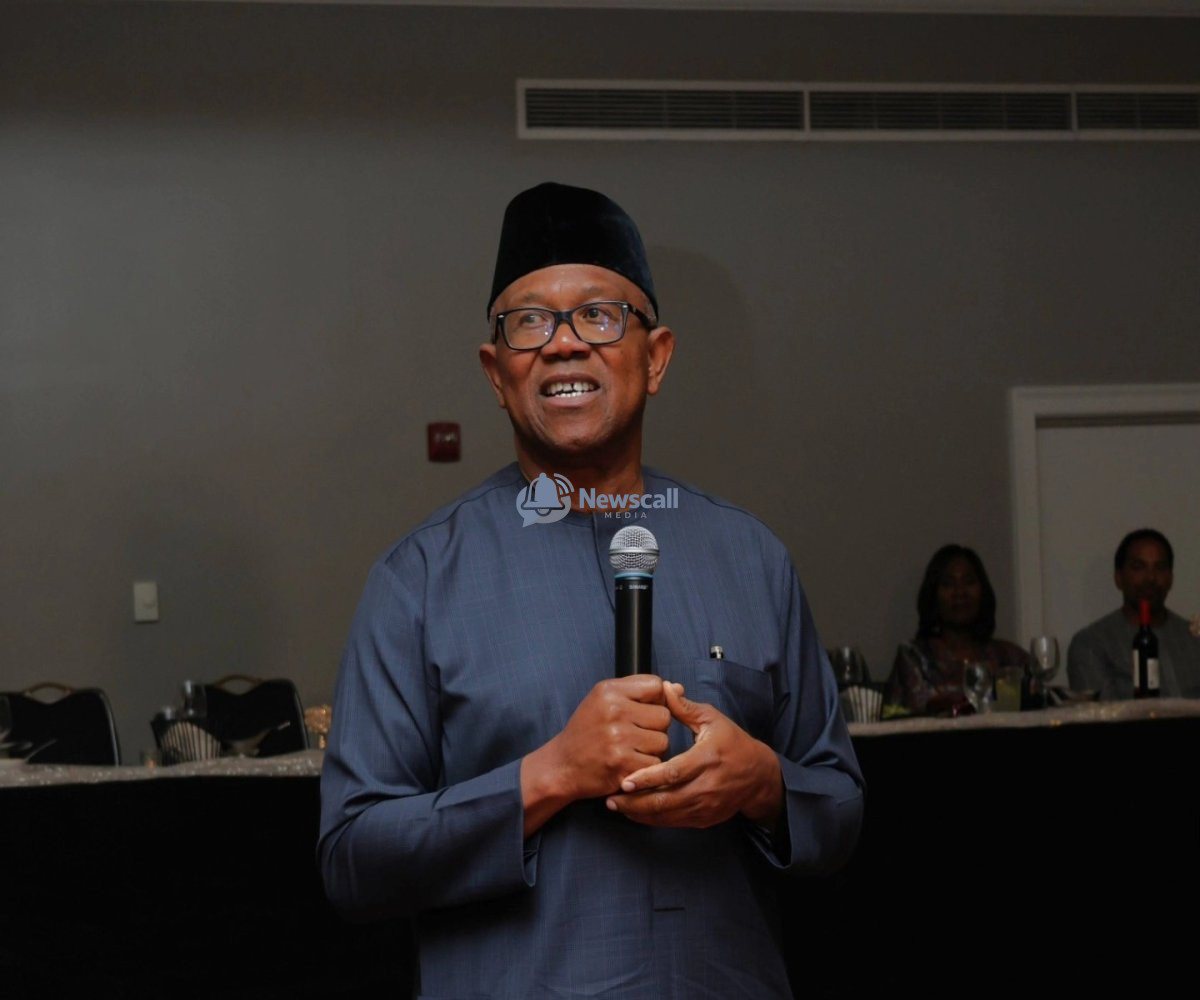
He further confirmed that coalition talks within the opposition bloc had produced Peter Obi as the preferred southern presidential candidate for 2027.
The latest developments highlight the growing intensity of political maneuvering ahead of the 2027 elections. While the APC appears determined to maintain internal unity through consensus arrangements, the crisis in Rivers State exposes the risks associated with excluding influential party figures from the process.
Political analysts believe Rivers remains one of Nigeria’s most strategic states politically and economically. Any large-scale defection from the APC could significantly alter the balance of power in the South-South region.
At the national level, emerging alliances among opposition figures such as Kwankwaso and Peter Obi also signal that the 2027 presidential race may become one of the most competitive in recent political history.
As preparations for the 2027 elections gather momentum, Nigeria’s political landscape is already witnessing intense negotiations, shifting alliances and growing internal battles within major parties.
While the APC has succeeded in producing consensus candidates in several states, the looming crisis in Rivers State could become a major test of the party’s unity and electoral strength.
With opposition coalitions also beginning to take shape, the coming months are expected to redefine the country’s political direction ahead of another crucial general election.

Nwekwe Esther Amarachukwu
Public speaker,Research-driven writer covering politics and public affairs, committed to accuracy, and meaningful public discourse.