Nigeria’s Federation Account Crisis Deepens Amid Calls for Urgent Reform
Nigeria’s Federation Account Crisis Deepens Amid Calls for Urgent Reform
Nigeria’s worsening fiscal crisis has renewed calls for sweeping reforms to the Federation Account system, amid growing concerns that billions of naira meant for national development are being lost through weak oversight, opaque revenue practices, and unchecked deductions by government agencies.
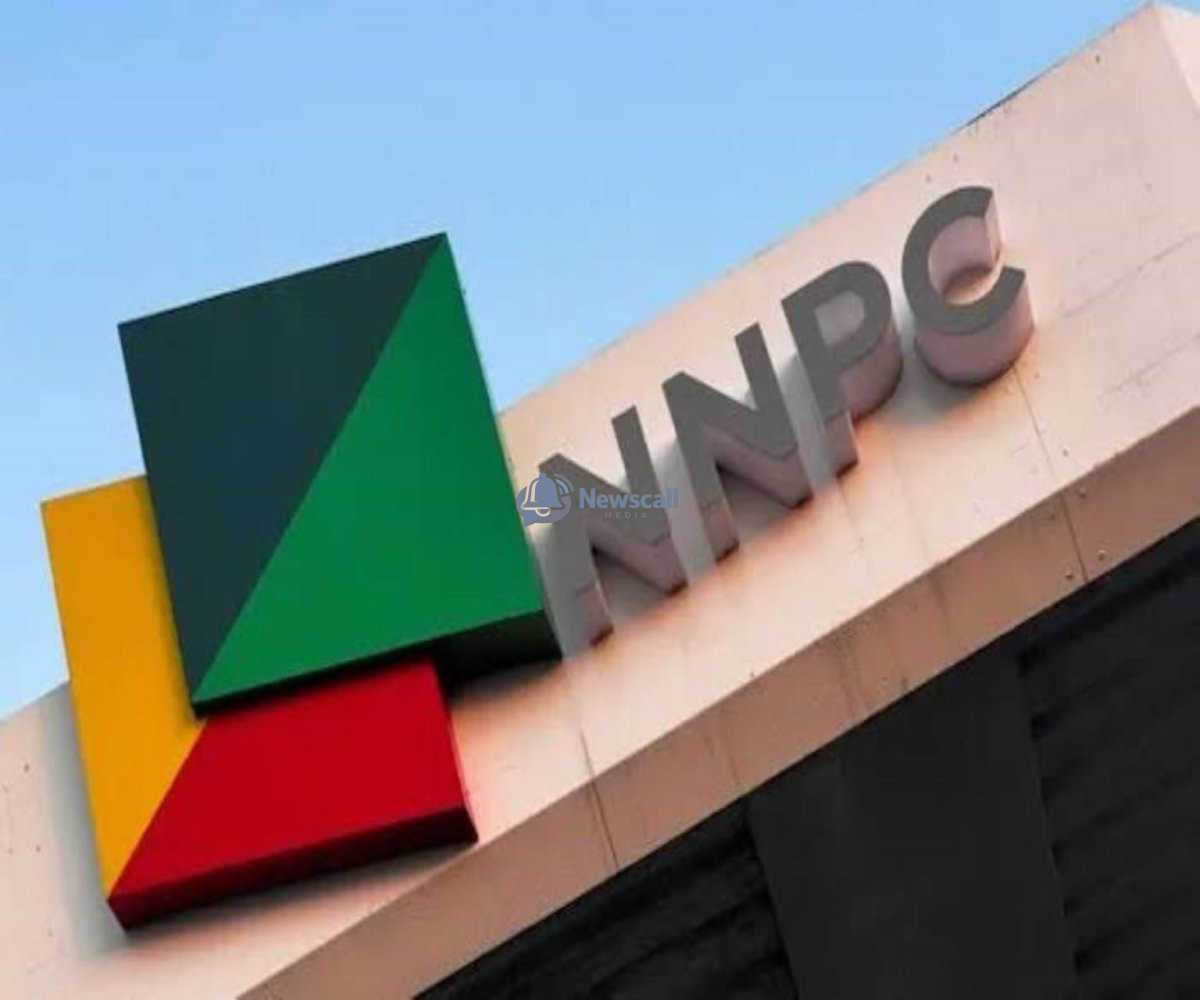
Legal and economic experts argue that the country’s mounting debt burden, infrastructure decay, and shrinking public revenues are tied not only to low earnings but also to long-standing structural leakages in the management of national income. Central to the debate is the role of the Nigerian National Petroleum Company Limited and other federal institutions accused of withholding or diverting revenues before remitting them into the Federation Account as required by law.
One of the major concerns raised is the operational structure of the NNPCL under the Petroleum Industry Act (PIA) 2021. Until recently, the company retained up to 60 percent of profits from Production Sharing Contracts before remitting proceeds to the Federation Account. This included a 30 percent management fee and another 30 percent allocated to the Frontier Exploration Fund.
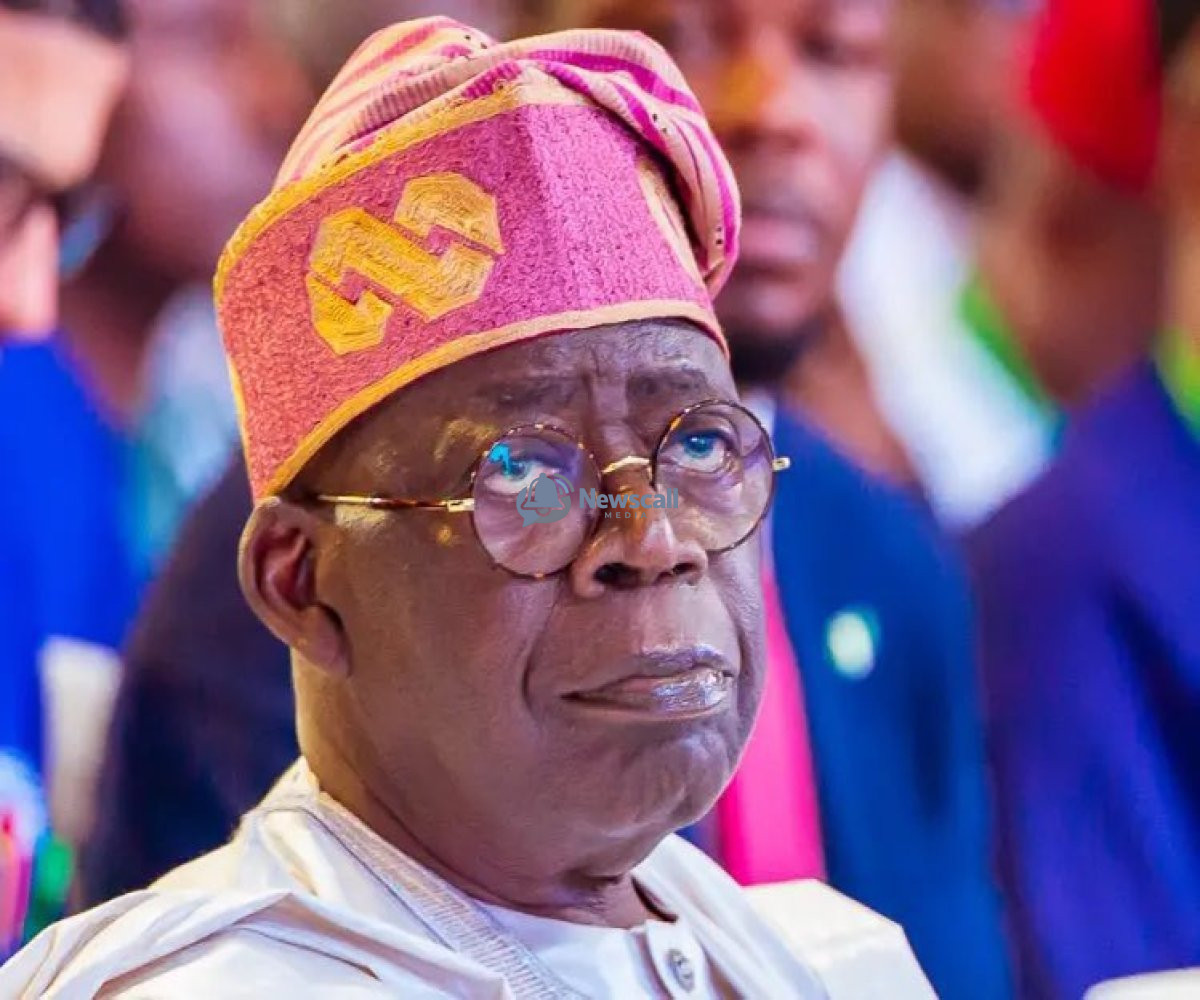
However, President Bola Ahmed Tinubu issued an Executive Order on February 13, 2026, directing that such deductions be stopped and that revenues be paid directly into the Federation Account.
Despite that intervention, concerns remain over other financial arrangements tied to Nigeria’s crude oil production. The NNPCL has reportedly committed about 213,000 barrels of crude oil per day under several crude-backed loan agreements. One of the most significant is the $3.3 billion Project Gazelle financing deal with the African Export-Import Bank, under which approximately 90,000 barrels per day have been pledged for debt repayment until 2029.
Critics say many of these agreements were entered into with limited public disclosure and without clear approval from the National Assembly, raising questions about accountability and fiscal transparency.
The consequences have become increasingly visible in Nigeria’s public finances. The country’s total public debt climbed to ₦159.27 trillion by the end of 2025, while the International Monetary Fund projects Nigeria’s debt-to-GDP ratio could rise to 33.1 percent by 2027.
Although federal revenue performance improved slightly in 2024, debt servicing still consumed about 69 percent of government revenue, down from 78 percent in 2023. Analysts note that this remains far above the 30 to 40 percent threshold considered sustainable for developing economies by global financial institutions.
At the same time, Nigeria continues to battle a massive infrastructure deficit estimated at about $2.3 trillion between 2020 and 2043, with experts projecting the need for nearly $100 billion annually to close the gap in roads, electricity, healthcare, rail transport, and education.
Senior Advocate of Nigeria, Olisa Agbakoba, alongside legal associate Okechukwu Okeke, argued that the crisis is not necessarily a result of poverty but of systemic leakages within government revenue management.
According to them, no senior public official has ever faced prosecution specifically for failing to remit funds into the Federation Account, a situation they say has encouraged a culture of impunity across public institutions.
The Federation Account was established under Section 162 of Nigeria’s Constitution as the central pool into which all revenues collected by the federal government must be paid before distribution to the three tiers of government.
However, over the years, agencies and government-owned enterprises have repeatedly been accused of making deductions at source, operating parallel accounts, or withholding revenues entirely before remittance.
Experts now believe fixing the Federation Account system could become one of the defining economic and political issues ahead of the 2027 general election.
Among the proposals being pushed is a comprehensive Executive Order on Federation Account Integrity and Revenue Transparency. Advocates say such an order should compel all ministries, agencies, federal courts, universities, and government-owned enterprises to remit revenues within 24 hours without deductions.
The proposal also recommends a real-time public revenue dashboard that would show how much each institution collects and remits, alongside mandatory monthly publication of Nigeria’s crude oil lifting data by the NNPCL.
Another key recommendation is the creation of a Federation Account Administration Act to establish stricter legal guidelines on revenue collection, remittance timelines, audit procedures, and criminal penalties for violations.
There are also calls for constitutional amendments that would permanently prohibit any deductions from national revenues before they are paid into the Federation Account.
As Nigeria struggles with rising debt, declining public trust, and growing demands for infrastructure and social investment, pressure is mounting on the federal government to overhaul the country’s revenue management framework.
Analysts insist that Nigeria’s challenge is less about the absence of resources and more about the inability to properly account for and manage existing revenues.
With the 2027 elections approaching, fiscal transparency and accountability may emerge as major campaign issues. Many observers now argue that presidential candidates should be compelled to clearly state how they intend to reform the Federation Account system, improve public revenue management, and punish officials involved in non-remittance of public funds.
For many Nigerians, the debate goes beyond economics. It is increasingly seen as a test of whether the country can finally close the leakages that have drained public resources for decades and redirect them toward national development.

Nwekwe Esther Amarachukwu
Public speaker,Research-driven writer covering politics and public affairs, committed to accuracy, and meaningful public discourse.