

“A Giant Leap for Safety”: Nigeria Moves One Step Closer to Creating State Police.
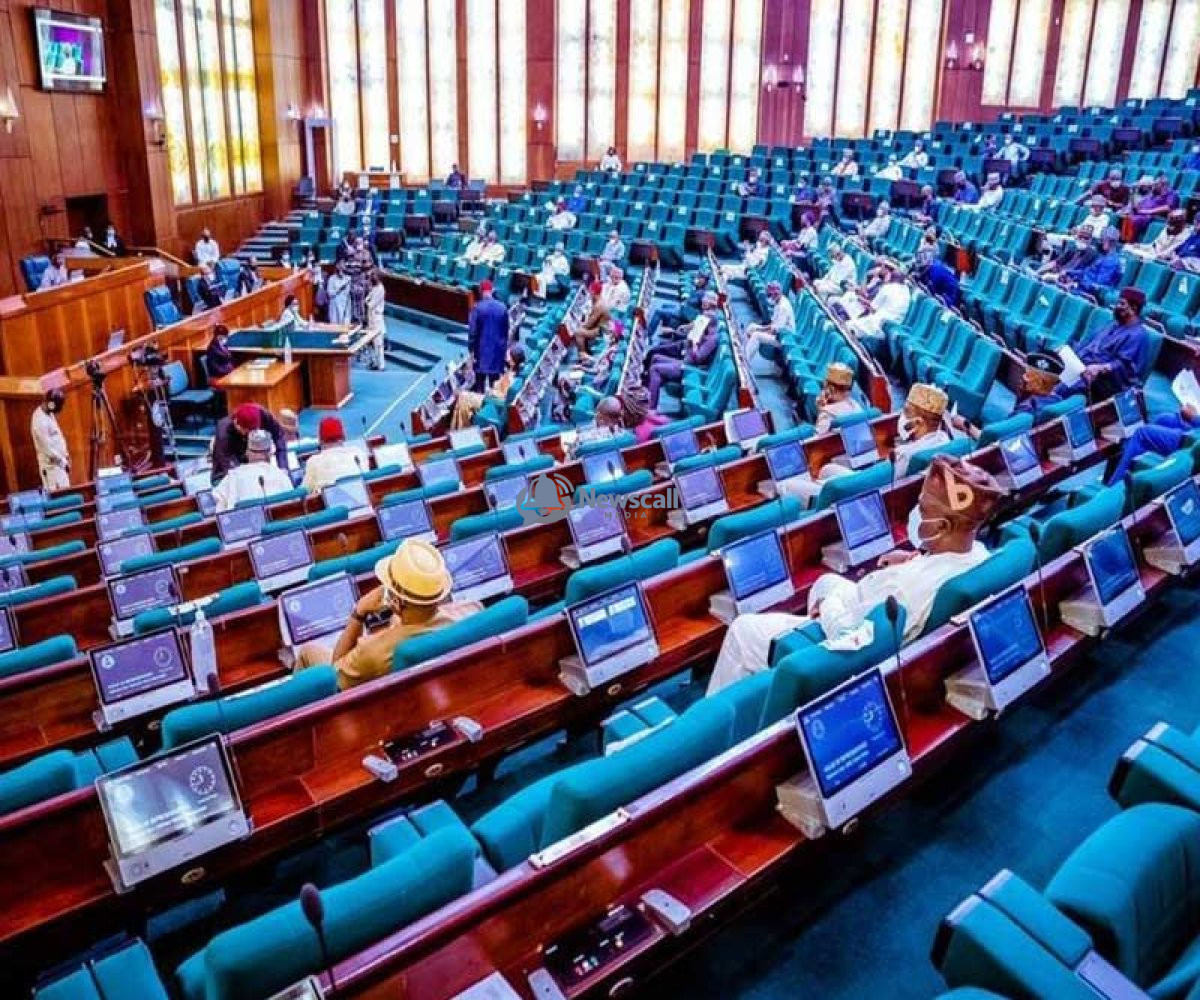
In what feels like a historic turning point for the country’s security, Nigeria’s National Assembly made significant progress yesterday toward finally making State Police a reality. The House of Representatives passed the amendment bill, and the Senate successfully moved it to the next stage.
It was a moment of rare, cross-party unity. After years of public outcry over banditry, kidnapping, and local violence that a centralized police force has struggled to handle, lawmakers appear to have listened.
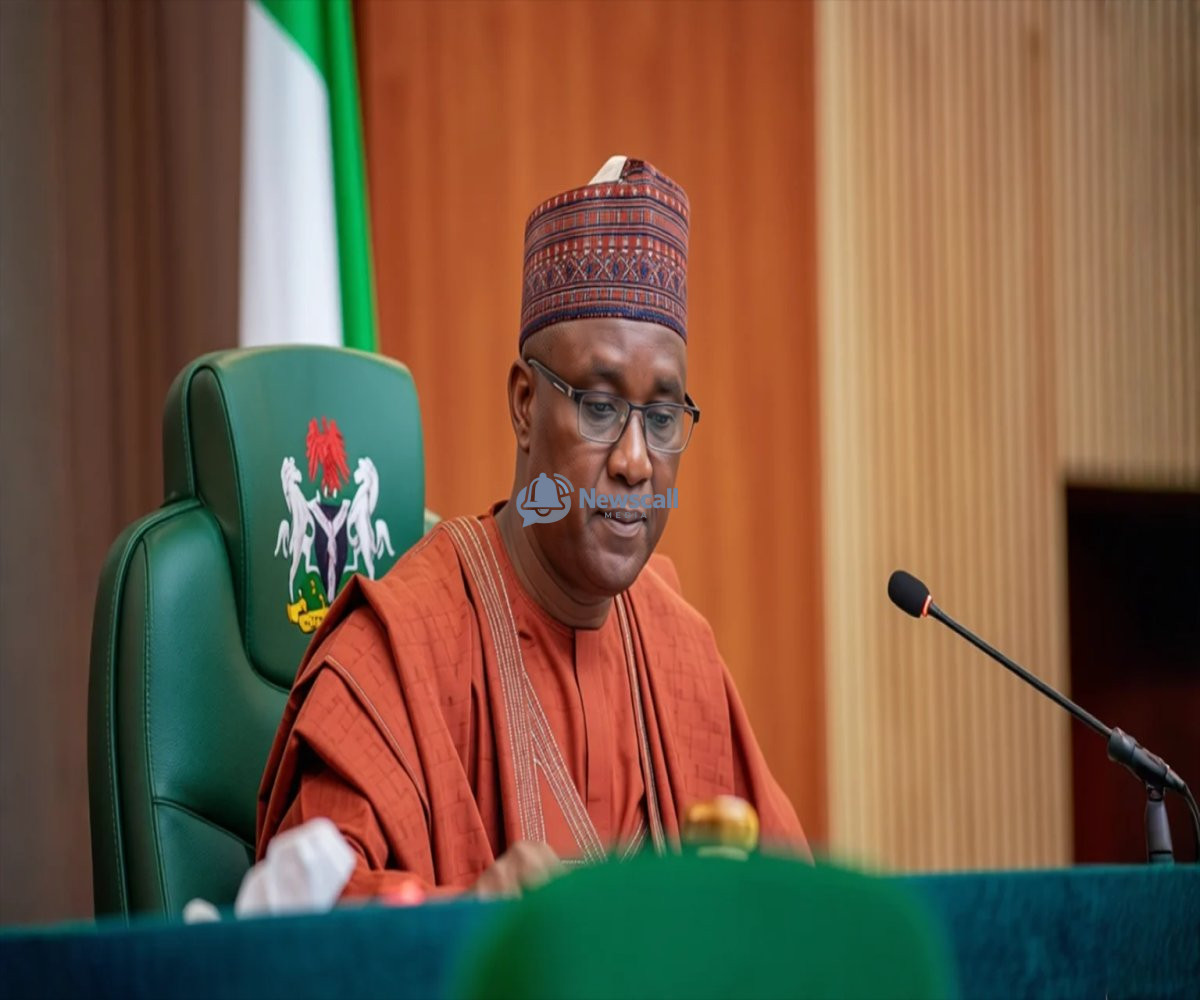
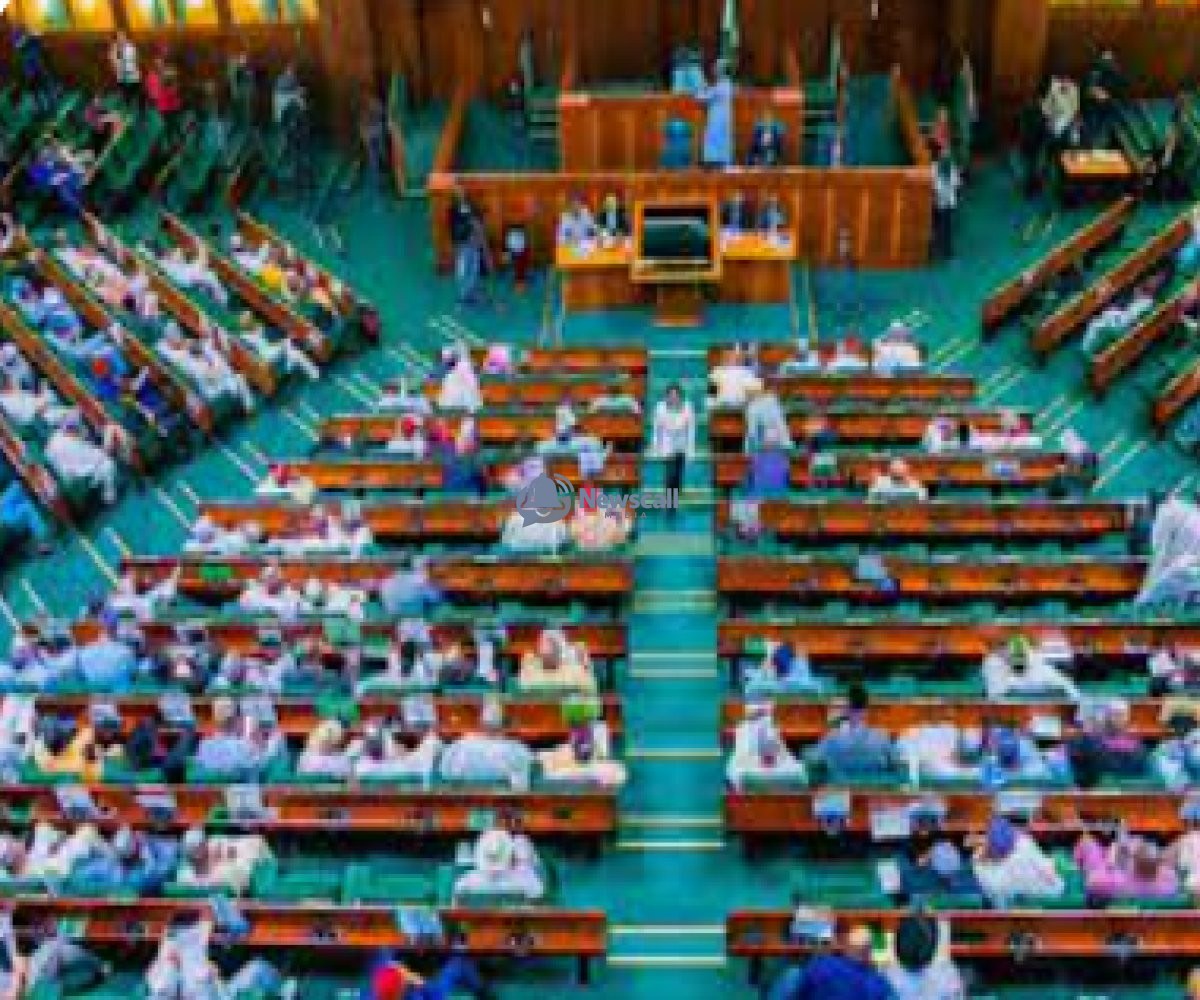
In the Green Chamber, the vote was overwhelmingly one sided: 289 members voted in favor, none opposed, and only one abstention. Deputy Speaker Benjamin Kalu urged his colleagues to back the change, arguing that security works best when it's local.
Over in the Senate, the atmosphere was similar. Senate Leader Opeyemi Bamidele, who sponsored the bill, addressed the elephant in the room the fear that state governors might misuse their own police forces for political witch hunts.
"We hear that concern," Bamidele admitted. "But this bill has built in shields to prevent abuse."
How it would work (the simple version):
· Two forces, one standard: There would be a Federal Police and State Police forces, but the National Assembly would set minimum national standards that all state police must meet.
· Governors can't just do as they please: A state can only start its police if its House of Assembly passes a law to create it. Also, a State Police Service Commission would help manage appointments and discipline, reducing the chance of a governor using cops to harass opponents.
· The Federal Police can still step in: If a state’s police completely fail or law and order break down totally, the federal government can intervene.
· Checks and balances: State Commissioners of Police would need confirmation by the State House of Assembly. If a governor gives a "dodgy" order, the Commissioner can appeal to the Nigeria Police Council, whose word is final.
Why now?
Bamidele painted a clear picture: The current centralised system is overwhelmed. By creating state-level forces, Nigeria would join countries like the US, Germany, and Australia federal nations where local cops handle local crime.
“The people who speak your language, know your terrain, and understand your culture are best positioned to catch criminals before they strike,” he argued. He added that this would free up the Federal Police to focus on terrorism, cybercrime, and cross border banditry.
What happens next?
This isn’t a done deal yet. The bill now goes to a Senate committee for fine tuning. After that, if the Senate votes yes, it will need the approval of at least two thirds of Nigeria’s 36 state Houses of Assembly before the President can sign it into law.
For many Nigerians watching from communities ravaged by insecurity, however, yesterday felt like the closest the country has ever come to a real solution.

Umeanozie Prosper
Writer, Novelist,blogger, content creator