Adebayo Blames Nigeria’s Poverty Crisis on Leadership Failure, Promises SDP Alternative
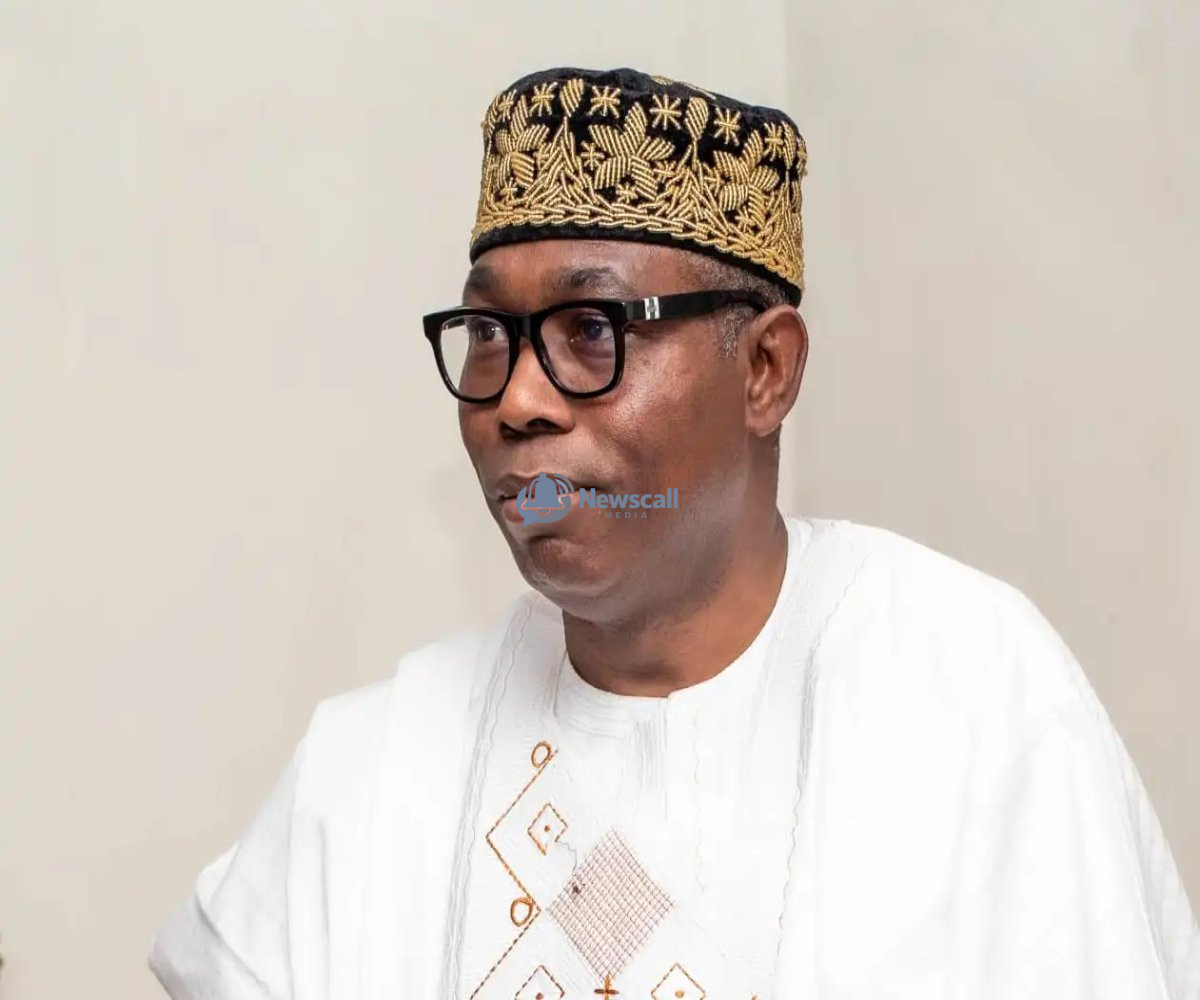
Adebayo Blames Nigeria’s Poverty Crisis on Leadership Failure, Promises SDP Alternative
As economic hardship continues to weigh heavily on millions of Nigerians, Social Democratic Party (SDP) leader and 2027 presidential candidate, Prince Adewole Adebayo, has blamed the country's poverty crisis on years of poor leadership and policy failures.
In a strongly worded statement shared on his social media platform, Adebayo argued that Nigeria’s worsening economic challenges are not inevitable but are the result of decisions made by those entrusted with governing the nation. He insisted that with competent leadership, clear priorities, and effective planning, the country could chart a different course and significantly improve the living conditions of its citizens.
His remarks come at a time when debates over economic reforms, inflation, unemployment, and the rising cost of living continue to dominate national discourse.
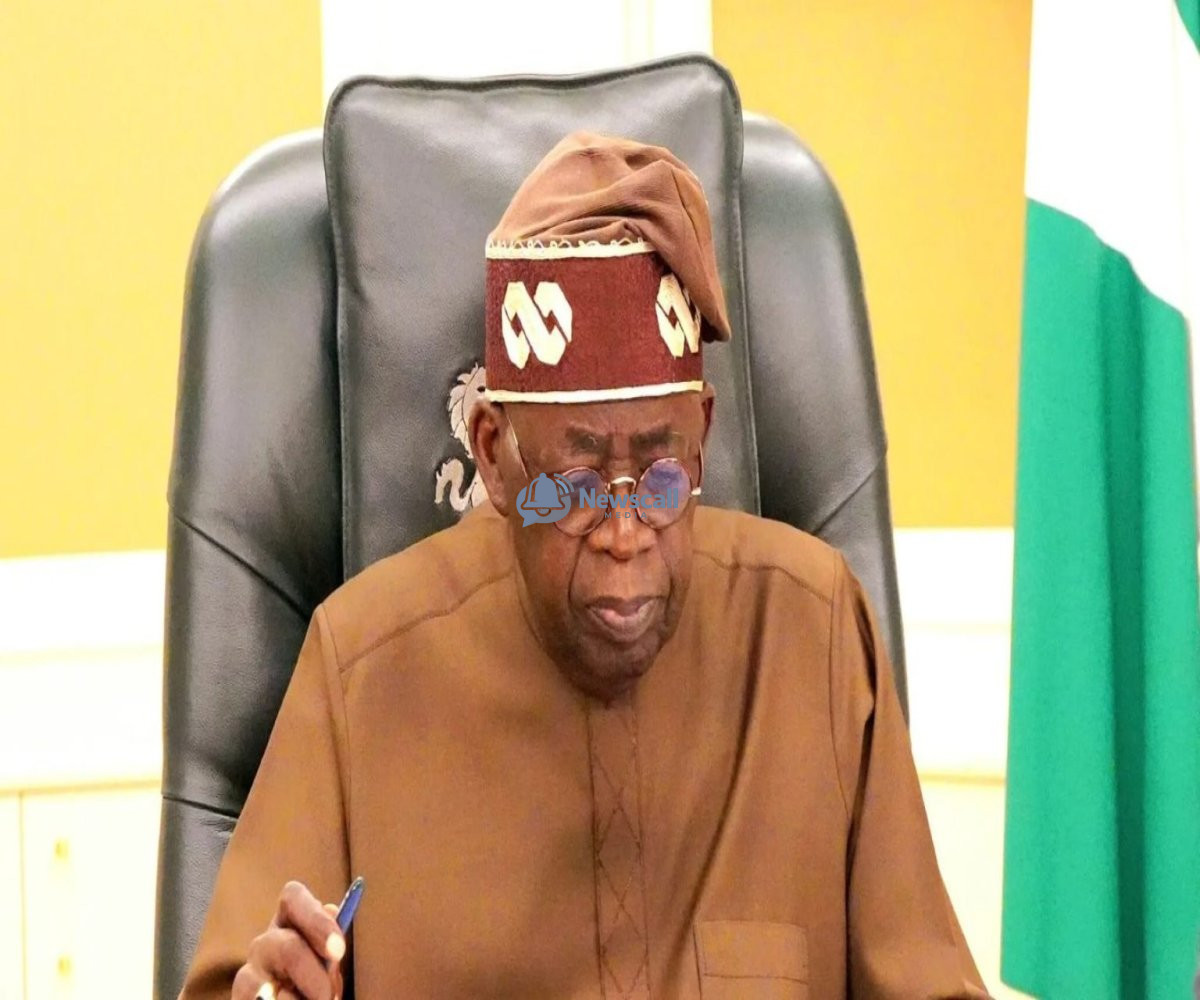
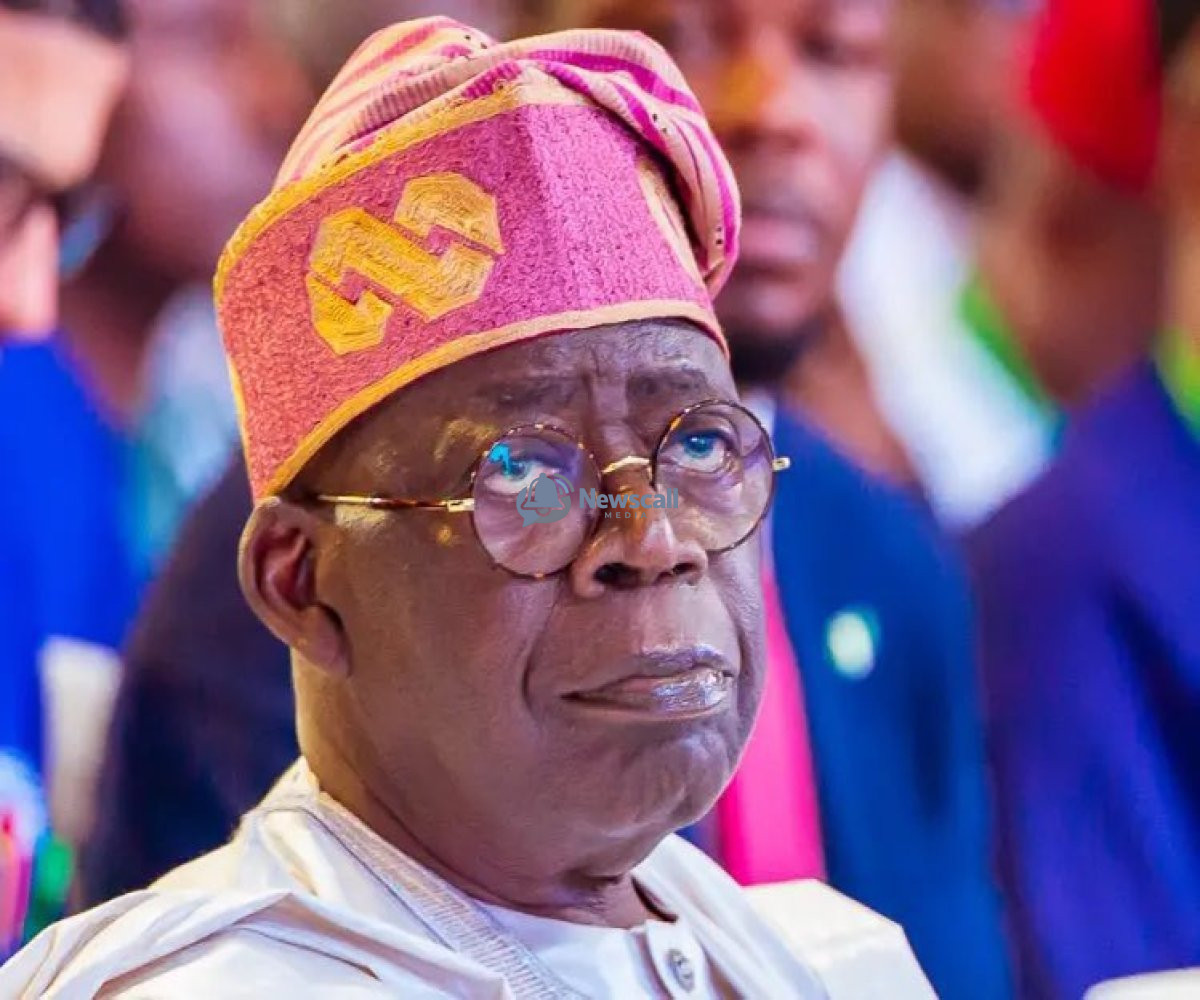
Adebayo directed criticism at the current administration of President Bola Tinubu, arguing that despite years of economic reforms, many Nigerians have seen little improvement in their daily lives.
According to him, the true measure of economic success should not be limited to statistics, government reports, or positive macroeconomic indicators. Instead, he said, economic progress should be reflected in the ability of ordinary citizens to afford basic necessities, secure employment, and live in safe communities.
“Poverty is not Nigeria’s destiny. It is the result of failed leadership and it can be defeated with the right government, the right priorities and the right plan,” Adebayo stated.
He maintained that Nigeria possesses abundant natural and human resources capable of driving prosperity. However, he argued that successive governments have struggled to translate the nation's potential into opportunities that directly benefit the population.
Adebayo further claimed that the central challenge facing the country is not resource scarcity but the inability of those in power to ensure that economic growth reaches the people who need it most.
“The problem in Nigeria is not lack of resources. It is the lack of opportunities and the failure by those in power to ensure that growth reaches the people,” he said.
Presenting the SDP as a viable political alternative, Adebayo outlined what he described as the party’s core priorities, including poverty reduction, job creation, improved security, and a more equitable distribution of national wealth.
He also called on Nigerians to become active participants in the democratic process, arguing that meaningful change can only occur when citizens engage politically and demand accountability from leaders.
“Change begins now. Join the SDP. Say farewell to poverty,” he concluded.
His comments immediately added fuel to an already intense national conversation surrounding governance, economic policy, and preparations for future elections.
Nigeria has faced significant economic pressures in recent years, including rising inflation, currency volatility, unemployment, and increasing living costs. These challenges have sparked widespread discussions about the effectiveness of government policies and the long-term direction of the country's economy.
As political parties begin positioning themselves ahead of future electoral contests, economic issues are expected to remain at the center of public debate. Questions about poverty, job creation, security, and social welfare are likely to influence voter decisions and shape campaign strategies.
Adebayo's intervention reflects a broader trend among opposition figures seeking to present alternative solutions to the nation's challenges while criticizing the performance of the current administration.
With millions of Nigerians grappling with economic uncertainty, political leaders are increasingly under pressure to provide practical and convincing plans capable of improving living standards.
Adebayo's latest remarks highlight the growing political battle over the state of Nigeria's economy and the responsibility of government in addressing poverty.
While the SDP leader argues that poor leadership is the root cause of widespread hardship, he insists that a different approach to governance can unlock the country's potential and create opportunities for citizens. As debates over economic reforms intensify, the effectiveness of competing visions for Nigeria's future is likely to become one of the defining issues in the nation's political landscape.

Nwekwe Esther Amarachukwu
Public speaker,Research-driven writer covering politics and public affairs, committed to accuracy, and meaningful public discourse.