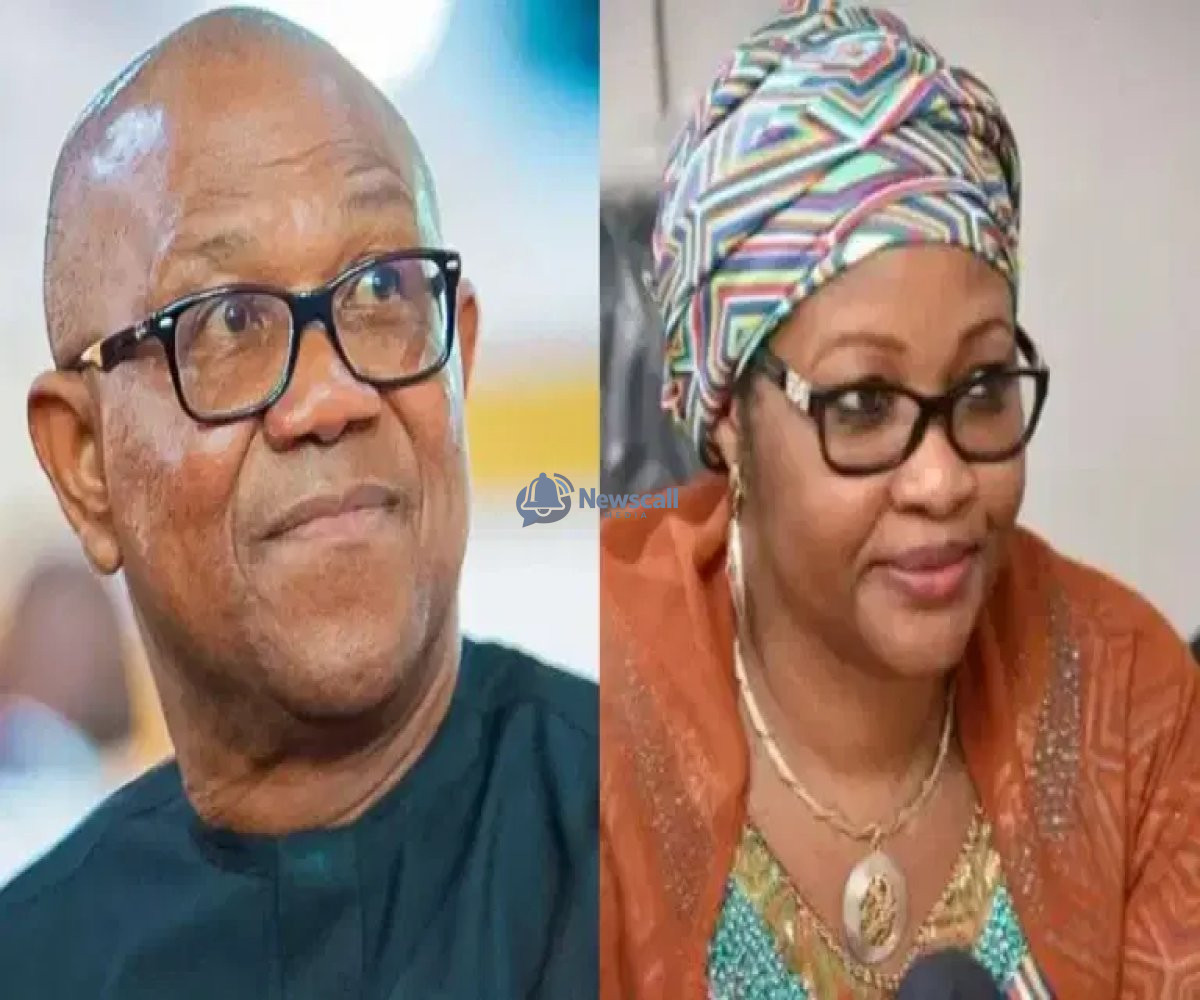


2027 Presidency: Nigerians Focus on Vision as Major Contenders Emerge
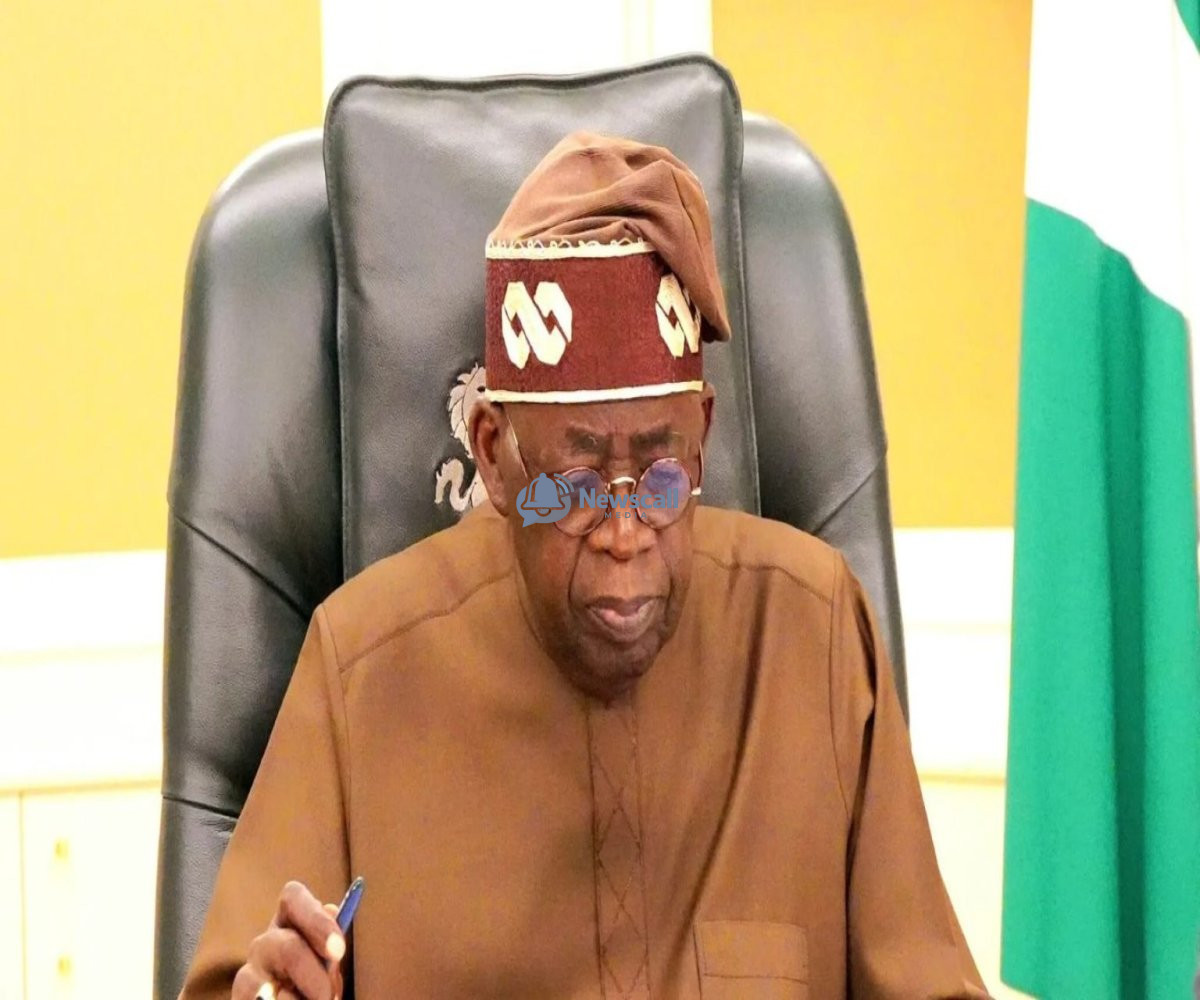
2027 Presidency: Nigerians Focus on Vision as Major Contenders Emerge
With Nigeria's next presidential election scheduled for January 16, 2027, political activities are gathering pace across the country. Several political parties have already unveiled their presidential candidates, setting the stage for what could become one of the most closely watched elections in recent history.
While the growing list of aspirants suggests a crowded race, many Nigerians appear less concerned about the number of candidates and more interested in what each contender can offer at a time of economic hardship, insecurity, unemployment, and widespread dissatisfaction with governance.
As campaigns begin to take shape, attention is shifting from political slogans to a more pressing question: who has the experience, credibility, and vision to lead Nigeria through its current challenges?
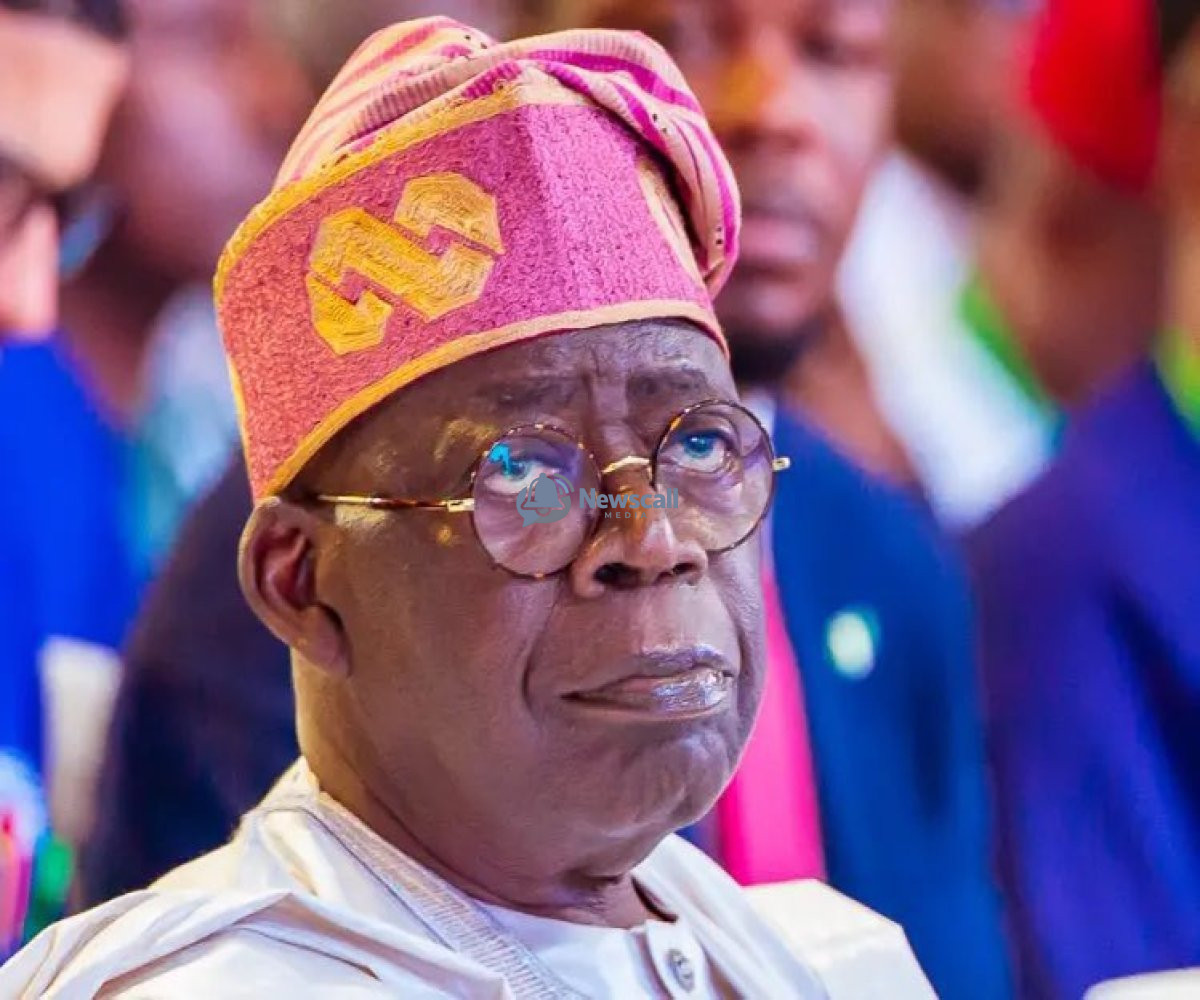
President Bola Tinubu enters the race seeking a second term in office. His campaign is expected to revolve around continuity, arguing that the economic reforms introduced during his first term require more time to produce lasting results.
Supporters point to his record as former governor of Lagos State and his role in building the political coalition that brought the APC to power nationally. They insist that policies such as fuel subsidy removal and exchange-rate reforms were necessary decisions aimed at stabilising the economy.
However, critics argue that many Nigerians continue to struggle with rising food prices, inflation, and declining purchasing power. For them, the central question is whether the sacrifices made under Tinubu's administration have truly laid the foundation for future prosperity.
Former Vice President Atiku Abubakar remains one of the most experienced figures in the contest. Having spent decades in national politics, he is expected to campaign on economic recovery, private-sector growth, and job creation.
His supporters highlight his role in major economic reforms during the administration of former President Olusegun Obasanjo. Yet questions remain about whether Nigerians are ready for another candidate from the country's long-established political class.
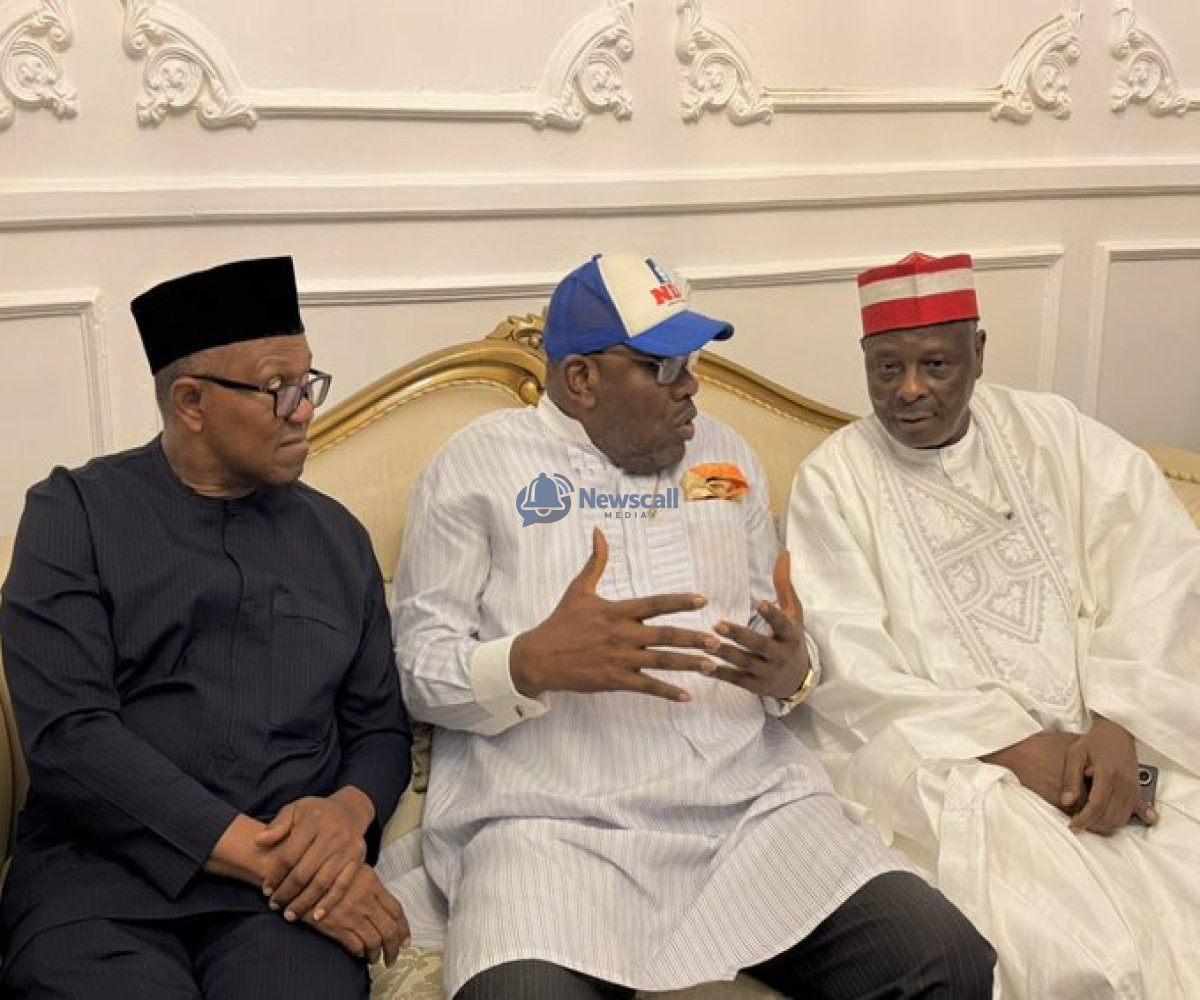
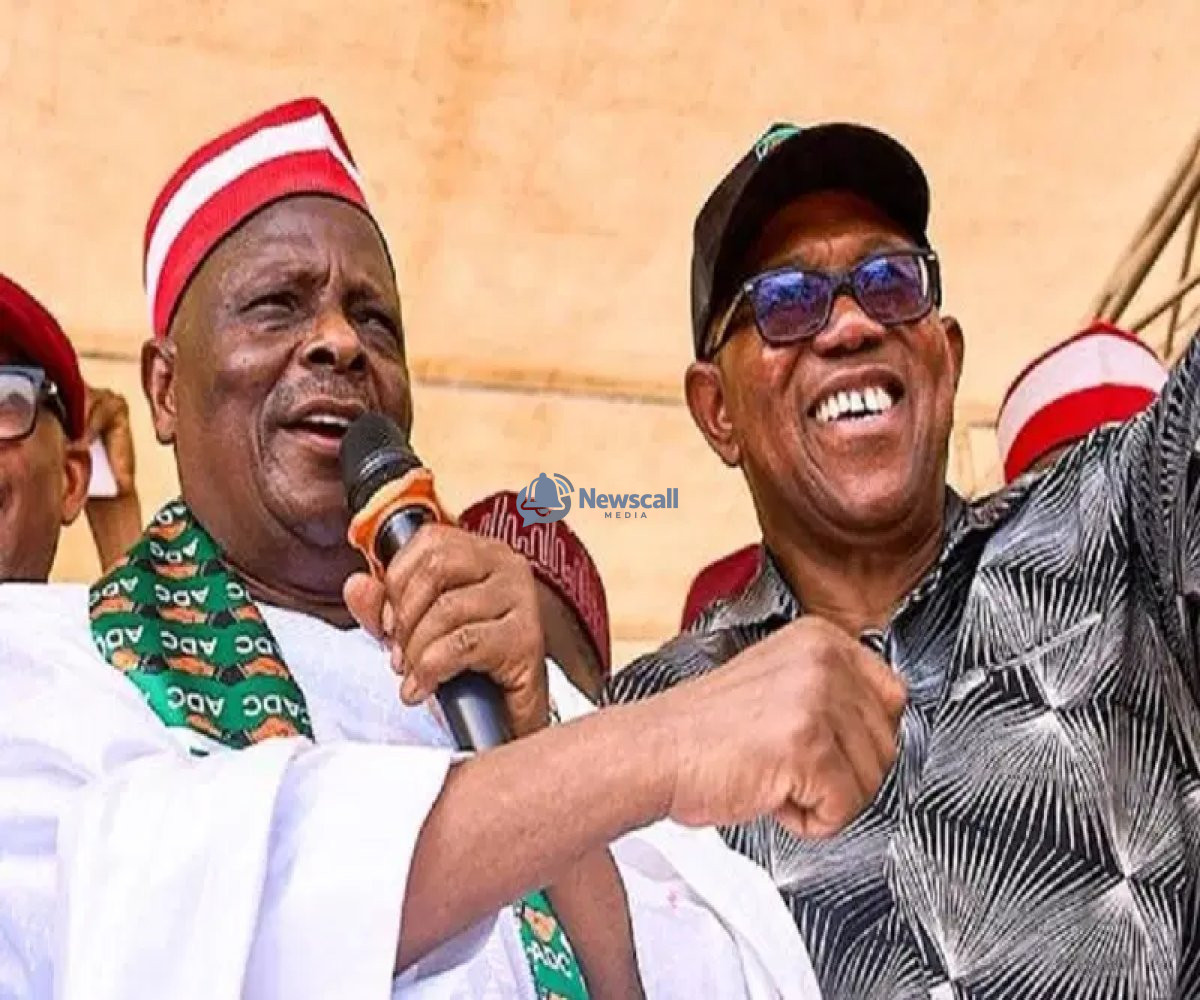
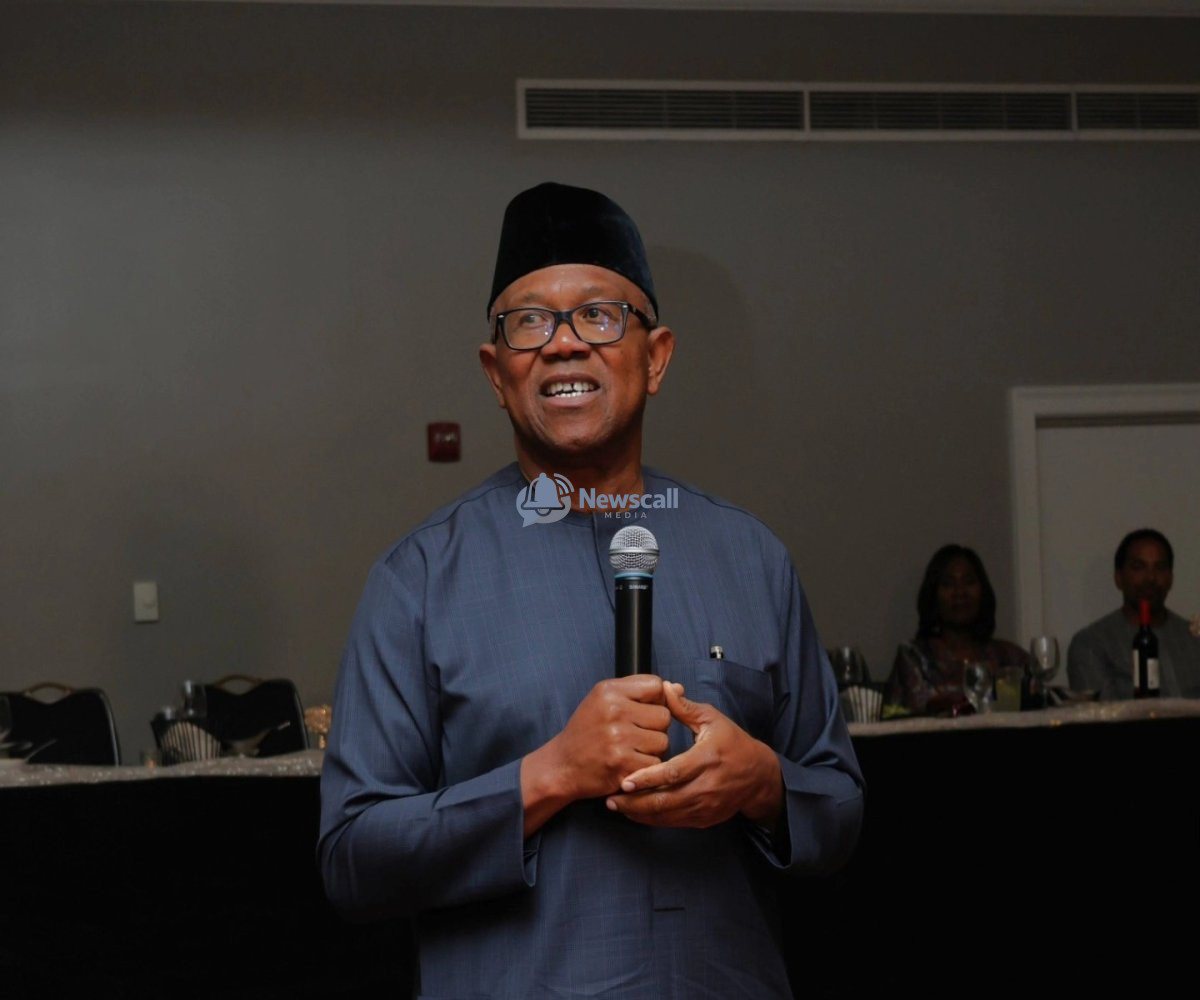
Peter Obi continues to attract significant attention, particularly among young people, professionals, and urban voters. The former Anambra State governor has built his political appeal around accountability, prudent management of public resources, and institutional reforms.
Many of his supporters see him as a symbol of a different style of leadership. However, analysts believe his greatest challenge will be translating popular support into a nationwide political structure capable of winning a presidential election.
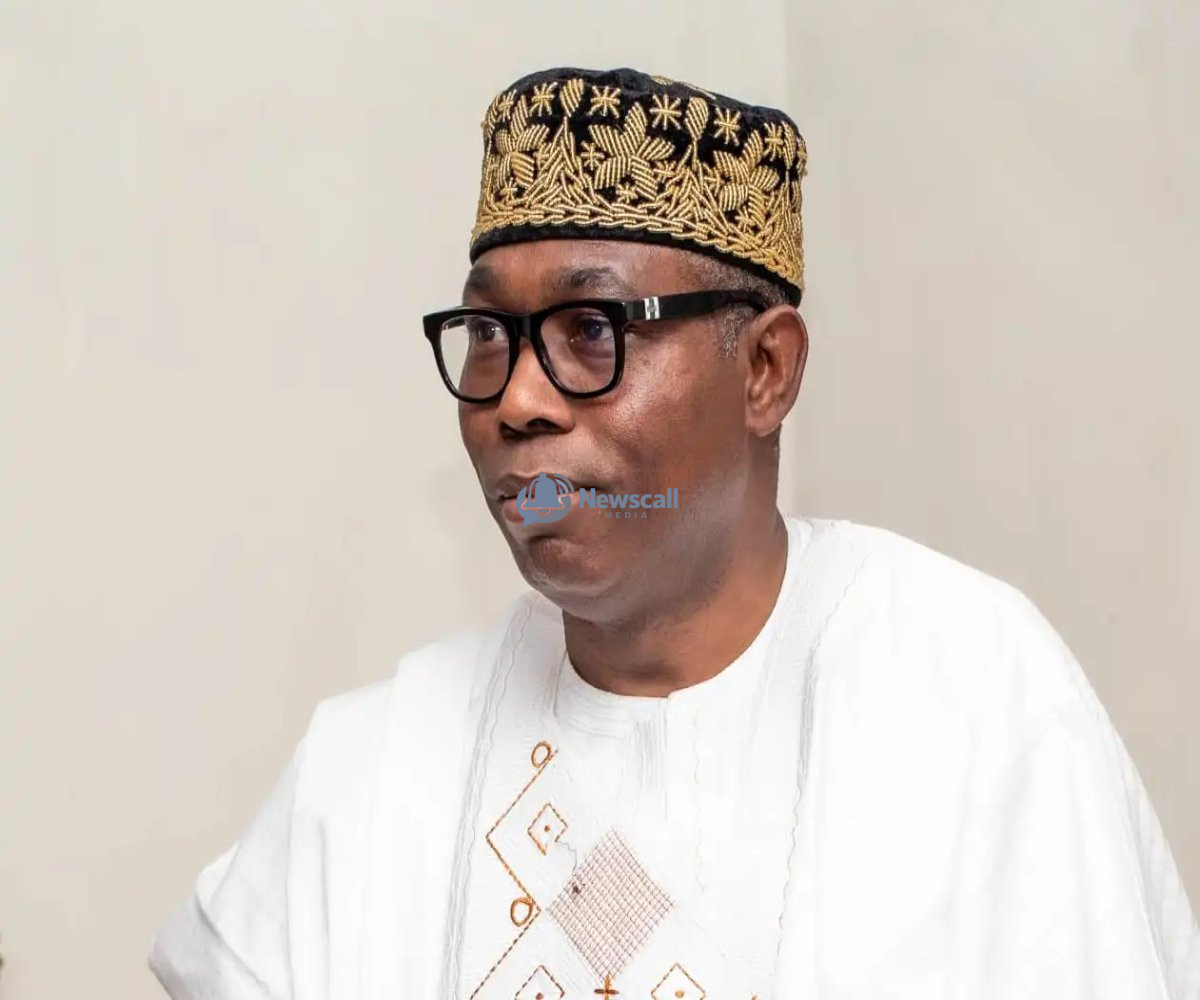
Oyo State Governor Seyi Makinde represents a newer generation of political leadership. His supporters frequently cite his achievements in infrastructure, education, agriculture, and revenue generation in Oyo State.
Makinde's emergence adds another dimension to the race, presenting voters with a candidate who combines executive experience with a relatively fresh political profile.
Former President Goodluck Jonathan has also resurfaced in discussions surrounding the election. Supporters remember his administration for improvements in telecommunications, agriculture, and democratic institutions, while critics point to concerns over insecurity and governance challenges during his tenure.
Meanwhile, activist and publisher Omoyele Sowore continues to campaign on anti-corruption, youth empowerment, and systemic reforms. Although his political structure may be smaller than those of major parties, his influence among young Nigerians remains noteworthy.
The 2027 presidential election comes at a critical moment for Nigeria. Citizens are facing persistent economic pressures, rising living costs, insecurity, infrastructure deficits, and concerns about government accountability.
Unlike previous elections where unfamiliar candidates emerged late in the process, many of the current contenders are well-known figures with extensive public records. This gives voters an opportunity to assess not only campaign promises but also past performances.
Political analysts believe the election could become a referendum on leadership, competence, and the direction Nigeria should take in the coming years.
As the race intensifies, Nigerians will be faced with competing visions for the country's future. Some candidates will argue for continuity, while others will campaign on change, reform, or generational renewal.
Ultimately, the outcome may depend on which candidate can most convincingly address the everyday concerns of ordinary citizens. Beyond political alliances and party structures, voters are expected to focus increasingly on credibility, performance, and the ability to deliver practical solutions.
The battle for the presidency is no longer just about winning power. It is becoming a test of who can restore confidence, inspire hope, and provide a clear path forward for Africa's largest democracy.

Nwekwe Esther Amarachukwu
Public speaker,Research-driven writer covering politics and public affairs, committed to accuracy, and meaningful public discourse.