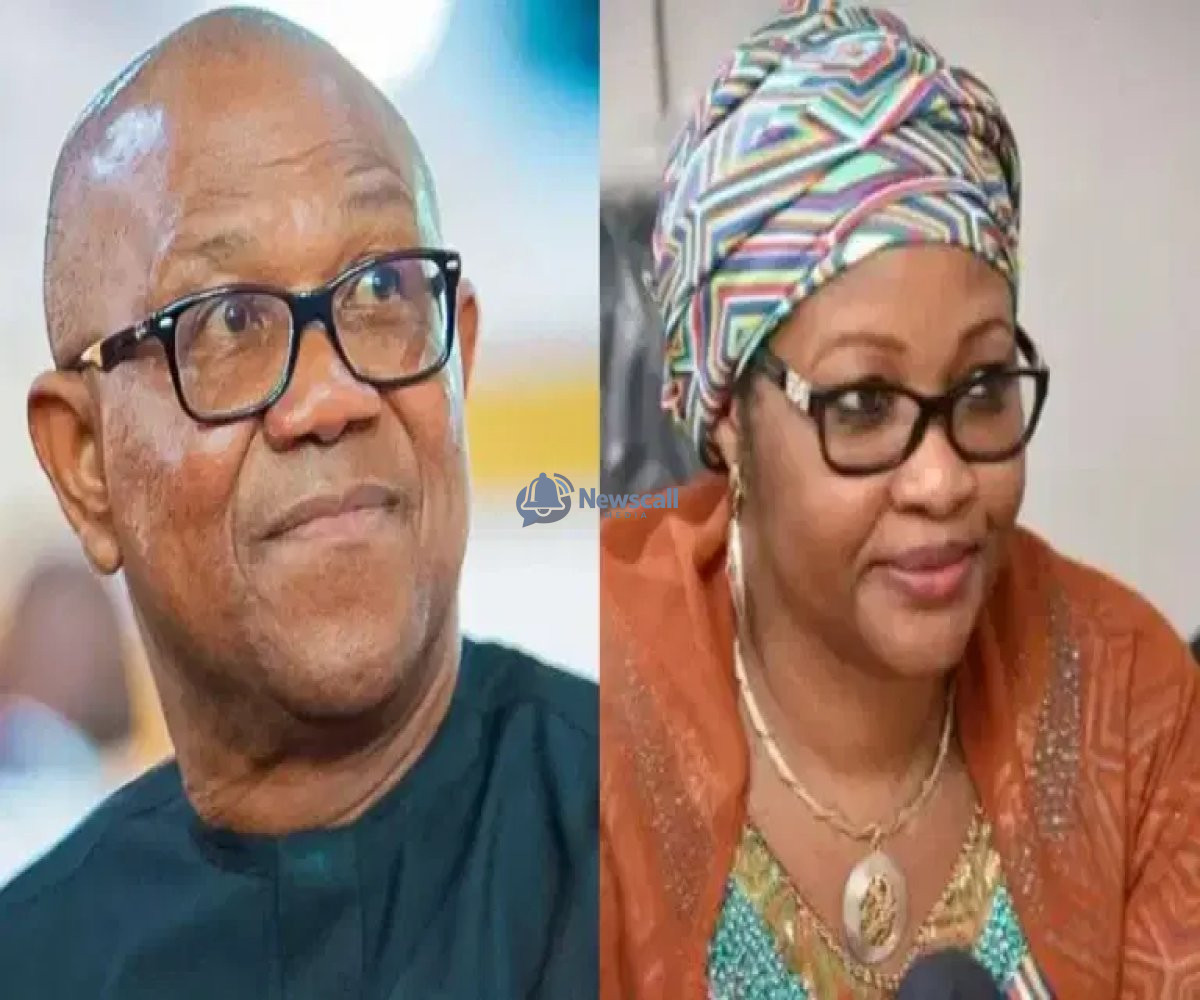


Amaechi Challenges Tinubu’s Claim on Buhari’s 2015 Election Victory
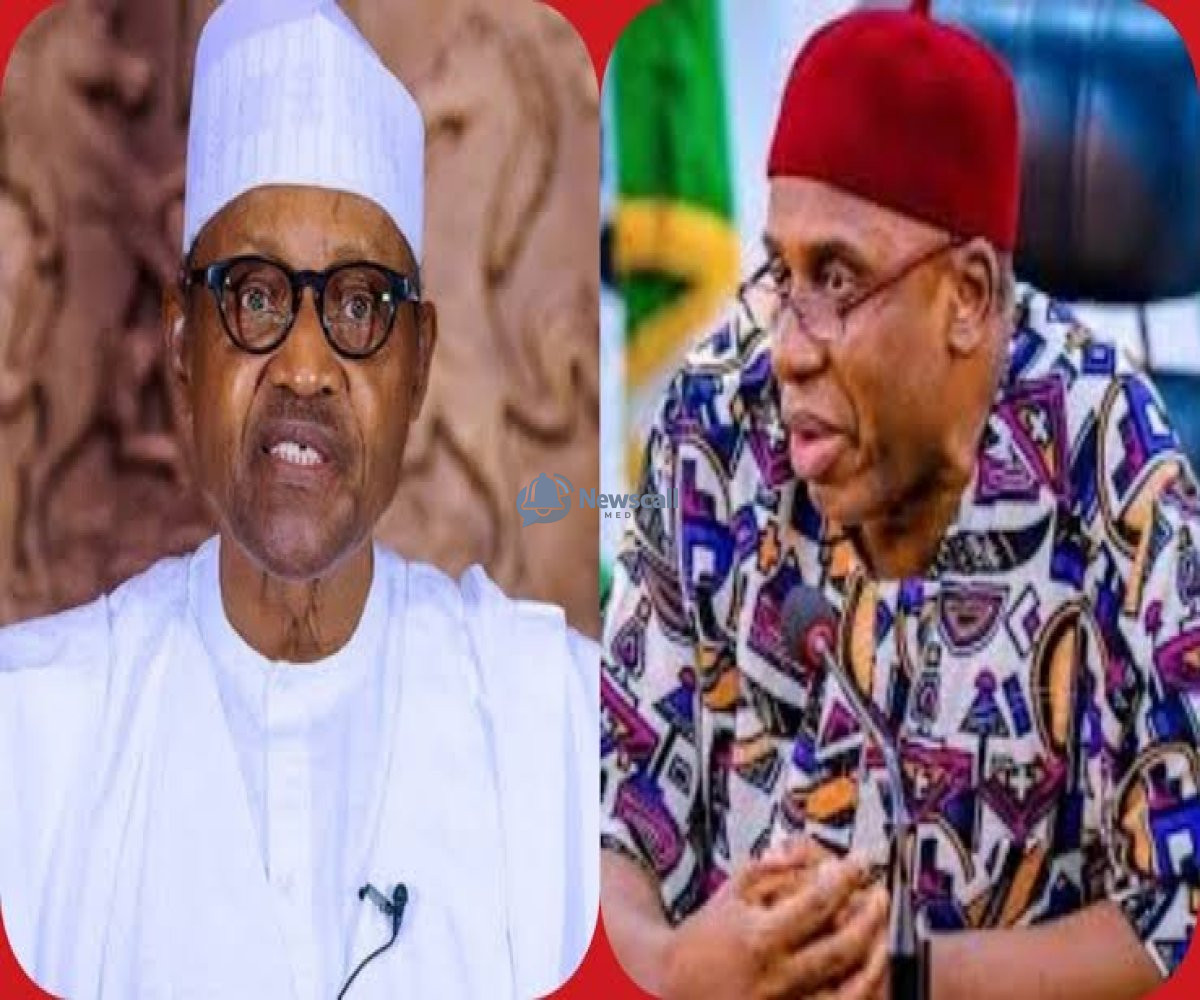
Amaechi Challenges Tinubu’s Claim on Buhari’s 2015 Election Victory
Former Minister of Transportation and presidential hopeful of the African Democratic Congress (ADC), Rotimi Amaechi, has reignited a long-running political debate over who played the most significant role in the emergence of former President Muhammadu Buhari in the 2015 presidential election.
Speaking during an interview on Arise Television on Friday, Amaechi dismissed claims by President Bola Ahmed Tinubu that he was chiefly responsible for Buhari's historic victory. The remarks come as political realignments and early campaigns ahead of the 2027 presidential election continue to gather momentum.
Amaechi, who served as Director-General of Buhari's 2015 presidential campaign, argued that he was at the centre of the political struggle that eventually led to the defeat of then-incumbent President Goodluck Ebele Jonathan and the emergence of Buhari as president.
According to him, Tinubu's repeated claim that he "made Buhari president" does not accurately reflect the events that led to the APC's victory in 2015.
Amaechi revealed that he deliberately avoided publicly challenging Tinubu's assertion while serving in Buhari's cabinet because doing so could have created political tensions within the administration.
"When I was a minister, Tinubu was claiming he made Buhari president, and I couldn't respond because that was suicidal. Buhari could have fired me because I was still serving as a minister," Amaechi said during the interview.
He maintained that his role went beyond holding the title of campaign director-general, insisting that he was actively involved in coordinating political strategies and mobilising support that helped secure Buhari's victory.
"Tinubu didn't make Buhari president. Not only was I the Director-General of the campaign, everyone knows that I fought all the battles that brought Buhari to power," he added.
Amaechi's comments directly challenge a narrative that has been part of Nigeria's political discourse since the build-up to the 2023 presidential election.
Before the 2023 polls, Tinubu repeatedly argued that he played a decisive role in Buhari's emergence as president in 2015. At the time, he cited his contributions to the formation of the APC coalition and his support for Buhari's candidacy as reasons why he deserved the party's presidential ticket.
The debate over who contributed most to Buhari's rise has remained a sensitive issue among key figures within the ruling APC and its former allies. Political observers note that several influential leaders, including governors, party financiers, campaign coordinators and regional power brokers, played important roles in building the coalition that defeated the Peoples Democratic Party (PDP) after 16 years in power.
The 2015 presidential election remains one of the most significant moments in Nigeria's democratic history. Buhari's victory marked the first time an opposition candidate defeated an incumbent president through the ballot box.
That success was largely attributed to the merger of major opposition parties into the APC and the collaboration of several political heavyweights from different regions of the country.
Among the key figures were Tinubu, who helped build political support in the South-West; Amaechi, who mobilised support within the party and served as campaign director-general; and other influential politicians who worked behind the scenes to strengthen the opposition coalition.
With preparations for the 2027 elections already underway, historical claims about the APC's rise to power are increasingly becoming part of current political battles. Amaechi's remarks are also being viewed through the lens of his presidential ambition under the ADC platform and the growing competition among opposition politicians seeking to challenge the ruling party.
Political analysts believe such exchanges could shape public perceptions of leadership, political influence and party history as campaigns intensify in the months ahead.
Amaechi's latest comments have reopened a debate about the individuals and political forces responsible for Buhari's landmark victory in 2015. While Tinubu has consistently maintained that he played a crucial role in making Buhari president, Amaechi insists that the campaign's success was the result of efforts he personally led and battles he fought on behalf of the APC.
As Nigeria moves closer to the 2027 general elections, disagreements over the legacy of the 2015 victory are likely to remain a recurring feature of the country's political landscape. The exchange also highlights the growing rivalry among key political actors seeking to define both the past and the future of Nigerian politics.

Nwekwe Esther Amarachukwu
Public speaker,Research-driven writer covering politics and public affairs, committed to accuracy, and meaningful public discourse.