

APC Primaries Marred by Disputes, Parallel Results and Allegations of Manipulation
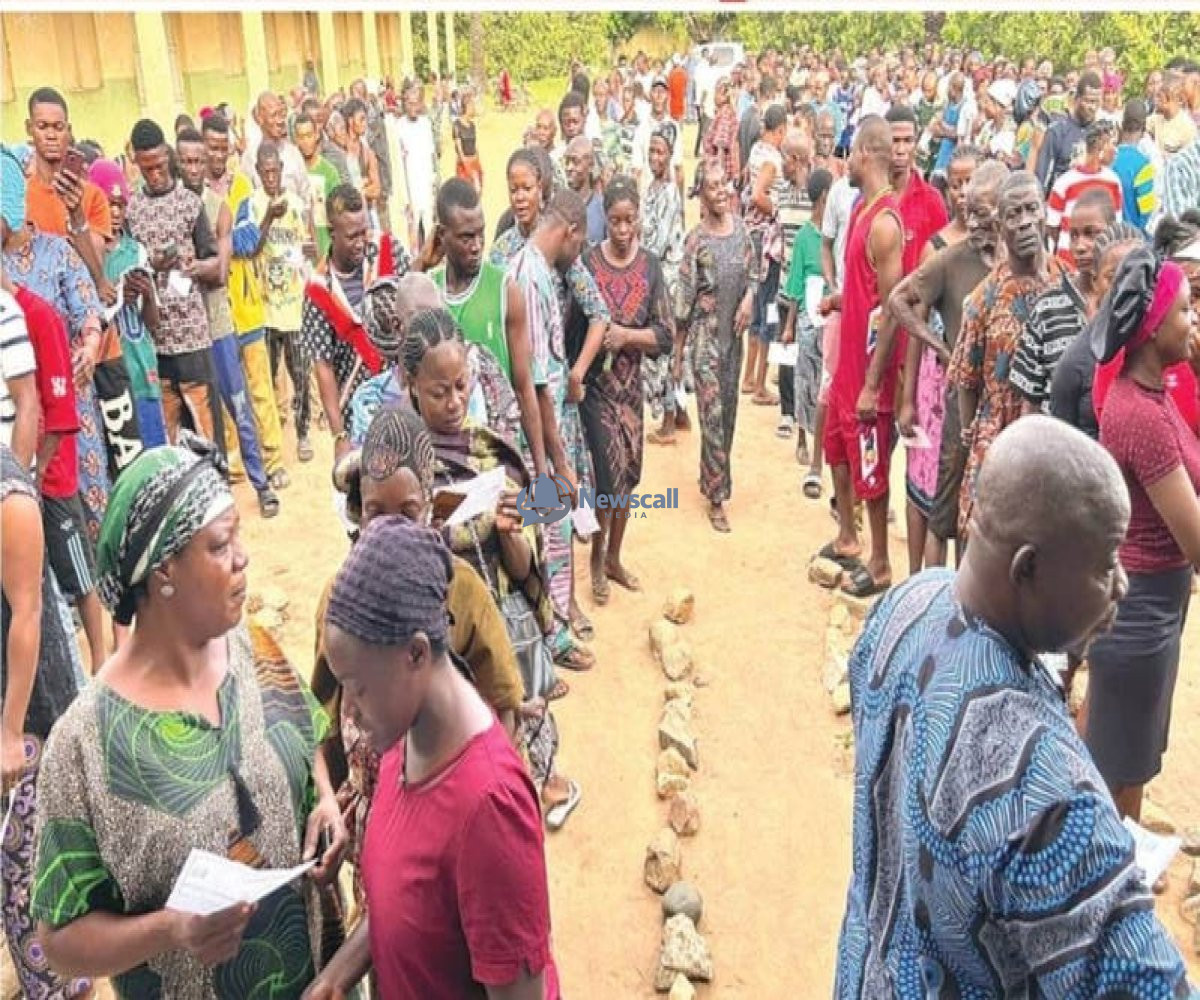
APC Primaries Marred by Disputes, Parallel Results and Allegations of Manipulation
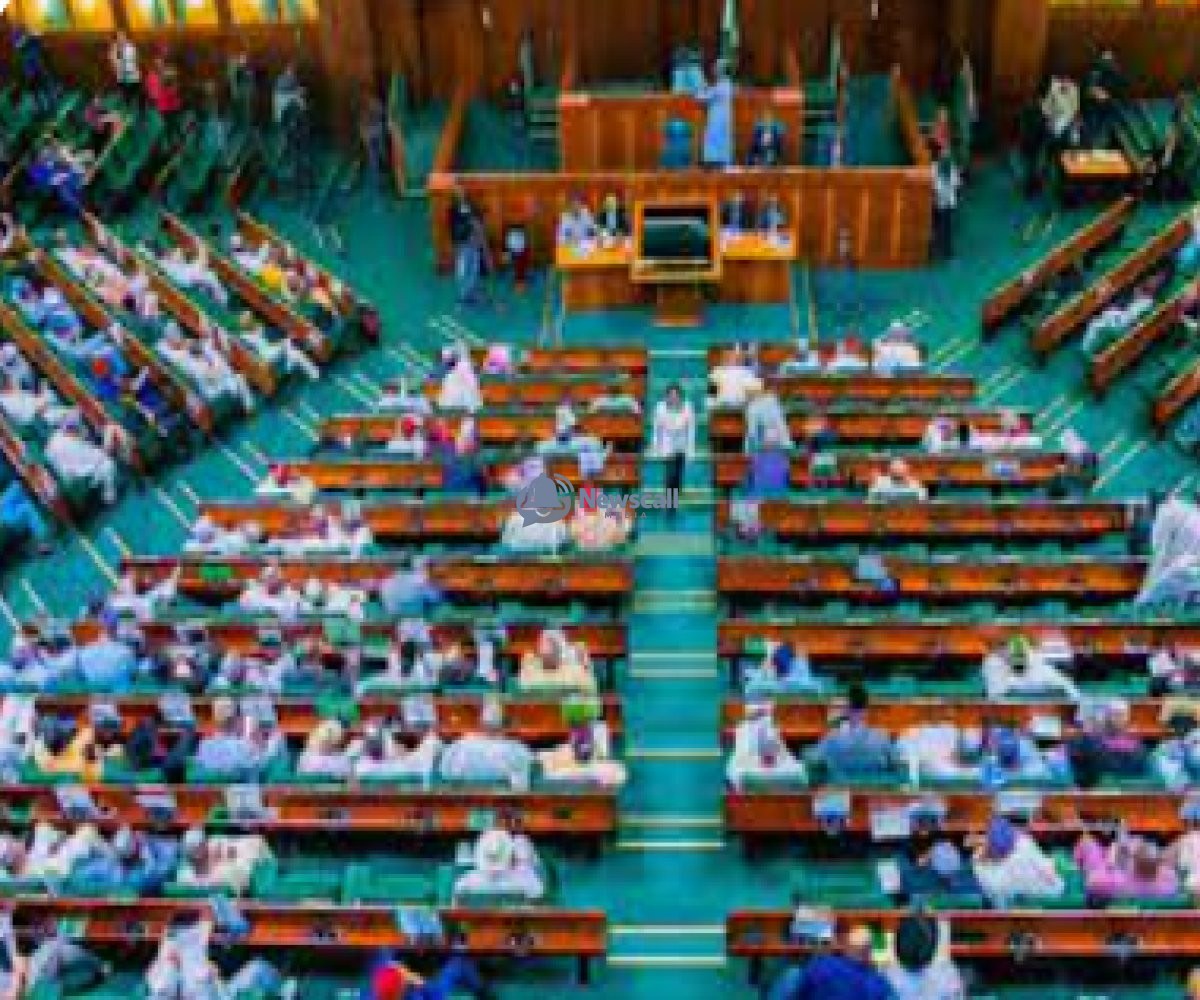
The All Progressives Congress (APC) concluded a week-long series of primaries meant to select candidates for the 2027 general elections, but the exercise has instead generated widespread controversy across several states. Reports of alleged irregularities, parallel results, candidate imposition, protests, and disputes over vote figures have raised fresh concerns about internal democracy within Nigeria's ruling party.
The primaries, which covered House of Representatives, Senate, State Assembly and governorship contests, were designed to position the party ahead of the 2027 elections. However, complaints from aspirants, party members and stakeholders have overshadowed many of the outcomes, with several participants questioning the credibility of the process.
The first major controversy emerged during the House of Representatives primaries conducted between May 15 and May 16, 2026. In Gombe State's Balanga/Billiri Federal Constituency, aspirant Alfred John Attajiri alleged that election results were announced despite voting not taking place in many wards. He described the exercise as an "invisible election" and called for a review of the declared outcome.
Similar concerns surfaced in several states. In Lagos, party members reported disruptions and voter intimidation in some wards, particularly in parts of Lagos Mainland. Aggrieved members argued that the process did not provide a level playing field for all aspirants.
In Adamawa State, aspirants and supporters protested against what they described as the imposition of candidates in the Demsa, Numan and Lamurde Federal Constituency. Demonstrators carried placards demanding transparent primaries and insisting that delegates be allowed to determine candidates through a free voting process.
Kaduna also witnessed discontent. A coalition of APC stakeholders, including former lawmakers and political leaders, submitted a petition to the party's national leadership seeking intervention over the conduct of some primaries and consensus arrangements.
The controversies deepened during the Senate primaries held on May 18. Several contests produced overwhelming vote margins that immediately sparked debate among party members and political observers.
Among the most notable results were:
Governor Hope Uzodimma's victory in Imo West with over 230,000 votes.
Senator Ede Dafinone's victory in Delta Central with more than 116,000 votes.
Former Governor Ifeanyi Okowa's victory in Delta North with over 113,000 votes.
Former Governor Yahaya Bello's victory in Kogi Central with more than 72,000 votes.
Senator Orji Uzor Kalu's victory in Abia North with over 65,000 votes.
Several defeated aspirants questioned the figures, arguing that the APC should publicly clarify the voter registers and accreditation procedures used during the direct primaries.
In Edo South Senatorial District, confusion escalated when two separate officials reportedly announced different winners. One declaration named Omoregie Ogbeide-Ihama as the candidate, while another announced Pastor Osagie Ize-Iyamu as the winner. The conflicting results immediately triggered disputes within the party.
Kogi Central also became a flashpoint. Supporters and political groups protested at the APC national secretariat in Abuja over the participation of former Governor Yahaya Bello in the senatorial primary. Petitioners alleged procedural violations and demanded a review of the process.
The governorship primaries also faced setbacks. In Kwara State, the election was halted after voting had already commenced, creating confusion among party members. Similar postponements were reported in Bauchi and Zamfara states.
In Gombe, former Minister of Communications and Digital Economy, Isa Ali Ibrahim Pantami withdrew from the governorship race, citing alleged violations of the Electoral Act and concerns about the credibility of the process. Another prominent aspirant, Senator Danjuma Goje's ally Senator Alkali, reportedly boycotted the exercise.
Meanwhile, in Benue State, former Speaker Hyacinth Dajoh withdrew from the APC primary for Gboko West State Constituency over alleged irregularities and later defected to the People's Democratic Party (PDP).
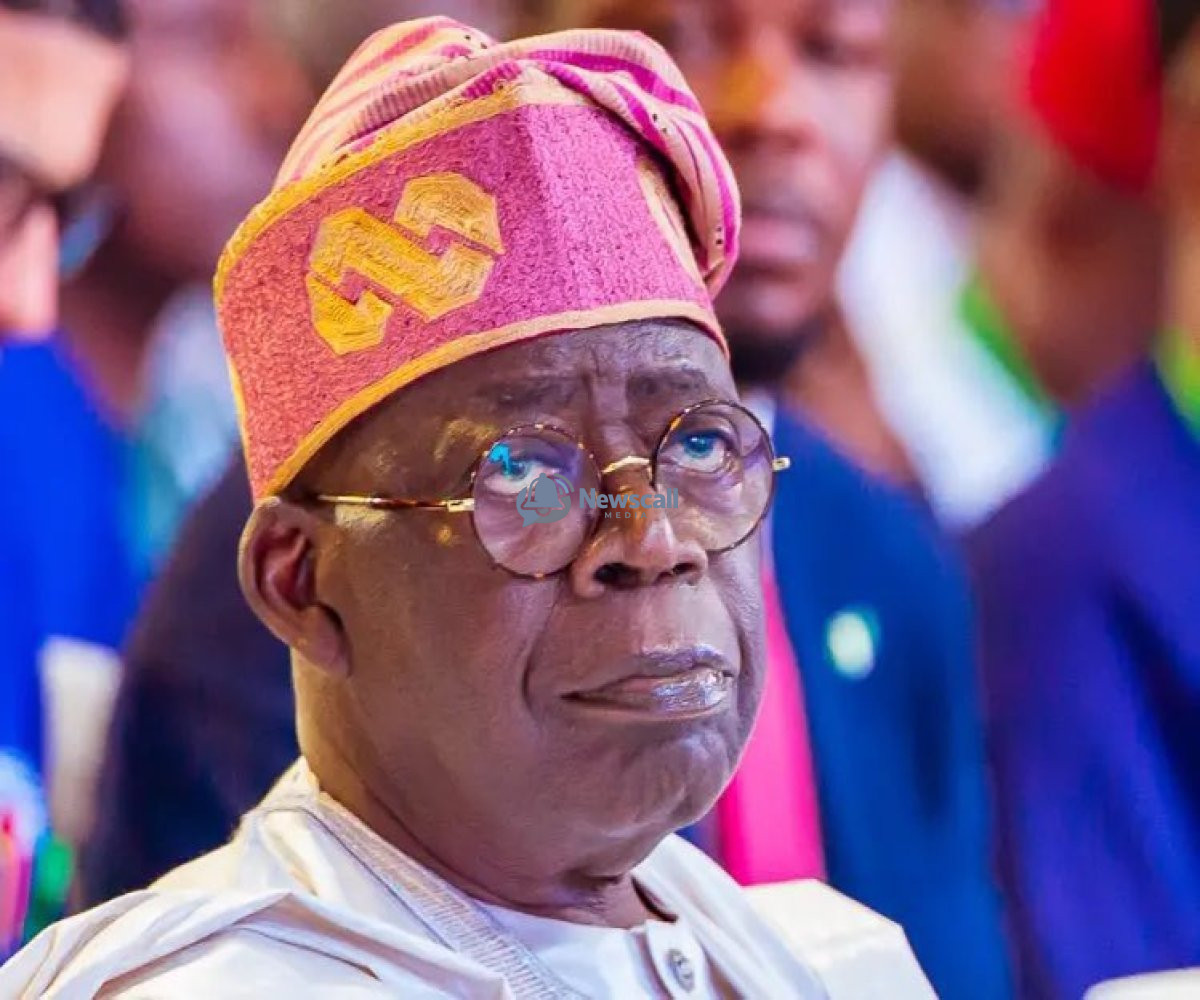
The APC leadership had promoted consensus arrangements and direct primaries as tools for strengthening party unity and expanding participation among grassroots members. President Bola Ahmed Tinubu had earlier urged party members to avoid violence, embrace fairness and uphold democratic principles during the exercise.
However, the volume of complaints recorded during the primaries has exposed significant divisions within the party. Many aspirants contend that consensus arrangements were used to favour preferred candidates, while others allege that outcomes were predetermined before voting commenced.
The controversy is further amplified by provisions of the Electoral Act 2026, which restrict aspirants from easily switching parties after participating in primaries. As a result, many aggrieved politicians find themselves challenging outcomes from within the party rather than seeking alternative platforms.
Political analysts note that unresolved disputes could lead to a surge of appeals, court cases and defections as preparations for the 2027 general elections intensify.
The APC primaries have produced both winners and deep dissatisfaction. While several candidates emerged successfully through the process, allegations of irregularities, disputed results, inflated vote counts and candidate imposition have raised serious questions about the party's internal democratic mechanisms.
With appeals already being filed and legal challenges expected, the APC leadership faces the task of restoring confidence among its members before the 2027 election campaign gains momentum. How the party addresses these grievances may determine whether the controversies remain internal disputes or evolve into a broader political challenge ahead of the next general election.

Nwekwe Esther Amarachukwu
Public speaker,Research-driven writer covering politics and public affairs, committed to accuracy, and meaningful public discourse.